Learning Spanish in Mexico: Schools and Immersion
Standing at a bustling vegetable market in Mexico City, I once spent ten minutes trying to explain I wanted "ripe" avocados, only to realize I was using the word for "ready" in a way that made no sense to the vendor. I’ve lived through that specific, burning embarrassment of being a functional adult who suddenly feels like a helpless child. This guide solves the confusion of choosing the right Spanish school and immersion path to ensure you actually find your voice in Mexico.
Disclosure: This post may contain affiliate links. We may earn a commission at no extra cost to you if you make a purchase through these links. Read full disclosure.
Choosing the Right Learning Environment in Mexico
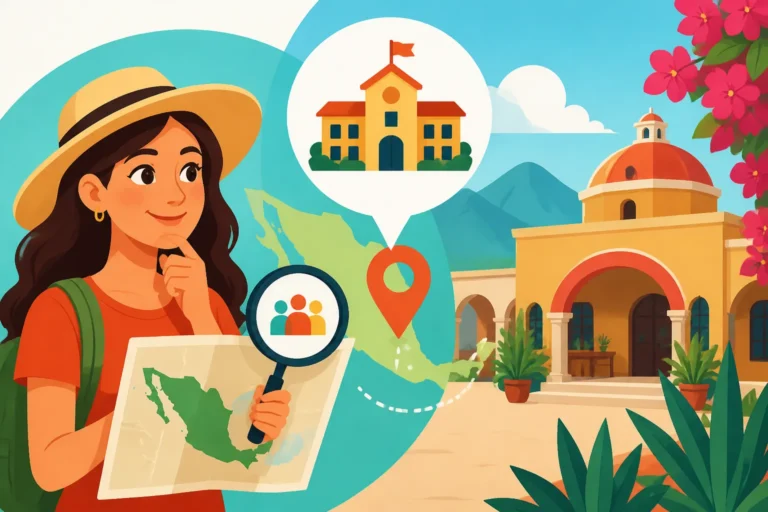
The first hurdle every expat faces is deciding between the structure of a formal institution and the flexibility of a private boutique school. When I first arrived, I thought a massive university program was the only "serious" way to learn. I quickly found out that while the academic rigor is high, the social and practical application can sometimes lag. You have to weigh your personal learning style against your daily schedule and your long-term goals for living in the country.
Formal University Programs vs Private Schools
University-affiliated programs, such as the Centro de Enseñanza para Extranjeros (CEPE) at UNAM, are the gold standard for those who want a deep dive into grammar, history, and literature. These programs are often immersive by design, requiring several hours of classroom time daily. The benefit here is the prestige and the structured curriculum that moves you through the levels of the Common European Framework of Reference for Languages (CEFR). If you are looking to eventually work in a professional capacity, having a certificate from a major Mexican university carries significant weight.
On the other hand, private language schools—the "boutique" options—offer a much more localized and intimate experience. These schools often focus on conversational Spanish and the specific regionalisms you’ll encounter in your neighborhood. They are generally more flexible, allowing you to start any Monday of the year rather than waiting for a university semester to begin. For many, the smaller class sizes in private schools mean you can't "hide" in the back of the room; you are forced to speak, which is exactly what most of us need to break that initial barrier of fear.
The Private Tutor and Cafe Approach
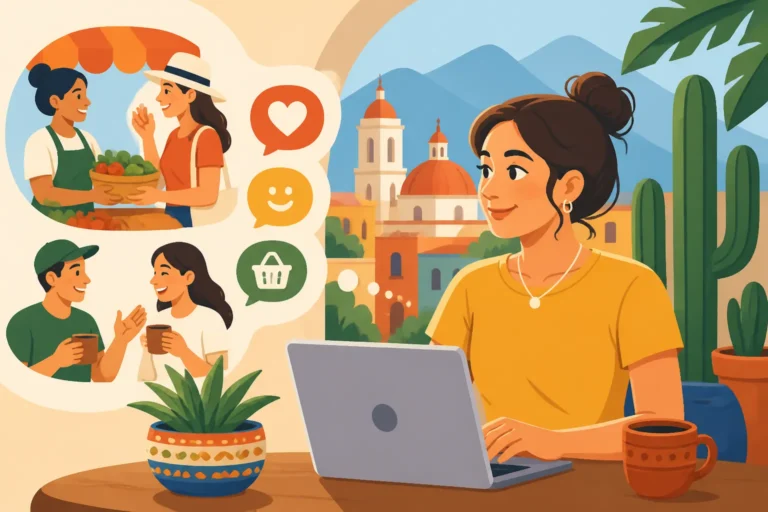
If the thought of a classroom makes you break out in a cold sweat, the informal tutor approach might be your best bet. This is a common path for digital nomads or retirees who want to learn at their own pace without the pressure of exams. Finding a tutor usually involves scouring local Facebook groups or platforms like iTalki to find someone who fits your personality. Meeting in a cafe or a park provides a low-stakes environment where you can practice real-world interactions with waitstaff and passersby while your tutor guides you.
However, the "cafe approach" requires a high level of self-discipline. Without a set curriculum, it is easy to spend three months learning how to order coffee perfectly while still being unable to navigate a conversation with a landlord. I recommend using this method as a supplement to more formal study. It allows you to take the dry grammar you learned in the morning and turn it into something living and breathing over a late-afternoon mezcal. You can find more specific advice on this in our guide on Learning Spanish in Mexico: Top Tips and Resources for Expats.
Top Cities for Spanish Immersion
Location is everything when it comes to immersion. You might love the idea of living in a beach town, but if everyone there speaks English to accommodate tourists, your Spanish progress will stall. I’ve spent time in various "hubs" and each offers a distinct linguistic flavor and set of challenges. Choosing the right city is about more than just the climate; it's about the speed of the local speech and the willingness of the community to engage with learners.
Oaxaca City The Cultural Soul
Oaxaca is widely considered one of the best places in the world to learn Spanish. The pace of life is slower, and the Spanish spoken here is generally clearer and more melodic than in the chaotic capital. Schools like Becari or the Oaxaca International Spanish Language School offer programs that often include cultural workshops, such as cooking classes or weaving. Because Oaxaca is a center for indigenous culture, you also get a fascinating look at how Spanish interacts with Zapotec and Mixtec languages.
Living in Oaxaca allows for a deep cultural immersion that is hard to replicate elsewhere. You’ll find yourself learning the names of hundreds of different chilies and herbs at the Mercado de Abastos, which is a vocabulary lesson in itself. For a deeper look at what life is like in this region, check out our article on Living in Oaxaca City: Culture and Lifestyle Tips for Expats. The community here is incredibly patient with learners, which is a massive boost for your confidence when you're just starting out.
Mexico City Modernity and Fast Paced Learning
If you want to be thrown into the deep end, Mexico City (CDMX) is the place to do it. The Spanish here is fast, full of slang, and incredibly diverse. You’ll hear everything from formal "Chilango" business speak to the rough-and-tumble "caló" of the street markets. Schools in neighborhoods like Roma, Condesa, and Coyoacán cater specifically to the expat and digital nomad crowd. The sheer volume of people means you have infinite opportunities to practice, but you have to be assertive.
The challenge in CDMX is the "English bubble." In certain trendy neighborhoods, waiters will often switch to English the moment they hear your accent. I’ve had to learn to politely insist on speaking Spanish by saying, "Por favor, necesito practicar mi español." It feels awkward at first, but it’s necessary for growth. To help navigate the local lingo, it’s worth studying Mexican Spanish: Slang and Expressions for Visitors before you land in the capital.
San Miguel de Allende The Transition Hub
San Miguel de Allende is often criticized for having "too many Americans," but for a certain type of learner, it’s actually a perfect transition hub. If you are older or particularly nervous about the language barrier, San Miguel offers a "soft landing." You can find high-quality schools like the Centro Cultural Ignacio Ramírez "El Nigromante" that provide excellent instruction in a beautiful, historic setting.
The benefit of San Miguel is that you can ease into the language. You can find English-speaking doctors and services if you have an emergency, but you can still choose to conduct your daily life in Spanish at the local markets. It’s a bridge between your home culture and your new Mexican life. Just be careful not to fall into the trap of only hanging out at the American Legion; the real magic happens when you step away from the expat squares.
Understanding the Cost of Learning
Budgeting for your language education is a critical part of your relocation strategy. Mexico remains affordable compared to the US or Europe, but prices have risen significantly in recent years, especially in popular expat zones. You aren't just paying for the hours in the classroom; you are paying for the materials, the cultural excursions, and often the "community" that the school provides.
Tuition and Living Expenses
Tuition costs vary wildly based on the type of school and the length of the program. A full-time, intensive program at a private school in a major city can range from $200 to $400 USD per week. University programs are usually cheaper on a per-hour basis but require a longer commitment, often 6 to 12 weeks at a time. It’s also important to factor in the Cost of Living in Mexico: 2026 Comprehensive Guide to ensure you aren't overextending yourself.
| Program Type | Estimated Weekly Cost (USD) | Best For |
|---|---|---|
| University Intensive | $150 – $250 | Academic rigor & certification |
| Private Boutique School | $250 – $450 | Small groups & social events |
| Private 1-on-1 Tutor | $15 – $30 (per hour) | Personalized pace & flexibility |
| Online Platforms (iTalki) | $10 – $25 (per hour) | Pre-arrival prep & maintenance |
| Language Exchange (Intercambio) | Free (plus coffee) | Casual practice & making friends |
Hidden Costs of Immersion
One thing no one tells you about moving to Mexico to learn Spanish is the cost of "social tuition." To truly learn, you need to be out in the world, which means dining out, attending festivals, and traveling to nearby towns. These costs add up. You also need to budget for textbooks and, potentially, the fees for official exams like the DELE (Diplomas de Español como Lengua Extranjera) if you want a permanent record of your proficiency.
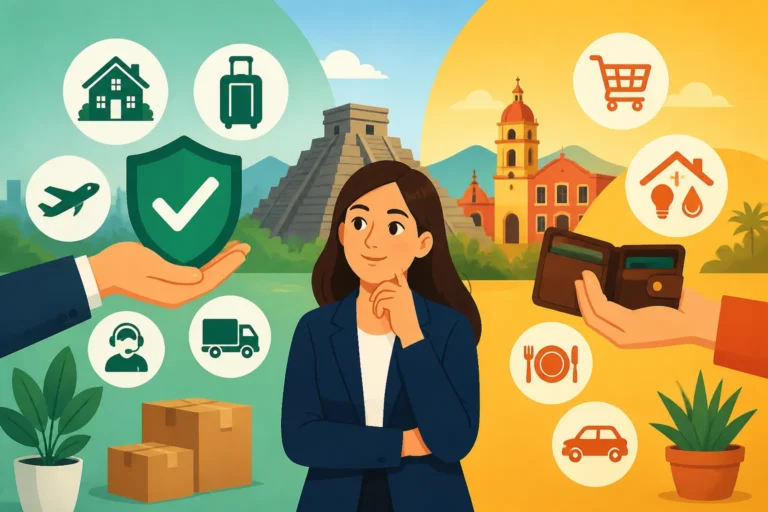
Furthermore, if you are staying long-term, your financial footprint changes. Many people who come for "language school" end up staying for years. At that point, you need to think about your global financial obligations. For instance, if you become a tax resident while studying, using a service like Taxes for Expats can help you navigate the complexities of filing back in your home country while living abroad.
Integrating Online and Offline Learning
I always tell new arrivals that their Spanish journey should start six months before they actually cross the border. The biggest mistake people make is arriving with zero foundation and expecting the "magic of immersion" to do all the work. Immersion only works if you have enough of a "hook" for the new words to stick to.
Using iTalki for Pre Arrival Prep
Using a platform like iTalki is the most effective way to build that foundation. You can find professional teachers from Mexico who can specifically teach you the "Mexicanisms" you'll need. By the time you land, you should at least be able to handle basic greetings, order food, and understand directions. This saves you from spending your first two weeks in an expensive in-person school learning how to say "Hello, my name is…"
Once you are in Mexico, don't stop the online lessons. I found that having a dedicated iTalki tutor who knew my specific weaknesses was a great way to "debug" the mistakes I was making during my daily life in the city. I would bring real-world problems to my online lesson—like a confusing interaction at the bank—and we would role-play it until I felt confident.
Transitioning to In Person Classes
The transition from online to in-person is where the real growth happens. In-person schools provide the "tribal" aspect of learning. You meet other people who are struggling with the same verb conjugations, and you go out for tacos together after class. This social support is vital because learning a language is an emotional rollercoaster. Some days you feel like a genius, and other days you can't remember the word for "spoon."
While in class, try to avoid the "English trap." It’s so easy to spend your breaks speaking English with your classmates. I made a rule for myself: no English from the moment I stepped into the school building until I left. It was exhausting, but it shaved months off my learning curve. If you’re planning on staying long-term for study, make sure you understand the Mexico Student Visa: Application Requirements for 2026 to avoid any legal hiccups.
Navigating the Administrative Side of Study
Living in Mexico as a student isn't just about rolling R’s and eating street food; there is a significant amount of paperwork involved if you want to do it right. Many people try to "fly under the radar" on a tourist permit, but this is increasingly difficult and limits your ability to integrate into the local system.
Student Visas and Residencies
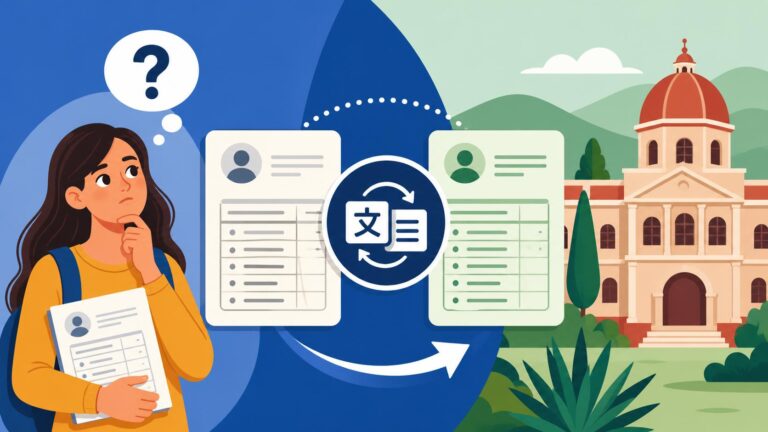
If your program lasts longer than 180 days, you are legally required to obtain a student visa. This process usually starts at a Mexican consulate in your home country. Once you arrive in Mexico, you have 30 days to exchange that visa for a residency card at the Instituto Nacional de Migración (INM). Having this card is a game-changer. It allows you to do things like Opening a Bank Account in Mexico as a Foreigner and get a local phone plan without a massive deposit.
The residency process also grants you a CURP (Clave Única de Registro de Población), which is essentially your social security number in Mexico. You’ll need this for everything from local gym memberships to signing up for public health services. If you’re feeling overwhelmed by the paperwork, read our step-by-step guide on How to Get a CURP in Mexico. It’s a bit of a bureaucratic dance, but once you have that card in your hand, you feel like a "real" resident, not just a visitor.
Tax Implications for Long Term Students
If you are a digital nomad who is "studying" while working, or if you decide to settle down permanently, you must address your tax status. Mexico considers you a tax resident if your "center of vital interests" is in the country, which often happens if you spend more than 183 days there in a calendar year. This doesn't necessarily mean you'll pay double taxes, thanks to treaties, but it does mean you have reporting requirements.
This is where specialized services come in. Taxes for Expats is a fantastic resource for ensuring that your US or UK tax filings stay compliant while you are navigating the Mexican system. It’s much easier to set this up correctly at the beginning than to try and untangle a multi-year mess later on. You can learn more about the local side of things in our Taxes in Mexico for Expats: A Complete Guide to Income Tax and More.
Real Life Immersion Strategies
The classroom is the gym; the real world is the marathon. To truly learn Spanish in Mexico, you have to leave the expat enclaves and engage with the parts of the city that don't care about your comfort zone. This is where the "immersion" actually happens.
Beyond the Classroom Local Interaction
My favorite way to learn was through "errand immersion." I would pick a specific task—like getting a key duplicated or finding a specific type of lightbulb—and go to a local ferretería (hardware store) instead of a big-box store like Home Depot. In the small shops, you have to describe what you need, often using gestures and "Spanglish" until the right word clicks. The workers in these shops are often some of the best (and most patient) teachers you'll ever have.
Another great strategy is joining a local hobby group that has nothing to do with language. Join a yoga studio, a pottery class, or a football team where you are the only foreigner. When the instruction is in Spanish and the goal is to accomplish a task, your brain stops over-analyzing the grammar and starts focusing on communication. It’s also a great way to learn about social nuances, such as How Much Should You Tip in Mexico? in various settings.
Dealing with Language Frustration
There will be days when you want to pack your bags and go home because you couldn't understand the person at the grocery store checkout. This is normal. Language fatigue is a real physiological state where your brain literally hurts from the effort of translating. On those days, give yourself permission to watch a movie in English or call a friend back home.
However, don't let the fear of making mistakes stop you from eating. I’ve seen people avoid local stalls because they were afraid of the ordering process. Don’t miss out on the best food in the world because of a verb conjugation! Check out our advice on Is Street Food Safe? How to Enjoy Mexican Street Eats Without Worry so you can confidently approach any taco stand in the country. The "taquero" won't care if your grammar is perfect; they just want to know if you want "con todo" (with everything).
Disclaimer
The information provided in this article is for informational purposes only and does not constitute legal, financial, or professional advice. Immigration laws, tax regulations, and school prices in Mexico change frequently. Always consult with official government sources, certified accountants, or legal professionals before making significant life decisions or financial commitments abroad.