Spanish for Remote Workers in Mexico: Enough Language to Live Well
Living in Mexico as a remote worker sounds like an absolute dream, right? Palm trees, delicious food, vibrant culture, and all while you’re still earning in dollars or euros. But let me tell you, from one expat to another, that dream can quickly turn into a frustrating pantomime if you don't tackle one crucial element: the Spanish language. You might think you can get by with English, especially in popular expat hubs, but trust me, your quality of life will be immeasurably richer and smoother if you have at least enough Spanish to navigate daily life. This guide is all about helping you understand why that's so important and, more importantly, how you can gain the practical language skills to truly live well here.
Disclosure: This post may contain affiliate links. We may earn a commission at no extra cost to you if you make a purchase through these links. Read full disclosure.
Why Even Remote Workers Need Spanish in Mexico
It's easy to fall into the trap of thinking that because your work is remote and in English, you don't really need Spanish. Many people arrive in Mexico with this mindset, especially if they're settling in places like Cancún, Playa del Carmen, or San Miguel de Allende, where English is more widely spoken. And yes, you can survive. But surviving and thriving are two entirely different things. The reality of daily life in Mexico, beyond your laptop screen, demands a level of interaction that English often simply can't cover.
Beyond the Tourist Bubble: Daily Life & Integration
Think about your daily routine outside of work. You’ll need groceries, household items, maybe a trip to the hardware store, or a visit to the local mercado for fresh produce. While bigger supermarkets might have some English speakers or self-checkout options, the charm and authenticity of Mexican life often lie in smaller, local businesses where English is much less common. Imagine trying to explain to the butcher how thick you want your carne cut, or asking the frutero if the mangoes are ripe. These are simple interactions that become monumental tasks without basic Spanish.
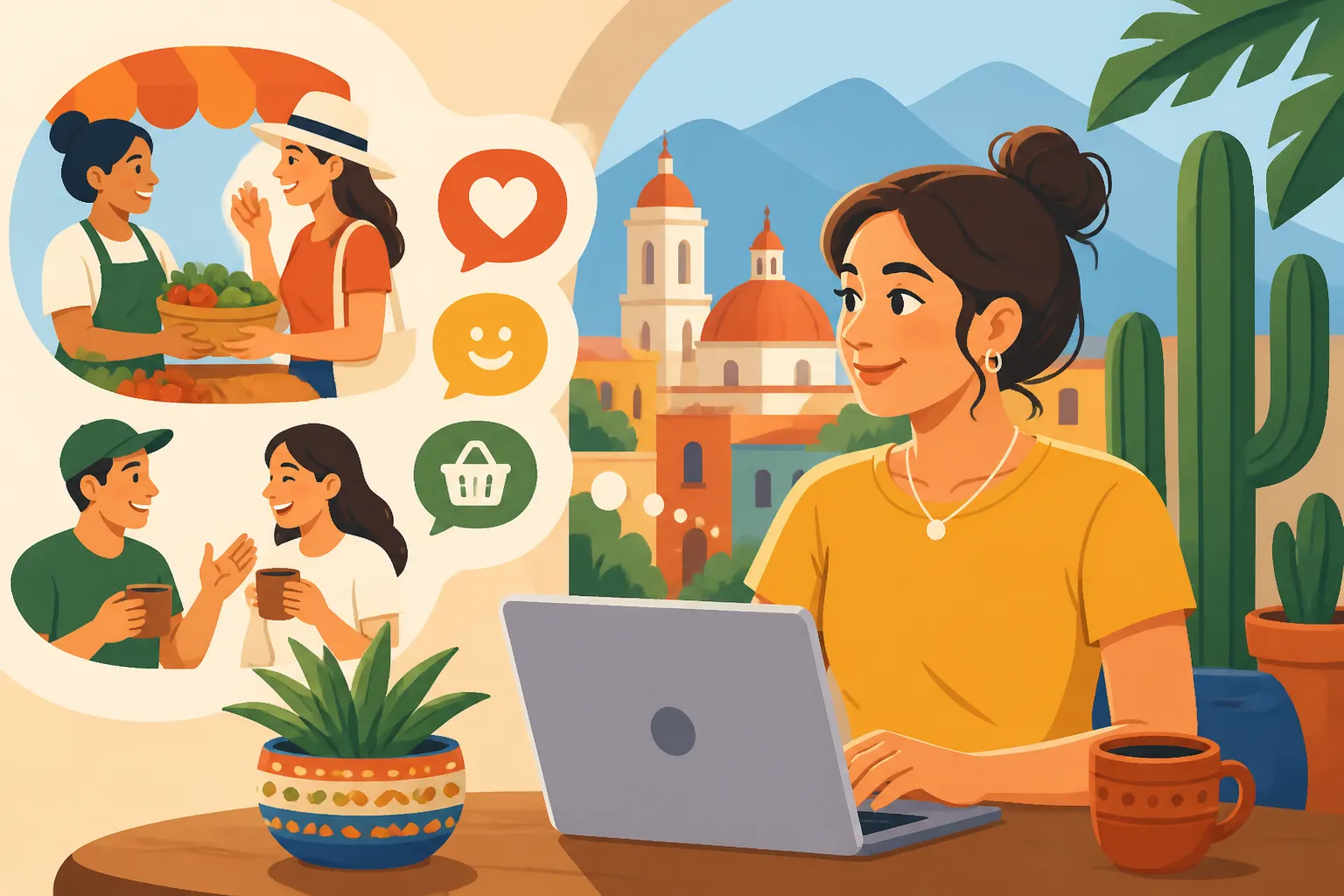
Beyond transactions, there's the human element. Your neighbors might not speak English, the friendly lady selling tamales on the corner likely won't, and the person who helps you fix a leaky faucet definitely won't. If you want to move beyond being just a temporary visitor in your community and truly connect with the people around you, understand their humor, and share a genuine smile, Spanish is your key. It opens doors to friendships, local insights, and a deeper appreciation for the culture that you simply cannot access from an English-only bubble. You'll miss out on so much richness if you can't engage with the heartbeat of Mexico.
Navigating Bureaucracy and Services
This is where the rubber truly meets the road, and where a lack of Spanish can cause genuine headaches. Mexican bureaucracy is, shall we say, a unique experience. While there are often forms available in English, interacting with government officials at the INM (Immigration Institute) or representatives from the CFE (Federal Electricity Commission) or the local water utility often requires Spanish. These aren't just one-off interactions; you'll deal with these entities for your residency, to set up utilities, and periodically for payments or issues. Trying to explain a discrepancy on your electricity bill or clarify a detail about your Mexico Temporary Resident Visa without Spanish can be a maddening experience for both you and the person trying to help.
Even simpler services, like getting a haircut, taking your pet to the vet, or dealing with a package delivery, can become unnecessarily complicated. Imagine calling your internet provider, say Telmex or Totalplay, to troubleshoot an outage. Their customer service lines are predominantly in Spanish, and navigating automated menus and explaining technical issues in a foreign language can be incredibly stressful. Having a grasp of the language can save you hours of frustration, miscommunication, and potentially costly mistakes. It's not just about convenience; it's about empowerment and peace of mind in your new home.
How Much Spanish is "Enough" for a Remote Worker? Setting Realistic Goals
The idea of becoming fully fluent can be daunting, and honestly, for most remote workers, it's not strictly necessary to "live well." You're not going to be writing legal contracts or delivering academic papers in Spanish. What you need is functional Spanish – the ability to understand and be understood in everyday situations. This means focusing on practical communication rather than perfect grammar from day one.
The Survival Spanish Baseline: Essential Phrases and Situations
Your initial goal should be to master "survival Spanish." This is the foundational knowledge that will get you through most common scenarios without needing to rely on Google Translate every five minutes or anxiously pointing at things. Think of it as your essential toolkit for daily operations.
Here's what that baseline typically includes:
- Greetings and Farewells: Hola, Buenos días/tardes/noches, ¿Cómo estás?, Estoy bien, Gracias, Adiós, Hasta luego. These simple courtesies go a long way in showing respect.
- Basic Politeness: Por favor, Gracias, De nada, Con permiso, Disculpe/Perdón. Always use these. Politeness is highly valued in Mexico.
- Asking for Things: Quiero…, Necesito…, ¿Tiene…?, ¿Me puede ayudar? (I want…, I need…, Do you have…?, Can you help me?).
- Numbers, Prices, and Money: Being able to understand and state numbers is critical for shopping, ordering, and paying bills. Practice counting to 100, and understanding numbers into the thousands for prices. Ask ¿Cuánto cuesta? (How much does it cost?). Currency Exchange in Mexico: Getting the Best Rates on Pesos becomes much easier.
- Directions and Locations: ¿Dónde está…?, Derecha, Izquierda, Recto, Aquí, Allí. (Where is…?, Right, Left, Straight, Here, There).
- Ordering Food and Drink: This is perhaps the most fun to learn! Quiero un taco de…, Una cerveza por favor, ¿Qué me recomienda? (I want a taco with…, A beer please, What do you recommend?). Understanding basic menu items and common dietary restrictions (vegetariano, sin gluten) will make dining out a pleasure.
- Expressing Needs/Problems: No entiendo, ¿Puede repetir?, Más despacio por favor, Tengo un problema, Necesito un doctor. (I don't understand, Can you repeat?, Slower please, I have a problem, I need a doctor). This is vital for emergencies or when things go wrong.
- Time and Dates: Basic understanding of hours (¿A qué hora abre/cierra?) and days of the week.
Focusing on these practical phrases first will give you immense confidence and significantly reduce your daily stress levels. It’s not about perfection; it’s about effective communication.
Beyond Basics: Moving Towards Conversational Fluency
Once you’ve got survival Spanish down, you'll naturally want to move towards conversational fluency. This is where "living well" truly comes into play. Conversational Spanish allows you to:
- Engage in Small Talk: Discuss the weather, express opinions about local events, chat with your neighbor about their day. This is how you build community and feel truly at home.
- Understand Local Nuances: Catching jokes, understanding common idioms and cultural references, and appreciating the local humor will deepen your integration.
- Participate in Local Activities: Joining a sports league, taking a cooking class, or attending community events becomes much more rewarding when you can fully participate in the conversations.
- Handle More Complex Situations: Discussing a rental agreement with your landlord, explaining a medical symptom to a doctor, or hiring someone for a home repair. These situations require more than just basic phrases. Overcoming Language Barriers at the Doctor: Tips for Expats is much easier with a solid base.
- Form Deeper Friendships: While body language and shared activities can bridge gaps, deep friendships often rely on being able to share stories, thoughts, and emotions in a common language.
Reaching this level doesn't mean you need to be perfectly eloquent. It means being able to navigate the ebb and flow of a typical conversation, express yourself clearly, and understand the gist of what's being said, even if you miss a word or two. It's about feeling comfortable and confident in most social and practical settings.
Practical Strategies for Learning Spanish in Mexico
You're already in Mexico, which is a HUGE advantage! Immersion is your most powerful tool, but structured learning, especially tailored to your remote work schedule, is what will truly accelerate your progress.
Immersion and Everyday Practice
Living in Mexico provides an unparalleled opportunity for immersion. Every sign you read, every conversation you overhear, every song on the radio is a chance to learn. Don't just stay in your expat bubble!
- Listen Actively: Pay attention to how people speak. What phrases do they use repeatedly? How do they pronounce words? Listening to local radio stations, podcasts, and Mexican music can be incredibly helpful.
- Speak, Speak, Speak: This is the most important part. Don't be afraid to make mistakes. Locals are generally very appreciative of your effort. Start small: order your coffee in Spanish, ask for directions, greet store owners. Every interaction is a mini-lesson.
- Engage with Locals: Seek out opportunities to interact with Mexican people. Strike up conversations at markets, cafes, or parks. If you have a local friend, ask them to only speak Spanish with you, even if it's slow at first. Offer to teach them English in exchange for Spanish practice – these "intercambios" are a fantastic way to learn.
- Consume Spanish Media: Watch Mexican TV shows or movies with Spanish subtitles (or English if you need to start there). Reading local newspapers or simple online articles can also boost your vocabulary and comprehension. Even just looking at the labels on products in the grocery store can be a learning experience.
The key is consistency. Make Spanish a part of your daily life, not just something you study in a textbook.
Structured Learning with Online Platforms (The iTalki Advantage!)
While immersion is fantastic, it can also be overwhelming without some structure. This is where dedicated language learning, especially with a flexible platform, becomes invaluable. For remote workers in Mexico, I cannot recommend platforms like iTalki enough. Seriously, it’s a game-changer.
Here's why iTalki is the hero for your situation:
- Flexibility for Your Schedule: As a remote worker, your schedule might not be 9-to-5. You might have meetings at odd hours or prefer to study early in the morning or late at night. iTalki offers lessons with teachers across many time zones, meaning you can always find a slot that fits your work-life balance. No need to commute to a physical school or adhere to rigid class times. You set your availability, you pick your teacher, and you learn when it suits you best.
- Affordable One-on-One Attention: Group classes can be good, but nothing beats personalized, one-on-one instruction. With iTalki, you get a native speaker's undivided attention. They can tailor lessons specifically to your needs – whether that's practicing ordering food, role-playing a conversation with an immigration officer, or just improving your conversational flow for casual chats. Plus, the rates are often incredibly competitive, making quality instruction accessible.
- Focus on Practical, Conversational Spanish: Unlike traditional schools that might focus heavily on grammar rules, iTalki allows you to prioritize conversational practice. You can tell your teacher exactly what you want to work on: common Mexican idioms, specific vocabulary for banking, or just free-flowing conversation to build confidence. This practical approach is exactly what a remote worker needs to "live well" in Mexico. You're not aiming for a diploma; you're aiming for communication.
- Access to Native Mexican Spanish Speakers: You're learning to live in Mexico, so why not learn from teachers who speak Mexican Spanish? iTalki allows you to filter teachers by country of origin, ensuring you pick up the right accent, regional vocabulary, and cultural nuances specific to Mexico. This is incredibly important for sounding natural and understanding locals.
Think of iTalki as your personal Spanish coach, available on demand. You can book trial lessons with several teachers to find one whose teaching style and personality click with you. Then, you schedule lessons around your work, focusing on the real-world scenarios you encounter daily. It complements your immersion by providing a safe space to practice, ask questions, and refine what you're picking up on the streets. Start exploring teachers on iTalki today to kickstart your journey to conversational confidence!
Leveraging Local Resources
While online platforms like iTalki are incredibly convenient, don't forget to tap into local resources too. They can be great complements to your online learning.
- Local Language Schools: Many larger expat communities and cities in Mexico have dedicated Spanish language schools. These offer intensive courses, often with a cultural component, and can be a fantastic way to meet other expats and learners. They might be less flexible than online options, but the in-person environment can be highly motivating.
- Private Tutors: You can often find local private tutors through expat groups, recommendations, or local classifieds. This offers personalized instruction like iTalki, but with the convenience of meeting in person if you prefer, or if you want to integrate lessons into your local routine.
- Language Exchange Meetups (Intercambios): Look for groups in your area that organize language exchanges. These are informal gatherings where native Spanish speakers want to practice English, and vice versa. It's a low-pressure way to practice speaking and listening in a social setting, and you often make new friends. Check local Facebook groups or community centers.
Combining the structured, flexible learning of iTalki with active immersion and local resources creates a powerful learning ecosystem that will have you speaking Spanish comfortably in no time.
Overcoming the Language Barrier: Tips for Success
Learning a new language as an adult, especially when you're also juggling remote work, can feel challenging. There will be days of frustration, but with the right mindset and tools, you can absolutely succeed.
Embracing Mistakes and Building Confidence
One of the biggest hurdles for new language learners is the fear of making mistakes. Believe me, I've been there! You might worry about sounding silly, offending someone, or simply not being understood. My advice? Throw that fear out the window!
Mexicans are generally incredibly patient, kind, and appreciative when foreigners try to speak Spanish. They understand it's not your native tongue, and they will often go out of their way to help you. A simple “Disculpe, mi español es limitado, ¿puede hablar más despacio por favor?” (Excuse me, my Spanish is limited, can you speak slower please?) works wonders. Don't let the pursuit of perfection paralyze your progress. The goal is communication, not flawless grammar.
Every mistake is a learning opportunity. The more you speak, the more confident you'll become, and the faster you'll improve. Even if you butcher a sentence, the effort itself builds goodwill. Imagine the pride you'll feel when you successfully order your favorite dish or have a small chat with your neighbor entirely in Spanish!
Utilizing Technology and Translation Tools
While your primary focus should be on active learning and speaking, technology can be a helpful assistant, not a crutch.
- Translation Apps: Google Translate or DeepL are fantastic for looking up individual words or phrases in a pinch. They can help you understand a sign, decipher a text message, or quickly get across a complex idea you don't yet have the vocabulary for. Just be mindful that direct translations can sometimes miss nuances or context, so use them wisely.
- Language Learning Apps (as supplementary tools): Apps like Duolingo or Memrise can be great for vocabulary building and gamified practice, especially for those quick five-minute bursts between work tasks. They're excellent for reinforcement but shouldn't replace the personalized interaction you get from platforms like iTalki.
- Online Dictionaries: Keep an online dictionary handy for quick word look-ups. Many also provide conjugation tables, which are incredibly useful for verbs.
Here’s a small table of practical phrases you can start using today:
| English Phrase | Spanish Translation | Context |
|---|---|---|
| Hello, how are you? | ¡Hola, ¿cómo estás? / ¿qué tal? | General greeting |
| Please / Thank you | Por favor / Gracias | Essential politeness |
| Excuse me (to get attention/pass by) | Con permiso / Disculpe | In a crowded area or to interrupt politely |
| I don't understand | No entiendo | When you need clarification |
| Can you repeat that, please? | ¿Puede repetir, por favor? | When you didn't catch something |
| Slower, please | Más despacio, por favor | Asking someone to slow down their speech |
| How much does it cost? | ¿Cuánto cuesta? | Shopping, ordering food |
| I want a coffee. | Quiero un café. | Ordering at a cafe |
| Where is the bathroom? | ¿Dónde está el baño? | A universal need! |
| Do you speak English? | ¿Habla inglés? | As a last resort, if you're really stuck |
| I need help. | Necesito ayuda. | In an emergency or difficult situation |
| I am a remote worker. | Soy trabajador remoto. | Explaining your profession |
| Is there Wi-Fi here? | ¿Hay Wi-Fi aquí? | Connecting to the internet |
Learning Spanish isn't just about unlocking conversations; it's about unlocking your full potential for life in Mexico. While your remote job might keep you connected to your home country professionally, investing in conversational Spanish will connect you deeply to your new home. It will reduce stress, open up incredible cultural experiences, and allow you to genuinely thrive rather than just survive. With flexible, personalized tools like iTalki, you can make consistent progress that fits your work-life balance. Don't wait – start your Spanish journey today and transform your expat experience into something truly extraordinary.
Disclaimer
This article is for general informational purposes only and does not constitute professional advice. Laws, prices and regulations vary by location and change over time. Consult a qualified professional for guidance on your specific situation.