How to Get a Work Permit Added to Your Mexican Residency
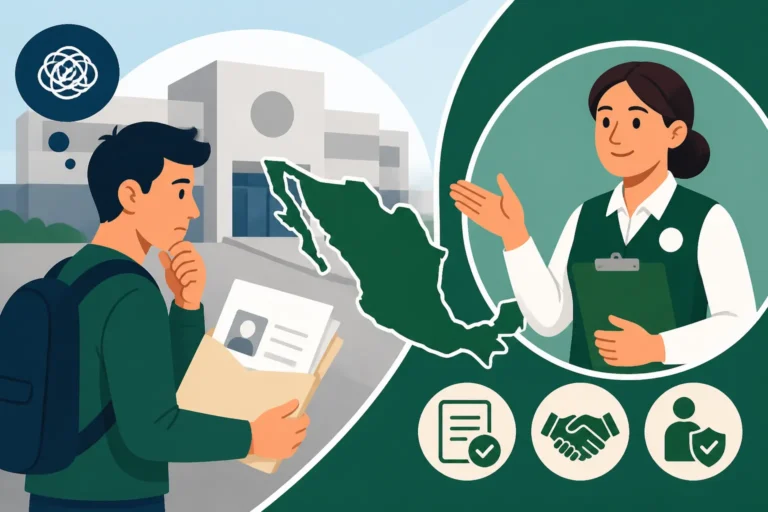
You’ve finally landed that dream job in Mexico, but then you look at your residency card and realize it says "Residente Temporal" without the all-important right to work. I remember the sinking feeling in my stomach when an HR manager in Mexico City told me my card was essentially just a fancy ID until I got the "lucrativa" permission added. This guide solves the confusion by walking you through the exact steps to add a work permit to your existing Mexican residency.
Disclosure: This post may contain affiliate links. We may earn a commission at no extra cost to you if you make a purchase through these links. Read full disclosure.
Understanding the Distinction Between Resident Status and Work Permission
In the world of Mexican immigration, having residency and having the right to work are two different legal layers. Most expats enter the country under a Mexico Temporary Resident Visa: Comprehensive Guide for Expats (2026 Update) which is usually "no lucrativa," meaning you aren't permitted to earn money from a Mexican source. When you find a local employer or decide to start a business, you must apply for a change of status to include "actividades lucrativas." This doesn't change your residency timeframe, but it updates the "permission" field in the immigration database.
The frustration often stems from the fact that your residency card looks almost identical before and after the change. However, the internal record at the Instituto Nacional de Migración (INM) is what matters most. If you work without this specific authorization, you risk fines, deportation, or having your residency revoked entirely. I’ve seen people try to fly under the radar, but with the SAT (Mexico's tax authority) becoming increasingly integrated with immigration records in 2026, it is more important than ever to do this by the book.
The process is technically called a "Notificación de Cambio," specifically a change to allow lucrative activities. It is a procedural update to your file that requires you to prove you have a legitimate reason to be earning a Mexican income. Whether you are an employee or a freelancer, the burden of proof is on you to show that your presence in the Mexican workforce is legally documented and sponsored.
Why the Permission is Separate from the Visa
Mexico separates these because many residents—like retirees or students—are here strictly to spend money, not earn it. By keeping the work permit as a separate "add-on" to your residency, the government can track the labor market more effectively. It’s a common hurdle in Navigating Mexico's Immigration System: Visas, INM Procedures, and Regulations, and while it feels like unnecessary red tape, it’s a standard protective measure for the local economy.
When I first transitioned from a "snowbird" to a full-time worker, I assumed my residency card was a golden ticket. It wasn't. I had to go back to the INM and explain exactly who was hiring me and what I would be doing. This separation ensures that the government can verify that your employer is also in good standing with the tax authorities.
The Two Paths: Employee vs. Self-Employed
If you are being hired by a Mexican company, they act as your sponsor. If you are going the route of Self-Employment in Mexico: Visa Options for Freelancers and Entrepreneurs, you are essentially sponsoring yourself. Both paths require the work permit addition, but the paperwork for a company-sponsored permit is often handled largely by the company’s HR or legal department.
For those hired by a firm, the most critical piece of the puzzle is ensuring the company has a valid "Constancia de Inscripción del Empleador." This is a document that proves the company is authorized by the INM to hire foreigners. If they don't have this, or if it’s expired, your application will be dead on arrival. I always recommend asking to see a copy of this before you even start your own paperwork.
The Essential Prerequisites for Your Application
Before you even think about booking an appointment at the INM, you need to have your ducks in a row. The most important document for an employee is the "Oferta de Empleo" (Job Offer). This isn't just a casual email; it must be a formal letter on company letterhead, written in Spanish, detailing your position, your salary, the duration of the contract, and the company's tax ID (RFC).
One area where many expats trip up is document translation. Any supporting documents not in Spanish, such as specialized diplomas or professional certifications required for the role, must be translated by a certified translator. In my experience, using a service like RushTranslate is the most efficient way to ensure your documents meet the rigorous standards of the INM. They are used to the legal terminology that Mexican immigration officers expect to see, which can prevent "observations" or rejections of your file.
You will also need your current, valid passport and your existing residency card. Make sure your card isn't about to expire. If you are within 30 days of your card's expiration, you will likely need to process a renewal alongside your work permit addition, which is a much more complex procedure often discussed in Requirements for Renewing Temporary Residency After Four Years (2026 Rules).
The Employer’s Responsibility
Your employer must provide a copy of their "Constancia de Inscripción del Empleador." This certificate must be updated annually. If the company has changed its address or its legal representative hasn't updated their ID on file, the INM will reject your work permit request. It is one of the most Common Mistakes to Avoid When Applying for Mexican Residency Visas to assume the employer's paperwork is current.
I once waited three hours in the INM office only to be told that my employer’s certificate had expired two weeks prior. Save yourself the headache and double-check with HR. They should also provide a copy of the legal representative’s official ID (IFE or INE) to prove the person signing your job offer letter actually has the authority to do so.
Personal Documentation and Translations
Beyond the job offer, you may need to provide proof of your professional qualifications if the job is highly specialized. For example, if you are being hired as a mechanical engineer, the INM may want to see your degree. Since these are usually in English or another language, getting a certified translation from RushTranslate ensures the officer can verify your credentials without hesitation.
| Document Needed | Provider | Notes |
|---|---|---|
| Solicitud (Online Form) | You (via INM portal) | Must be printed and signed in blue ink. |
| Job Offer Letter | Your Employer | Must state salary in Pesos and match UMA requirements. |
| Constancia de Empleador | Your Employer | Must be current and valid for 2026. |
| Certified Translations | RushTranslate | Required for any non-Spanish credentials. |
| Residency Card | You | Original and a clear photocopy of both sides. |
| Passport | You | Valid for at least 6 months with photocopies. |
The Step-by-Step INM Procedure
Once you have your folder of documents—including those clean translations from RushTranslate—it’s time to face the bureaucracy. The first step is filling out the "Pieza" or the online application form on the INM website. This form is entirely in Spanish, and it requires you to select the correct "Trámite." You are looking for "Cambio de condición de estancia por actividades lucrativas."
After submitting the form online, you will receive a "Solicitud" with a tracking number (NUT). You must print this out. In 2026, many INM offices require you to book an appointment online via their MiConsulado or local portal, though some smaller offices still operate on a first-come, first-served basis where people start lining up at 5:00 AM. I’ve done both, and believe me, the appointment system is a godsend when it works.
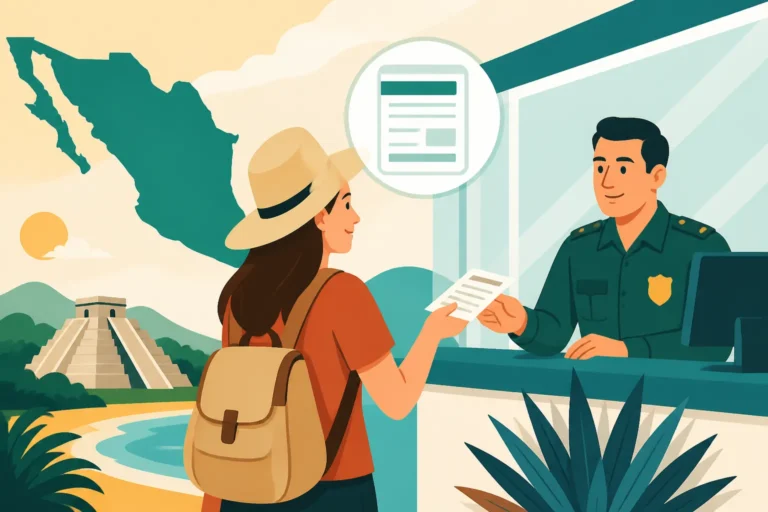
At the office, an agent will review your documents. If everything is in order, they will take your fingerprints and a new set of photos. You will also have to pay a fee for the "recepción y estudio" of your application, and a second fee for the issuance of the new card. These payments are made at a local bank using a "pago de derechos" form. Don't lose those receipts; they are as valuable as gold in that office.
Navigating the INM Interview
In some cases, especially if you are applying for Self-Employment in Mexico: Visa Options for Freelancers and Entrepreneurs, the officer might ask you a few questions about your work. They want to ensure that the job is real and that you aren't just trying to circumvent immigration laws. If you are an employee, they might ask about your daily duties or where the office is located.
My best advice? Be polite, patient, and dressed professionally. It sounds old-school, but in Mexico, "la presencia" matters. If you appear like a serious professional who respects the process, the officers are generally more helpful. If your Spanish is shaky, consider bringing a translator or an immigration consultant, as detailed in Do You Need an Immigration Lawyer for Mexico? DIY vs Professional Help.
Receiving Your New Card (The Canje)
If your application is approved, you won't get your new card immediately. You will be given a "formato de salida y regreso" or a tracking link to check your status. Once the status changes to "Resuelto en sentido positivo," you return to the office for the "canje"—exchanging your old card for the new one that explicitly lists your work permission.
This new card is your legal proof of "lucrativa" status. Check every single letter on that card before you leave the building. If they misspelled your middle name or got your birthdate wrong, it can take months to fix later. I once found a typo in my CURP on the spot, and catching it then saved me three additional trips to the office.
Post-Approval Requirements: RFC and the SAT
Getting the card is a huge victory, but you aren't finished yet. To actually get paid and pay taxes, you need an RFC (Registro Federal de Contribuyentes). Your new residency card with work permission is the primary document required to How to Get an RFC in Mexico. Without this tax ID, your employer cannot legally add you to the payroll (nómina), and you won't be able to receive your "Aguinaldo" or other mandatory benefits.
The SAT office is a whole different beast compared to the INM. You will need another appointment, which can be notoriously hard to get. Once there, they will take your biometric data (iris scan and fingerprints) to create your "e.firma" (electronic signature). This e.firma is essential for signing tax documents and is a cornerstone of Mexico Immigration Terminology 101: FMM, CURP, RFC and Other Essentials.
Finally, remember that once you have work permission, you are a tax resident of Mexico. This means you must report your income and potentially file annual returns. It’s a small price to pay for the ability to build a career in such a vibrant country. Transitioning your residency to include work is a milestone that moves you from being a guest to being a contributing member of the community, and while the Mexico Work Visa Process: From Job Offer to Residency Card can be taxing, the professional freedom it provides is worth every minute spent in those plastic INM chairs.
Disclaimer
I am a veteran expat blogger, not an immigration attorney or a government official. Immigration laws in Mexico, especially regarding UMA values and financial requirements for 2026, can change without notice. Always verify current requirements with the official Instituto Nacional de Migración website or consult with a licensed Mexican immigration lawyer before submitting your application. This guide is for informational purposes based on personal experience and current research.