How Much Does an Overnight Hospital Stay Cost in Mexico?
The sudden realization that you need to be admitted to a hospital in a foreign country is a visceral, heart-stopping moment of vulnerability. I remember sitting in a brightly lit waiting room in Querétaro, clutching my side and wondering if the upcoming night in a hospital bed would cost me a few hundred dollars or my entire relocation budget. This guide demystifies the financial reality of an overnight hospital stay in Mexico so you can focus on healing rather than the bill.
Disclosure: This post may contain affiliate links. We may earn a commission at no extra cost to you if you make a purchase through these links. Read full disclosure.
Understanding the Tiered Hospital System in Mexico
To talk about costs, we first have to talk about where you are staying. Mexico does not have a "one-size-fits-all" hospital price. Instead, the healthcare landscape is divided into three very distinct worlds, and your bill will depend entirely on which door you walk through. For most expats, the choice boils down to private care, but even within that sector, there is a massive range of luxury and pricing.
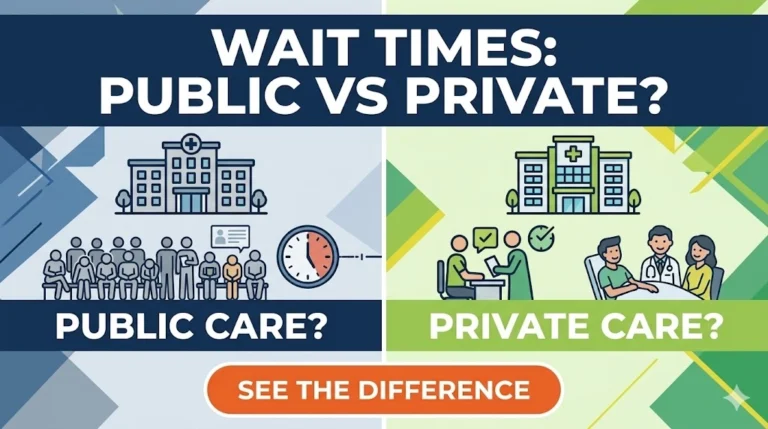
The public system, which includes IMSS and the newer IMSS-Bienestar, is technically the most affordable. If you are a resident and have gone through the process of How to Enroll in IMSS: Step-by-Step Guide for Foreign Residents, your "overnight stay" is largely covered by your annual premiums. However, public hospitals are often overcrowded, and you may find yourself in a shared ward with several other patients. While the medical care is often high-quality, the "hospitality" side—the bed, the food, the privacy—is basic.
On the other end of the spectrum are the "Gran Turismo" private hospitals. These are the facilities most expats envision when they think of international-standard care. Think of Hospital Ángeles, ABC Medical Center, or Star Médica. In these facilities, an overnight stay feels more like a stay in a four-star hotel, with private suites, couches for family members, and high-tech monitoring. Naturally, these are the most expensive options. Understanding Public Healthcare in Mexico: IMSS and IMSS Bienestar Explained for Expats vs. private care is the first step in budgeting for your health.
There is also a middle ground: smaller, local private clinics. These are often family-run or smaller surgical centers. They provide private rooms and personalized attention but lack the massive infrastructure (and the massive price tag) of the corporate hospital chains. If you are paying out of pocket, these "level two" private hospitals are often the sweet spot for value.
Breaking Down the Costs: Room Rates vs. Total Bill
One of the most common mistakes foreigners make is asking for the "room rate" and assuming that is the total cost of the stay. In Mexico, the room rate is just the "rent" for the four walls and the bed. When you ask, "How much does it cost to stay overnight?" a receptionist might tell you 4,500 MXN (about $260 USD). Do not be fooled. That is just the beginning.
An actual overnight stay includes "insumos" (supplies), nursing fees, equipment rental (like an IV pump or a heart monitor), and the various medications administered. For a standard, non-emergency overnight stay in a high-end private hospital, you should expect the total bill to be three to five times the base room rate. If you are dealing with something complex like Medical Emergencies in Mexico: What Expats Should Know and Prepare, those costs can escalate quickly as specialists are called in.
To give you a realistic idea of what to expect in 2026, here is a breakdown of estimated costs for a standard 24-hour stay in a private room, excluding major surgeries or intensive care.
| Hospital Tier | Room Rate (Per Night) | Total Estimated Bill (24hrs) | Typical Experience |
|---|---|---|---|
| Small Local Private | $1,500 – $3,000 MXN | $6,000 – $12,000 MXN | Basic private room, local doctor, limited English. |
| Mid-Range Private | $3,500 – $6,000 MXN | $15,000 – $25,000 MXN | Modern room, bilingual staff, good diagnostic equipment. |
| Top-Tier (Corporate) | $7,000 – $15,000+ MXN | $35,000 – $70,000+ MXN | Luxury suite, high-end tech, likely English-speaking specialists. |
For those who move frequently or are in Mexico as digital nomads, using a flexible plan like SafetyWing can be a lifesaver for these mid-to-high-range costs. On the other hand, long-term residents often opt for a more robust policy from a provider like Cigna Global to ensure they have access to the absolute top-tier hospitals without worrying about the $70,000 MXN-per-night potential.
The Hidden Extras and Specialist Fees
The biggest surprise for many expats during their first hospital stay is the "Specialist Fee." In the United States or Canada, if you are in the hospital, the doctors attending to you are often employees of the hospital or part of a contracted group, and their fees are bundled or at least coordinated. In Mexico, private hospitals often function more like "medical malls." The hospital provides the room, the nurses, and the equipment, but your doctor is an independent professional who "rents" the right to treat patients there.
This means you will often receive two separate bills: one from the hospital for the stay and another (or several) from the doctors. The attending physician, the anesthesiologist, and any consulting specialists will charge their own fees, which are rarely included in the hospital's estimate. This is a crucial detail when navigating Healthcare Costs in Mexico: Doctor Visits, Hospital Stays, and Surgery Expenses. You might pay the hospital $20,000 MXN at discharge, only to have your surgeon request another $15,000 MXN via a separate bank transfer or cash payment.
Another hidden cost is the "honorarios" for the nursing staff if you require a private nurse. While general floor nursing is included in your stay, many Mexican families (and some expats) prefer to hire a "personale" nurse to stay in the room 24/7. Additionally, every single gauze pad, aspirin, and liter of saline is tracked and billed. It is not uncommon for the "supplies" portion of the bill to exceed the room rate itself.
If you are worried about navigating these logistical hurdles, checking in with your insurance provider early is vital. For example, Cigna Global often has direct billing arrangements with the larger hospital networks, which can save you the headache of paying these separate fees upfront. If you are using a more travel-oriented plan like SafetyWing, you might need to pay out of pocket first and seek reimbursement, making it even more important to understand Do Mexican Hospitals Require Payment Upfront? How Billing Works for Expats.
Managing the Financials: Deposits and Facturas
In Mexico, "guarantee of payment" is the law of the land in private healthcare. Unless you are entering a public hospital under the IMSS system, the very first thing the hospital will ask for—often before you have even seen a doctor—is a credit card or a cash deposit. This "vaucher" or "depósito" can range from $10,000 MXN for a simple observation to over $100,000 MXN if they suspect you need immediate surgery.
I have seen expats get incredibly frustrated by this, feeling that the hospital cares more about their money than their health. While it feels cold, it is simply the standard operating procedure. They will hold this amount on your card and deduct the final total from it upon discharge. This is where having high-limit credit cards or a direct-pay insurance plan becomes essential. Without a deposit, many private hospitals will simply refuse admission and refer you to the Red Cross or a public facility.
Finally, you must understand the "Factura" system. If you want to claim your hospital stay on your Mexican taxes or if you need to be reimbursed by an international insurance company, a simple receipt is not enough. You need a CFDI (Comprobante Fiscal Digital por Internet). You will need to provide your RFC (tax ID) and your "Constancia de Situación Fiscal." Knowing How to Request a Factura From a Mexican Business is a skill every expat should learn before they actually need it in a high-stress medical situation.
When you are finally ready to go home, the "Alta" (discharge) process can take several hours. The hospital pharmacy and the billing department must reconcile every single item used during your stay. It is a meticulous and sometimes slow process. Take this time to review the itemized list. Mistakes do happen—I once found a charge for a specialized orthopedic brace on my bill when I was in for a stomach issue! Being a proactive advocate for yourself is part of the What Expect During a Hospital Stay in Mexico: A Patient’s Perspective that no one tells you about in the brochures.
Planning for the Unexpected
While nobody likes to think about spending a night in a hospital bed, being prepared for the cost is the best way to ensure a smooth recovery. If you are living on a budget, you might look into Pharmacy Consultorios in Mexico (Farmacias Similares and More) for minor issues to avoid hospital admission altogether. But for the serious stuff, knowing the price points of your local hospitals is key.
If you are a frequent traveler or a digital nomad, a plan like SafetyWing offers a great safety net for those "worst-case scenario" nights. For those of us who have made Mexico our permanent home, a comprehensive policy from Cigna Global provides the peace of mind that even a week-long stay in a top-tier facility won't result in a financial catastrophe.
Remember to always keep a "medical folder" ready. This should include a copy of your passport, your residency card, your insurance policy details, and a list of any allergies or current medications. In a country where the Will Hospital Staff Speak English? Navigating Language in Medical Emergencies can be hit or miss depending on the city, having your information clearly written out is just as important as having the money to pay for the bed.
Being an expat in Mexico is an incredible adventure, but it requires a level of self-reliance and financial planning that we often take for granted back home. By understanding that an "overnight stay" is a collection of various costs—from the room and the specialists to the smallest bandage—you can navigate the Mexican medical system with confidence and get back to enjoying the vibrant life this country offers.
Disclaimer
The information provided in this article is for informational and educational purposes only and does not constitute professional medical advice, diagnosis, treatment, or legal/financial advice regarding healthcare coverage. Medical costs in Mexico are subject to frequent changes due to inflation, hospital policy updates, and exchange rate fluctuations. Always consult with a qualified healthcare provider or a licensed insurance broker to discuss your specific needs and verify current pricing at your local facilities before making medical decisions.