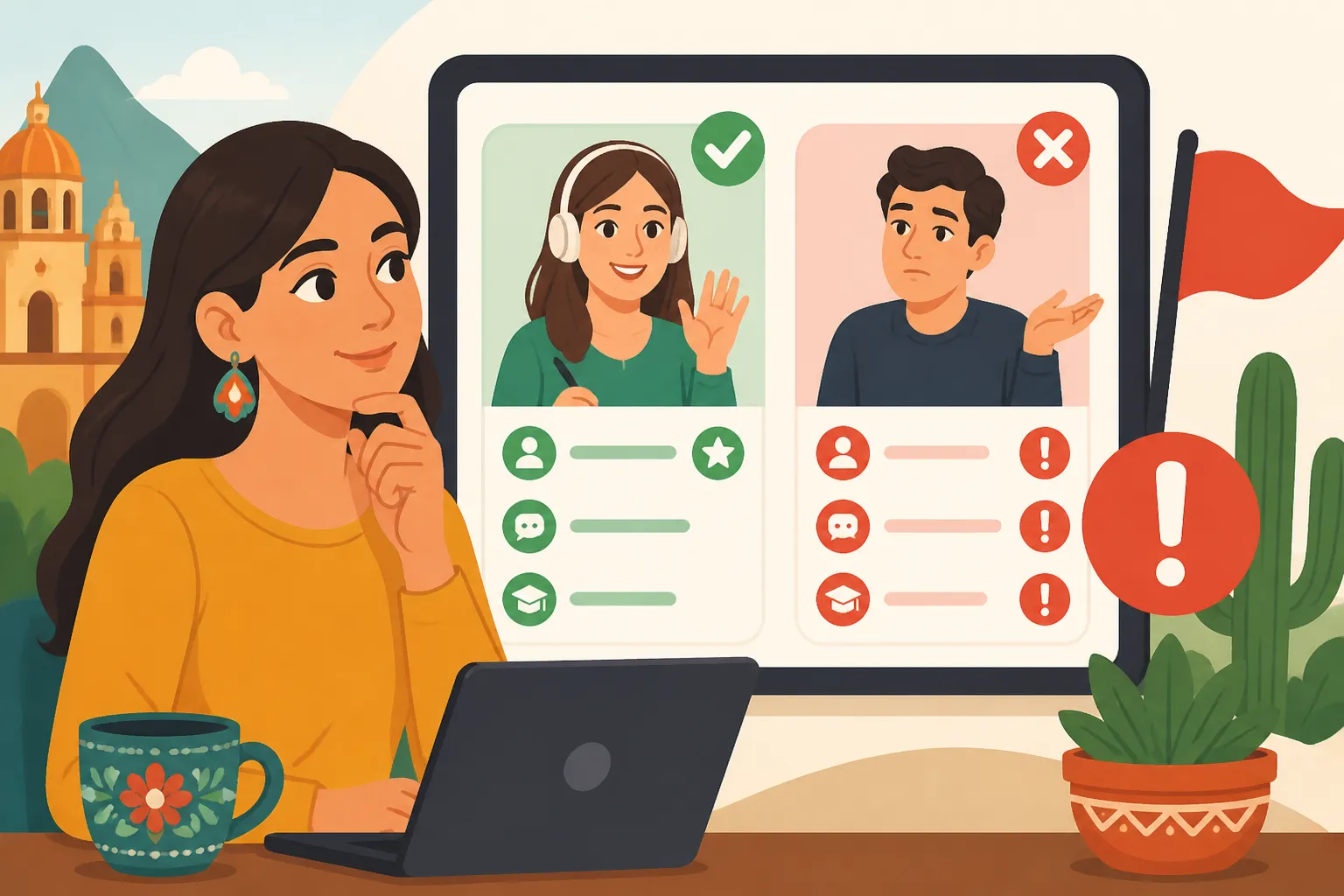
How to Choose a Spanish Tutor on iTalki: Screening Questions and Red Flags
One of the biggest hurdles we face when moving to Mexico, beyond the mountain of paperwork and the baffling grocery store aisles, is truly grasping the language. It’s not just about ordering tacos or asking for directions; it’s about connecting, understanding the culture on a deeper level, and navigating daily life without that constant knot of anxiety in your stomach. While full immersion is powerful, sometimes you need structured, personalized help to truly break through. This guide will walk you through how to choose the perfect Spanish tutor on iTalki, ensuring your language journey in Mexico is as smooth and effective as possible.
Disclosure: This post may contain affiliate links. We may earn a commission at no extra cost to you if you make a purchase through these links. Read full disclosure.
Why iTalki is a Game-Changer for Learning Spanish in Mexico
Let's be honest, learning a new language as an adult in a foreign country can feel incredibly daunting. You're constantly trying to keep up, decode nuances, and still manage everything else that comes with expat life. That's where a platform like iTalki truly shines, offering a flexible and highly personal approach to mastering Mexican Spanish.
The Expat Language Learning Struggle: Why Traditional Methods Fall Short
I remember those early days, trying to pick up Spanish from overhearing conversations, awkwardly pointing at menus, and hoping for the best. Classroom settings, while great for some, often don't fit the expat lifestyle. Our schedules are usually a bit chaotic, we're dealing with unexpected bureaucratic visits, or we might simply feel too drained after a day of navigating a new culture to commit to a fixed evening class. Plus, many traditional classes teach a very generic "Latin American Spanish," which often misses the specific quirks, slang, and cultural context of the dialect spoken right here in Mexico.
There's nothing quite like the feeling of someone patiently correcting your verb conjugation when all you really wanted to know was how to ask your landlord about a leaky faucet without getting completely flustered. We want practical, real-world Spanish, not just textbook phrases. And while locals are incredibly patient and often appreciate any effort, there's a limit to how much you can learn from polite smiles and nods.
The iTalki Advantage: Flexibility, Affordability, and Customization
This is precisely where iTalki swoops in as a superhero for expats. Imagine being able to schedule a 30-minute conversation lesson during your siesta break, or a more intensive grammar session right after the kids are in bed. That's the kind of flexibility we crave, and iTalki delivers. You can choose tutors who specialize in Mexican Spanish, who understand the nuances of the local culture, and who can help you practice everything from ordering street food to understanding local news.
Beyond just the convenience, the cost-effectiveness is a huge plus. Private, in-person lessons can get pricey, and group classes might not address your specific weaknesses. With iTalki, you're getting one-on-one attention at a fraction of the cost, often from tutors who are literally living and breathing the language you want to learn. This means you can tailor every single lesson to your needs, whether it's preparing for an INM Office Visits: What to Expect When Processing Your Visa in Mexico appointment, learning Pharmacy Spanish: Phrases to Help You Buy Medicine in Mexico, or just wanting to chat about the latest telenovela.
Decoding the iTalki Profile: What to Look For Beyond the Stars
When you first open iTalki, you're presented with a sea of friendly faces and star ratings. It can be overwhelming. Don't just pick the cheapest or the one with the most stars. Think of this as dating – you're looking for a good long-term match, not just a quick fling. You need to dig a little deeper into their profile to find someone who aligns with your learning style and goals as an expat in Mexico.
Teacher vs. Community Tutor: Understanding the Difference
This is a crucial distinction on iTalki. It's not just semantics; it genuinely affects the kind of learning experience you'll have.
- Professional Teachers: These tutors typically have formal teaching qualifications (like a TEFL for English, or a similar certification for Spanish) and often have experience in traditional classrooms. They are usually more structured, offering lesson plans, homework, and a clear progression through grammar points and vocabulary. If you're someone who thrives on structure, needs help understanding complex grammatical concepts, or wants to work through a specific curriculum, a professional teacher is probably your best bet. They are also often adept at explaining why something is said a certain way, breaking down rules that might seem arbitrary. For expats who need to tackle more formal aspects, like preparing for a job interview or understanding legal documents, their pedagogical approach can be invaluable.
- Community Tutors: These are native speakers who may not have formal teaching certifications but are enthusiastic about helping others learn their language. They often excel at conversational practice, cultural exchange, and more informal learning. If your goal is primarily to improve fluency, practice speaking, expand your vocabulary in a natural context, or just gain confidence chatting, a community tutor can be fantastic. They might be more flexible with unstructured conversation, focusing on spontaneous dialogue and correcting you as you go. For those of us living in Mexico, a community tutor can be a goldmine for picking up local idioms, slang, and understanding everyday life scenarios. They might not have a formal lesson plan, but they can simulate real-life interactions beautifully.
Here's a quick comparison:
| Feature | Professional Teacher | Community Tutor |
|---|---|---|
| Qualifications | Formal teaching certifications, pedagogical training | Native speaker, may not have formal teaching certs |
| Approach | Structured lessons, grammar focus, homework, curriculum-driven | Conversational, informal, cultural exchange, flexible |
| Best For | Beginners, grammar clarity, exam prep, structured learners | Intermediate/Advanced, fluency, confidence, cultural immersion |
| Expat Relevance | Understanding formal processes, precise language for official matters | Everyday chat, local slang, social interactions, rapid fluency gain |
| Cost | Generally higher per hour | Generally lower per hour |
Bio and Introduction Video: Your First Clues
Once you understand the difference, dive into their individual profiles. Don't just skim!
- The Written Bio: Look for details that go beyond "I love teaching." Does their methodology resonate with you? Do they mention specializing in Mexican Spanish? Do they have experience teaching expats or people living in Mexico? Someone who explicitly states they can help with phrases for the mercado or how to handle Dealing with Bureaucracy in Mexico: Tips for Handling Paperwork and Appointments will be far more beneficial than someone generic. Pay attention to their interests – if they love fútbol and you do too, that's an instant conversation starter and can make lessons feel less like work. Also, check their availability carefully. Does it align with your time zone and schedule in Mexico?
- The Introduction Video: This is perhaps the most important part of their profile. This isn't just about their English proficiency (though that can be a plus for beginners). It's about their energy, clarity of speech, and personality. Do they speak at a pace you can understand? Do they seem friendly and engaging? Can you hear their accent clearly? For Mexican Spanish specifically, listen for regional accents if that's important to you. If you're living in Oaxaca, a tutor from Mexico City might have a slightly different cadence or vocabulary, and while both are Mexican Spanish, local immersion can sometimes benefit from local tutors. Does their personality make you feel like you could spend an hour talking to them comfortably? Trust your gut feeling here.
Smart Screening Questions to Ask Potential Tutors
Once you've narrowed down a few promising candidates, don't hesitate to send them a message before booking a trial lesson. This pre-screening can save you time and money. Think of it as a brief interview to ensure they can meet your specific expat learning needs.
Gauging Teaching Style and Methodology
This is crucial for ensuring a good fit. Not every teacher's method will work for every student.
- "How do you typically structure a lesson for a student at my level?" This helps you understand if they prefer conversation, grammar drills, or a mix. As an expat, you might need more real-world application than someone just studying for a test.
- "Do you use a specific curriculum or textbook, or is your approach more flexible and adapted to individual student needs?" If you have a textbook you love, or if you prefer a completely free-flowing conversation, this is vital to know.
- "How do you usually correct errors during a conversation?" Some tutors interrupt frequently, others let you finish your thought and then provide corrections, and some take notes and review at the end. Find out what works best for your learning comfort. Too much interruption can be frustrating, especially when you're still building confidence speaking.
- "What kind of 'homework' or practice do you usually recommend between lessons?" This helps you see if they encourage independent study and how they structure continued learning. For many expats, the "homework" might simply be applying what you learned in your daily life, and a good tutor will understand that.
Focusing on Your Expat Needs: Practical Spanish
This is where you make it truly relevant to your life in Mexico. Don't be shy about your specific pain points!
- "I'm living in Mexico, and I'm particularly interested in learning local idioms, slang, and common phrases used in everyday conversations here. Is that something you can help with?" This filters for tutors who understand the mexicanismos that are so important for blending in.
- "Could we focus on practical scenarios related to expat life, such as going to the doctor, dealing with bureaucracy, or navigating local markets?" This immediately tells them your practical goals. Many expats find Overcoming Language Barriers at the Doctor: Tips for Expats to be a major source of stress, and a tutor can role-play these situations with you.
- "I want to improve my ability to understand fast-paced conversational Spanish. How do you help students with listening comprehension?" Mexican Spanish can be spoken quickly, and this is a common struggle.
- "Are you familiar with the specific vocabulary needed for Healthcare in Mexico: Complete Guide for Expats (Public vs Private) or for talking to mechanics/repair people?" These are common, specific expat needs that might not be in generic textbooks.
Technical and Scheduling Considerations
These practicalities can make or break your learning experience, especially when dealing with different time zones or internet reliability.
- "What's your typical availability, and how flexible are you with rescheduling if something urgent comes up (which often does in expat life!)?" Life happens, and you need a tutor who gets that.
- "What's your internet connection like? Do you usually have a stable connection for video calls?" There's nothing more frustrating than a choppy lesson!
- "What communication tools do you prefer outside of iTalki's classroom (e.g., WhatsApp for quick questions or material sharing)?" Many tutors are happy to connect on WhatsApp, which can be super helpful for quick clarification or sharing articles.
- "How do you prefer to receive feedback from students about the lessons?" This shows you value their teaching and helps ensure you get the best experience.
Red Flags to Watch Out For: Don't Waste Your Time or Money
Just like any online platform, iTalki has its share of less-than-ideal tutors. Knowing what warning signs to look for can save you a lot of frustration and ensure your learning journey remains positive and productive.
Generic Profiles and Lack of Specificity
If a tutor's profile feels like it could apply to anyone learning any language, that's a red flag. Look for these signs:
- Vague or Boilerplate Descriptions: Phrases like "I love teaching!" or "I can help you achieve your goals!" without any specifics about how they do it, what their method is, or who they specialize in teaching. You want someone who has thought about their approach.
- No Mention of Target Audience: If they don't mention working with beginners, intermediate students, or specifically with expats/adults, they might not be equipped for your particular needs. Teaching children is very different from teaching an adult trying to navigate real-life situations in a new country.
- Missing or Poor Introduction Video: We talked about how important this is. If it's missing, of low quality, or just them reading text off a screen, it's a sign they haven't put much effort into their professional presentation. You deserve someone who takes their role seriously.
Unresponsive or Unprofessional Communication
The way a tutor communicates before you even book a lesson is a strong indicator of their professionalism and reliability.
- Slow or No Response to Initial Messages: If they take days to respond to a simple inquiry, imagine how challenging it might be to schedule or reschedule a lesson. Our time as expats is often precious, juggling new routines and potential visa appointments; you don't need additional communication stress.
- Grammar or Spelling Errors in Their Profile/Messages: While everyone makes mistakes, a professional language teacher should demonstrate a high level of proficiency in the languages they offer, especially in their own profile text. If their English (if they claim to speak it) or their Spanish is riddled with errors, it might reflect poorly on their attention to detail.
- Lack of Enthusiasm or Engagement: Their responses should feel personal and engaged, not like copy-pasted replies. You want someone who is genuinely excited to help you learn and connects with your goals.
Over-reliance on English or Other Languages
While some English can be helpful for absolute beginners to clarify complex concepts, an over-reliance on it can hinder your immersion and progress, especially if you're living in Mexico.
- Tutors Who Immediately Switch to English: If they respond to your Spanish message in English without prompting, or if they suggest doing the entire trial lesson in English despite your stated goal of learning Spanish, be wary. The goal is to speak more Spanish, not less.
- Tutors Who Don't Encourage Spanish Use: A good tutor will push you gently to use Spanish, even if it's difficult. If they let you fall back on English constantly, you won't progress as quickly as you could. Remember, you're looking for someone to help you live your life in Spanish in Mexico.
Inconsistent Reviews or Very Few Reviews
Reviews are valuable, but they need to be read critically.
- Only a Few Reviews: A brand new tutor might be excellent, but if they only have two reviews and they're both from months ago, you don't have enough data. Aim for tutors with a decent number of recent reviews that reflect consistent positive experiences.
- Very Generic Reviews: If all the reviews say "Good teacher!" but offer no specifics, it's not as helpful as reviews detailing why they were a good teacher (e.g., "Helped me with business Spanish," "Great for improving conversational flow").
- Inconsistent Star Ratings: If a tutor has mostly 5-star reviews but a scattering of 3-star or lower ratings without clear explanations, it's worth investigating. Some students leave negative feedback for personal reasons, but a pattern can indicate issues.
- Reviews from Non-Expat Students: While any good review is positive, if you're an expat in Mexico, prioritize tutors with reviews from students who also live abroad or are learning for similar practical reasons. Their feedback will be more relevant to your situation.
Maximizing Your iTalki Trial Lessons (and Beyond!)
You've done your homework, screened a few candidates, and now it's time for the actual trial lessons. These are inexpensive opportunities to really test the waters and see if a tutor is the right fit. Don't waste them!
Treat Trial Lessons as Interviews
Approach your trial lessons with a clear purpose. You're not just taking a freebie; you're assessing a potential long-term partner in your language journey.
- Preparation is Key: Before the trial lesson, jot down your specific goals. Why are you learning Spanish? What are your biggest challenges? What kind of topics do you want to discuss? For an expat, this might involve Living in Mexico with Limited Spanish: Survival Tips for Language Barriers or questions about Mexican Etiquette and Customs: Do's and Don'ts for New Expats. Share these goals upfront with the tutor.
- Observe Their Engagement: Does the tutor listen actively? Do they ask follow-up questions about your goals? Do they adapt the lesson on the fly if they see something isn't working for you? A good tutor is flexible and responsive.
- Gauge Their Feedback Style: How do they correct you? Is it constructive? Is it encouraging? Do they provide new vocabulary or phrases that are genuinely useful for your life in Mexico? You want corrections that help you improve, not just make you feel self-conscious.
- Assess the "Vibe": This is subjective but crucial. Do you feel comfortable making mistakes? Is the atmosphere relaxed? Learning a language requires vulnerability, and you need a tutor who fosters a safe space for that. If you're stressed or bored, you won't learn effectively.
Communication is Key: Give and Receive Feedback
The relationship with your iTalki tutor is a two-way street. Once you've chosen someone, ongoing communication is vital for success.
- Be Honest About What Works: If you prefer more conversation and less grammar, tell them. If you want to focus on a particular aspect of Mexican culture or a specific real-life scenario, speak up. Your tutor can't read your mind, and they want to help you get the most out of your lessons. For example, if you find yourself struggling with Calling an Ambulance in Mexico: How Emergency Services Operate vocabulary, ask to dedicate a session to it.
- Don't Be Afraid to Share Challenges: If you're feeling stuck, or if a particular method isn't clicking, let them know. A good tutor will adjust their approach to better suit your needs. Remember, the goal is your progress.
- Provide Post-Lesson Feedback: iTalki allows you to leave private feedback for your tutor. Use this constructively. It helps them improve, and it helps ensure your future lessons are even better tailored.
Don't Be Afraid to Try Multiple Tutors
This is so important! It’s not uncommon for expats to try 3-5 different tutors before finding their perfect match on iTalki. Don't feel guilty about it. Think of it as investing in your integration and happiness in Mexico. Each tutor offers a unique perspective and teaching style, and what works for one person might not work for another.
Maybe you find one tutor is fantastic for structured grammar lessons, while another is your go-to for casual conversation practice, helping you to understand the local gossip or the nuances of Mexican Spanish: Slang and Expressions for Visitors. There’s no rule that says you have to stick with just one! Your primary goal here is effective communication and confidence, and if a different tutor helps you achieve that, then that's the right choice for you. After all, your time and effort in becoming fluent are invaluable as you build your life here. Learning Spanish in Mexico: Top Tips and Resources for Expats can really make a difference.
Disclaimer
This article is for general informational purposes only and does not constitute professional advice. Laws, prices and regulations vary by location and change over time. Consult a qualified professional for guidance on your specific situation.