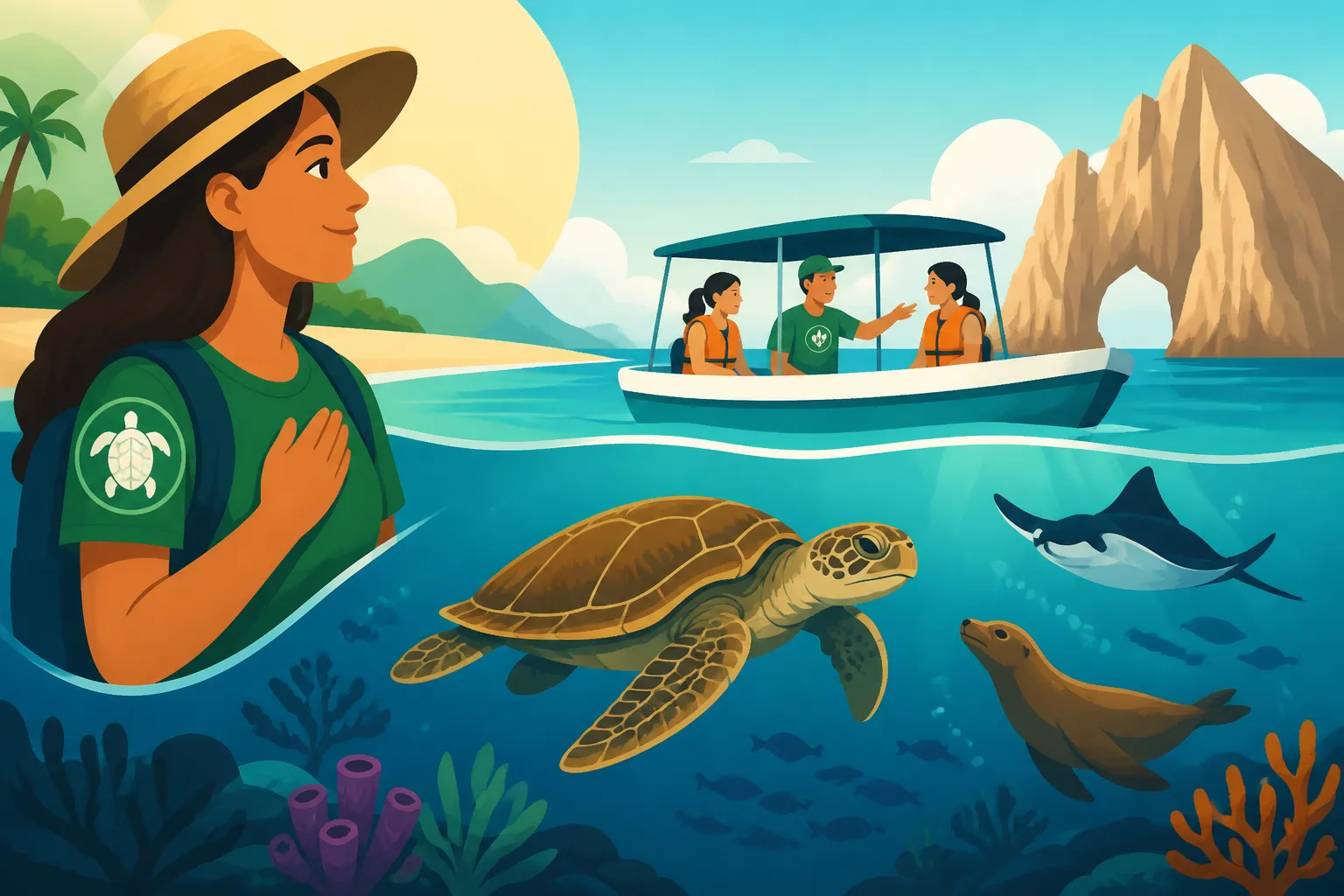
Sea Turtle and Marine Wildlife Tours: Ethical Operators and Booking
The ocean is a magical, mysterious place, and for many of us, the dream of swimming alongside a sea turtle, witnessing a whale breach, or simply being close to vibrant marine life in Mexico is a huge draw. But with that awe comes a deep responsibility. It’s easy to get caught up in the excitement and inadvertently contribute to practices that harm these incredible creatures. This guide will walk you through how to find and book ethical sea turtle and marine wildlife tours, ensuring your unforgettable experience doesn't come at the cost of the very animals you cherish.
Disclosure: This post may contain affiliate links. We may earn a commission at no extra cost to you if you make a purchase through these links. Read full disclosure.
The Magic and the Responsibility: Why Ethical Marine Tours Matter
When I first moved to Mexico, I was utterly captivated by the natural beauty, especially the ocean. I dove headfirst into booking every "eco-tour" I could find, only to realize later that not all operators live up to the "eco" in their name. It's a tough lesson to learn, feeling like you've unknowingly supported something detrimental, but it's a critical one for anyone wanting to truly appreciate Mexico's incredible marine biodiversity.
The truth is, irresponsible tourism can have devastating impacts. Imagine dozens of boats chasing a single whale, swimmers surrounding a turtle to the point of distress, or tour guides feeding wild animals to guarantee a sighting. These actions disrupt natural behaviors, cause stress, and can even lead to injury or death. Sea turtles, in particular, are already facing immense challenges from habitat loss, pollution, and climate change. Our choices as tourists can either exacerbate these problems or contribute to their protection.
Ethical marine tours, on the other hand, are designed to minimize disturbance and promote conservation. They prioritize the well-being of the animals, follow strict guidelines, and often contribute directly to local conservation efforts. When you choose an ethical operator, you're not just buying a tour; you're investing in a future where these creatures can thrive. It's about respecting their home and being a silent observer, allowing them to carry on their lives with minimal human interference. It's a more profound experience, knowing you're part of the solution, not the problem.
Understanding the Impact of Unregulated Tourism
It’s easy to be swayed by cheap prices or guaranteed sightings, but these often come at a hidden cost to the environment. Many times, operators cutting corners might not have proper permits, might overload their boats, or might not train their staff in responsible wildlife interaction protocols. I've seen tours where guides allow people to touch coral, harass dolphins, or stand on turtle nesting beaches without care. These seemingly small actions accumulate. The constant stress of human interaction can alter feeding patterns, breeding habits, and even migration routes.
For example, too much light pollution from coastal developments and tour boats can disorient nesting sea turtles and their hatchlings, leading them away from the ocean and into danger. Noise from engines can interfere with marine mammals' communication and navigation. Chemicals from sunscreens can harm delicate coral reefs and marine ecosystems. This isn't just about feeling good about your vacation; it's about making a tangible difference for the fragile underwater world that makes Mexico so special. That's why platforms like Viator are so valuable; they often work with operators who understand these risks and actively mitigate them.
Conservation Efforts and How Your Tour Helps
Choosing ethical operators means you're often supporting businesses that are actively involved in marine conservation. Many work hand-in-hand with local scientists, non-profits, and governmental agencies to monitor populations, protect nesting sites, and educate the public. Your tour fee can directly fund vital research, beach cleanups, anti-poaching patrols, and educational programs for local communities and future generations.
In places like the Riviera Maya, where sea turtle nesting is prevalent, or the Baja California Peninsula, known for its incredible whale migrations, responsible operators are on the front lines. They'll tell you about the local initiatives, explain why certain rules exist (like maintaining a specific distance from animals or not using flash photography), and make you feel like an integral part of the conservation story. It’s a truly enriching experience that goes beyond a simple photo opportunity. When you book through reputable platforms like Viator, you can often find information about the conservation initiatives that specific tour operators support, giving you an added layer of confidence in your choice.
Top Destinations for Marine Wildlife Encounters in Mexico
Mexico offers an astonishing array of marine wildlife experiences, from the gentle giants of the Pacific to the vibrant coral reefs of the Caribbean. Each region provides unique opportunities to connect with the underwater world, and knowing where to go can help you tailor your ethical adventure. For a more general overview of Mexico's diverse coastlines, check out this guide on Beaches and Coastal Mexico: Caribbean and Pacific.
Pacific Coast: Whales, Dolphins, and More
The Pacific coast of Mexico, particularly the Baja California Peninsula, is world-renowned for its incredible whale watching opportunities. From December to April, majestic gray whales migrate to the warm, shallow lagoons of Baja, such as Laguna San Ignacio and Bahía Magdalena, to breed and calve. It's an unparalleled experience to see these gentle giants up close, often interacting playfully with boats. These are often the same areas mentioned in broader discussions about Whale Watching and Marine Wildlife in Mexico.
Further south, destinations like Puerto Vallarta and Sayulita on the Riviera Nayarit are also excellent for humpback whale watching during the winter months. Beyond whales, you can encounter playful dolphins, sea lions basking on rocky outcrops, and a diverse range of fish while Snorkeling and Diving on Mexico's Coasts. Always seek out operators who prioritize the animals' space and follow established viewing protocols. Many reliable tour providers offering these experiences can be found and booked through Viator, which often highlights their commitment to ethical practices.
Caribbean Coast: Sea Turtles and Reef Life
Mexico's Caribbean coast, particularly the Yucatán Peninsula, is a haven for sea turtles and boasts vibrant coral reefs teeming with marine life. Places like Akumal, Tulum, and Isla Mujeres are famous for their resident sea turtle populations. You can often swim with green sea turtles and loggerheads in their natural habitats. However, precisely because these areas are so popular, it's absolutely crucial to choose an operator that emphasizes non-intrusive viewing. Over-tourism can be particularly damaging here, as detailed in discussions about The Riviera Maya: Cancún, Playa del Carmen, and Tulum.
Beyond turtles, the Mesoamerican Barrier Reef system, the second-largest in the world, offers spectacular snorkeling and diving with colorful fish, rays, and sometimes even harmless nurse sharks. Remember to be mindful of sunscreens, avoid touching coral, and always keep a respectful distance from all marine life. When planning your trip, consider that seasonal changes, as outlined in When Is the Best Time of Year to Visit Mexico?, can affect both wildlife sightings and ocean conditions. You'll find many reputable operators dedicated to conservation, especially for sea turtle encounters, listed on Viator, making it easier to compare options that align with ethical standards.
Spotting the Good Guys: How to Choose Ethical Tour Operators
Navigating the sea of tour operators can feel overwhelming, especially when you're genuinely trying to do the right thing. I’ve been there, staring at a dozen kiosks in a busy tourist town, wondering who I could really trust. The key is to look beyond the flashy brochures and dig a little deeper into their practices. This is where platforms like Viator can be incredibly helpful, as they often provide detailed descriptions, customer reviews, and sometimes even specific badges or certifications for eco-friendly tours.
Key Indicators of an Ethical Operator
An ethical marine tour operator will always put the welfare of the animals and the health of the ecosystem first. They won't promise guaranteed sightings of wild animals, because nature is unpredictable, and forcing an encounter is inherently unethical. Instead, they'll focus on providing an educational and respectful experience. Look for these crucial indicators:
- Small Group Sizes: Fewer people mean less disturbance and a more personal experience. Overcrowding boats is a major red flag.
- Respectful Distance: They should strictly adhere to guidelines for keeping a safe distance from marine animals, never chasing or cornering them.
- No Touching or Feeding: This is non-negotiable. Wild animals should never be touched or fed by humans.
- Educational Briefings: A good operator will provide a thorough briefing on marine life, local ecosystem, and strict rules for interaction before you even get in the water.
- Experienced and Knowledgeable Guides: Guides should be trained in marine biology or conservation, speaking both English and Spanish, and able to answer your questions genuinely. Look for official certifications.
- Conservation Contributions: Do they mention supporting local conservation projects or adhering to international best practices?
- Proper Equipment: Snorkels, fins, and life vests should be well-maintained. Ethical tours often provide reef-safe sunscreen.
- Positive Reviews Focusing on Ethics: When checking reviews on platforms like Viator, pay attention to comments about how the guides handled wildlife encounters and their commitment to conservation, not just the fun factor.
When you're browsing on Viator, take the time to read the full tour description and check out the "What to Expect" section. Look for phrases that explicitly mention conservation, small groups, and respecting wildlife. This due diligence is your superpower in ensuring a responsible tour.
Questions to Ask Before Booking Your Tour
Before you hand over your hard-earned pesos, don't be shy about asking direct questions. A truly ethical operator will be happy to answer them transparently. If they seem hesitant or give vague answers, it’s a sign to walk away.
Here’s a handy checklist of questions to ask:
| Question | Why It Matters |
|---|---|
| What is your policy on approaching wildlife? | Ensures they follow established guidelines (e.g., specific distances, engine off). |
| What is the maximum group size for this tour? | Smaller groups minimize disturbance and enhance the experience. |
| Are your guides certified in marine biology or conservation? | Indicates expertise and commitment to educating guests responsibly. |
| Do you contribute to any local conservation projects? | Shows active involvement in protecting the environment. |
| Do you have an environmental policy or code of conduct? | Demonstrates a structured approach to responsible tourism. |
| What happens if we don't see any animals? | Ethical operators won't guarantee sightings and will manage expectations realistically. |
| Do you provide reef-safe sunscreen? | Important for protecting coral reefs from harmful chemicals. |
| How do you manage waste on your boat? | Ensures they don't pollute the ocean during the tour. |
Remember, your questions hold power. They signal to operators that tourists care about ethical practices, which in turn encourages more sustainable tourism throughout Mexico. When you utilize platforms like Viator, you often have a question-and-answer section or direct contact options with the tour provider to get these critical details before committing.
Booking Your Ethical Adventure: Tips for a Seamless Experience
Once you've done your homework and identified potential ethical operators, the next step is to book your tour and prepare for an incredible experience. This part should be exciting, not stressful! Using reliable booking platforms like Viator can streamline the process, allowing you to easily compare options, read reviews, and secure your spot with confidence.
Using Platforms like Viator for Ethical Bookings
I often tell fellow expats and visitors to start their search on well-established platforms. While local recommendations are gold, online platforms offer transparency and a wide range of choices, allowing you to compare ethical certifications and read real traveler reviews. Viator, for example, is fantastic for this because it aggregates numerous local tours and often highlights operators committed to sustainable tourism. You can filter by activity, read detailed itineraries, and see what past customers have to say about their experiences, including how well the guides adhered to ethical guidelines.
Many of the top-rated ethical operators in Mexico, whether they focus on whale watching off the coast of Baja or sea turtle encounters near Tulum, will have their offerings listed on Viator. This makes it easier to find and book with confidence, knowing there's a layer of accountability. Plus, the convenience of online booking, often with flexible cancellation policies, means you can plan your adventure without unnecessary stress. Don't hesitate to use Viator to explore the incredible marine experiences Mexico has to offer, and always cross-reference with the ethical indicators we discussed earlier.
Preparing for Your Marine Wildlife Tour
You’ve booked your tour, you’re excited, now what? A little preparation can go a long way in making your experience smooth and enjoyable, both for you and for the marine life you're there to appreciate.
- Sun Protection: Mexico’s sun is intense! Bring a hat, sunglasses, and a long-sleeved rash guard. Most importantly, use only reef-safe sunscreen. Traditional sunscreens contain chemicals like oxybenzone and octinoxate that are highly damaging to coral reefs and marine life. If your tour doesn't provide it, buy it beforehand.
- Hydration: Bring a reusable water bottle. Many tour operators will have water available to refill. Staying hydrated is key, especially when spending time on the water.
- Camera Gear: Bring waterproof cameras or phone cases, but be mindful of flashes. Many tours prohibit flash photography when close to wildlife, especially sea turtles, as it can disorient and distress them.
- Motion Sickness: If you’re prone to seasickness, consider taking preventative measures before the tour.
- Respectful Attire: While it's tempting to strip down to your swim gear, remember you'll likely be interacting with local communities before and after the marine activity. Pack appropriate cover-ups.
- Leave No Trace: Ensure everything you bring onto the boat comes back with you. Avoid single-use plastics wherever possible.
By following these tips and choosing a tour thoughtfully, you’re not just having a great time; you’re being a responsible visitor. Your actions contribute to the preservation of Mexico's natural wonders, ensuring that future generations can also marvel at the beauty of its sea turtles and marine wildlife. For general travel tips that will help with any trip planning in Mexico, you might want to read our article on Staying Safe in Mexico: Practical Tips for Travelers or consider the best ways to manage your Money for Travel in Mexico: Cash, Cards, and ATMs.
Disclaimer
This article is for general informational purposes only and does not constitute professional advice. Laws, prices and regulations vary by location and change over time. Consult a qualified professional for guidance on your specific situation.