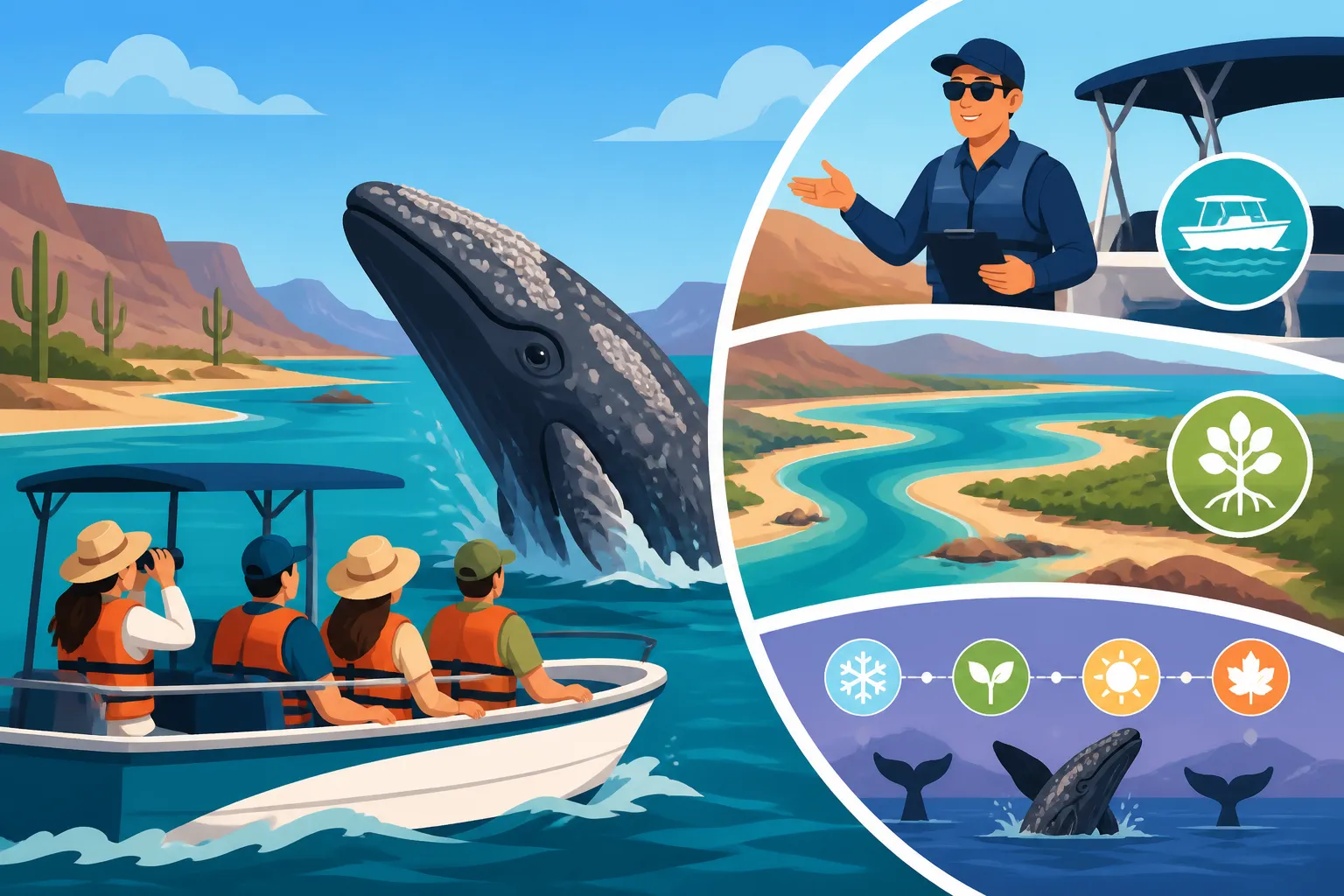
Booking a Baja Whale Watching Trip: Operators, Lagoons, and Season Windows
Oh, the sheer magic of a Baja whale watching trip! If you're anything like I was when I first started exploring Mexico, the idea of getting up close with these magnificent creatures sounds like a dream. But then reality hits: which lagoon? Which operator? When exactly is the best time? It can feel like navigating a sea of information, and you just want to know you're making the right choice for that once-in-a-lifetime encounter. Don't worry, my friend, this guide is here to cut through the noise and help you confidently book the Baja whale watching trip you've always imagined.
Disclosure: This post may contain affiliate links. We may earn a commission at no extra cost to you if you make a purchase through these links. Read full disclosure.
Why Baja California is the Premier Spot for Whale Watching
If you've heard whispers about Baja being the place to see whales, believe them. This slender peninsula of Mexico, stretching into the Pacific Ocean and cradling the Sea of Cortez, isn't just a pretty face with stunning deserts meeting azure waters. It's a critical maternity ward and nursery for some of the ocean's most incredible residents, making it a truly unparalleled destination for marine enthusiasts.
The Majestic Gray Whales and Their Annual Migration
The stars of the show in Baja are undoubtedly the Eastern Pacific gray whales. These incredible giants undertake one of the longest mammal migrations on Earth, journeying thousands of miles from their feeding grounds in the frigid Arctic waters of Alaska and the Bering Sea all the way down to the warmer, nutrient-rich lagoons of Baja California Sur. It's a grueling trip, but they do it for one vital reason: to give birth and nurse their calves in sheltered, predator-free waters.
From late December through April, these coastal lagoons become bustling nurseries. What makes Baja truly special is the phenomenon of "friendly whales" – calves, and sometimes their mothers, who actively seek out human interaction, swimming right up to the small panga boats to be petted and observed. It's an experience that can move even the most seasoned traveler to tears. The sheer size of these creatures, combined with their gentle curiosity, creates an emotional connection that words can barely describe. Imagine a baby whale, no older than a few weeks, lifting its head out of the water to look you in the eye, its rough, barnacle-encrusted skin within arm's reach. It's truly humbling.
Other Marine Life You Might Encounter
While the gray whales steal the spotlight, a whale watching trip in Baja offers a treasure trove of other marine encounters. The waters here are teeming with life, and you never know what surprises the ocean might have in store.
You'll almost certainly spot various species of dolphins, often leaping and playing in the boat's wake. Sea lions are also common, lounging on rocks or zipping through the water with effortless grace. Depending on the specific region you visit, and especially if you venture into the Sea of Cortez or farther offshore, you might even have a chance to glimpse other magnificent cetaceans. Humpback whales, known for their acrobatic breaches and haunting songs, are present in the Sea of Cortez, particularly around areas like La Paz and Los Cabos. Blue whales, the largest animals on Earth, are also known to frequent these waters. Beyond the big marine mammals, keep an eye out for diverse birdlife, including pelicans, cormorants, and various shorebirds, especially in the mangrove ecosystems surrounding the lagoons. It's a full-spectrum wildlife experience, not just a one-whale show. If you're keen on exploring more of the region's natural wonders, consider diving into a guide on the Baja California: Beaches, Wine, and Whale Watching as there’s so much more to see and do.
Best Lagoons for Intimate Encounters
When it comes to whale watching in Baja, not all lagoons are created equal. Each offers a slightly different experience, from remote, raw nature to more accessible, established tour hubs. Understanding these distinctions is key to choosing the right adventure for you.
Laguna Ojo de Liebre (Scammon's Lagoon)
Laguna Ojo de Liebre, also famously known as Scammon's Lagoon (named after the whaler who discovered it in the 19th century, ironically), is a true marvel. It's the largest gray whale nursery in the world, a vast protected area on the Pacific coast of Baja California Sur. This lagoon is legendary for its "friendly" whales, which have been interacting with humans for decades. The remoteness of Ojo de Liebre adds to its mystique; getting there often involves a flight to Guerrero Negro and then a drive, or a multi-day expedition.
The sheer volume of whales here during peak season is astounding. Imagine hundreds of mothers and calves, often side-by-side, gliding through the serene waters. Due to its protected status and the sheer number of whales, tours here are highly regulated, typically conducted in small pangas (open boats) that offer incredibly close, personal encounters. The facilities around Ojo de Liebre are generally rustic, emphasizing a connection to nature rather than luxury. It's an ideal choice for those seeking a truly immersive, off-the-beaten-path experience where the whales are the undisputed stars.
Laguna San Ignacio
Laguna San Ignacio holds a special place in the hearts of many whale enthusiasts. It's one of the last undeveloped whale breeding and calving lagoons on the Baja California peninsula, a UNESCO World Heritage site and a designated biosphere reserve. This lagoon is renowned for its community-based ecotourism, with local families operating sustainable camps and tours that directly benefit the communities. The emphasis here is strongly on conservation and responsible tourism.
Like Ojo de Liebre, San Ignacio is famous for its "friendly" whales. The interactions are often described as profound and deeply moving, facilitated by local guides who have grown up with the whales. Access to San Ignacio can be a bit challenging, often requiring a long drive from major cities like La Paz or Loreto, or a charter flight, adding to its untouched feel. Visitors typically stay in tented camps on the lagoon's edge, offering a rustic yet comfortable immersion into the environment. It's perfect for those who prioritize ethical tourism, intimate experiences, and supporting local conservation efforts.
Bahía Magdalena
Bahía Magdalena (Magdalena Bay) offers a slightly different vibe and often more accessible options, particularly for those with less time or a tighter budget. This large bay system, consisting of numerous islands, sand dunes, and mangrove channels, is also a vital winter home for gray whales, though generally less known for the sheer density of "friendly" interactions compared to the more remote lagoons. However, it still offers fantastic opportunities for close encounters, especially during the peak of the calving season.
Magdalena Bay is easier to reach, with closer proximity to towns like Puerto San Carlos and López Mateos, which are more readily accessible by road from La Paz or Loreto. This means you can often do day trips from larger cities or stay in more conventional accommodations. The diverse ecosystem of the bay also means you'll see more than just whales; the mangrove channels are a birdwatcher's paradise, and sea lions are often spotted. Tours vary, from basic pangas to more comprehensive expeditions that explore the bay's islands. For those looking for a solid whale watching experience without committing to a remote, multi-day expedition, Bahía Magdalena is an excellent choice.
Here's a quick comparison of these incredible lagoons:
| Lagoon Name | Accessibility & Infrastructure | Type of Whale Encounter | Atmosphere & Focus | Recommended For |
|---|---|---|---|---|
| Laguna Ojo de Liebre | Remote, typically involves flight to Guerrero Negro, rustic camps. | High chance of "friendly" whale interaction (calves). | Raw, wild, focused solely on whales. | Deep immersion, abundant whales, off-the-beaten-path. |
| Laguna San Ignacio | Remote, long drive or charter flight, eco-camps. | High chance of "friendly" whale interaction (calves). | Sustainable ecotourism, community-led, conservation focus. | Ethical travelers, intimate encounters, supporting locals. |
| Bahía Magdalena | More accessible from La Paz, closer towns, varied accommodation. | Good chance of close encounters, varied marine life. | Diverse ecosystem, options for day trips or multi-day stays. | Easier access, varied wildlife, more flexible travel plans. |
Understanding the Whale Watching Season in Baja
Timing, my friends, is everything when it comes to whale watching. You don't want to fly all the way to Baja only to find the whales are still on their way down or have already packed up for the Arctic. Knowing the season windows is crucial for maximizing your chances of an unforgettable encounter.
Peak Times for Gray Whale Sightings
The gray whale season in Baja California generally runs from December to April. However, within this window, there are definite peak times that offer the best opportunities for sightings and, more importantly, for those coveted "friendly" interactions.
- Early Season (December – January): The first whales begin arriving in late December. These are usually the pregnant females, eager to find a safe, warm spot to calve. Sightings are good, but the calves are very young and often less interactive. It's a great time if you want to see the migration truly beginning, but perhaps not for the most "friendly" experiences.
- Peak Season (February – March): This is the sweet spot! By February, most whales have arrived, and the lagoons are teeming with newborn calves and their protective mothers. The calves are a bit older, more curious, and more likely to approach the boats. The weather is typically fantastic – warm, sunny days with calm waters. This is when those legendary friendly encounters are most common. If you have flexibility, aim for these months.
- Late Season (April): As April progresses, the whales begin their northward migration back to the Arctic. You'll still see whales, especially the remaining mothers and calves building up strength for the journey, but numbers start to dwindle. It can still be a good time, but it's not as guaranteed as the peak.
Keep in mind that Mother Nature doesn't read calendars, so these are general guidelines. Factors like ocean currents and food availability can cause slight variations year to year.
Weather Considerations and Best Conditions
Baja California enjoys a generally pleasant climate, especially during the winter months, which conveniently align with whale season. Expect clear, sunny days, which are perfect for spotting whales from a distance and enjoying your time on the water.
- Temperatures: Daytime temperatures in the lagoons are usually mild to warm, ranging from the low 70s to low 80s Fahrenheit (20-28°C). However, mornings and evenings can be quite cool, especially on the water, so layering is essential.
- Water Conditions: Calm seas are ideal for whale watching. Not only does it make for a more comfortable boat ride (less seasickness!), but calm water makes it much easier to spot whales and their blows. The lagoons themselves are generally sheltered, so rough seas are less of an issue within the bays than in the open ocean.
- Sun Protection: Even in winter, the Baja sun is intense. Sunscreen, a wide-brimmed hat, and sunglasses are non-negotiable. Reflection off the water can double your sun exposure.
Always check the local forecast for your specific lagoon closer to your travel dates, but generally, you're in for some beautiful weather during whale season. If you're planning more travel across the country, check out our guide to When Is the Best Time of Year to Visit Mexico?.
Planning Around Local Holidays and Crowds
While Baja isn't typically as crowded as some of Mexico's bigger tourist destinations, certain holidays can impact availability and prices, especially for something as popular as whale watching.
- Christmas and New Year's: The end of December and early January coincides with the beginning of whale season and major holiday travel. Operators and accommodations around the lagoons will be busier, and prices might be higher. If you plan to travel during this time, book well in advance.
- Semana Santa (Easter Week): This is Mexico's biggest holiday period, typically falling in late March or April. Many Mexicans travel during Semana Santa, and while the lagoons aren't primary beach destinations, access roads and domestic flights can be crowded. Again, early booking is key if your trip overlaps with this.
- Off-Peak Within the Season: If you want to avoid crowds, aim for late January, early February, or late March outside of any holiday weekends. You'll still hit prime whale activity but with fewer people.
The beauty of Baja's whale watching is that even during busier times, the tours are often limited to small groups on pangas, so you'll rarely feel overwhelmed by crowds once you're on the water with the whales. The biggest challenge is securing your spot!
Choosing the Right Whale Watching Operator and Tour
Okay, you've decided on your lagoon and pinned down your dates. Now comes the exciting (and sometimes daunting) part: picking the actual tour. This is where your choices can truly make or break your experience, and it's also where a trusted platform like Viator really shines.
Types of Tours Available
Whale watching trips in Baja come in various shapes and sizes, catering to different preferences and budgets.
- Day Trips from Nearby Towns: These are often the most accessible. You'll base yourself in a town like Puerto San Carlos (for Bahía Magdalena) or Guerrero Negro (for Ojo de Liebre), and head out for a few hours on the water. These are great if you're looking for a taste of the experience without committing to overnight stays in remote camps. They usually involve transport to the lagoon, a couple of hours on the boat, and then return.
- Multi-Day Expeditions with Lagoon Stays: For a truly immersive experience, many operators offer multi-day packages that include transport, rustic camp accommodation right on the lagoon's edge, all meals, and multiple whale watching excursions. These are particularly popular for Laguna San Ignacio and Ojo de Liebre. Staying overnight allows you to experience the tranquil beauty of the lagoon at sunrise and sunset, often with the sounds of whales breathing nearby. It’s an unforgettable way to connect with nature.
- Small Panga Boats vs. Larger Vessels: In the lagoons, the primary mode of transport is the panga, a small, open fiberglass boat, typically seating 6-12 passengers. These are essential for getting close to the whales and facilitating those friendly interactions. Outside the lagoons, in open ocean areas like Los Cabos or La Paz, you might find larger catamaran-style boats that offer more amenities but don't allow for the same intimate closeness as pangas. For the classic "friendly whale" experience in the calving lagoons, a panga is what you want.
Key Factors When Selecting an Operator
Choosing a reputable operator is paramount. You're entrusting them with your safety, your money, and, most importantly, the well-being of the whales. Here's what to look for:
- Safety and Experience: Ensure the operator has a strong safety record, experienced captains, and well-maintained boats. They should provide life vests and clear safety briefings.
- Ethical Practices and Whale-Friendly Tours: This is non-negotiable. A good operator will adhere strictly to government regulations regarding whale proximity, speed limits, and not pursuing or harassing the whales. They understand that the whales initiate the interaction. Ask about their commitment to conservation and responsible tourism. This not only protects the whales but also ensures a more authentic and respectful experience for you.
- Group Size: Smaller groups on pangas usually translate to a more personal experience. You'll have better views and more opportunities for interaction.
- Language Capabilities: Many operators catering to international tourists will have English-speaking guides. This is a huge plus, as they can share valuable insights about whale behavior and the local ecosystem.
- Reviews and Recommendations: Always check reviews from previous travelers. Platforms with verified reviews are incredibly helpful for gauging the quality and ethics of an operator. This is precisely where a platform like Viator provides immense value.
Finding an operator that ticks all these boxes can feel like a deep dive into research. There are many small, local outfits, and while they can be wonderful, vetting them from afar can be tricky. This is where using a trusted booking platform becomes incredibly helpful.
Booking Through Trusted Platforms Like Viator
Navigating the myriad of local tour operators, especially in remote areas, can be overwhelming. This is where Viator comes in as your ultimate travel companion for booking your Baja whale watching trip.
Viator acts as a centralized marketplace, bringing together a vast selection of vetted, reputable tour operators. Instead of sifting through countless individual websites or relying on word-of-mouth recommendations alone, you can find a diverse range of options all in one place. Whether you're dreaming of an intimate day trip from Puerto San Carlos or a multi-day eco-camp adventure in Laguna San Ignacio, Viator has options to suit every style and budget.
Here’s why I recommend using Viator for this kind of specialized experience:
- Wide Selection: Viator partners with numerous local operators, giving you plenty of choices for different lagoons, tour durations, and price points. You can easily compare what's on offer.
- Verified Reviews: The platform features extensive customer reviews and ratings, which are invaluable for discerning the quality, safety, and ethical standards of operators. You can read real experiences from fellow travelers, helping you make an informed decision and feel confident in your booking.
- Secure and Easy Booking: Booking through Viator is straightforward and secure. You can confirm your spot with just a few clicks, often with flexible cancellation policies, which is a huge plus for travel planning.
- Customer Support: Should you have any questions or encounter any issues, Viator provides customer support, giving you peace of mind that you're not left alone to deal with a remote local operator if something goes wrong.
- Transparency: Details about what's included, what to expect, and often the ethical practices of the operator are clearly laid out, helping you choose a tour that aligns with your values.
The peace of mind that comes from booking through a reputable platform like Viator is truly priceless. You can spend less time worrying about logistics and more time anticipating the incredible moments you'll share with the whales. Ready to find your perfect whale watching adventure? Check out the incredible options on Viator and prepare to be amazed! For general advice on travel logistics, you might also find our guide to Travel Logistics in Mexico: Safety, Money, and Connectivity useful.
Essential Tips for Your Baja Whale Watching Adventure
Alright, you've chosen your operator through Viator, you're booked, and your excitement is bubbling! Now, let's make sure you're fully prepared to make the most of this extraordinary experience. A little preparation goes a long way in enjoying the magic without any hitches.
What to Pack and Wear
Being comfortable and prepared will significantly enhance your trip. Even on sunny days, conditions on the water can change quickly.
- Layers, Layers, Layers: This is the golden rule for Baja. Mornings can be chilly, especially on the boat, but midday sun can be intense. Pack light, breathable layers, including a long-sleeved shirt (for sun protection), a fleece or sweater, and a light waterproof/windproof jacket.
- Sun Protection: I can't stress this enough. The sun here is strong, and the reflection off the water amplifies it. Bring a wide-brimmed hat that won't blow off easily, sunglasses, and high SPF, reef-safe sunscreen.
- Waterproof Gear: A small dry bag or waterproof backpack is invaluable for protecting your camera, phone, and extra layers from salt spray. You might also consider waterproof pants if you're prone to getting splashed.
- Comfortable Shoes: Sneakers or sandals with good grip are ideal. You'll be getting in and out of boats, sometimes onto sandy shores.
- Camera and Binoculars: A good camera with a zoom lens is a must to capture those distant breaches, but don't forget to put it down and just experience the moment! Binoculars will give you incredible close-up views.
- Snacks and Water: While some tours provide these, it's always a good idea to have your own water bottle and a few snacks, especially if you get hungry easily.
- Seasickness Remedies: If you're prone to seasickness, take preventative measures before you board the boat. Ginger candies, acupressure wristbands, or over-the-counter medication can make a world of difference. The lagoons are generally calm, but better safe than sorry.
Ethical Whale Watching Practices
We are guests in the whales' home, and it's our responsibility to behave respectfully and ethically. A good operator, like those found on Viator, will always prioritize the whales' well-being and educate you on proper etiquette.
- Follow Your Guide's Instructions: Your captain and guide are experts. They know the local regulations and how to interact with the whales responsibly. Listen to them and follow all instructions, especially regarding how to behave when a whale approaches the boat.
- Maintain Distance (Initially): Reputable operators will not actively chase or crowd whales. They will approach slowly, keep a respectful distance, and allow the whales to initiate any closer interaction. If a whale chooses to come to the boat, that's a magical bonus, not an entitlement.
- No Feeding or Touching (Unless Initiated): Never attempt to feed whales. While "friendly" gray whales in Baja are known to allow touching when they approach the boat, this interaction is always on their terms. Do not reach out to touch a whale unless it is actively seeking interaction right next to the boat and your guide indicates it's okay.
- Minimize Noise: Keep voices low and avoid sudden movements. Loud noises can disturb the whales.
- Leave No Trace: Ensure nothing falls overboard – no trash, plastic, or foreign objects. The ocean is their home, and we must protect it.
Participating in ethical whale watching ensures that these incredible creatures continue to thrive and that future generations can also experience their majesty. For more tips on responsible travel, consider our guide on Staying Safe in Mexico: Practical Tips for Travelers.
Photography and Capturing the Moment
You're going to want photos, of course! But remember, the most important memory will be the one in your mind's eye.
- Protect Your Gear: Salt spray is real! Keep your camera and phone in a waterproof bag when not in use. A UV filter can offer an extra layer of protection for your lens.
- Fast Shutter Speed: Whales move surprisingly quickly, even when they seem relaxed. A fast shutter speed (e.g., 1/1000th of a second or higher) will help you freeze the action, especially if you're hoping to catch a breach or a tail slap.
- Be Ready: Keep your camera on and settings adjusted. You never know when a whale will surface or breach. It's often a waiting game followed by a split-second opportunity.
- Look Beyond the Lens: Seriously, I've seen so many people miss the actual experience because they're too busy trying to get the perfect shot. Take your photos, but also take moments to simply put your camera down, look with your own eyes, and soak in the raw, powerful beauty of these animals. You’ll be glad you did.
This journey to see the whales of Baja is more than just a trip; it's an encounter that can change your perspective on the natural world. With the right planning, choosing a reputable operator through platforms like Viator, and a respectful attitude, you're set for an adventure of a lifetime.
Disclaimer
This article is for general informational purposes only and does not constitute professional advice. Laws, prices and regulations vary by location and change over time. Consult a qualified professional for guidance on your specific situation.