Insurance for Canadians in Mexico: Provincial Coverage Cut-Off Dates
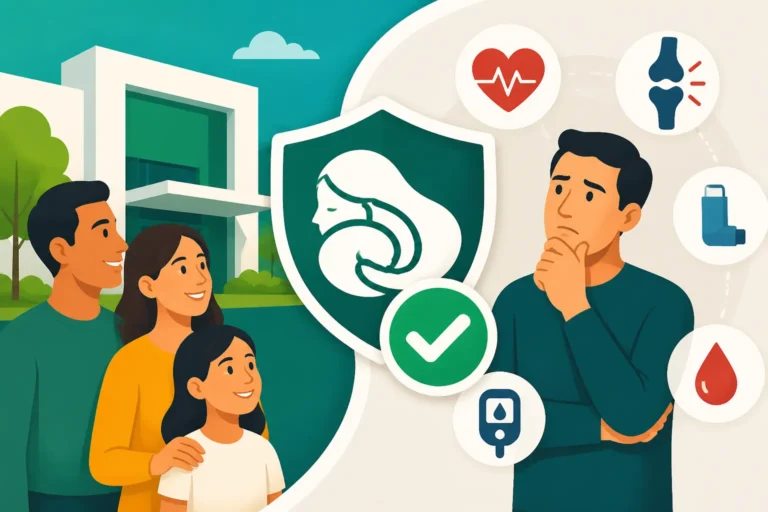
Moving to Mexico from Canada is an exciting adventure, full of vibrant culture, delicious food, and a more relaxed pace of life. But let's be real: navigating the healthcare system and figuring out what happens to your Canadian provincial health coverage once you've settled down here can be a serious source of anxiety. This guide will walk you through the essential details of those provincial coverage cut-off dates and help you understand why relying solely on your Canadian health plan or short-term travel insurance once you're a resident here is a risk you absolutely cannot afford to take.
Disclosure: This post may contain affiliate links. We may earn a commission at no extra cost to you if you make a purchase through these links. Read full disclosure.
The Harsh Reality of Provincial Healthcare Abroad
Many Canadians arrive in Mexico, whether for a "snowbird" season or a full-time move, with the comforting but often misplaced belief that their provincial health plan will somehow continue to protect them. While it's true that your provincial plan might offer some limited coverage for a short period outside of Canada, it's crucial to understand that these benefits are typically minimal, often not covering the full cost of medical care, and have strict time limits. Once you become a resident, or even just spend an extended period, those lifelines quickly evaporate.
Understanding Your Home Province’s Rules
Every Canadian province has its own set of rules regarding how long you can be outside your home province – or Canada altogether – before your provincial health coverage is impacted. Generally speaking, most provinces stipulate that you cannot be outside of Canada for more than a certain number of days (usually 182 or 212 days, roughly 6 to 7 months) in any 12-month period without risking the loss of your coverage. This isn't just about showing up at a hospital in Mexico; it's about maintaining your status as a "resident" of your province for healthcare purposes.
Think about it: the provincial healthcare systems are designed for residents of that province. When you move to Mexico, even if you intend to return one day, you are no longer truly residing in your home province. The moment you exceed those precious few months, your provincial health card essentially becomes just a piece of plastic – utterly useless for covering a doctor's visit or a hospital stay in Cancún or Guadalajara.
For instance, if you're from Ontario and plan to spend more than 212 days out of the country, OHIP generally ceases to cover you. British Columbia's MSP has similar rules, as do Alberta, Quebec, and the Maritimes. It's not a secret, but it's often overlooked by those caught up in the excitement of a big move. This is why it’s so important to thoroughly research your specific province’s guidelines before your departure. You'll find that for most expats, those cut-off dates come much faster than they anticipate.
The Slippery Slope of "Travel Insurance"
Okay, so you realize provincial coverage is temporary. Your next thought might be, "I'll just get travel insurance!" And yes, for vacations or short stays, travel insurance is absolutely vital. But here’s the catch that many long-term expats miss: most standard travel insurance policies are explicitly designed for tourists, not residents.
Once you establish residency in Mexico, even if it's temporary residency, or if you simply spend a continuous extended period here that makes it clear you're not just "traveling," many travel insurance policies become null and void. They have clauses that state coverage ends if you become a resident of the country you're visiting, or if your trip extends beyond a certain duration, often 30, 60, or 90 days. Imagine having an accident, needing surgery, and finding out your "travel insurance" won't pay because you've been living here for eight months. The financial implications can be devastating, easily racking up bills in the tens of thousands of dollars.
Furthermore, traditional travel insurance often has lower coverage limits, higher deductibles, and more exclusions than genuine international health insurance designed for expats. It’s a temporary bandage, not a long-term solution for your new life south of the border. You wouldn't rely on travel insurance to cover your health needs if you moved across Canada, so why would you expect it to work in Mexico? The administrative and financial reality of healthcare here demands a more robust and permanent solution. For more details on this, you might find our guide on Travel Insurance vs Local Insurance: Do Expats Need Both? helpful.
Why Your Canadian Coverage Won't Cut It in Mexico
Beyond the legalistic cut-off dates and the limitations of travel insurance, there are practical reasons why clinging to the idea of Canadian coverage for your health needs in Mexico is a losing battle. The two systems are fundamentally different, and the costs, when you’re paying out of pocket, are enough to make anyone’s jaw drop.
The Costly Consequences of Being Underinsured
Let's paint a realistic picture. You've been here for seven months, you've lovingly furnished your apartment in Mérida, you’re enjoying your new routine, and suddenly, you get sick. Maybe it's a nasty case of appendicitis, a broken bone from a slip on a wet cobblestone street, or something more serious.
Without proper international health insurance, you're looking at paying 100% of the costs out of your own pocket. A simple doctor's visit at a private clinic might be a few hundred pesos, which is manageable. But what about a hospital stay? An emergency appendectomy could easily run you $5,000 to $10,000 USD, or even more, depending on the hospital and location. A major surgery could hit $30,000, $50,000, or well over $100,000 USD.
Mexican private hospitals, especially in expat-heavy areas like Puerto Vallarta or Mexico City, offer excellent care, but that quality comes with a price tag comparable to or sometimes even exceeding those in the U.S. And unlike back home, you'll often be asked for a substantial upfront payment or deposit before any major procedure can begin. This is a common practice here, and it can be a terrifying experience if you're caught unprepared. Our article on Do Mexican Hospitals Require Payment Upfront? How Billing Works for Expats dives deeper into this crucial topic.
Table: Understanding Your Health Coverage Status in Mexico
| Coverage Type | Best Suited For | Coverage Duration | Typical Cost Coverage in Mexico | Key Limitations for Expats in Mexico |
|---|---|---|---|---|
| Canadian Provincial Healthcare | Residency in Canada | ~6-7 months (max) outside Canada | Minimal (emergency only), often 10% of total bill | Cut-off dates for residency; not for long-term expat use |
| Standard Travel Insurance | Short-term trips/vacations (e.g., 1-3 months) | Max 30-90 days continuously | Good for eligible emergencies, but usually has lower limits | Not for residents; policies often void after extended stays/residency |
| Mexican Public Healthcare (IMSS) | Mexican Citizens & Legal Residents with work ties or voluntary enrollment | Ongoing (with fees/contributions) | Full basic coverage | Limited choice of doctors/hospitals; wait times; bureaucracy; may not cover pre-existing conditions for voluntary enrollment initially |
| International Expat Health Insurance | Expats living abroad long-term (e.g., SafetyWing) | Ongoing (renewable annually) | Comprehensive, covers emergencies, doctor visits, hospital stays, etc. | Requires monthly/annual premiums; deductibles may apply |
| Out-of-Pocket Payment | Minor illnesses/emergencies with sufficient savings | As needed | 0% covered by insurance | All costs borne by individual; can lead to financial ruin |
Essential Medical Needs That Fall Through the Cracks
It's not just about catastrophic emergencies. What about routine care, which is just as vital for long-term well-being? Your Canadian provincial plan certainly won't cover your annual check-up with a doctor in Guadalajara, nor will it pay for prescription refills at a Mexican pharmacy. Many common medications here are available over-the-counter or with a doctor's consultation at a farmacia consultorio, but if you need a specific, ongoing prescription or manage a chronic illness, the costs can add up quickly without insurance. Read more about Pharmacies in Mexico: How to Get Medications (OTC vs Prescription) to understand the local system.
Even if you opt for Mexico's public healthcare system (IMSS) by voluntarily enrolling as a resident, which is a fantastic option for many, it has its own set of considerations. IMSS coverage requires waiting periods for certain conditions and may not cover pre-existing conditions if you're enrolling voluntarily. It also means you’re limited to IMSS facilities, which can vary in quality and efficiency, and often involve significant wait times. It's a completely different system from what you're used to. Understanding Public Healthcare in Mexico: IMSS and IMSS Bienestar Explained for Expats is a crucial step in your research.
What if you need to see a specialist? Or require physical therapy after an injury? Without private insurance, you’re either waiting months in the public system or paying privately, which, as we’ve discussed, can be incredibly expensive. This is especially true for managing long-term health issues. Our article on Managing Chronic Illness in Mexico: Access to Medication and Specialists provides more context.
Your Lifeline: Choosing the Right Expat Health Insurance
So, what's the solution when your Canadian provincial coverage is a ticking time bomb and regular travel insurance is insufficient for your expat life? You need international expat health insurance – coverage specifically designed for individuals living outside their home country for extended periods. This is where options like SafetyWing shine, providing peace of mind and essential financial protection.
Introducing a Flexible Solution: SafetyWing Nomad Insurance
When I first moved here, the world of international insurance felt like a bewildering maze. So many policies, so many exclusions! That's why I quickly learned the value of a flexible, reliable option like SafetyWing. It's designed specifically for nomads and expats, which is exactly what many Canadians become when they decide to live in Mexico.
SafetyWing offers a subscription-based insurance plan that covers you both in Mexico and when you travel internationally, making it incredibly versatile. This means if you decide to pop back to Canada for a visit, or take a trip to Europe, your medical coverage continues, reducing the headache of buying multiple policies.
Here’s why SafetyWing stands out, especially for Canadians navigating those provincial cut-off dates:
- Designed for Long-Term Stays: Unlike typical travel insurance, SafetyWing is built for ongoing international living. You can purchase it for weeks or months, and it automatically renews every 28 days until you cancel, making it perfect for expats who don't have a fixed return date. This flexibility is golden.
- Comprehensive Medical Coverage: It offers coverage for unexpected illnesses and injuries, including hospital stays, doctor visits, and prescription drugs. This isn't just a basic emergency plan; it covers a wide range of medical needs that could arise during your time here.
- Worldwide Coverage (with home country visits): While designed for international travel, it generally includes coverage for incidental home country visits (up to 30 days every 3 months, or 15 days for US citizens) after a waiting period, which is a huge plus for Canadians who might pop back to see family.
- Affordability: Compared to many other international expat insurance plans, SafetyWing is often more budget-friendly, making it accessible for a wider range of expats. This is crucial when you're managing your budget in a new country.
- Easy Online Management: Everything is handled online, from signing up to filing claims. This simplicity cuts through bureaucracy, a welcome relief when dealing with so many other new administrative challenges in Mexico.
SafetyWing provides a robust safety net, ensuring that when your provincial coverage ends, you're not left exposed. It's truly a game-changer for digital nomads and long-term residents. Choosing the right private health insurance can be daunting, so options like SafetyWing simplify the process. You might also want to compare it with other options discussed in Choosing Private Health Insurance: Local Mexican Plans vs International Coverage.
Beyond Emergencies: What Comprehensive Coverage Offers
Beyond just covering emergency room visits and hospitalizations – which, let’s be honest, is the first thing we worry about – a comprehensive international health insurance plan like SafetyWing offers so much more. This is particularly important for expats who are making Mexico their permanent or semi-permanent home.
Consider these aspects:
- Routine Care: While SafetyWing is primarily for unexpected medical events, it does cover doctor visits related to covered illnesses or injuries. Some more extensive expat plans might even include wellness benefits, but the core focus of SafetyWing is robust catastrophic and unexpected medical coverage.
- Medical Evacuation: This is a huge one. What if you're in a remote area of Mexico, or suffer a severe injury that requires specialized care only available back in your home country or a top-tier facility? Medical evacuation insurance can literally save your life and your finances by arranging and covering the cost of transport. Many comprehensive plans, including SafetyWing, offer this vital protection. For more, check out Medical Evacuation Insurance: Do Expats in Mexico Need Airlift Coverage?.
- Pre-existing Conditions: This is often the trickiest part of insurance. While SafetyWing offers some coverage for acute onset of pre-existing conditions, it’s essential to read the policy details carefully. For long-term chronic conditions, you might need to explore options that specifically cater to Pre-Existing Conditions: Will Mexican Health Insurance Cover You?, but for general, unexpected issues, SafetyWing has you covered.
- Access to Quality Care: Having international insurance gives you the flexibility to seek care at private hospitals and clinics in Mexico, which often have shorter wait times and English-speaking staff. This can be a huge comfort, especially during a stressful medical situation.
Ultimately, your health is your most valuable asset, and being proactive with your insurance ensures you can enjoy your expat life in Mexico without constant worry about potential medical bankruptcies.
Making the Move: Your Timeline for Seamless Coverage
Moving to Mexico is a process, not a single event. And securing your health coverage should be an integral part of that process, planned out carefully to avoid any terrifying gaps in protection.
Before You Go: Planning Your Insurance Transition
The best time to sort out your expat health insurance is before you leave Canada. Here’s a basic timeline to consider:
- Research Provincial Rules (6-12 Months Out): Reconfirm the exact cut-off dates for your specific provincial health plan. Call your provincial health authority. Understand when your coverage will officially end.
- Explore Expat Insurance Options (3-6 Months Out): Start looking into international health insurance providers like SafetyWing. Get quotes, compare plans, and understand what they cover. Don't wait until the last minute, as some plans have waiting periods for certain benefits.
- Consider Your Medical History: If you have pre-existing conditions, factor this into your search. Some plans might have exclusions or longer waiting periods for these.
- Budget for Premiums: Remember that paying for international health insurance will be a new line item in your monthly or annual budget. Factor this into your overall Cost of Living in Mexico: 2026 Comprehensive Guide.
- Purchase Your Policy (1-2 Months Out): Aim to have your international policy in place and active before your Canadian provincial coverage is set to expire, or ideally, from your departure date if you plan to stay long-term. This ensures continuous protection.
Having your insurance in order before you leave is one less thing to worry about when you're dealing with packing, goodbyes, and all the other logistics of moving country. It gives you peace of mind from day one.
On the Ground in Mexico: Maintaining Your Safety Net
Once you're settled in Mexico, your job isn't over. You need to actively manage and maintain your insurance coverage.
- Understand Your Policy: Don't just buy it and forget it. Take the time to read through your SafetyWing policy documents. Know your deductible, your coverage limits, how to file a claim, and what numbers to call in an emergency. Ignorance is definitely not bliss when it comes to medical emergencies.
- Keep It Active: Since plans like SafetyWing renew automatically every 28 days, ensure your payment method is always up to date. You don't want your coverage to lapse because of an expired credit card.
- Consider Local Add-ons: While SafetyWing provides excellent primary coverage, as you become more integrated, you might explore supplementing it with certain local services or plans, such as voluntarily enrolling in IMSS once you have your residency. This could give you access to lower-cost local care for very routine issues, while your international plan handles major events. Our guide on Healthcare in Mexico: Complete Guide for Expats (Public vs Private) can help you weigh these options.
- Review Annually: Health needs change, and so do insurance policies. Take time each year to review your coverage and ensure it still meets your needs and budget.
Living in Mexico as a Canadian expat is an incredible experience, but it requires careful planning, especially when it comes to your health. Don't let the administrative details or the siren song of "it probably won't happen to me" put you at risk. Be smart, be prepared, and secure reliable international health insurance like SafetyWing to protect your health and your financial future.
Disclaimer
The information provided in this article is for general informational purposes only and does not constitute financial, legal, or medical advice. Provincial healthcare rules, insurance policies, and Mexican healthcare regulations are subject to change. Always consult with the relevant provincial health authority, an insurance professional, and/or a healthcare provider for personalized advice based on your specific situation.