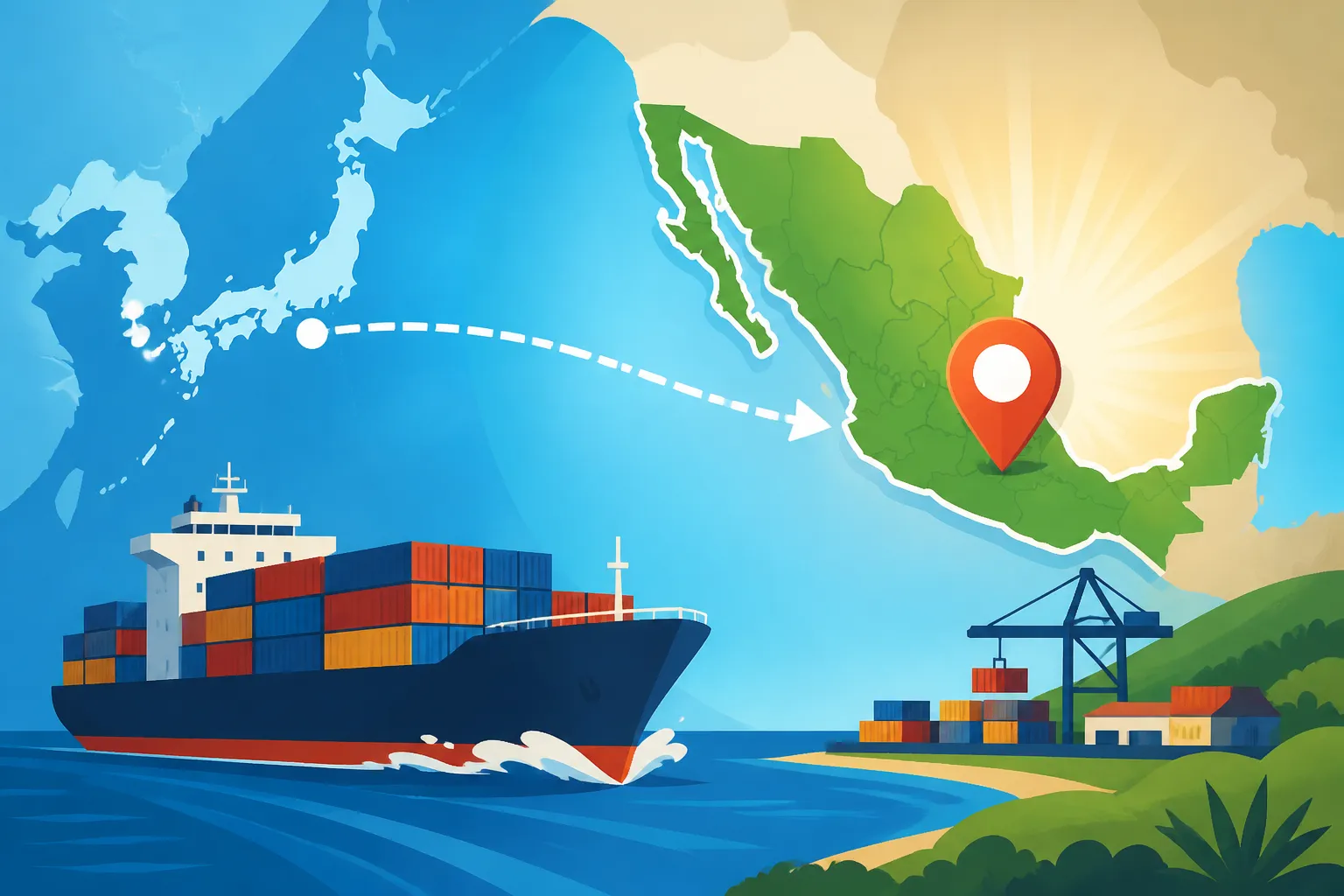
Moving to Mexico from Japan and Korea: Pacific Container Routes
The sheer thought of packing up your entire life and shipping it across the Pacific Ocean, from the bustling streets of Tokyo or the vibrant energy of Seoul to a new home in Mexico, can feel utterly overwhelming. We’ve all been there, staring at boxes, wondering how on earth everything will make it in one piece. This guide is here to demystify the process, especially focusing on those crucial Pacific container routes, ensuring you understand the ins and outs of getting your belongings safely here. And for making that whole process smoother, you’ll definitely want to check out Sirelo, a service designed to connect you with trusted international moving companies.
Disclosure: This post may contain affiliate links. We may earn a commission at no extra cost to you if you make a purchase through these links. Read full disclosure.
The Grand Pacific Journey: Understanding Container Shipping to Mexico
Moving your household goods thousands of miles across the ocean is no small feat. While you might consider air freight for a few critical items, for the bulk of your possessions, container shipping via sea is by far the most practical and cost-effective method. It's a journey that takes time, but with proper planning, it's incredibly reliable.
Why Container Shipping is Your Best Bet for a Big Move
When you're relocating from countries like Japan or Korea to Mexico, the distance dictates that air freight is simply too expensive for anything more than a few essential bags. Imagine the cost of shipping even a small piece of furniture by air – it adds up to astronomical figures faster than you can say "¡Ay, caramba!" Container shipping allows you to move everything from your beloved futon or your essential kimchi refrigerator to your entire collection of books and furniture, all within a secure, dedicated space on a massive cargo ship.
This method provides not only cost efficiency but also a greater sense of security for your belongings. Unlike air cargo, which might involve multiple transfers and handling points, a shipping container is typically sealed at your residence or a local depot and only opened at its final destination or for customs inspections. This minimizes the risk of damage or loss. You're effectively putting your entire life into a giant, sturdy box that travels with thousands of other giant, sturdy boxes, all heading the same direction across the vast Pacific. When you work with a platform like Sirelo, they help connect you with reputable companies that specialize in securing and transporting these containers, giving you peace of mind.
Full Container Load FCL vs Less Than Container Load LCL
Deciding between a Full Container Load (FCL) and a Less Than Container Load (LCL) is one of the first big choices you’ll make when preparing your shipment. It really comes down to how much stuff you’re bringing and your budget.
Full Container Load (FCL): If you're moving a substantial amount of household goods – say, a three-bedroom house worth of furniture, appliances, and boxes – an FCL is probably your best option. This means you get an entire 20-foot or 40-foot container dedicated solely to your belongings. The benefits are clear: faster transit times because there's no need to consolidate with other shipments, and less handling of your items since they are loaded once and unloaded once. This reduces the risk of damage. You pay a flat rate for the container, regardless of whether you fill it completely or not. It’s a premium service, and for many expats, the peace of mind of having their own container is invaluable. For a smooth FCL experience, using Sirelo to find an experienced mover can make all the difference.
Less Than Container Load (LCL): For those moving a smaller volume of items – perhaps a one-bedroom apartment, just a few pieces of cherished furniture, or simply a collection of boxes – LCL is often more economical. With LCL, your belongings share space within a container with other people’s shipments. This means you only pay for the volume your goods occupy. The downside is that transit times can be longer as the container needs to be fully loaded before departure, and then unpacked and sorted at the destination port. There's also slightly more handling involved as your items are consolidated and deconsolidated. However, for those on a tighter budget or with fewer items, LCL can be a lifesaver.
Here’s a quick comparison:
| Feature | Full Container Load (FCL) | Less Than Container Load (LCL) |
|---|---|---|
| Volume | Large moves (e.g., 2+ bedroom homes) | Smaller moves (e.g., 1-bedroom apartment, boxes) |
| Cost | Higher fixed cost for entire container | Lower cost, proportional to volume used |
| Transit Time | Generally faster | Potentially longer due to consolidation |
| Handling | Less handling, lower risk of damage | More handling, slightly higher risk of damage |
| Customs Clearance | Usually smoother for individual shipments | Can be slightly slower due to shared manifest |
| Control/Flexibility | Full control over container contents | Share space with other shipments, less control |
| Best For | Expats with extensive belongings or tight schedule | Expats with fewer items or on a budget |
The Pacific Route: What to Expect in Transit
When shipping from Japan or Korea, your goods will traverse the vast Pacific Ocean, typically heading towards Mexico's western coast. This route is a well-established global shipping lane. The journey itself can take anywhere from 3 to 6 weeks, sometimes even longer, depending on the specific ports of origin and destination, the shipping line chosen, and any unforeseen delays like weather or customs backlogs.
Your items will depart from major ports in Asia, such as Busan (South Korea) or Yokohama/Tokyo (Japan). They'll cross the Pacific, often making a stop or two in other busy ports before arriving in Mexico. Once your container is loaded and on its way, it’s truly a waiting game. This is why it’s so important to plan your personal travel to Mexico with this timeline in mind, especially if you’re depending on your household goods for setting up your new home. Ensure you have a plan for temporary living and settling in Mexico while your belongings are en route. Knowing the route and general timing allows you to set realistic expectations and prepare for the interim period.
Navigating the Logistics from Japan and Korea: Key Considerations
Moving halfway across the world involves more than just loading a box onto a ship. There are critical logistical decisions and regulatory hurdles to clear that require careful attention.
Choosing Your Departure Port: Major Hubs in Asia
From Japan, major departure ports usually include Yokohama, Tokyo, Kobe, and Osaka. These are massive, efficient ports with regular sailings to destinations worldwide, including Mexico. If you're based in or near one of these major cities, logistics for getting your container to the port will be more straightforward and likely more cost-effective. Shipping companies, especially those found through platforms like Sirelo, will typically have established operations and preferred freight forwarders at these hubs.
Similarly, if you're moving from South Korea, Busan is the country's largest port and a primary gateway for international shipping. Other options might include Incheon, but Busan is generally the most common and efficient choice for trans-Pacific routes. The proximity of your current residence to these major hubs will influence your domestic transport costs and overall logistical ease. A good moving company will handle the inland transport from your home to the designated port, making the process seamless for you.
Destination Ports in Mexico: Pacific Gateway Options
Mexico has several important ports on its Pacific coast, but for international container shipments, two stand out: Manzanillo in Colima and Lázaro Cárdenas in Michoacán.
Manzanillo: This is Mexico's busiest port and a major hub for international trade. If your final destination in Mexico is in the central or western parts of the country (think Guadalajara, Mexico City, or even the Bajío region like Querétaro or San Miguel de Allende), Manzanillo is usually the preferred port of entry. It boasts extensive infrastructure for handling containers and onward transportation. Its strategic location means it can efficiently serve a large portion of Mexico's population and industrial centers. Many international moving companies, including those you might find through Sirelo, have well-established networks for clearing customs and arranging inland transport from Manzanillo.
Lázaro Cárdenas: While not as busy as Manzanillo, Lázaro Cárdenas is another significant port, particularly for destinations further south or inland, depending on specific logistical routes. It’s known for its deep-water access and capacity to handle large vessels. The choice between Manzanillo and Lázaro Cárdenas will often be made by your chosen moving company based on their established routes, efficiency for your specific final destination, and current port congestion. Rest assured, both are capable of handling your precious cargo.
Customs and Import Regulations: Mexico's Red Tape
Ah, customs. The part of any international move that makes even the most seasoned expat sigh deeply. Mexico’s customs procedures can be complex and require meticulous attention to detail. This is where having a knowledgeable moving company is absolutely non-negotiable.
First, you'll need to demonstrate your legal right to import your household goods, which typically means having a valid residency visa. If you're coming to Mexico on a Mexico Temporary Resident Visa: Comprehensive Guide for Expats (2026 Update) or a permanent residency visa, you’ll generally be allowed to import your personal effects duty-free through a process called "Menaje de Casa." This document, issued by a Mexican consulate in Japan or Korea, lists all the items you are importing. It's crucial to get this done before your shipment arrives in Mexico. Without it, you could face hefty duties and taxes on everything.
You'll also need to prepare a detailed inventory (packing list) of everything in your shipment. This list must be in Spanish and align perfectly with what’s declared on your Menaje de Casa. Be honest and thorough; discrepancies can lead to significant delays and potential fines. Certain items are restricted or prohibited, such as firearms, drugs, and large quantities of alcohol or tobacco beyond personal consumption limits. It’s also wise to check current regulations regarding electronics and vehicles, as these often have special rules. For detailed information, you can also consult our guide on Customs Tips for New Residents: What You Can Bring When Moving to Mexico. A good moving service found via Sirelo will provide guidance on this and even offer translation services for your inventory.
The paperwork doesn't stop there. You'll need copies of your passport, residency card, and potentially other documents like your CURP as a Foreigner: The Mexican ID Number Explained or RFC number, depending on the specifics of your move and if you are importing a vehicle. The entire customs process can feel like navigating a maze, and that’s precisely why professional movers are worth their weight in gold. They understand the nuances, have contacts at the ports, and can troubleshoot issues that would leave an individual expat utterly lost.
Planning Your Move with Confidence: The Sirelo Advantage
The key to a successful international move is meticulous planning and choosing the right partners. This is where Sirelo shines, connecting you with reputable, experienced international movers who specialize in routes like Japan/Korea to Mexico.
Getting Accurate Quotes and Finding Reputable Movers
Finding a reliable international mover is arguably the most critical step after deciding to move. You're entrusting your entire life's possessions to them, so you can't afford to cut corners or go with the cheapest option without proper vetting. This is where Sirelo becomes your invaluable resource. Instead of spending countless hours researching and contacting individual companies, Sirelo allows you to submit your moving details once and receive multiple competitive quotes from pre-vetted, professional moving companies.
This comparison process saves you time and ensures you’re getting fair pricing. But it’s not just about price; it’s about reputation and service. Sirelo’s partners are typically well-established companies with a track record of successful international moves. When evaluating quotes, look beyond the bottom line. Inquire about what's included: packing services, insurance, customs brokerage, port charges, and inland delivery to your new home in Mexico. Understand potential hidden fees. A reputable mover will be transparent about all costs upfront. They should also have experience specifically with the Pacific routes and Mexican customs, which is a huge advantage. Don't hesitate to ask for references or check online reviews to get a sense of their past performance.
Essential Documentation and Paperwork for Your Shipment
As touched upon earlier, paperwork is the backbone of any international move. It's tedious, yes, but absolutely essential. Beyond your Menaje de Casa (household effects certificate) and a detailed, Spanish-translated inventory, you'll need to ensure all your personal identification and residency documents are in order.
- Passport: Valid for at least six months beyond your planned entry date into Mexico.
- Mexican Residency Card: Your Temporary or Permanent Resident Card is vital for proving your immigration status and eligibility for duty-free import.
- Bill of Lading: This is the contract between you and the shipping company, detailing the goods being transported and the terms of the shipment. It’s your receipt and your proof of ownership during transit.
- Power of Attorney (Carta Poder): You might need to grant your moving company or customs broker power of attorney to act on your behalf for customs clearance in Mexico. This is common and streamlines the process significantly.
- Insurance Documents: Never, ever ship internationally without comprehensive insurance. Your movers will offer options, but always read the fine print to understand what’s covered and what isn’t. Accidents happen, and having good coverage is crucial.
Keep copies of everything in multiple formats – digital and physical – and carry essential documents with you, not in your shipment. It's a lot to keep track of, but a good moving company facilitated by Sirelo will guide you through each step, ensuring you don't miss anything vital.
Tracking Your Shipment and Managing Expectations
Once your container is on its way, the waiting game begins. Most reputable shipping companies offer online tracking services, allowing you to monitor your container’s journey across the Pacific. While this can ease anxiety, remember that international shipping timelines are not always precise. Delays can occur due to weather, port congestion, customs inspections, or other logistical issues.
Maintain open communication with your moving company. They should provide regular updates and inform you of any significant delays. Managing your expectations is key. Don't plan your move-in date around the exact estimated arrival of your container. Instead, give yourself a buffer of a week or two. Use this time to get your home utilities in Mexico: setting up electricity, water, gas, and internet sorted, explore your new neighborhood, and get comfortable with the local pace. If you're coming to a major city like Mexico City, prepare for potentially longer transit from the port due to city traffic and logistics, as detailed in our Cost of Living in Mexico City (2026): Detailed Expat Budget Guide.
Remember, international moves are a marathon, not a sprint. Patience and flexibility are your best friends during this phase.
Practical Advice for a Smooth Transition
Beyond the containers and customs, there are many practical aspects to consider that can make or break your moving experience from Japan or Korea to Mexico.
Packing Smartly for a Long Haul
The way you pack can significantly impact the safety of your belongings during their long journey. Here are some pointers:
- Professional Packing: If your budget allows, opt for professional packing services. International movers are experts at securing items for overseas travel, using specialized materials and techniques to protect against shifting, moisture, and impact. This is often an insurance requirement anyway.
- Label Everything Meticulously: Label boxes clearly on multiple sides with their contents and the room they belong in. This not only helps you when unpacking but also aids customs officials if they need to inspect specific items. Number your boxes and keep a corresponding master list.
- Create a "First Day" Box: This is an absolute lifesaver. Pack a separate box (or two) with essentials you'll need immediately upon arrival in your new Mexican home. Think toiletries, a change of clothes, basic kitchen items (coffee maker, a few mugs), a first aid kit, important documents, chargers for electronics, and maybe a few comfort items. This box should ideally travel with you, not in the container.
- Consider What Not to Bring: Mexico has a vibrant market for almost everything. Evaluate if it's truly worth shipping bulky or inexpensive items that you can easily replace in Mexico. Sometimes, buying new locally is more cost-effective than shipping. For more insights, check out our guide on Moving to Mexico: What to Pack and What to Buy Locally. Also, consider the voltage difference if bringing electronics from Japan (100V) or Korea (220V) to Mexico (127V). You'll need transformers or new appliances.
- Protect Against Moisture and Pests: Especially for sea shipments, consider using desiccants (moisture absorbers) in your boxes, particularly for electronics, books, and clothing. Ensure your items are thoroughly cleaned to avoid inadvertently bringing in pests.
Temporary Living and Settling In Mexico
Once you arrive in Mexico, chances are your household goods will still be days or weeks away. This interim period requires careful planning. Many expats opt for short-term furnished rentals or Airbnbs for the first few weeks or months. This gives you a base from which to explore your new city, finalize your long-term renting a home in Mexico: complete expat guide to leases, deposits, and more, and get a feel for different neighborhoods without the pressure of having all your belongings arrive.
Use this time to connect with local expat groups, practice your Spanish, and get comfortable with the local rhythm. Focus on administrative tasks like obtaining your How to Get a CURP as a Foreigner: The Mexican ID Number Explained (which is essential for so many things), opening a bank account, and getting your cell phone set up. Remember, you're not just moving things; you're moving your life, and that involves a period of adjustment. Our guide on Settling in Mexico: Step-by-Step Guide to Your First 30 Days as an Expat offers excellent advice for this initial phase.
Budgeting for Your International Move
Moving from Japan or Korea to Mexico is a significant financial undertaking. It's not just the shipping costs; there are many other expenses to consider:
- Shipping Costs: This will be your largest expense, varying greatly depending on volume (FCL vs LCL), origin/destination, and services chosen (packing, insurance, etc.). Get multiple quotes through Sirelo to compare.
- Customs Duties and Taxes: While your Menaje de Casa should allow duty-free import, be prepared for potential fees on certain items or if there are any discrepancies. Always factor in potential unforeseen costs.
- Insurance: Non-negotiable. Budget for comprehensive transit insurance.
- Temporary Accommodation: Costs for hotels or short-term rentals while you wait for your shipment.
- Travel Costs: Flights for you and your family.
- Initial Living Expenses: Food, transport, initial purchases for your temporary home, and setting up utilities like electricity from CFE. You’ll need cash for initial expenses, so familiarize yourself with currency exchange in Mexico: getting the best rates on pesos.
- Contingency Fund: Always, always have a contingency fund for unexpected expenses. International moves rarely go exactly according to plan, and having a buffer will save you a lot of stress.
The overall Cost of Living in Mexico: 2026 Comprehensive Guide can help you determine how much money you'll need not just for the move, but for settling into your new life. Be realistic with your budget, and don't underestimate any category.
Moving from Japan or Korea to Mexico is an incredible adventure, but it requires careful planning, especially when it comes to shipping your cherished possessions. By understanding the intricacies of Pacific container routes, Mexican customs, and relying on trusted partners like those you can find through Sirelo, you can navigate this complex journey with confidence and minimize the stress. Your new Mexican life awaits, and with your belongings arriving safely, you'll be able to truly make it home.
Disclaimer
The information provided in this guide is intended for general informational purposes only and does not constitute legal, financial, or immigration advice. While we strive to provide accurate and up-to-date information, regulations and procedures in Mexico can change frequently. It is highly recommended to consult with professional international moving companies, Mexican immigration attorneys, and customs brokers for personalized advice regarding your specific situation. We cannot be held responsible for any outcomes resulting from the use of this information.