How to Avoid the Crowds at Mexico’s Top Sights
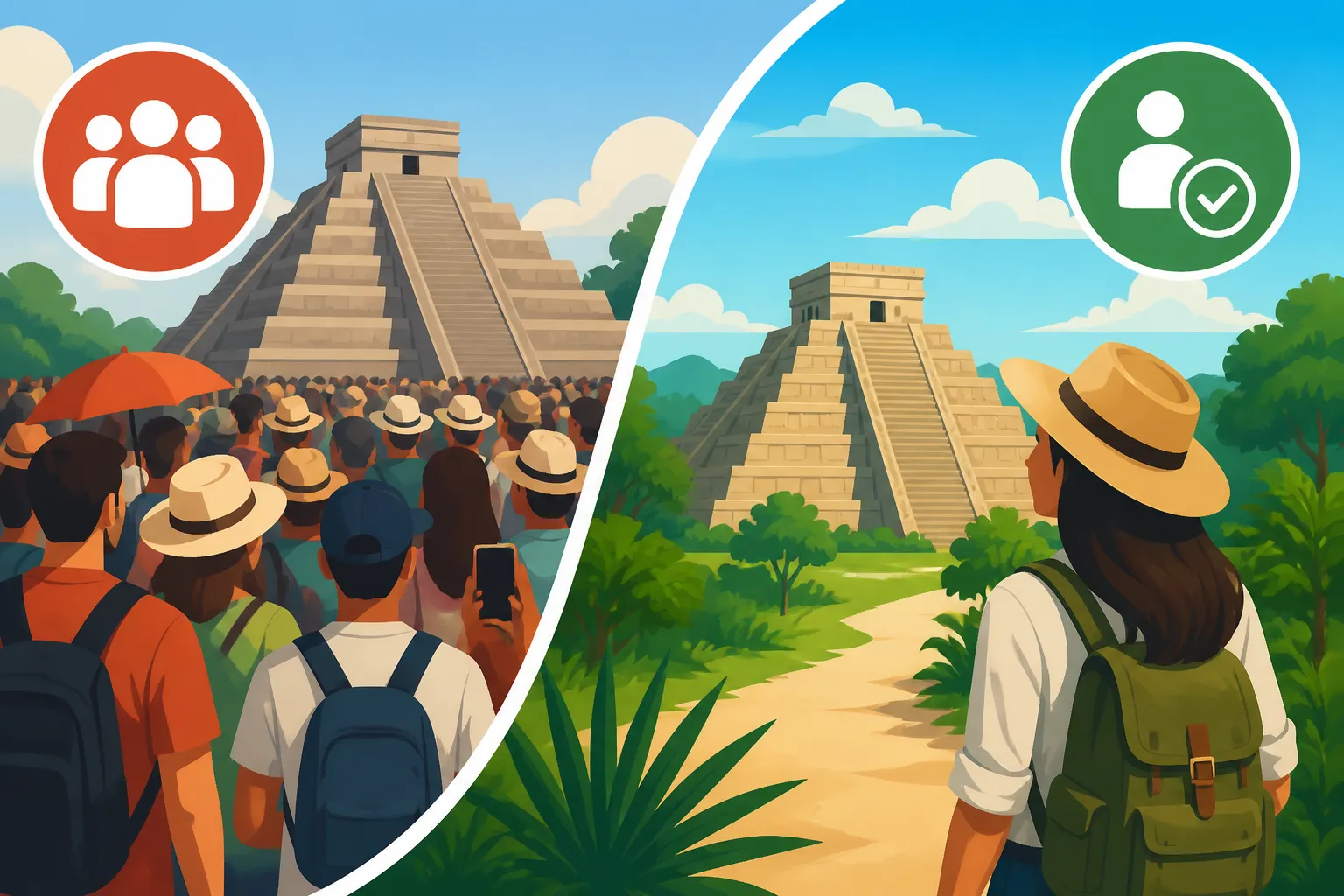
We've all seen those idyllic travel photos: a serene Chichén Itzá pyramid bathed in morning light, a quiet cenote, or an empty stretch of Tulum beach. Then you arrive, and BAM! You're wading through a sea of selfie sticks and tour groups. It's enough to make you wonder if those perfect shots were even real. But don't despair! As a long-time expat who's navigated Mexico's incredible sights from bustling markets to ancient ruins, I've picked up a few tricks to help you minimize the crowd factor and truly soak in the magic. This guide will walk you through practical strategies, from smart timing to alternative routes, so you can experience Mexico's wonders with a bit more peace and quiet.
Disclosure: This post may contain affiliate links. We may earn a commission at no extra cost to you if you make a purchase through these links. Read full disclosure.
Timing is Everything: The Golden Rule of Crowd Avoidance
When it comes to experiencing Mexico’s most breathtaking spots without feeling like you’re in a human sardine can, timing is absolutely paramount. It’s not just about what time of year you visit, but also what day of the week, and even what hour of the day. A little planning here can make all the difference between a memorable, serene visit and a frustrating, elbow-to-elbow slog.
Understanding Mexico’s High and Low Seasons
Mexico, being a perennial favorite, has very distinct high and low seasons, and these dictate crowd levels more than anything else. High season typically runs from late December through April, aligning with winter escapes from colder climates and major holidays like Christmas, New Year's, and Easter (Semana Santa). During these months, popular destinations like the Riviera Maya (Cancún, Playa del Carmen, Tulum) and major cities like Mexico City and San Miguel de Allende are absolutely overflowing with tourists. Prices for everything, from flights to accommodations, skyrocket, and the lines at attractions stretch forever.
The shoulder seasons, like May, early June, and November, can be a sweet spot. You'll often find good weather, fewer crowds than peak season, and more reasonable prices. Yes, it can start to get hot in some areas in May and June, but it's often a worthwhile trade-off for a more peaceful experience. Then there's the low season, generally from late June through October. This is hurricane season for the Caribbean coast and rainy season for much of the country. While you might encounter some rain, it often comes in short, heavy bursts, clearing up for beautiful afternoons. Crucially, crowds are at their absolute minimum, and deals are plentiful. If you're flexible and don't mind a little tropical shower, this could be your best bet for solitary exploration. For a deeper dive, check out When Is the Best Time of Year to Visit Mexico?.
Early Birds and Twilight Visits: Beating the Daily Rush
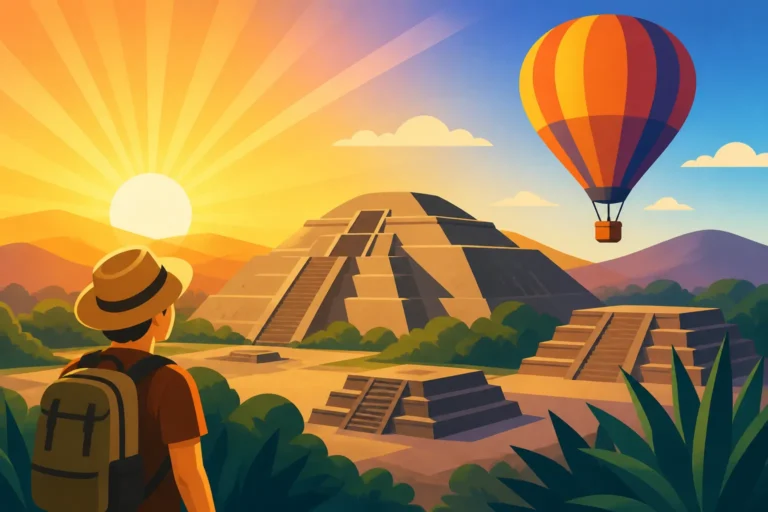
Beyond the seasonal ebb and flow, the daily rhythm of an attraction is your next biggest weapon against crowds. Most major archaeological sites, museums, and popular cenotes open early, typically between 8 AM and 9 AM. This first hour, right after opening, is pure gold. Tour buses haven't arrived yet, the heat hasn't fully set in, and the light for photography is often stunning. Imagine walking through the ancient city of Teotihuacán as the sun just begins to climb, casting long shadows over the pyramids – it’s an entirely different experience than jostling for space at midday.
Similarly, consider late afternoon visits, about an hour or two before closing. Many day-trippers and organized tours start to head out by then, especially if they have long drives back to their hotels. The crowds thin out considerably, and the sunset light can be magical. For example, visiting the ruins of Tulum in the late afternoon often means you get to see them silhouetted against the Caribbean Sea as the light fades, with far fewer people blocking your view. Just be mindful of closing times and ensure you have enough time to explore.
Weekday Wanderings vs. Weekend Warriors
This one is a no-brainer but often overlooked by vacationers with fixed itineraries. Weekends, especially Sundays, are when local Mexican families and domestic tourists flock to popular sites. Many museums and archaeological zones offer free entry to Mexican citizens on Sundays, which is wonderful for local access but terrible for crowd-averse expats. If you can help it, always plan your visits to major attractions from Tuesday to Friday. Mondays can also be tricky, as some museums are closed, leading to a higher concentration of visitors at those that are open.
This is particularly true for sites easily accessible from major cities. For instance, if you're planning to visit the impressive pyramids of Teotihuacán from Mexico City, a weekday trip, starting right at opening, will offer a significantly more peaceful experience than a Saturday or Sunday. Likewise, for the stunning How to Visit Palenque in Chiapas, a weekday visit can transform your experience from enduring lines to leisurely exploring the jungle-shrouded temples.
Strategic Planning: Booking, Tours, and Smart Logistics
Avoiding crowds at Mexico's top sights isn't just about showing up at the right time; it's also about how you plan your visit. From pre-booking tickets to choosing the right kind of tour, and even considering your transportation, a bit of strategic thinking can put you miles ahead of the masses.
Pre-Booking Tickets and Early Access Tours
In the age of online travel, you no longer have to stand in line to buy tickets for many major attractions. Websites like Viator or even the official sites for places like Chichén Itzá or Teotihuacán allow you to purchase tickets in advance. Not only does this save you precious time waiting in queues, but sometimes these online tickets have dedicated, faster entry points. Always double-check if your chosen site offers a "skip-the-line" option, as it’s often worth the small premium.
Even better, consider early access or private tours. These tours, often a bit pricier, are specifically designed to get you into a site before the general public or with a small, exclusive group. For bucket-list destinations like Chichén Itzá, this can be a game-changer. Imagine walking through the ancient Maya city as the first rays of dawn hit El Castillo, with only a handful of other people around. It’s an unforgettable experience that completely justifies the extra cost. Many tour operators, accessible through platforms like Viator, specialize in these types of experiences. When planning your How to Plan a Yucatán Road Trip, look into these options for key sites.
Choosing Independent Exploration or Small Group Tours
While large bus tours are convenient, they are also crowd generators. If you prefer to have more control over your schedule and avoid the herd, consider renting a car or utilizing public transportation. With your own rental car, you can set your alarm early, drive to a site, and arrive right at opening, well before the tour buses roll in. Just be sure to research parking options in advance. If driving isn't your thing, look into booking tickets on Busbud for early morning buses to towns near major sites. Then, take a local taxi or colectivo for the final leg. This independence allows you to dictate your pace and choose your timing, which is crucial for crowd avoidance.
If you still prefer a guided experience but want to minimize the crowd impact, opt for small group tours (usually 8-15 people) rather than massive coach tours. These groups are more nimble, can navigate through smaller pathways, and often have guides who know the optimal routes to avoid the densest concentrations of people. They also tend to be more respectful of the ambiance of a site, leading to a more pleasant experience for everyone.
| Sight | Best Time to Visit (Day) | Best Time to Visit (Week) | General Strategy |
|---|---|---|---|
| Chichén Itzá | Right at opening (8 AM) | Tuesday-Friday | Book early access tour or arrive via rental car/taxi before tour buses. Prioritize the main pyramid area first. For an in-depth guide, read How to Visit Chichén Itzá Without the Crowds. |
| Teotihuacán | Right at opening (9 AM) | Tuesday-Friday | Arrive by car or pre-booked private transport. Head straight for Pyramid of the Sun. For detailed transport options, see How to Visit Teotihuacán From Mexico City. |
| Tulum Ruins | Right at opening (8 AM) or 1-2 hours before closing | Any weekday | The earlier the better for beach access and fewer crowds. Combine with a private cenote visit afterward. More tips at How to Visit Tulum's Beachside Ruins. |
| Palenque | Right at opening (8 AM) | Any weekday, avoid Sundays | The jungle setting helps spread people out, but early means cooler temperatures and better wildlife spotting. Explore How to Visit Palenque in Chiapas for local insights. |
| Popular Cenotes | Early morning (before 10 AM) | Weekdays | Many private tours arrive mid-morning. Go early or find less popular, often privately owned cenotes. Consider a Cenote Day Trips in the Yucatán guide for alternative options. |
Smart Accommodation Choices
Where you stay can also play a role in your crowd-avoidance strategy. If a particular site is high on your must-see list, consider staying in a nearby town or even a hotel very close to the entrance. For example, if you want to be among the first at Chichén Itzá, staying overnight in Pisté or even Valladolid gives you a massive advantage over those traveling from Cancún or Playa del Carmen. You can be at the gates as soon as they open, enjoy a couple of hours of relative solitude, and then head back to your accommodation for breakfast as the big buses start to arrive. Booking.com is an excellent resource for finding unique local stays that put you right where you need to be.
Similarly, when navigating big cities, choosing your neighborhood wisely can help. For instance, if you're exploring Mexico City for First-Time Visitors: Neighborhoods and Highlights, staying in a central, well-connected area means you spend less time commuting through busy streets and more time strategizing your visits to attractions like museums or markets during off-peak hours.
Exploring Off-the-Beaten-Path (or Slightly Less Beaten)
Sometimes, the best way to avoid crowds at Mexico’s top sights is to simply go somewhere else that offers a similar, yet equally rewarding, experience. Mexico is brimming with incredible places, and many of them fly under the radar of mass tourism.
Seeking Out Lesser-Known Alternatives
While Chichén Itzá is undeniably spectacular, it's also the most visited archaeological site in Mexico. But did you know the Yucatán Peninsula is dotted with dozens of other impressive Maya ruins? Sites like Uxmal, Ek Balam, Cobá, or even Mayapán offer incredible pyramids, intricate carvings, and a far more intimate experience. Uxmal, for example, is often considered architecturally superior by many archaeologists and sees a fraction of Chichén Itzá’s visitors. You can wander through its ancient courtyards, climb pyramids (where permitted), and truly feel the history without the constant chatter of tour groups.
Beyond the Maya, Mexico offers a wealth of pre-Hispanic cultures. In Oaxaca, Monte Albán is a stunning Zapotec city on a hilltop, but Mitla or Yagul also offer unique insights into ancient civilizations with fewer visitors. Instead of the most famous cenotes, which can become veritable water parks, ask locals or search online for smaller, more secluded cenotes. These hidden gems might require a bit more effort to reach, but the reward of a tranquil swim in crystal-clear waters is well worth it. You can get more ideas for quieter spots by researching Lesser-Known Archaeological Sites in Mexico.
Experiencing Popular Sites Differently
Even for truly iconic places, there are ways to sidestep the densest crowds. At Chichén Itzá, for example, instead of immediately heading to the main pyramid (El Castillo), take a different path upon entry. Explore the surrounding structures like the Temple of the Warriors or the astronomical observatory first, which often have fewer people initially. By the time you loop back to the main area, some of the initial rush might have dispersed, and you’ll have a fresh perspective.
Similarly, at major museums in Mexico City, focus on galleries that might be less popular than the star attractions. Many museums have vast collections, and not every exhibit draws the same level of attention. If the line for Frida Kahlo’s Casa Azul is prohibitive, consider visiting other museums in Coyoacán or exploring less-frequented wings of the immense National Museum of Anthropology. The point is, don't feel obligated to follow the exact path everyone else takes. Mexico is a treasure trove; a slight detour can reveal something just as, if not more, captivating.
Leveraging Local Knowledge and Resources
The best way to truly experience a place like a local is often to ask one! Expats living in Mexico have accumulated a wealth of practical advice, and local residents often know the secrets to enjoying their own backyard without the tourist crush.
Engaging with Expat Communities and Local Residents
Online expat groups (Facebook is excellent for this) are fantastic resources. Search for groups related to the specific region you’re visiting (e.g., "Expats in Mérida," "Riviera Maya Expats") and pose your questions about crowd avoidance. These communities are often happy to share their hard-won wisdom, from "the best day to visit Xcalak beach" to "which taco stand has the shortest line at lunchtime." You might get tips on obscure attractions, the best times to visit popular spots, or even recommendations for local guides who specialize in off-the-beaten-path experiences.
Don’t be afraid to strike up conversations with local shopkeepers, restaurant owners, or even your hotel staff (especially at smaller, locally owned establishments). A polite "Hola, ¿cuándo es el mejor momento para visitar [name of attraction] para evitar la gente?" (Hello, when is the best time to visit [name of attraction] to avoid people?) can yield invaluable insights. They live there, they see the patterns, and they can often point you to alternatives you’d never find in a guidebook.
Utilizing Online Tools and Apps
Beyond general travel sites, several platforms can help you gauge real-time crowd levels or plan routes to avoid them. Google Maps, for instance, often shows "Popular times" for various businesses and attractions, giving you a historical overview of when they're busiest. Some popular sites even have live webcams or social media feeds where you can get a quick visual check of current crowd density before you head out.
For transportation, services like Busbud are great for booking intercity buses, allowing you to choose early morning departures to arrive at destinations before the main rush. For getting around within cities, ride-sharing apps like Uber or DiDi (where available and safe) can help you bypass the long taxi lines at airports or bus stations, getting you to your hotel or an early morning tour faster. And of course, for accommodations, Booking.com allows you to filter by location, ensuring you're strategically placed to hit those early morning openings without a long commute.
Remember, a little Spanish goes a long way here. Even basic phrases for asking directions, prices, or recommendations can unlock a more authentic and less crowded experience. Don't be shy; most Mexicans are incredibly welcoming and appreciate the effort.
Disclaimer
Please remember that travel information, especially regarding opening hours, prices, and local regulations, can change rapidly. Always verify details with official sources or local providers before making plans. While this guide offers comprehensive advice, individual experiences may vary. Stay safe, be respectful of local customs, and enjoy the incredible beauty of Mexico!