Vaccinations Needed for Mexico: Guidance for Expats 2027
Before relocating to Mexico, understanding the local health landscape is paramount. This comprehensive guide details the essential vaccinations, regional disease risks, and preventative healthcare strategies every expat needs to ensure a safe, healthy transition into their new vibrant community.
Disclosure: This post may contain affiliate links. We may earn a commission at no extra cost to you if you make a purchase through these links. Read full disclosure.
Understanding the Mexican Disease Landscape
When preparing for your new life south of the border, understanding the local health environment is the first critical step. Mexico is a vast country with diverse climates ranging from high-altitude metropolitan areas to humid, tropical coastal regions. This geographical diversity means that the health risks you might encounter in a beach town are vastly different from those in the mountainous interior.
Common Regional Health Risks
The climate and environment of the region you choose to call home will largely dictate your risk exposure. In tropical and subtropical areas, such as the Yucatán Peninsula, Oaxaca coast, and Chiapas, mosquito-borne illnesses are more prevalent due to the warm, humid conditions that allow insects to thrive year-round. These areas require a higher level of vigilance regarding vector-borne diseases. Conversely, high-altitude cities like Mexico City or Puebla have fewer mosquitoes but carry different environmental stressors, such as air pollution or seasonal respiratory bugs.
Expats must research their specific destination rather than viewing Mexico as a single health landscape. For instance, the water quality can vary drastically between a modern neighborhood in Monterrey and a rustic, off-grid town in Baja California Sur. Contaminated food and water are primary vehicles for infections like Hepatitis A and Typhoid, making localized knowledge about sanitation infrastructure absolutely crucial for your long-term wellness. If you are unsure where to start, reviewing Staying Healthy in Mexico: Essential Tips for Food, Water, and Preventive Care is an excellent foundational step.
To stay properly informed, expats should regularly consult local health bulletins and speak with established residents about seasonal outbreaks. Understanding the nuances of your specific region will help you tailor your vaccination schedule and daily preventative habits, ensuring a smooth and healthy transition into your new community. For a broader understanding of how local health systems operate across different states, exploring Healthcare in Mexico: Complete Guide for Expats (Public vs Private) provides invaluable context.
Urban Versus Rural Exposure Factors
City living in Mexico generally provides a buffer against many rural health hazards, but it is not without its own considerations. In major hubs like Guadalajara or Mexico City, you have immediate access to world-class medical facilities, sanitized municipal water systems, and high hygiene standards in restaurants. The risk of contracting diseases associated with poor sanitation or wildlife exposure is relatively low in these dense urban centers.
However, rural living or frequent excursions into the countryside increase your exposure to certain pathogens. Expats who enjoy hiking, visiting remote cenotes, or living in jungle-adjacent eco-communities face higher risks from tick bites, wild animal encounters, and untreated water sources. If you plan to spend significant time away from major cities, your vaccination strategy must be more robust, potentially including pre-exposure rabies or specialized tropical disease immunizations.
Furthermore, rural areas often have limited immediate access to specialized medical care or fully stocked pharmacies. If you are bitten by a stray animal or contract a severe gastrointestinal bug in a remote village, getting prompt treatment can be challenging. This reality makes preventative measures, such as securing comprehensive international health coverage through providers like Cigna Global, an absolute necessity for adventurous expats. Being prepared for unexpected situations is vital, and you can learn more by reading about Medical Emergencies in Mexico: What Expats Should Know and Prepare.
Routine Vaccinations to Keep Updated
Before delving into travel-specific shots, it is vital to ensure that your routine vaccinations are entirely up to date. Many adults neglect their standard immunizations once they leave school, but moving to a new country is the perfect catalyst to review your medical records and catch up on foundational health protections.
Standard Global Immunizations
Routine vaccines protect against diseases that are present worldwide, regardless of your destination. The primary ones to verify include the Measles, Mumps, and Rubella (MMR) vaccine, the Varicella (chickenpox) vaccine, and the Polio vaccine. While Mexico has excellent childhood immunization programs and these diseases are not rampant, maintaining your immunity is a core component of global health responsibility.
Outbreaks of measles, for example, occasionally occur globally due to international travel. Because you will likely be passing through international airports and busy transit hubs during your relocation, your exposure to global travelers is high. Ensuring you have robust immunity prevents you from inadvertently catching or spreading these highly contagious viruses during your journey or upon arrival in your new community.
If you cannot locate your childhood immunization records, consult with your primary care physician before moving. They can perform a blood test, known as a titer, to check your immunity levels for these standard diseases. If your immunity has waned over the decades, receiving a booster shot is a simple and effective way to safeguard your health before navigating a new medical system, a process detailed in Navigating Hospitals and Clinics in Mexico: An Expat’s Guide to Medical Care.
The Importance of Tetanus and Diphtheria Boosters
Tetanus is a serious bacterial infection that affects the nervous system, caused by bacteria found in soil, dust, and animal feces. Because the bacteria enter the body through cuts, scratches, or puncture wounds, anyone is susceptible, particularly those who lead active, outdoor lifestyles. Expats renovating homes, gardening, or simply walking in sandals through unpredictable terrain should be particularly mindful of this risk.
The standard recommendation is to receive a tetanus booster every ten years. Often, this is administered as the Tdap vaccine, which also includes protection against diphtheria and pertussis (whooping cough). Diphtheria is a respiratory illness that, while rare, can be severe, and pertussis is highly contagious and can be dangerous if transmitted to infants in your community.
If you sustain a deep or dirty wound while living in Mexico and cannot remember the date of your last booster, medical professionals will likely administer one as a precaution. However, it is far less stressful to proactively update this vaccination before your move. Maintaining a well-stocked home medical kit alongside updated tetanus protection ensures you are prepared for minor accidents without rushing to an emergency room.
Annual Influenza and Respiratory Protections
Seasonal respiratory illnesses are a reality everywhere, and Mexico is no exception. The influenza (flu) season in Mexico generally aligns with the Northern Hemisphere’s winter, running from late fall through early spring. Getting an annual flu shot is highly recommended, especially for expats over the age of 65, young children, pregnant women, and individuals with underlying health conditions.
In addition to the flu shot, expats should consider their status regarding the pneumococcal vaccine. The pneumococcal vaccine protects against bacterial infections that can cause pneumonia, meningitis, and bloodstream infections, and is strongly advised for older adults and those with compromised immune systems. Living in dense urban areas or relying on public transportation can increase your exposure to these respiratory pathogens.
Pharmacies and clinics across Mexico make these annual vaccines readily available. During the flu season, you will often see vaccination campaigns in public squares, supermarkets, and local health centers. Managing your seasonal health is straightforward, but having comprehensive health insurance through companies like Cigna Global can provide immense peace of mind if a severe respiratory illness does occur.
Highly Recommended Vaccines for Mexico
Beyond the routine boosters, several specific vaccines are strongly recommended by global health authorities for anyone spending significant time in Mexico. These recommendations are based on the prevalence of specific pathogens in the local food, water, and environment.
Hepatitis A and Typhoid Prevention
Hepatitis A and Typhoid are two of the most critical vaccines for expats relocating to Mexico. Both diseases are transmitted through contaminated food and water, making them a risk even if you are staying in upscale resorts or modern city apartments. No matter how careful you are, the risk of cross-contamination in food preparation or accidental ingestion of untreated water exists.
Hepatitis A is a viral liver infection that can cause severe illness lasting for months. The vaccine is typically administered in two doses, given six months apart, and provides long-lasting immunity. Typhoid is a life-threatening bacterial infection. The typhoid vaccine is available as either an oral medication or an injectable shot, though neither offers lifetime immunity, meaning boosters are required every few years depending on the format you choose.
To minimize your risk further, it is essential to practice safe eating and drinking habits. Stick to bottled or purified water, avoid ice unless you are certain it is made from purified water, and be cautious with street food and unpeeled raw produce. Supporting your digestive health with high-quality probiotics sourced from international retailers like iHerb can also help maintain a robust gut biome, adding an extra layer of defense against mild gastrointestinal distress.
Rabies Considerations for Expats and Digital Nomads
Rabies is a fatal viral disease transmitted through the bite or scratch of an infected animal. While canine rabies has been largely controlled in Mexico through aggressive vaccination campaigns, the risk remains present, particularly from wildlife such as bats, raccoons, and skunks, as well as stray dogs in rural or impoverished urban areas.
The pre-exposure rabies vaccination is not strictly necessary for every expat. It is generally recommended for those who will be working directly with animals (like veterinary volunteers), those planning extensive outdoor activities in remote areas, or expats moving to very rural locations where immediate access to medical care and post-exposure prophylaxis is limited. The pre-exposure series simplifies the treatment needed if you are bitten, buying you crucial time to seek medical help.
If you are bitten or scratched by any animal in Mexico, you must wash the wound thoroughly with soap and water and seek immediate medical attention, regardless of your vaccination status. Do not take chances with animal bites. Knowing exactly where your nearest capable medical facility is located is vital, which you can research in guides concerning Finding English-Speaking Doctors and Specialists in Mexico.
Dengue and Malaria Realities
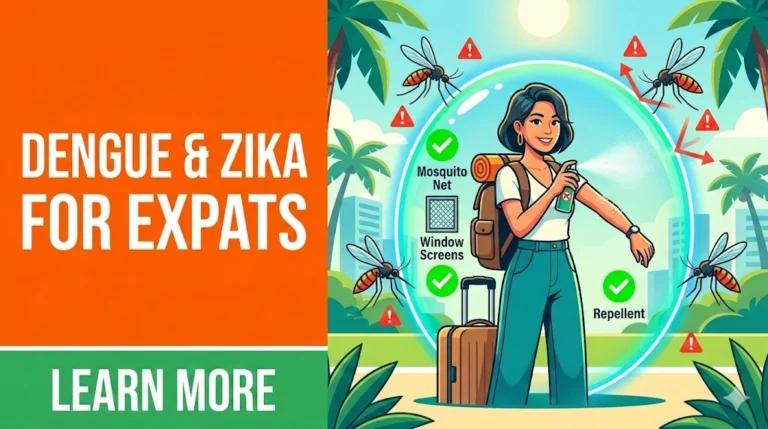
It is important to understand that there are currently no widely available vaccines for tourists or most expats for Dengue fever, Zika virus, or Malaria. These diseases are transmitted by mosquitoes and require physical preventative measures rather than immunization. Malaria risk is generally low in most of Mexico, restricted mostly to rural areas in specific southern states like Chiapas, but Dengue is a significant concern in many popular coastal and tropical expat destinations.
Dengue fever, often called “breakbone fever,” causes severe flu-like symptoms, high fever, and extreme joint pain. Prevention relies entirely on avoiding mosquito bites. Expats living in high-risk areas must invest in quality insect repellent, wear long-sleeved clothing during dawn and dusk, and ensure their homes have intact window screens and air conditioning.
While you cannot vaccinate against these illnesses, you can purchase preventative supplies and holistic health supplements from platforms like iHerb to support your immune system and overall health during peak mosquito seasons. Building a strong physical foundation will aid in your recovery if you do happen to contract a local bug.
Navigating the Mexican Healthcare System for Shots
Once you are in Mexico, you may find that you need to update a booster or secure a seasonal vaccine. The Mexican healthcare system is bifurcated into public and private sectors, both of which offer vaccination services, though the experience and costs differ significantly.
Public Clinics and the IMSS Framework
The Mexican public healthcare system, primarily administered by the Instituto Mexicano del Seguro Social (IMSS), provides extensive vaccination programs. For legal residents who are enrolled in IMSS, many standard vaccines, including childhood immunizations, flu shots, and tetanus boosters, are provided free of charge. The public system focuses heavily on preventative care and community health. To understand this structure deeply, review Public Healthcare in Mexico: IMSS and IMSS Bienestar Explained for Expats.
However, utilizing the public system as an expat can be challenging. Wait times at public clinics can be notoriously long, and the administration is entirely in Spanish. Furthermore, public clinics prioritize the Mexican national vaccination schedule, meaning specialized travel vaccines like Typhoid or Yellow Fever (if you are traveling onward to South America) may not be available or may require special orders.
If you are an expat on a budget and speak fluent Spanish, the public system is a viable option for basic boosters. However, many expats prefer the convenience and speed of the private sector, opting to evaluate their options carefully through resources like Choosing Private Health Insurance: Local Mexican Plans vs International Coverage.
Private Hospitals and International Clinics
For the vast majority of expats, private hospitals and specialized international travel clinics are the preferred route for obtaining vaccinations in Mexico. The private healthcare sector in major Mexican cities is exceptional, boasting modern facilities, highly trained specialists, and a strong likelihood of English-speaking staff.
Private clinics stock a much wider array of vaccines, including specialized travel immunizations that the public sector might lack. The process is streamlined; you can easily make an appointment, consult with an infectious disease specialist or general practitioner, and receive your shots in a clean, comfortable environment without the extended wait times typical of public health centers.
Many expats utilize private health insurance to cover these preventative services. An international policy from providers such as Cigna Global often includes wellness and preventative care benefits, making it financially seamless to maintain your immunization schedule at top-tier Mexican hospitals.
Costs and Sourcing Vaccines Locally
The out-of-pocket costs for vaccinations in the private sector in Mexico are generally lower than in the United States, but they can still add up depending on the specific serum required. A standard seasonal flu shot is very affordable, often costing just a few hundred pesos at a private pharmacy. However, specialized vaccines like the Hepatitis A series or pre-exposure rabies shots will be significantly more expensive. For a broader look at medical pricing, expats should consult Healthcare Costs in Mexico: Doctor Visits, Hospital Stays, and Surgery Expenses.
Expats should also be aware that sourcing specific vaccines can sometimes be subject to supply chain fluctuations. It is not uncommon for a specific private clinic to temporarily run out of a certain vaccine. Calling ahead to confirm availability is a necessary step. Many large pharmacy chains also offer basic vaccination services administered by an on-site doctor; you can discover more about this in Pharmacies in Mexico: How to Get Medications (OTC vs Prescription).
When paying for medical services out of pocket, expats benefit greatly from using financial tools that minimize exchange rate fees. Services like Wise allow you to convert your home currency to Mexican Pesos at the mid-market rate, ensuring you aren’t losing money to hidden banking fees when settling your medical bills at private clinics or pharmacies.
Pre Travel Preparation and Documentation
Proper preparation before you cross the border ensures that your health profile is organized and accessible. Managing your medical documentation is just as critical as receiving the shots themselves, particularly if you are moving with a family.
Maintaining Immunization Records Abroad
Before moving, request a comprehensive, physical copy of your immunization records from your home country healthcare provider. It is highly recommended to have these documents translated into Spanish by a certified translator. Having an official Spanish translation prevents any confusion or misinterpretation by Mexican doctors regarding your medical history.
In addition to physical copies, scan all your medical records and store them securely in the cloud. This ensures that even if your physical documents are lost or damaged during the move, you have immediate access to your health history from anywhere in the world. When you register with a new doctor in Mexico, providing a clear, translated medical history establishes a strong foundation for your ongoing care.
| Vaccine Type | Recommended For | Frequency / Booster | Key Considerations for Mexico |
| Routine (MMR, Polio) | All Expats | Check childhood records | Crucial to ensure immunity is current before passing through international transit hubs. |
| Tetanus / Diphtheria | All Expats | Every 10 years | Highly necessary for active lifestyles, home renovations, and outdoor activities. |
| Hepatitis A | All Expats | 2 doses for lifetime | Strongly advised due to variations in local food handling and water sanitation. |
| Typhoid | All Expats | Every 2-5 years | Prevents severe bacterial infection; critical for frequent travelers and food enthusiasts. |
| Rabies (Pre-exposure) | Rural expats, volunteers | 2-3 dose series | Recommended primarily for high-risk exposure profiles or extremely remote living. |
| Influenza | All Expats | Annually | Readily available and highly recommended during the winter season across Mexico. |
Packing Essential Preventative Kits
While vaccinations build internal immunity, external preventative measures are equally important for everyday life in Mexico. Expats should pack an initial supply of high-quality health and wellness items that might be difficult to find or more expensive in their specific Mexican destination.
Your kit should include heavy-duty insect repellent, hydrocortisone cream for bites, broad-spectrum sunscreen, and a reliable digital thermometer. Additionally, consider packing a supply of your preferred over-the-counter medications for minor ailments like headaches, allergies, and mild stomach upset. While Mexican pharmacies are well-stocked, having familiar brands on hand during your first few weeks eases the transition.
For ongoing wellness, many expats rely on international shipping for specific vitamins, supplements, and specialized personal care items. Platforms like iHerb are incredibly popular among the expat community in Mexico because they offer reliable delivery of high-quality health products that support immune function and overall well-being in a new environment, while utilizing Wise ensures smooth, low-cost international payments for these essential deliveries.
References
Primary sources (official)
- Centers for Disease Control and Prevention – Mexico Travelers’ Health: https://wwwnc.cdc.gov/travel/destinations/traveler/none/mexico
- Secretaría de Salud – Esquema Nacional de Vacunación: https://www.gob.mx/salud/articulos/esquema-de-vacunacion
Other helpful sources
- World Health Organization – Mexico Country Profile: https://www.who.int/countries/mex/
Disclaimer
The information provided in this article is intended for educational and informational purposes only and should not be construed as professional medical advice. Health risks and vaccine recommendations are subject to change. Always consult with a qualified healthcare provider or a travel medicine specialist to determine the appropriate immunizations and preventative measures for your specific health profile and travel itinerary before relocating to Mexico.