How to See Monarch Butterflies in Mexico
One of the truly magical, almost spiritual experiences you can have in Mexico is witnessing the awe-inspiring migration of monarch butterflies. It’s not just a beautiful sight; it’s a global phenomenon that draws visitors from all corners of the world, and honestly, pictures just don't do it justice. If you're an expat living here, or even just passing through, this guide will walk you through everything you need to know to plan your visit and ensure it's as breathtaking as you've imagined.
Disclosure: This post may contain affiliate links. We may earn a commission at no extra cost to you if you make a purchase through these links. Read full disclosure.
Understanding the Monarch Butterfly Migration to Mexico
So, why do these delicate creatures travel thousands of miles to central Mexico every year? It’s a question that has fascinated scientists and locals alike for centuries. As an expat who’s spent many a winter bundled up in my chamarra (jacket) in Mexico City, I can tell you that the warmer climate and specific Oyamel fir forests in the states of Michoacán and Estado de México are absolutely crucial for their survival.
When Do They Arrive and Leave? The Seasonality
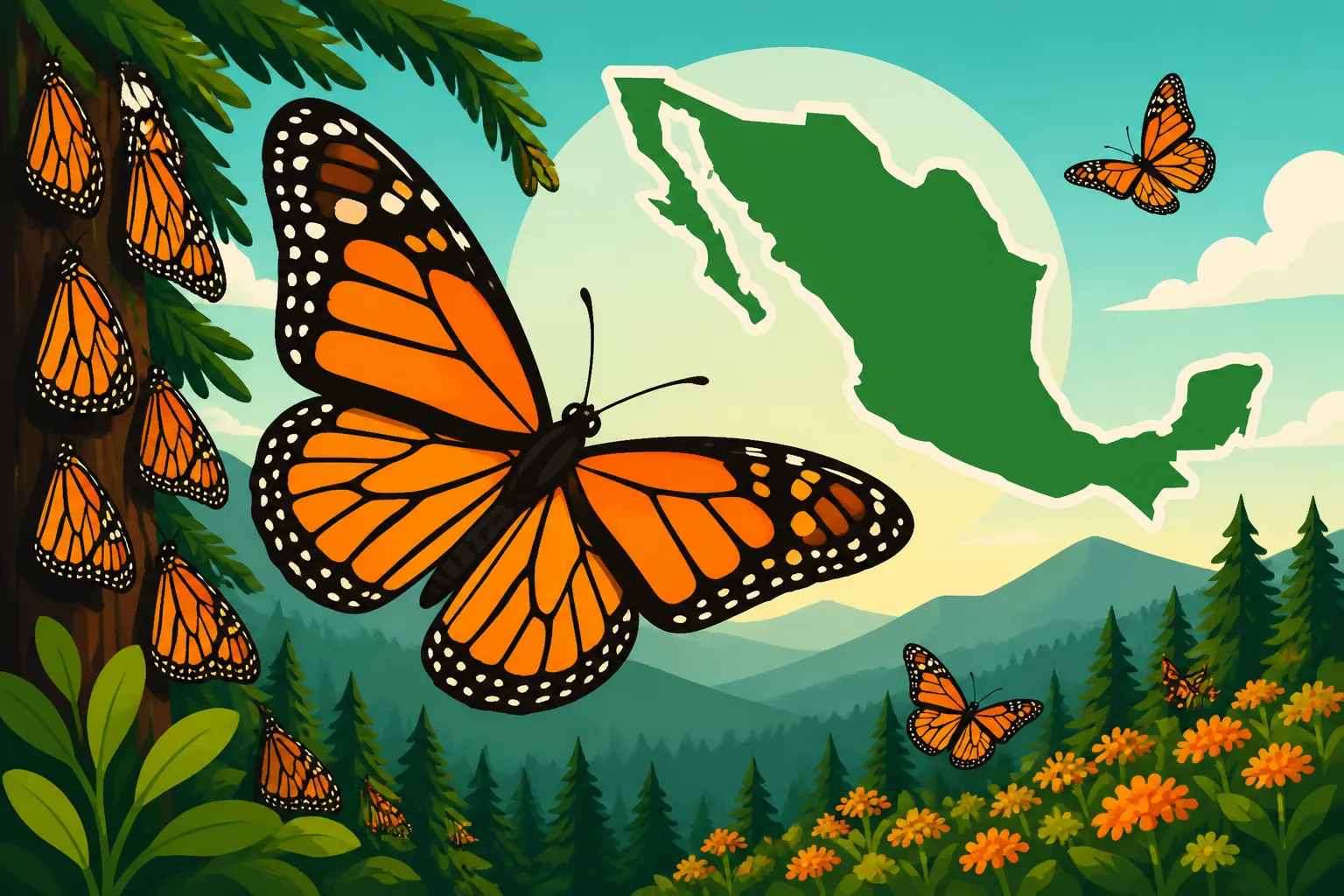
The monarchs typically start arriving in late October or early November, often coinciding with Día de Muertos, which feels incredibly symbolic. Imagine millions of orange and black wings fluttering in unison as they descend upon the high-altitude forests – it truly is a sight that connects you to something ancient and profound. They spend the winter months here, mostly clustered together for warmth and protection, creating these incredible living tapestries on the trees.
The best time to visit is usually from late November through February. By March, they start to stir, preparing for their long journey back north to the United States and Canada. If you visit too early in November, they might not all be settled, and if you wait until late March, many will have already begun their return migration. I’ve heard stories from folks who went in early October hoping to catch them, only to find a few stragglers, which is a real bummer after all that travel! Aim for that sweet spot in the middle of winter for the most spectacular display.
Why Mexico? The Oyamel Fir Forests and Climate
It's not just any forest that will do for these incredible insects. The monarchs overwinter exclusively in the Oyamel fir forests (Abies religiosa) found at elevations between 9,000 and 11,000 feet (2,700 to 3,300 meters) in the Trans-Mexican Volcanic Belt. These specific conditions provide a delicate balance of humidity, temperature, and shelter that is absolutely essential for the butterflies to survive the winter. The dense canopy protects them from harsh winds and snow, while the humidity prevents them from dehydrating.
The microclimate here is unique, offering consistent cool temperatures at night (cold enough to keep them dormant, but not freezing enough to kill them) and warm, sunny days that encourage them to fly. Without these specific forests, the entire eastern North American monarch population simply wouldn't make it. It's a stark reminder of how interconnected ecosystems are and why preserving these habitats is so vital. When you're up there, you really feel the chill of the morning air giving way to the warmth of the sun, and you understand why they've chosen this particular spot.
Where Exactly Are the Sanctuaries Located?
The main sanctuaries are nestled within the Monarch Butterfly Biosphere Reserve, a UNESCO World Heritage site that spans parts of Michoacán and Estado de México. While the butterflies spread out across several colonies, a few key sanctuaries are accessible to the public. These are the places where you’ll actually go to witness the spectacle.
The two most popular and developed public sanctuaries are El Rosario and Sierra Chincua, both in Michoacán. There's also Piedra Herrada in Estado de México, which can be a good option if you're coming from Mexico City and want a slightly closer drive, though it's generally smaller. Each offers a slightly different experience, which we'll delve into next, so don’t just pick one at random!
Choosing Your Sanctuary: A Deep Dive into the Options
Deciding which sanctuary to visit can feel a bit like choosing between your favorite tacos – each has its unique flavor! But seriously, depending on your fitness level, travel logistics, and how immersive you want the experience to be, one might be a better fit for you than another.
Sierra Chincua: Often Less Strenuous and Closer
Sierra Chincua is often recommended for those who might prefer a slightly easier journey to the butterfly colonies. It’s generally considered more accessible, especially if you're not used to high-altitude hiking.
- Pros: It’s often a bit closer to Mexico City than El Rosario, making for a potentially shorter travel day. The hike up to the main viewing area can be less steep and, in my experience, sometimes shorter than El Rosario. You also have the option to ride a horse most of the way up, which is a fantastic choice if you have mobility concerns or just want to conserve your energy for the breathtaking views. The local ejidatarios (communal land owners) who lead these horse rides are incredibly knowledgeable and friendly, and it's a great way to support the local community. The facilities here, while still rustic, often feel a touch more developed.
- Cons: Because it's often perceived as "easier," it can sometimes get just as crowded as El Rosario, especially on weekends and public holidays. While the views are spectacular, some visitors feel the colony size here might be slightly smaller or more spread out compared to El Rosario in certain years. However, this really varies season to season depending on where the butterflies decide to cluster.
El Rosario: The Classic, More Challenging Reward
El Rosario is probably the most famous and largest of the monarch sanctuaries. It offers an incredibly immersive experience, but be prepared for a more demanding journey.
- Pros: This sanctuary is renowned for hosting some of the densest and most spectacular colonies. When the butterflies are active, it’s not uncommon to see trees completely laden with them, literally bending under their weight, and then erupting into a cloud of orange as the sun hits them. The hike is beautiful, winding through dense Oyamel forests, and truly makes you feel like you're venturing into a special, untouched place. The sheer scale of the migration here is often mind-boggling.
- Cons: El Rosario is generally a further drive from Mexico City, often adding another hour or so to your journey. The hike to the main colonies is typically longer and significantly steeper, involving a considerable ascent at high altitude. Many people opt for horseback riding part of the way, but you'll still have a good 20-30 minute uphill walk at the end, which can be challenging for some. If you’re not acclimatized to the altitude, you might find yourself a bit breathless. It can also be very crowded, especially during peak season, which can detract slightly from the peacefulness of the experience.
Piedra Herrada: A Closer, Quieter Alternative
While less known than its Michoacán counterparts, Piedra Herrada in the Estado de México is a viable option, particularly if you're based in Mexico City.
- Pros: It’s generally the closest sanctuary to Mexico City, reducing travel time significantly. It tends to be less crowded than El Rosario or Sierra Chincua, offering a more intimate experience. The community that manages it is very welcoming, and you still get those incredible views of butterfly-covered trees.
- Cons: The colonies here might be smaller or less consistent than the main Michoacán sites. Facilities are more basic. However, for a quieter, more convenient trip from the capital, it's a solid choice.
To help you visualize, here's a quick comparison:
| Feature | Sierra Chincua | El Rosario | Piedra Herrada |
|---|---|---|---|
| Location | Michoacán | Michoacán | Estado de México |
| Distance from CDMX (approx.) | 2.5-3 hours | 3.5-4 hours | 2-2.5 hours |
| Hike Difficulty | Moderate (horseback riding available for most) | Strenuous (horseback riding for part, significant walk remaining) | Moderate (horseback riding available for most) |
| Crowd Level | Can be crowded, especially on weekends | Very crowded during peak season/weekends | Generally less crowded |
| Colony Size | Large, but sometimes more spread out | Often very dense and spectacular | Varies, potentially smaller than other two |
| Facilities | Rustic, but generally good for essentials | Basic | Very basic |
Planning Your Trip: Logistics and Practicalities
Now that you've got an idea of where you might go, let's talk about the nitty-gritty of getting there and making sure your visit is smooth. This isn't exactly a spontaneous trip, so a little planning goes a long way.
Getting There: Transportation Options
Navigating to these sanctuaries takes a bit of effort. You're heading into high-altitude, rural areas, so don't expect bullet trains or direct flights.
- By Car: Renting a car offers the most flexibility, allowing you to stop when you want and explore nearby towns. Roads to the sanctuaries are generally paved but can become winding and sometimes steep. Just be aware that once you get closer to the sanctuaries, parking is often managed by local communities, and you'll pay a small fee. Remember to always ensure you have proper Car Insurance in Mexico: Understanding Coverage and Costs if you choose this option.
- By Bus: If you're comfortable with public transportation, taking a bus to Morelia (Michoacán) or Zitácuaro (Michoacán) is a great option. From there, you can hire a local taxi or colectivo (shared van) to take you the rest of the way to the sanctuary entrance. For long-distance bus travel, I always recommend checking platforms like Busbud to compare routes and book tickets in advance. It's often more comfortable and less stressful than driving, especially if you're not used to Mexican roads.
- Organized Tour: This is hands-down the easiest way, especially if it's your first time or you're short on time. Many tour operators in Mexico City offer day trips to the monarch sanctuaries. They handle all the transportation, entry fees, and often include a knowledgeable guide. While it might cost a bit more, the convenience can be worth it. Websites like Viator are excellent for finding reputable tour companies that offer these excursions. They’ll often pick you up directly from your hotel in Mexico City, which is a huge bonus after a long day of butterfly viewing.
Accommodation: Where to Lay Your Head
The towns closest to the sanctuaries are charming but quite rural. You won't find major hotel chains, but there are plenty of welcoming, locally-run options.
- Angangueo (Michoacán): This is the closest and most popular town for visiting El Rosario and Sierra Chincua. It’s a picturesque "Pueblo Mágico" with cobblestone streets and a quaint feel. You'll find posadas (inns) and small hotels here. Booking ahead, especially for weekends during peak season, is essential.
- Zitácuaro (Michoacán): A larger town a bit further out, offering more hotel options and amenities. It's a good base if you want more choices for dining and lodging, but it will add some travel time to your daily commute to the sanctuaries.
- Valle de Bravo (Estado de México): If you're visiting Piedra Herrada, Valle de Bravo is a beautiful lake town, popular for weekend getaways from Mexico City. It's got more upscale hotels and a vibrant restaurant scene.
- Mexico City or Morelia: Some people prefer to stay in the larger cities and do a very long day trip. While possible, it makes for an exhausting day, often involving 8-10 hours of driving round-trip in addition to the hiking. If you're a first-timer, I'd suggest staying closer. For finding and booking your accommodations, whether it's a cozy B&B in Angangueo or a hotel in Morelia, Booking.com is your go-to.
What to Bring: Essential Gear for Your Adventure
A day at the sanctuaries is an outdoor adventure, so come prepared!
- Layers, Layers, Layers: The mornings can be chilly, especially at high altitudes, but once the sun comes out and you start hiking, you'll warm up quickly. Bring a light jacket, a sweater, and perhaps a t-shirt. I always recommend a hat, too, to protect from the sun and keep warm.
- Comfortable Walking Shoes: This is non-negotiable. You’ll be walking on uneven forest trails, which can be slippery or muddy. Hiking boots are ideal, but sturdy sneakers will do.
- Water and Snacks: There are usually vendors selling food and drinks at the sanctuary entrances, but it's always wise to bring your own water bottle, especially for the hike. High altitude can make you dehydrate faster.
- Camera (with no flash): You'll want to capture the magic, but no flash photography is allowed as it can disturb the butterflies. Make sure your camera has good low-light capabilities.
- Binoculars: Great for spotting clusters high up in the trees.
- Cash: For entrance fees, guide fees, horse rentals, and snacks. Many places in these rural areas don't accept credit cards. Check out Money for Travel in Mexico: Cash, Cards, and ATMs for more tips on managing your pesos.
Hiring a Guide: The Unsung Heroes of the Experience
You cannot enter the butterfly sanctuaries without a local guide. These guides are usually ejidatarios (communal land owners) or members of their families who live in the surrounding villages and have an intimate knowledge of the forests and the butterflies.
- Importance: They know where the colonies are located each season (which can change!), how to navigate the trails safely, and are invaluable for spotting camouflaged butterflies. They also ensure visitors adhere to the rules, protecting the delicate habitat.
- Cost and Benefits: The cost is usually very reasonable and is shared among your group. Hiring a guide is not just a formality; it's a way to enhance your experience and directly support the communities that are dedicated to protecting these precious creatures. They often share fascinating facts about the monarchs, the forest, and local culture. Many speak some English, but even if their English is limited, their knowledge of the butterflies is profound. It’s truly part of the local Mexican Customs, Etiquette, and Social Life to trust these guides.
Experiencing the Magic: What to Expect and How to Be Respectful
Okay, you’ve made it. You’re at the entrance, paid your fee, hired your guide, and perhaps mounted your trusty steed. Now for the truly magical part!
The Hike or Ride: Journey to the Viewing Areas
The journey itself is part of the experience. Whether you’re on horseback or hoofing it, you’ll be immersed in the tranquility of the Oyamel forest. The air is fresh and often smells of pine. Your guide will lead you along well-worn paths, pointing out interesting flora and fauna. As you get closer, you might start seeing individual butterflies fluttering about, a tantalizing preview of what's to come.
Then, you'll reach a designated viewing area. This is where the real show begins. The sheer numbers are astounding. Trees can be so completely covered that they look orange, their branches heavy with millions of dormant monarchs clinging together for warmth. It's a surreal sight, often accompanied by a profound silence from the awe-struck visitors.
Viewing the Butterflies: Clusters, Flight, and Awe
When the morning sun warms the colonies, the magic truly unfolds. The butterflies start to stir, initially in small numbers, then in a gentle, rustling cascade. Soon, the air fills with the soft flutter of millions of wings. It's not a loud sound, but a subtle, pervasive whisper that surrounds you. They’ll fly down to sip water from puddles, bask on sunny branches, and sometimes even land gently on visitors (though it's important not to encourage this or touch them).
The sight of so many creatures, all dedicated to this incredible migratory feat, is humbling. It makes you feel incredibly small and connected to the vastness of nature. I’ve seen grown adults shed tears at the sight – it’s that impactful. It's one of those experiences that truly exemplifies the unique natural beauty Mexico offers, much like the Cenotes in Mexico: What They Are and Where to Swim in the Yucatán or the Whale Watching and Marine Wildlife in Mexico off the Pacific coast.
Rules and Etiquette: How to Be a Responsible Visitor
To protect these delicate creatures and their habitat, it is absolutely crucial to follow the rules set by the reserve authorities and your guide.
- Stay on the Designated Paths: This protects the forest floor and prevents you from accidentally stepping on butterflies, which can sometimes cover the ground.
- Silence is Golden: Keep your voice low. Loud noises can disturb the butterflies, causing them to expend precious energy by flying unnecessarily.
- No Touching, No Taking: Do not touch the butterflies, handle them, or attempt to take them with you. These are wild animals in a protected reserve.
- No Flash Photography: As mentioned, flash can disorient and harm the butterflies. Use natural light only.
- No Smoking: The risk of fire is very real in these dry forests, and smoke is harmful to the butterflies.
- No Food or Drinks Near Colonies: Keep food and sugary drinks away from the butterflies to avoid attracting them in an unnatural way and leaving litter.
Remember, you are a guest in their home. Being a respectful visitor ensures that future generations, both human and butterfly, can continue to experience this wonder. It's part of the Mexican Etiquette and Customs: Do's and Don'ts for New Expats that extends to respecting nature.
Best Time of Day for Viewing
The monarchs are most active when the sun warms them up. This usually means late morning to early afternoon (from about 11 AM to 3 PM) is the ideal window. If you arrive too early in the morning, they'll still be clustered and dormant, waiting for the warmth. While beautiful in its own way to see the dormant clusters, the spectacular flight won't happen until later. Conversely, arriving too late in the afternoon means you might catch them settling down for the night. So, plan your day to be at the colonies during those peak hours.
Seeing the monarch butterflies is truly one of those bucket-list experiences that will stay with you long after you've left Mexico. It requires a bit of planning and an adventurous spirit, but the reward is immeasurable. Enjoy the magic!
Disclaimer
Please remember that travel information and regulations, including sanctuary access, fees, and travel advisories, can change. Always check the latest local government advisories and consult with tour operators or official sanctuary websites before planning your trip. The information provided here is for general guidance and personal experience, not legal or official advice.