How to Choose Between the Caribbean and Pacific Coasts in Mexico
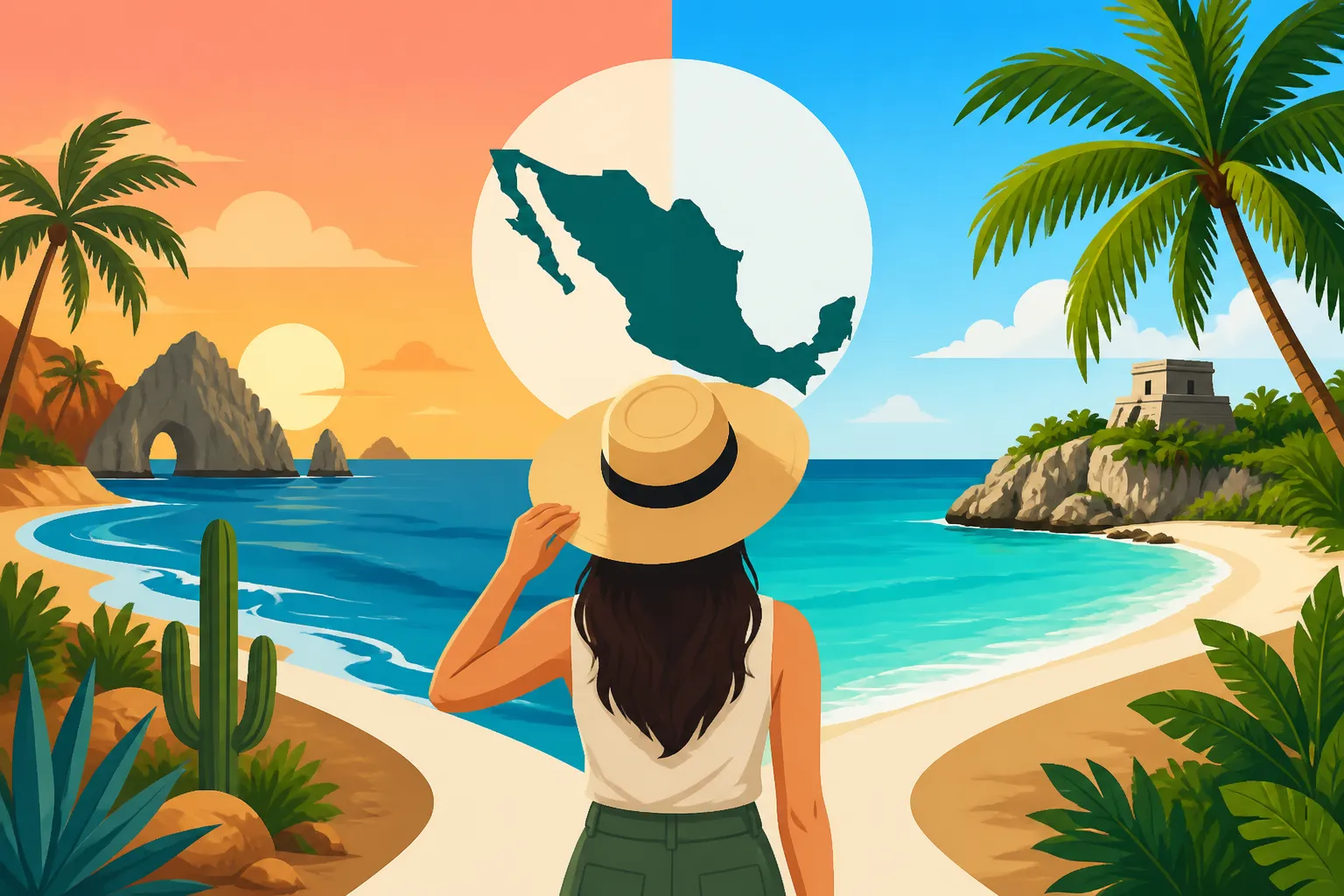
So, you've narrowed down your travel dreams to Mexico – fantastic choice! But now you're staring at the map, maybe a little overwhelmed, wondering if those iconic turquoise waters of the Caribbean are calling your name, or if the dramatic sunsets and rugged charm of the Pacific coast are more your speed. Trust me, I’ve been there, agonizing over the perfect slice of paradise. This guide is here to help you dissect the unique allure of each side of this incredible country, ensuring you pick the destination that truly resonates with your travel style and expectations.
Disclosure: This post may contain affiliate links. We may earn a commission at no extra cost to you if you make a purchase through these links. Read full disclosure.
The Caribbean Coast: Turquoise Waters and Resort Vibes in the Yucatán Peninsula
Let's start with the undeniably famous Caribbean coast, often synonymous with the Yucatán Peninsula and places like Cancun, Playa del Carmen, and Tulum. This region is a magnet for those seeking that quintessential tropical postcard image: blindingly white sand, calm, shallow turquoise waters perfect for swimming, and a generally vibrant, developed tourist infrastructure.
If your idea of a perfect vacation involves easing into resort life, with everything at your fingertips, the Caribbean side might just be your heaven. Think sprawling all-inclusive resorts, beach clubs pulsating with chill music, and a general atmosphere geared towards international visitors. You’ll find English spoken widely here, especially in the larger tourist hubs, making navigation incredibly easy for first-time visitors or those less comfortable practicing their Spanish. Transportation is a breeze, with direct flights into Cancún International Airport (CUN) from countless cities, and efficient shuttle services or comfortable ADO buses to whisk you away to your chosen town. For exploring local tours or booking activities like snorkeling with turtles in Akumal or visiting the ancient ruins, sites like Viator offer a plethora of options that you can easily arrange online.
Beyond the resorts, the Caribbean coast offers a unique blend of natural wonders and ancient history. The region is famous for its cenotes – natural swimming holes and caves filled with crystal-clear fresh water, perfect for a refreshing dip away from the saltwater. There are thousands of them, each with its own character, from open-air pools to cavernous underground systems. You're also within easy reach of some of Mexico's most iconic Mayan archaeological sites, like the majestic Chichén Itzá, the coastal ruins of Tulum perched dramatically over the sea, and the sprawling city of Ek Balam. These sites offer a fascinating glimpse into Mexico's rich pre-Hispanic past, a stark contrast to the modern resort amenities.
However, it's not all sun-drenched perfection. The popularity of the Caribbean coast means it can get very crowded, especially during peak seasons like spring break and winter holidays. Prices for accommodation, food, and activities tend to be higher than in other parts of Mexico. Another significant consideration, particularly in recent years, is sargassum (seaweed). While efforts are made to clean the beaches, certain times of the year can see large influxes of sargassum, which can alter the pristine beauty of the coastline and affect swimming conditions. For more detailed information on managing this, you might want to read our guide on How to Avoid Sargassum Seaweed on Mexico's Caribbean Coast. If your idea of "authentic Mexico" involves quiet cobblestone streets and local markets where Spanish is almost exclusively spoken, you might find the heavily touristed areas of the Caribbean coast a bit less, shall we say, "raw." But for a seamless, amenity-rich, and visually stunning beach vacation, it's truly hard to beat.
The Pacific Coast: Rugged Beauty and Diverse Cultural Tapestry
Now, let's pivot to Mexico's Pacific coast, a vastly different beast that stretches thousands of kilometers from the Baja California Peninsula down to the southern state of Oaxaca. This side of the country offers a more diverse, often more rugged, and in many areas, a more traditionally Mexican experience.
The Pacific coastline is known for its dramatic cliffs, powerful waves, and spectacular sunsets that paint the sky in fiery hues. While you’ll find gorgeous sandy beaches, they often have a wilder, untamed feel compared to the placid Caribbean. Surfers flock to spots like Puerto Escondido in Oaxaca or the various breaks along the Riviera Nayarit, including the ever-popular Sayulita, for its consistent waves. Whale watching is a major draw during the winter months, especially in destinations like Baja California Sur and Puerto Vallarta, where majestic humpbacks come to breed and calve. For adventurers, there are countless opportunities for deep-sea fishing, exploring hidden coves, and enjoying outdoor activities against a backdrop of mountains meeting the sea. For longer journeys along the coast or between states, services like Busbud can be incredibly useful for finding comfortable, affordable bus routes, connecting you to smaller, charming towns that might not have airports.
Culturally, the Pacific coast offers a more varied tapestry. In states like Oaxaca, you'll encounter a profound indigenous heritage, evident in the vibrant artisan markets, unique culinary traditions (hello, mole and mezcal!), and deeply rooted festivals. Towns here often feel more lived-in, with a slower pace of life, and while tourism is present, it often blends more seamlessly with local daily routines. Finding English speakers might be less common outside of major resorts or expat enclaves like Puerto Vallarta or Los Cabos, but that just means more opportunities to practice your Spanish and immerse yourself! You can explore the rich culture of this region further in our guide to The Pacific Coast: Puerto Vallarta to Oaxaca.
The Pacific coast encompasses a wide range of destinations. You have the glamorous, upscale resorts of Los Cabos, perfect for luxury travelers and golf enthusiasts. Then there's the bustling, charming city of Puerto Vallarta, which offers a mix of traditional Mexican culture, a lively LGBTQ+ scene, and beautiful beaches, as detailed in our guide Living in Puerto Vallarta: Coastal Living Guide for Expats. Further south, the Oaxaca coast boasts laid-back surf towns like Puerto Escondido and the more developed, yet still relaxed, bays of Huatulco. Each destination has its own distinct personality, making it suitable for different types of travelers.
The drawbacks? Travel can be a bit more complex. While major cities like Puerto Vallarta and Los Cabos have international airports, reaching some of the smaller, more off-the-beaten-path gems might require a combination of flights, buses, and even local taxis, which can extend travel times. The ocean can be rougher, with strong currents in some areas, so swimming might be limited to specific designated beaches or calmer bays. And while prices can generally be more affordable than the Caribbean, particularly outside of prime tourist zones, exclusive resorts in places like Los Cabos can easily rival or surpass Caribbean luxury prices.
Key Differences to Consider for Your Trip
Deciding between these two incredible coasts often comes down to personal preference, budget, and the kind of experience you're chasing. Let's break down some critical areas of comparison to help you weigh your options.
Beaches and Water Activity
The most immediate difference you'll notice is the water and the beaches themselves. The Caribbean coast (Cancun, Riviera Maya) is famous for its calm, warm, clear, shallow, and brilliantly turquoise waters, often protected by barrier reefs. The sand here is typically fine, white, and powdery, made from crushed coral. This makes it ideal for swimming, snorkeling, scuba diving in reefs, and exploring cenotes – those incredible freshwater sinkholes. If you envision yourself floating in tranquil waters, gazing at tropical fish, this is your spot.
In contrast, the Pacific coast boasts more dramatic, powerful ocean waves. The beaches are often broader, with sand that can range from golden to a darker, more volcanic hue, depending on the region. The water tends to be deeper and less translucent than the Caribbean. This environment is a paradise for surfers, bodyboarders, and those who love the raw power of the ocean. Whale watching is a huge draw here during specific seasons, particularly in Baja California Sur and the Nayarit coast. If you're looking for serene, glass-like waters, the Pacific might not always deliver, but if you crave exhilarating waves or dramatic ocean vistas, it certainly will.
Culture and Authenticity
When it comes to cultural immersion, both coasts offer unique flavors, but with different intensities. The Caribbean coast, especially in its major hubs, has become very internationalized. English is widely spoken, and the food scene often caters to a global palate, with many international restaurant chains alongside Mexican fare. While you can find authentic experiences, you might have to seek them out beyond the main tourist strips. For many, this offers a comfortable "soft landing" into Mexican culture.
The Pacific coast, generally speaking, tends to offer a more "local" or "authentic" Mexican experience, particularly as you venture into smaller towns or states like Oaxaca. Here, Spanish is predominantly spoken, and traditional markets, local eateries, and age-old customs are more ingrained in daily life. You'll often find a stronger sense of regional identity, whether it's the mariachi culture of Jalisco (near Puerto Vallarta) or the indigenous artistry of Oaxaca. Of course, heavily touristed areas like Los Cabos or parts of Puerto Vallarta also have a polished, international feel, but even there, local culture often feels closer to the surface.
Cost and Infrastructure
Your budget will definitely play a role. Generally, the Caribbean coast can be more expensive, especially if you opt for all-inclusive resorts and stay within the well-developed tourist zones. Flights into Cancún are often competitive, but once you're on the ground, everything from taxis to meals can carry a premium. The infrastructure here is robust, with excellent roads, modern amenities, and plenty of organized tour options that you can book through platforms like Booking.com for accommodations or Viator for activities.
The Pacific coast offers a broader range of price points. You can find very affordable accommodations and food in smaller towns, making it a favorite for budget travelers and backpackers. However, upscale destinations like Los Cabos can be incredibly pricey, rivalling any luxury destination worldwide. Infrastructure can be a mixed bag; major cities are well-connected, but getting to more remote beaches or villages might involve less direct routes and local transportation. Depending on the city, domestic flights or even long-distance buses (easily found on Busbud) might be your best bet for inter-city travel. For a deeper dive into financial planning, explore our article on the Cost of Living by City in Mexico.
Here's a quick comparison table:
| Feature | Caribbean Coast (Yucatán Peninsula) | Pacific Coast (e.g., Jalisco, Oaxaca, Baja Sur) |
|---|---|---|
| Water & Beaches | Calm, clear, turquoise, white sand. Ideal for swimming, snorkeling, diving, cenotes. | Rougher waves, dramatic cliffs, varied sand. Ideal for surfing, whale watching, deep-sea fishing. |
| Vibe | Resort-focused, international, lively nightlife, seamless tourism. | Diverse, more rugged, varied cultural immersion, authentic local feel in many areas. |
| Major Hubs | Cancún, Playa del Carmen, Tulum, Cozumel, Isla Mujeres. | Puerto Vallarta, Sayulita, Puerto Escondido, Huatulco, Los Cabos. |
| Accessibility | Very easy, numerous direct international flights to CUN, excellent roads. | Varies by location; major airports (PVR, SJD, OAX), but some areas require more travel. |
| Cost | Generally higher, especially for resorts. | Broad range, from very affordable to ultra-luxury (Los Cabos). |
| Language | English widely spoken in tourist areas. | Spanish more prevalent; English in major tourist hubs/resorts. |
| Key Attractions | Mayan ruins (Chichén Itzá, Tulum), cenotes, reefs, resorts. | Surfing, whale watching, traditional towns, diverse cuisine, nature. |
| Consideration | Sargassum (seaweed) can impact beaches seasonally. | Ocean currents can be strong; less "calm water" swimming. |
Making Your Choice: What Kind of Traveler Are You?
Ultimately, the "best" coast for you depends entirely on what you prioritize in a trip.
Choose the Caribbean Coast if:
- You dream of postcard-perfect white sand beaches and tranquil, clear turquoise waters.
- Your ideal vacation involves relaxing at a resort, perhaps all-inclusive, with easy access to amenities and organized tours.
- You want minimal language barriers and a well-established tourist infrastructure.
- You're keen on exploring ancient Mayan ruins like Chichén Itzá and swimming in magical cenotes.
- You don't mind crowds and a more international, lively atmosphere.
- You're looking for an easy, family-friendly trip where everything is well-organized.
Choose the Pacific Coast if:
- You crave dramatic ocean views, rugged landscapes, and breathtaking sunsets.
- You're interested in surfing, whale watching, or deep-sea fishing.
- You want a deeper dive into local Mexican culture, culinary traditions, and vibrant communities, possibly with fewer foreign tourists.
- You prefer a wider variety of experiences, from bustling cities like Puerto Vallarta to laid-back surf towns like Sayulita or the rich cultural tapestry of Oaxaca.
- You're comfortable with a bit more adventure in your travel, potentially navigating less-developed areas.
- You're looking for more diverse price points, from budget-friendly to high-end luxury.
Many experienced travelers to Mexico find themselves drawn to both coasts at different times, appreciating their distinct offerings. If you have the time, you could even consider an itinerary that incorporates a taste of each, flying between regions to experience the best of both worlds. Whether it's the serene beauty of the Caribbean or the wild charm of the Pacific, Mexico promises an unforgettable adventure. Just remember, no matter which you choose, you're in for a treat! You might even decide to stay, in which case our guide on The Ultimate Guide to Mexico's Visa and Residency Options could be helpful.
Disclaimer
Please remember that travel information and local conditions can change rapidly. While we strive to provide the most current and accurate advice, it’s always wise to double-check official government advisories, local regulations, and current news before and during your trip. This guide offers general information and recommendations, but personal experiences may vary.