Mariachi and Live Music in Mexico
For many newcomers, the sheer volume and omnipresence of music in Mexico can be a sensory shock. You might find yourself trying to enjoy a quiet dinner only to be surrounded by a twelve-piece brass ensemble, or wondering why the local plaza is pulsing with accordions at 11:00 PM on a Tuesday. This guide breaks down the cultural nuances of the Mexican music scene, helping you transition from a confused spectator to someone who knows exactly when to shout, how to tip, and where to find the most authentic performances.
Disclosure: This post may contain affiliate links. We may earn a commission at no extra cost to you if you make a purchase through these links. Read full disclosure.
The Soul of the Nation: Understanding the Mariachi Tradition
Mariachi is far more than just a genre of music; it is a fundamental pillar of Mexican identity. When you see a group of musicians in their ornate suits, you are looking at centuries of history woven into a single performance. For the expat, understanding this tradition is the first step toward feeling at home. It isn't just "background noise" for tourists; it is the soundtrack to every major life event in Mexico, from weddings and birthdays to funerals and the most heartbreaking of breakups.
Origins and the Iconic Attire
The roots of Mariachi are most deeply planted in the state of Jalisco, particularly in the regions surrounding Guadalajara. While legends vary on the name's origin, most historians agree it evolved from the coca language of the indigenous people or perhaps a variation of the French word for marriage, though that theory is often debated over tequila. What isn't debated is the visual impact of the musicians.
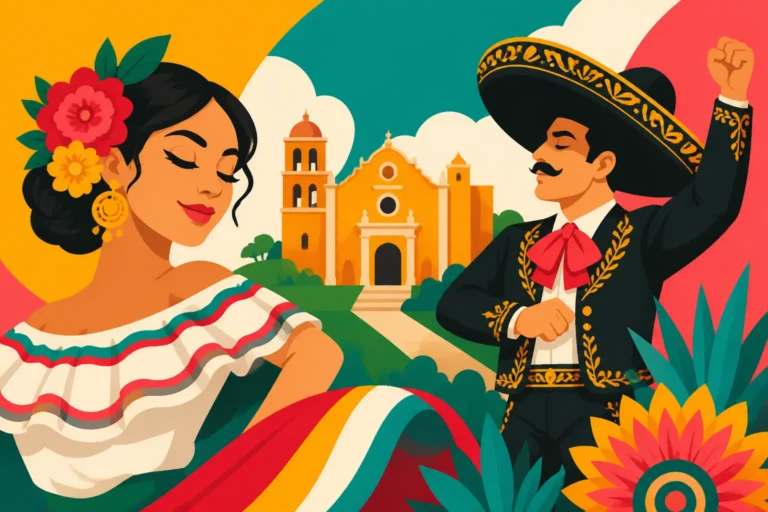
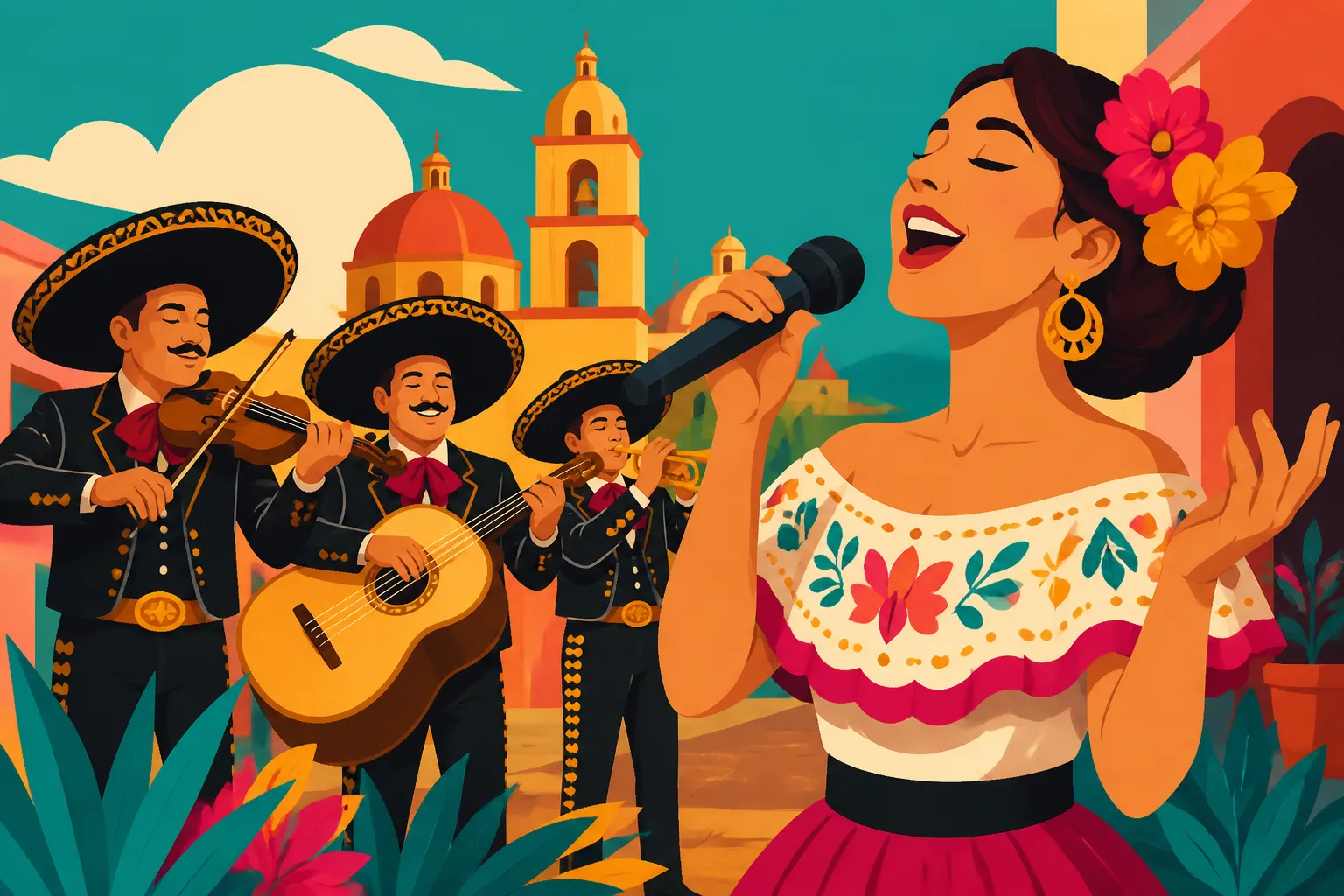
The traje de charro is the standard uniform you will see. These are not costumes; they are traditional horseman suits that carry immense prestige. A high-quality suit can cost thousands of dollars, featuring intricate embroidery known as pokerado and silver or suede buttons along the legs. When you see a band walking through a park in 90-degree heat, remember that their attire is a symbol of professional pride. If you are exploring the city for the first time, checking Mexico City for First-Time Visitors: Neighborhoods and Highlights will help you find the districts where these iconic figures are most frequently seen.
The Instruments That Define the Sound
To the untrained ear, it might just sound like a wall of brass and strings, but the specific instrumentation of a Mariachi group is highly standardized. You have the violins for the melody, the trumpets for that piercing emotional edge, and the classical guitar. However, the true soul of the group lies in the vihuela and the guitarrón.
The vihuela is a small, high-pitched five-string guitar with a curved back that provides the rhythmic backbone and a distinct "snap" to the sound. The guitarrón is the massive, deep-bodied acoustic bass that the musician usually supports with a strap. It has no frets, and the player must have incredible finger strength to pull the strings for that deep, resonating thump. Watching a guitarrón player in action is a masterclass in physical endurance. If you find yourself wanting to learn more about the language used to describe these performances, you might want to brush up on Spanish Language and Everyday Communication for Visitors to better interact with the musicians.
The UNESCO Heritage Status
In 2011, UNESCO recognized Mariachi as part of the Intangible Cultural Heritage of Humanity. This wasn't just a vanity title; it was a recognition that this music is a primary vehicle for transmitting values, history, and different indigenous languages. For an expat living here, realizing that the band playing at the table next to you is part of a protected global heritage changes the way you perceive the "noise." It is a living, breathing history lesson that happens every night of the week.
Navigating Plaza Garibaldi: The Mecca of Mariachi
If you are in Mexico City, your musical journey will inevitably lead you to Plaza Garibaldi. Located just north of the historic center, this plaza is the undisputed headquarters for Mariachi in the capital. However, for a foreigner, it can be an intimidating place. It is loud, crowded, and has a gritty edge that can be off-putting if you aren't prepared for it.
Survival Tips for First-Timers
Garibaldi is a "working" plaza. Musicians gather here 24 hours a day, waiting for clients to hire them for a song or a full event. You will be approached by "scouts" or the musicians themselves the moment you step out of your taxi. My advice? Don't be afraid. A polite "No, gracias, ahorita no" is usually enough if you just want to walk through.
However, if you want the full experience, you should pick a group that looks well-rested and has a complete set of instruments. For those staying nearby, many people use Booking.com to find hotels in the Bellas Artes area, which is within a reasonable walking distance or a very short ride to the plaza. Always keep an eye on your belongings, as the festive atmosphere can sometimes be a distraction for pickpockets. Reviewing Staying Safe in Mexico: Practical Tips for Travelers is highly recommended before you head into the more crowded nightlife zones.
The Famous Salón Tenampa
If the open plaza feels too chaotic, head straight for Salón Tenampa. Established in 1925, this is the most legendary cantina in Mexico. The walls are covered in murals of the giants of Mexican cinema and music, like Pedro Infante and José Alfredo Jiménez. Here, you can sit down, order a tequila, and the musicians will come to your table.
There is a specific protocol here: you pay per song. As of 2026, the price for a full Mariachi song at your table in Tenampa usually ranges from 150 to 300 pesos depending on the size of the band. It is worth every cent. The acoustics of the old building, combined with the smell of birria and the sight of a dozen musicians in full regalia, creates an atmosphere you won't find anywhere else in the world. For a deeper look at the rules of the house, see How to Experience a Mexican Cantina as a Visitor.
Alternative Spots in Mexico City
While Garibaldi is the most famous, it isn't the only place to hear great live music. Many upscale restaurants in Polanco and Coyoacán have house bands that perform during the comida (afternoon meal). These settings are often much more relaxed and family-friendly. Places like Villa María in Polanco offer a high-energy show where the musicians move through the dining room, encouraging patrons to sing along. If you are planning a night out, check Nightlife in Mexico City: Bars and Clubs for a curated list of spots that offer live performances without the grit of the plaza.
The Jalisco Experience: Where Tradition Lives
To truly understand Mariachi, you eventually have to go to the source: Jalisco. Guadalajara and its surrounding towns offer a version of the music that feels more rural and perhaps more "pure" than what you find in the megalopolis of Mexico City.
Tlaquepaque and the Center of Mariachi
Tlaquepaque is a "Pueblo Mágico" located within the Guadalajara metropolitan area. It is famous for its pottery, but its heart is the El Parian. This is a massive complex of restaurants and bars surrounding a central gazebo (kiosko). In the afternoons and evenings, Mariachi bands take turns performing in the center while people eat and drink under the surrounding portals.
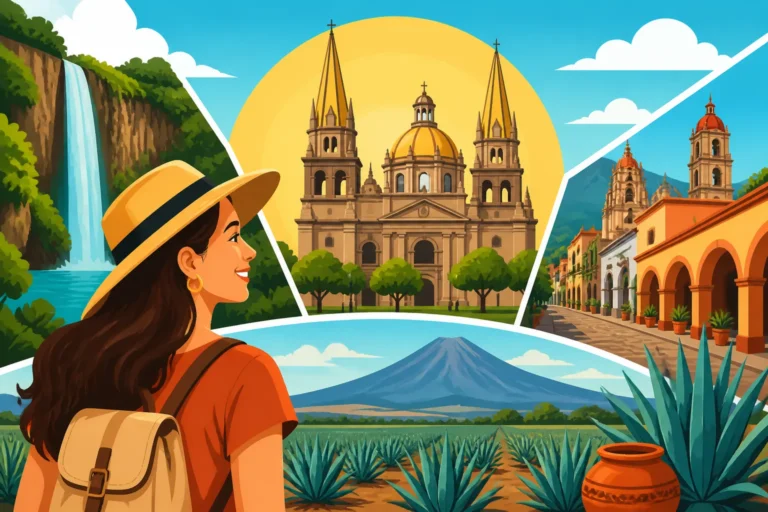
It is a much more colorful and "folkloric" experience than Garibaldi. The vibe is celebratory rather than frantic. Many expats find this to be their favorite place in all of Mexico because it perfectly encapsulates the "Fiesta" spirit. You can easily find transportation to Guadalajara via Busbud if you are traveling from other major hubs like Querétaro or Morelia. Once you arrive, a visit to Tlaquepaque is non-negotiable. If you have extra time, consider some Best Day Trips From Guadalajara to see the agave fields where the tequila that fuels this music is born.
The International Mariachi and Charreria Festival
If you happen to be in Guadalajara in late August or early September, you are in for a treat. The city hosts the Encuentro Internacional del Mariachi y la Charrería. This is a massive festival that draws bands from as far away as Japan, Croatia, and the United States. There are gala performances in the stunning Teatro Degollado, public concerts in the plazas, and parades through the streets. It is the best time to see how this Mexican tradition has truly become a global phenomenon.
Smaller Towns with Big Sounds
Don't overlook the smaller towns. Places like Cocula, which claims to be the actual birthplace of Mariachi, have local museums and town squares where the music is part of the daily fabric of life. In these towns, you might find "Mariachi Tradicional," which uses only string instruments (no trumpets). It is a softer, more rhythmic sound that predates the modern version we see in films.
| Region | Primary Genre | Key Instrument | Vibe |
|---|---|---|---|
| Jalisco | Mariachi | Guitarrón | Grand, Patriotic, Emotional |
| Veracruz | Son Jarocho | Arpa (Harp) | Upbeat, Rhythmic, Coastal |
| Sinaloa | Banda | Sousaphone/Tuba | Loud, Brass-Heavy, Party |
| Nuevo León | Norteño | Accordion | Story-driven, Polka-influenced |
| Yucatán | Trova | Guitar/Requinto | Romantic, Soft, Poetic |
Beyond the Trumpets: A Tour of Regional Rhythms
While Mariachi gets all the glory, Mexico is home to a staggering variety of regional music styles. As an expat, you will quickly realize that the music changes as soon as you cross state lines.
Son Jarocho and the Veracruz Harp
If you head to the Gulf Coast, specifically the state of Veracruz, the trumpets disappear and are replaced by the harp and the jarana (a small eight-string guitar). Son Jarocho is a fusion of Spanish, African, and indigenous influences. It is the music of "La Bamba," and it is incredibly infectious.
The best way to experience this is at a fandango, a community celebration where people take turns dancing on a wooden platform called a tarima. The rhythmic footwork, known as zapateado, actually serves as a percussion instrument for the band. It is a communal, earthy style of music that feels very different from the formal presentation of a Mariachi group.
Banda and Norteño: The Heartbeat of the North
If you live in the northern states or in working-class neighborhoods of any major city, you will hear Banda and Norteño. Banda is essentially a brass marching band on steroids. It is loud, bass-heavy, and features a sousaphone providing the rhythm. It is the music of the baile (dance) and is immensely popular with the younger generation.
Norteño, on the other hand, is defined by the accordion and the bajo sexto (a twelve-string bass guitar). It has heavy influences from the German and Polish immigrants who settled in Northern Mexico and Southern Texas, which is why it often sounds like a polka with a Spanish twist. The lyrics usually focus on the hardships of border life, love, and "corridos" (story-songs).
Trova and Bolero: The Romantic Side of Mexico
In the Yucatán Peninsula, the mood shifts again. Trova Yucateca is romantic, poetic, and much softer. It relies on tight vocal harmonies and intricate guitar work. If you are in Mérida, spending an evening in the Plaza Santa Lucía during their weekly serenade is a highlight of living in the region. It is the perfect soundtrack for a humid tropical night. Understanding these social settings is easier when you know the basics of Mexican Social Etiquette for Visitors: Greetings and Warmth.
The Unwritten Rules of the Live Music Scene
For many foreigners, the act of interacting with live musicians is the most stressful part. Do you just stand there? Do you have to pay? When do you clap?
How to Hire a Musician on the Fly
In many tourist areas or traditional restaurants, musicians will roam between tables. If you want them to play for you, a simple nod or a raised hand when they look your way is enough. Usually, they will ask, "¿Gusta una canción?" (Would you like a song?).
If you say yes, they will usually give you a "menu" of songs or ask for your preferences. If you don't know any songs, you can't go wrong with classics like "Cielito Lindo," "El Rey," or "Si Nos Dejan." Once the song is over, they will expect payment immediately. This is separate from your restaurant bill. Ensure you have cash on hand, as almost no roaming musician takes card. For more on how to handle these transactions, read Tipping in Mexico (Propina): When and How Much.
The Art of the Grito
You will often hear musicians or audience members let out a high-pitched, emotional wail during a song. This is the grito mexicano. It isn't just a random scream; it is an expression of joy, pain, or "feeling" the music. As an expat, nothing will earn you more respect from the locals than a well-timed, soul-shredding grito. Don't worry about being perfect; the effort alone is usually rewarded with cheers and a round of tequila.
Tipping and Payment Logistics
If a band is playing a stage and not taking individual requests at tables, a tip jar is usually placed at the front. If you enjoyed the set, dropping 50 or 100 pesos is a kind gesture. If they are playing at your table, the price is fixed per song. Never try to "haggle" with musicians over the price of a song; it is considered extremely disrespectful. These people are professionals who have practiced for years to master their craft.
Modern Live Music and the Festival Circuit
While traditional music is the backbone of the country, Mexico has a thriving modern scene. From world-class jazz to massive indie rock festivals, there is something for every musical palate.
Rock, Indie, and Jazz Venues
Mexico City is the hub for modern sounds. Venues like El Plaza Condesa (currently undergoing renovations but a staple) or the Auditorio Nacional host major international acts. For something more intimate, Zinco Jazz Club in the city center is a basement venue that feels like it was transported directly from 1950s New York.
If you are looking for local indie talent, the neighborhoods of Roma and Condesa are filled with small bars where young bands are reinventing Mexican music by mixing traditional rhythms with electronic and rock elements. Using Viator to find guided "nightlife" or "hidden bar" tours is a great way to discover these spots without getting lost in the sprawl.
Planning Your Trip Around Music Events
If you are a music lover, you might want to schedule your move or your visits around the major festivals.
- Vive Latino: One of the most important Spanish-language rock festivals in the world, held annually in Mexico City.
- EDC Mexico: A massive electronic dance music festival that attracts the world's top DJs.
- Corona Capital: Focuses on international alternative and pop acts, usually held in the fall.
- Cervantino: Held in Guanajuato every October, this is the most important cultural festival in Latin America, featuring everything from opera to folk music.
Practical Tips for Navigating the Music Scene
To truly enjoy the live music scene in Mexico, you need to manage the logistics properly. It isn't just about where to go, but how to get there and how to behave once you arrive.
- Cash is King: Always carry small denominations of pesos (20s, 50s, 100s). Paying for a 150-peso song with a 500-peso bill is a headache for the musicians and for you.
- Transportation: Late-night music often means late-night travel. Use reputable ride-sharing apps rather than hailing cabs on the street, especially if you have been drinking.
- Ear Protection: Some of the smaller venues and "Banda" bars can be incredibly loud—literally ear-splitting. It is not "un-cool" to wear high-fidelity earplugs.
- Respect the Space: If a band is playing at the table next to you, try to keep your conversation at a lower volume. It is their workspace, and the patrons at the next table are paying for the performance.
Disclaimer
The information provided in this guide is for informational purposes only. Local prices, venue availability, and safety conditions in Mexico can change rapidly. Always verify specific details locally and exercise personal judgment when exploring nightlife areas.