Christmas and Las Posadas in Mexico
The holiday season can be a wonderfully nostalgic but sometimes lonely time for expats, especially when you're far from the familiar traditions of home. Trying to navigate Christmas in a new country like Mexico, with its unique customs and celebrations, can feel like stepping into a beautiful, chaotic, and utterly charming whirlwind. This guide is here to walk you through the vibrant tapestry of Mexican Christmas, from the enchanting Las Posadas to the lively New Year's Eve festivities, helping you not just survive, but truly embrace the magic.
Disclosure: This post may contain affiliate links. We may earn a commission at no extra cost to you if you make a purchase through these links. Read full disclosure.
Unpacking Las Posadas: The Heart of Mexico's Christmas Countdown
If you've spent any time in Mexico during December, you've undoubtedly encountered the sounds and sights of Las Posadas. These aren't just quaint little holiday parties; they are deep-rooted, communal reenactments of Joseph and Mary's search for lodging in Bethlehem, and they are absolutely central to the Mexican Christmas experience. For many, this is where the real holiday spirit truly begins.
The Tradition of Seeking Shelter
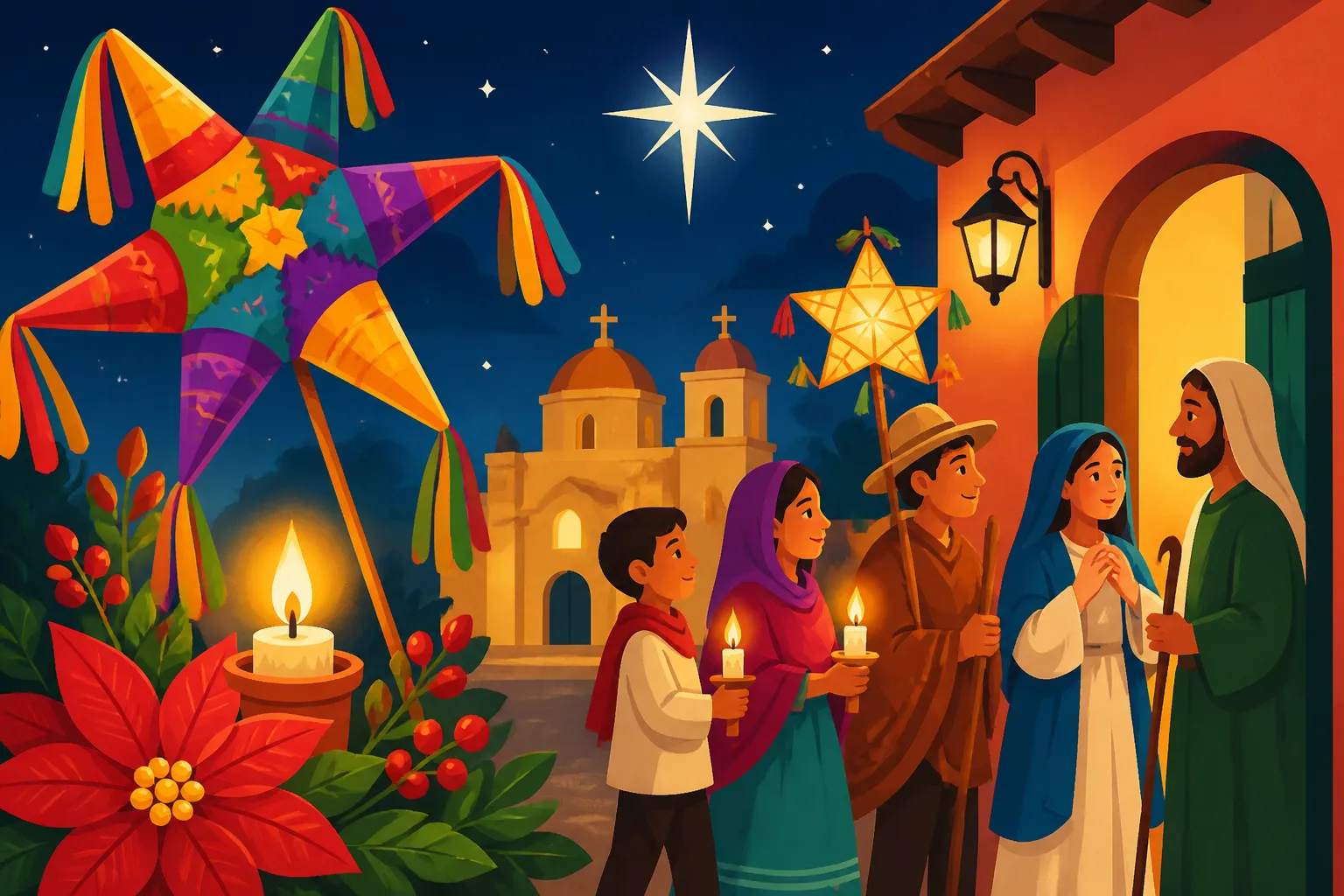
Starting precisely on December 16th and running nightly until December 24th, Las Posadas transform neighborhoods into living Nativity scenes. Imagine groups of people, often families and friends, parading through the streets after dusk, carrying candles and sometimes even figures of Mary and Joseph. This procession is not just a walk; it's a plea. The group divides into two: one outside a designated house (representing the inn), asking for shelter, and another inside, initially refusing them. This back-and-forth is done through traditional songs, known as villancicos, where the "pilgrims" sing their request and the "innkeepers" sing their denial. It’s a beautifully symbolic and often moving exchange, even if you don't understand all the Spanish.
The "innkeepers" eventually relent, and the entire group enters the home, which becomes the temporary "inn" for the evening's festivities. This ritual happens nightly, moving to a different home each night, culminating on Christmas Eve. For an expat, understanding this core narrative helps you appreciate the profound cultural significance, rather than just seeing it as another party. It's a testament to hospitality, community, and faith that defines the spirit of the season here. If you're lucky enough to be invited to a posada, don't hesitate! It's an incredible opportunity to immerse yourself in local culture.
Piñatas, Ponche, and Plenty of Cheer
Once inside the "inn," the atmosphere shifts from solemn procession to joyful celebration. This is where the fun really kicks in! The star attraction for many, especially children (and let's be honest, adults too), is the piñata. Traditionally, piñatas for Posadas are seven-pointed stars, each point representing one of the seven deadly sins. Breaking the piñata with a stick (symbolizing faith) while blindfolded (representing blind faith) signifies overcoming temptation. It's a lively affair, filled with laughter, shouts of encouragement, and a scramble for candies and small toys when the piñata finally breaks.
Alongside the piñata, you'll find an abundance of delicious traditional treats. Ponche navideño, a warm, spiced fruit punch, is a staple, often spiked with a shot of piquete (usually tequila or rum) for the adults. You'll also likely encounter tamales, buñuelos (fried dough fritters drizzled with syrup), and an assortment of candies and snacks. The sense of community is palpable; neighbors chat, children play, and everyone shares in the festive bounty. It’s truly a sensory overload in the best possible way. Even if you don't speak fluent Spanish, the warmth and generosity of the hosts are universally understood. Don't be shy about asking for seconds of that delicious ponche!
The Magic of Christmas Eve (Nochebuena) and Christmas Day (Navidad)
While many countries celebrate Christmas Day as the main event, in Mexico, Nochebuena, or Christmas Eve, holds particular significance. It's the pinnacle of the holiday season, often marked by grand family gatherings and heartfelt traditions that carry well into the night.
Nochebuena: The Grand Family Fiesta
Christmas Eve in Mexico is a colossal family affair, and if you thought the posadas were lively, Nochebuena takes it up a notch. This is when extended families, sometimes dozens strong, gather for a lavish dinner that often starts late in the evening and stretches past midnight. It's a time for everyone to dress up, share gifts, and simply revel in each other's company. The air is often filled with music, laughter, and the joyous commotion of many generations celebrating together. You'll often see fireworks being set off as midnight approaches, painting the sky with bursts of light and color.
The Christmas Eve dinner itself is a feast. While dishes vary by region and family, common elements include bacalao a la Vizcaína (salted cod stew), romeritos (a dish made with seepweed and mole), roasted turkey, pierna de cerdo (pork leg), and a colorful ensalada de Nochebuena (Christmas Eve salad) featuring apples, beets, and nuts. This is a meal meant to be savored slowly, punctuated by conversation, toasts, and the occasional burst of song. If you’re lucky enough to be invited to a Mexican family’s Nochebuena, prepare for a long, joyous, and incredibly filling night. It’s a powerful experience of connection and warmth. Remember that Mexican Etiquette and Customs: Do's and Don'ts for New Expats apply, so bring a small gift for the host family.
Christmas Day: A Quieter Reflection
Unlike the boisterous energy of Nochebuena, Christmas Day, or Navidad, in Mexico is generally a much more subdued affair. Many families spend the day recovering from the previous night's festivities, perhaps enjoying leftovers from the grand dinner. It's a day for quiet reflection, family time, and sometimes a trip to Mass. The gift exchange often happens either at midnight on Christmas Eve or early on Christmas Day, so the morning is usually spent enjoying the new presents.
Public celebrations are minimal on Christmas Day itself. Most businesses are closed, and streets are noticeably quieter. It’s a stark contrast to the lively buildup of the posadas and the grand Nochebuena celebration. For expats who are used to Christmas Day being the main event, this can feel a little strange, but it’s a beautiful rhythm in its own right – a day to truly unwind and appreciate the calm after the storm of celebration. If you're traveling during this time, be aware that transportation might be limited, though services like Busbud can often help you plan journeys between cities.
Delicious Traditions: Christmas Foods and Drinks
Mexican holiday cuisine is a universe unto itself, a delicious blend of indigenous, Spanish, and even some French influences. Preparing these dishes is often a communal activity, with recipes passed down through generations.
Feast of Flavors: Main Dishes
The main dishes for Nochebuena are truly special and often labor-intensive, making them perfect for grand celebrations. As mentioned, bacalao a la Vizcaína is a classic, particularly in central Mexico. This hearty salted cod stew, rich with tomatoes, olives, capers, and chilies, is a testament to Spain's enduring influence. Another favorite is romeritos, an intriguing dish combining seepweed with mole sauce, potatoes, and often shrimp patties. It's an acquired taste for some, but deeply beloved by many Mexicans.
For those who prefer something a bit more universally familiar, roasted turkey or pierna de cerdo (pork leg), often marinated in adobo or a fruity sauce, are also very common. These are typically served with various side dishes, including rice, salads, and plenty of warm tortillas. Each region and family will have its own special twist, creating a diverse culinary landscape. Exploring these flavors is one of the joys of Mexican Food Culture: Eating and Drinking as a Visitor, especially during the holidays.
Sweet Treats and Festive Sips
No Mexican holiday meal is complete without an array of delectable desserts and beverages. The aforementioned ponche navideño is practically non-negotiable. This warm, fragrant punch is made with seasonal fruits like tejocotes (hawthorn), guava, apples, and plums, sweetened with piloncillo (unrefined brown sugar), and spiced with cinnamon sticks. It's soul-warming and utterly delicious, whether you add a piquete or not.
For sweets, buñuelos are a must-try. These crisp, fried dough fritters, often shaped like thin wheels, are typically dusted with cinnamon sugar or drizzled with piloncillo syrup. Another popular treat is rosca de Reyes, though this is more associated with Epiphany (January 6th), it's often seen in bakeries throughout the holiday season. Candied fruits, nuts, and various cookies also make an appearance. If you have a sweet tooth, you'll be in heaven! Remember to check out local markets for the freshest ingredients if you're feeling adventurous enough to try making some of these yourself.
Beyond Christmas: Día de Reyes and Candelaria
The Mexican holiday season doesn't just end with Christmas Day. The festive spirit stretches well into January and even February, with two more significant celebrations that are deeply ingrained in the cultural fabric.
Día de Reyes: The Arrival of the Three Kings
On January 6th, Mexico celebrates Día de Reyes (Three Kings' Day or Epiphany), commemorating the arrival of the Three Wise Men who brought gifts to the infant Jesus. This day is almost as important as Christmas for children, as it's traditionally when they receive their main gifts. Families often wake up to find gifts left by the "Reyes Magos" – Melchior, Gaspar, and Balthazar.
The cornerstone of Día de Reyes is the Rosca de Reyes, a sweet, ring-shaped bread adorned with candied fruits. Hidden inside the rosca are one or more small plastic or ceramic figures of a baby Jesus. The person who finds the baby in their slice is designated the "godparent" of Jesus for the next celebration, Día de la Candelaria, and is responsible for hosting that party. It's a fun, interactive tradition that keeps the festive cheer going long after December 25th. Many bakeries throughout Mexico, from small panaderías to larger chains, will prominently feature roscas in the weeks leading up to January 6th.
Candelaria: Tamales and Community
Día de la Candelaria (Candlemas) on February 2nd officially marks the end of the Christmas season. This day brings together all those who found the baby Jesus in their Rosca de Reyes. The designated "godparent" hosts a party, and the traditional food for the occasion is tamales and atole (a warm, thick masa-based drink). It's a joyful gathering, reinforcing community bonds and celebrating the end of the longest holiday season of the year.
This long tail of celebrations, from the posadas in mid-December to Candelaria in early February, truly highlights the Mexican approach to holidays: they are extended periods of community, family, and shared joy. For expats, understanding this extended timeline helps in appreciating the full scope of the festive season here. If you are exploring different parts of the country, Booking.com can be a great resource for finding accommodations during these extended holiday periods, whether you want to experience Día de Reyes in a bustling city or a quiet town.
Navigating the Holidays as an Expat: Tips and Cultural Nuances
For those of us who've moved to Mexico, the holidays can be a mix of excitement and longing for home. Embracing the local culture while also finding ways to connect with your own traditions is key to a fulfilling holiday season.
Managing Expectations and Embracing New Traditions
One of the biggest hurdles for expats during the holidays is managing expectations. Mexico's Christmas is simply different from what many of us grew up with. The emphasis on Nochebuena over Christmas Day, the prolonged posadas, and the continuation of celebrations into January can be a delightful surprise, but also a source of slight disorientation. Don't go into it expecting a carbon copy of your home country's celebrations. Instead, approach it with an open mind and a willingness to participate.
Embrace the new traditions! Join a posada if invited, try every new food offered, and learn a few Spanish phrases for the season. Learning a bit of Spanish Language and Everyday Communication for Visitors will go a long way in making you feel more connected. The warmth of Mexican hospitality is legendary, and locals are usually thrilled when foreigners show genuine interest in their customs. This could be a perfect opportunity to make new friends and deepen your connection to your adopted home.
Practical Considerations for Expats During the Holidays
The holiday season, while magical, also comes with practical considerations for expats. Travel during this time, especially between major cities or popular tourist destinations, can be extremely busy and more expensive. If you're planning to travel, book flights or bus tickets (using platforms like Busbud) well in advance. Keep in mind that many businesses, especially smaller, family-run ones, will close for Nochebuena and Christmas Day, and sometimes for Día de Reyes as well. Plan your grocery shopping accordingly to avoid last-minute rushes.
Additionally, while Mexico is generally a safe place, crowded areas during festivals and markets can be targets for petty theft. Always be mindful of your belongings and surroundings. For more detailed safety information, you might want to review resources like Safety in Mexico: What Expats Need to Know About Staying Safe. Don't forget that tipping culture is strong in Mexico, especially during the holidays. Many service workers rely on tips, so be generous if you can, especially when dining out or using local services.
New Year's Eve (Nochevieja) in Mexico: Saying Adiós to the Old Year
As the Christmas festivities wind down, Mexico gears up for another spirited celebration: Nochevieja, or New Year's Eve. Like Christmas, it's a deeply cultural experience, often celebrated with family, friends, and a host of intriguing traditions meant to usher in good fortune for the coming year.
Family, Fireworks, and Grapes
New Year's Eve in Mexico is typically a vibrant mix of family gatherings and public festivities. Many families hold special dinners, often featuring similar dishes to Nochebuena or other celebratory meals, followed by countdowns and toasts. As midnight approaches, a uniquely Mexican tradition takes center stage: the eating of twelve grapes. With each stroke of the clock marking the new year, you're meant to eat one grape and make a wish. It's a frantic, often hilarious, dash to consume all twelve before the clock finishes chiming, symbolizing good luck for each of the coming twelve months.
Once midnight strikes, the skies often light up with fireworks. While organized displays happen in larger cities like Mexico City or Guadalajara, many families also light their own, creating a decentralized but spectacular show. Parties often continue well into the early morning hours, with music, dancing, and plenty of celebratory cheer. Whether you're in a bustling city or a quiet beach town, the energy is infectious. If you’re considering traveling for New Year’s, popular destinations fill up quickly, so using services like Booking.com to secure your accommodation well in advance is highly recommended.
Good Luck Charms and Rituals for the New Year
Mexicans are big believers in rituals to influence fate, and New Year's Eve is brimming with them. Beyond the twelve grapes, you'll find people engaging in various customs to attract luck, love, and prosperity:
- Wearing specific colored underwear: Red for love, yellow for money. This is a common and often amusing tradition.
- Running around the block with an empty suitcase: This is done to ensure travel in the new year. If you want more travel, run faster!
- Cleaning the house thoroughly: A clean house symbolizes starting fresh and getting rid of old energies.
- Throwing water out the window: To cleanse the home of negativity.
- Placing money in your shoes: To attract wealth.
These traditions are not just superstitions; they're an integral part of the festive fun, often shared with laughter and good humor. Participating in them, even if just for the novelty, is a fantastic way to engage with the local culture. You'll find these rituals observed everywhere, from small family homes to large public squares. Consider exploring some of Mexico's vibrant cities for New Year's, perhaps checking out options in Mexico City and Mexico's Great Cities: Explorer's Guide or a festive coastal town.
Key Holiday Dates and Traditions in Mexico
| Holiday / Tradition | Date(s) | Key Activities | Typical Food / Drink |
|---|---|---|---|
| Las Posadas | Dec 16 – Dec 24 | Nightly processions reenacting Joseph & Mary's journey, communal singing, breaking piñatas, gift exchanges. | Ponche, Tamales, Buñuelos, Atoles, Candies |
| Nochebuena | Dec 24 (Christmas Eve) | Grand family dinners, gift giving at midnight, fireworks, Midnight Mass. | Bacalao, Romeritos, Roasted Turkey/Pork Leg, Ensalada Navideña |
| Navidad | Dec 25 (Christmas Day) | Quieter family time, enjoying gifts and leftovers, rest. | Leftovers from Nochebuena |
| Día de los Santos Inocentes | Dec 28 | Similar to April Fool's Day, practical jokes and pranks. | No specific food |
| Nochevieja | Dec 31 (New Year's Eve) | Family dinners, countdown, eating 12 grapes, fireworks, parties, good luck rituals (colored underwear, suitcases). | Turkey, Pork Leg, Tamales, Sparkling Cider, Ponche |
| Día de Reyes | Jan 6 | Children receive gifts from the Three Kings, families share Rosca de Reyes. | Rosca de Reyes (Three Kings' Bread), Chocolate Caliente |
| Día de la Candelaria | Feb 2 | Party hosted by the person who found the baby in the Rosca, featuring tamales. | Tamales, Atole |
Disclaimer
Please remember that while this guide provides general information about Christmas and Las Posadas in Mexico, local customs and traditions can vary significantly from region to region and even from family to family. We strive to provide accurate and up-to-date information, but experiences may differ. Always exercise common sense, respect local customs, and prioritize your safety. This guide is for informational purposes only and should not be taken as legal or professional advice.