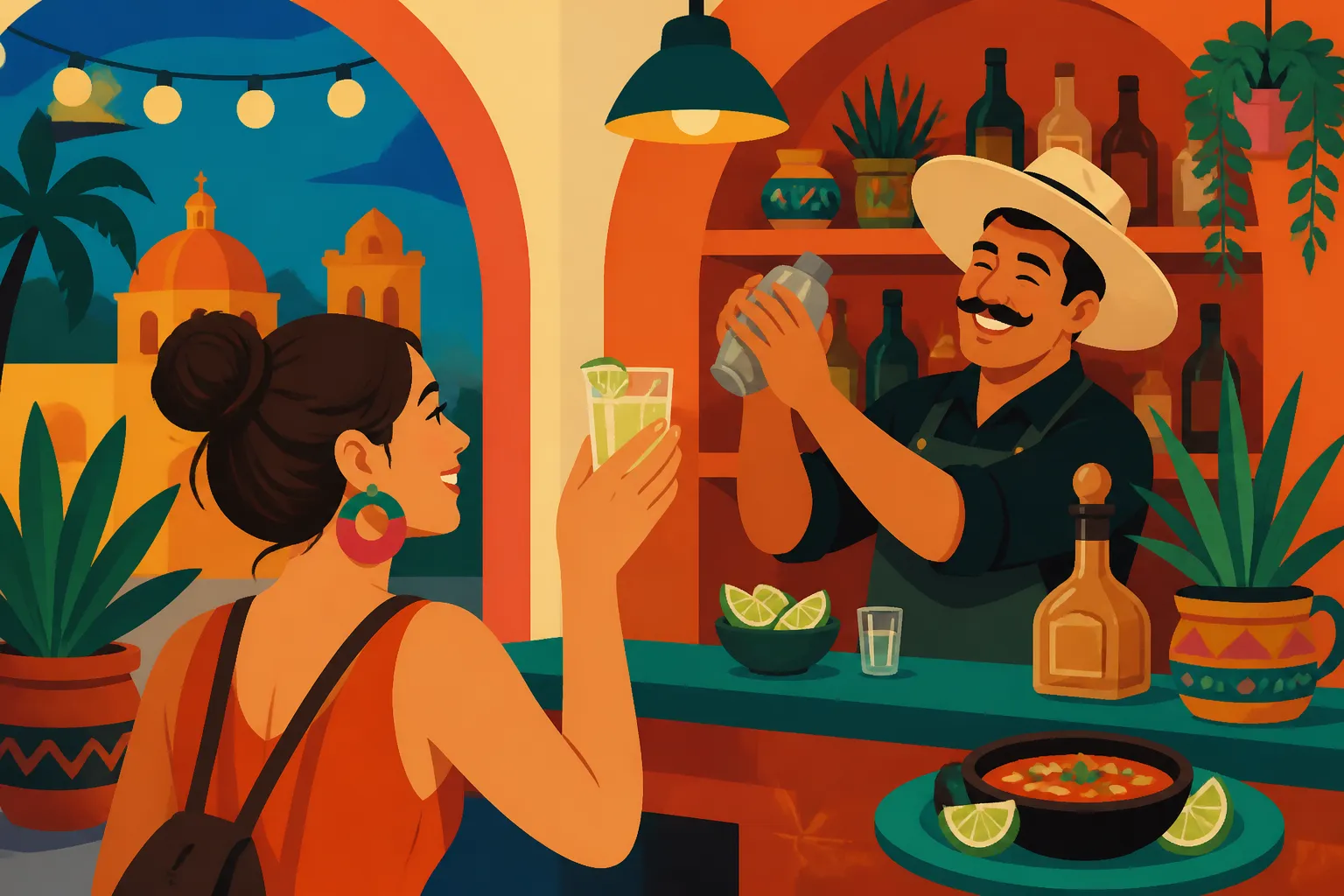
Cantinas and Mexican Bar Culture for Visitors
Stepping into a Mexican cantina for the first time can feel like walking onto a movie set – bustling with energy, vibrant with music, and steeped in tradition. Yet, many visitors, especially those new to Mexico, often stick to tourist-focused bars or hotel lounges, missing out on an incredibly authentic and deeply rooted aspect of Mexican social life. This guide is here to pull back the curtain, helping you confidently navigate and truly savor the unique charm of cantinas and Mexico's broader bar culture.
Disclosure: This post may contain affiliate links. We may earn a commission at no extra cost to you if you make a purchase through these links. Read full disclosure.
What Exactly is a Mexican Cantina? Understanding a Unique Institution
Forget what you think you know about "bars." A cantina in Mexico is an institution, a vibrant cultural hub that has served as a cornerstone of social life for generations. It's not just a place to grab a drink; it's where stories are shared, friendships are forged, and the soul of Mexico truly comes alive.
More Than Just a Bar: History and Social Significance
The history of the cantina stretches back to the 19th century, evolving from simple taverns to the lively establishments we see today. Historically, cantinas were almost exclusively male domains. Women were generally not permitted, and the atmosphere was one of serious drinking, card playing, and boisterous conversation among men from all walks of life. These were places where businessmen would cut deals, where friends would lament their woes, and where political discussions would unfold over rounds of tequila and botanas.
Over time, especially in larger cities like Mexico City and Guadalajara, many cantinas began to relax their "men-only" rules, particularly starting in the late 20th century. Today, you'll find a much more mixed crowd in most urban cantinas, though some smaller, more traditional establishments in rural areas might still lean heavily male. This evolution has allowed cantinas to maintain their vital role as social epicenters, adapting to modern society while holding onto their rich heritage. They are living museums of Mexican daily life, offering a glimpse into the country's past and present.
Distinguishing a Cantina from a Regular Bar or Restaurant
While the lines can sometimes blur, especially with newer establishments trying to capture a "cantina vibe," there are distinct characteristics that set a traditional cantina apart.
First, the decor: Expect a certain old-world charm. Think dark wood, checkered tablecloths, often a long, well-worn bar, and maybe some vintage posters or memorabilia adorning the walls. The lighting is usually warm, sometimes dim, contributing to a cozy, inviting atmosphere that encourages lingering.
Second, and perhaps most famously, the botanas. This is the quintessential cantina experience. Botanas are complimentary snacks, often full small dishes, that are brought to your table with each round of drinks. This isn't just a handful of peanuts; we're talking about anything from tacos, sopes, quesadillas, ceviche, to more elaborate stews or soups. The quality and quantity of botanas can vary wildly from cantina to cantina and usually improves the more rounds you order. This tradition stems from the idea that the establishment wants to keep you drinking (and therefore spending) by offering food to line your stomach. It's an incredible value and a delicious way to sample local cuisine.
Third, the music and entertainment. Live music, often mariachi, trios playing romantic boleros, or folk singers, is a common feature, particularly in the afternoons and evenings. And almost universally, you'll find a rockola, or jukebox, loaded with classic Mexican tunes, ready for patrons to select their favorites.
Compared to a typical modern bar, which might focus on craft cocktails and trendier decor, a cantina prioritizes tradition, a sense of community, and that incredible botana experience. You might also encounter pulquerías, which specialize in pulque, an ancient alcoholic beverage made from the fermented sap of the agave plant. These have their own distinct, often rustic, charm and are a different beast entirely. You can learn more about the diverse array of beverages in the guide to Tequila, Mezcal, and Mexican Drinking Culture.
The Unwritten Rules: Navigating Cantina Etiquette
Stepping into a cantina without understanding a few unwritten rules can leave you feeling a bit lost. But once you grasp the rhythm, it's one of the most rewarding cultural experiences you can have in Mexico.
Entry and Seating: What to Expect When You Arrive
The first thing to remember is that cantinas, even today, might feel a bit intimidating from the outside. They often don't have large, inviting windows or flashy signs. Just push open the door and walk in. Don't be shy!
In most contemporary cantinas, particularly in cities, women are absolutely welcome. The days of strictly male-only establishments are largely gone, though you might encounter one or two very old-school spots where this tradition persists. If you're a woman or part of a mixed group and feel unsure, simply peek your head in or ask an employee if they welcome damas (ladies). Most likely, you'll be met with a warm smile and an invitation to enter.
Upon entering, you might find a bustling scene. If there's no host, simply look for an empty table or approach the bar. It's perfectly fine to wave down a server or bartender (often called a cantinero) and ask for a table for your group: "Una mesa para [número] personas, por favor." Don't expect to be immediately seated like in a formal restaurant; the vibe is more relaxed and self-serve in terms of finding a spot. Once you're settled, a server will usually appear fairly quickly to take your drink order.
The Art of the Botana: Free Food with Your Drinks
Ah, the botana – the heart and soul of the cantina experience. This tradition is truly special and something you rarely find outside of Mexico. When you order your drinks, especially beer or spirits, the server will almost certainly bring out a small plate of food. This is completely free of charge and automatically included. The magic is that with each subsequent round of drinks you order, a different botana is typically brought out, often getting more substantial as the afternoon or evening progresses.
Imagine starting with some crunchy tostadas with salsa, then moving on to small tacos, perhaps a dish of longaniza (sausage) or a hearty soup, and later, maybe even a full plate of puntas de filete (beef tips). This is not uncommon! It's a fantastic way to sample an array of Mexican dishes and truly experience the local culinary scene. Don't feel obligated to finish every plate, but certainly try a bit of everything. And if you have any allergies or dietary restrictions, it’s best to communicate them as clearly as possible, though the kitchen in a traditional cantina might not always be equipped for extensive customizations.
Ordering Drinks and Tipping (Propina): Getting It Right
The drink menu in a traditional cantina is usually straightforward. Beer is king, often served in large caguamas (liter-sized bottles) or medias (half-liters). You'll find popular Mexican brands like Corona, Modelo, Pacifico, and Victoria. Beyond beer, tequila and mezcal are staples, usually served neat (solo) or with a side of sangrita (a spicy, sweet, and savory chaser) and lime. Mixed drinks are available, but don't expect a craft cocktail bar experience; simpler preparations like palomas (tequila, grapefruit soda, and lime) or cubas (rum and coke) are common. Feel free to explore Mexican Beer and Michelada Culture for more insights on what to order.
When it comes to tipping, the standard practice in cantinas is similar to restaurants. A tip of 10-15% of your total bill is generally expected for good service. If the botanas were particularly generous and delicious, or if the server was exceptionally attentive, you might round up or leave a bit more. It's often easier to pay with cash, especially if you're tipping, as credit card machines sometimes don't allow for adding a tip directly. Carrying smaller denominations of pesos is always a good idea for this. If you’re unsure about the general rules, our guide on Tipping in Mexico (Propina): When and How Much offers a great overview.
From Mariachi to Rockola: The Sounds of a Cantina
A cantina isn't just about food and drink; it's a sensory experience, and sound plays a huge role. The air is often filled with lively conversation, the clinking of glasses, and a fantastic soundtrack that swings between live performances and the ever-present jukebox.
Live Music and Performers: When to Expect a Serenade
One of the most enchanting aspects of a cantina is the potential for live music. You might find a mariachi band strolling through, often a trio or quartet, ready to play your favorite classic Mexican tunes. These musicians aren't usually paid by the cantina itself, but rather by the patrons. If you request a song, be prepared to pay a small fee – typically around 100-200 pesos per song, which can be split among your group. Don't be afraid to engage with them; they love performing for an appreciative audience.
Beyond mariachi, you might encounter other musical groups like trios playing romantic ballads (boleros) or solo singers with guitars, adding to the melancholic or celebratory atmosphere. The best time to catch live music is usually in the late afternoon or early evening, particularly on weekends. This live element adds an incredible layer of cultural immersion, allowing you to witness Mexico's rich musical heritage up close. It's a great opportunity to soak in the passion and storytelling woven into Mexican folk music.
The Ever-Present Rockola: Choosing Your Own Soundtrack
Even if there's no live music, the rockola (jukebox) ensures the cantina is never silent. These are usually digital machines, sometimes touchscreens, loaded with thousands of songs ranging from classic rancheras and cumbias to pop hits. For a small fee (often 5-10 pesos per song, though this can vary), you can select your own soundtrack.
It's a fantastic way to get a feel for what locals listen to, and it encourages a spontaneous, communal vibe. People will sing along, clap, and even dance in their seats. Don't be shy about adding your own picks to the queue! It's part of the fun. Just be mindful of playing too many songs in a row or choosing something wildly out of place. Observe what others are playing and try to blend in with the general mood. The rockola is a true democratic sound system, allowing everyone to contribute to the cantina's audio tapestry.
Beyond the Basics: Different Types of Mexican Drinking Establishments
While cantinas hold a special place, Mexico's drinking scene is diverse. It's worth exploring other types of establishments to get a full picture of the local culture, depending on what kind of experience you're seeking.
Pulquerías: An Ancient Drink and a Unique Vibe
If you're truly adventurous and want to taste something ancient, seek out a pulquería. Pulque is an alcoholic beverage made from the fermented sap (aguamiel) of the agave plant, predating mezcal and tequila. It has a distinctive milky, viscous texture and a slightly sour, earthy taste. Traditionally, pulque is white, but many pulquerías offer curados, which are pulque mixed with fruit, vegetable, or oat purées, creating a range of flavors from guava to celery.
Pulquerías often have a much more rustic and bohemian atmosphere than cantinas. They tend to be less polished, sometimes with murals, long communal tables, and a very laid-back, artsy crowd. The focus is almost exclusively on pulque. You might find some simple snacks, but botanas are not typically a feature here. Visiting a pulquería is a dive into pre-Hispanic history and a very niche, authentic experience, particularly in Mexico City or rural areas. Don't expect fancy, just expect unique.
Modern Bars, Breweries, and Speakeasies: Mexico's Evolving Scene
While traditional establishments thrive, Mexico's urban centers are also embracing global trends. The craft beer movement has exploded, with microbreweries and brewpubs popping up in cities like Mexico City, Guadalajara, and Monterrey. These spots offer a wide range of artisanal beers, often with a more contemporary, industrial-chic aesthetic. They're great for those who love hoppy IPAs or rich stouts and want a taste of Mexico's burgeoning craft scene.
Similarly, cocktail bars and speakeasies are becoming increasingly sophisticated, especially in high-end neighborhoods. Here, you'll find expert mixologists crafting innovative drinks with local ingredients, often at prices comparable to major international cities. These establishments cater to a different crowd, often younger, trendier, and looking for a more curated drinking experience. Websites like Booking.com can even help you find hotels conveniently located near these bustling nightlife districts if you're planning a stay in a major city.
This table offers a quick comparison of the distinct characteristics you might find:
| Feature | Traditional Cantina | Pulquería | Modern Bar / Brewery |
|---|---|---|---|
| Primary Drink | Beer, Tequila, Mezcal (simple mixed) | Pulque (natural & curados) | Craft Beer, Cocktails, Premium Spirits |
| Food Offering | Generous, free botanas with drinks | Very limited snacks (if any) | Full menu, bar bites (paid) |
| Atmosphere | Lively, traditional, often boisterous | Rustic, bohemian, laid-back | Trendy, sophisticated, industrial |
| Music | Live Mariachi/Trios, Rockola | Often Rockola or eclectic playlists | DJ, live bands, background music |
| Clientele | Mixed ages, locals, some adventurous expats | Arty, local, younger crowd, students | Younger, affluent, expat-friendly |
| Price Point | Very affordable (due to botanas) | Very affordable | Moderate to expensive |
Safety and Enjoyment: Tips for Visitors to Cantinas
Exploring Mexico's cantina culture is undoubtedly enriching, but like any new experience abroad, a bit of common sense and preparation goes a long way to ensure you have a safe and enjoyable time.
Staying Safe: Common Sense and Cultural Awareness
First and foremost, drink responsibly. This is crucial everywhere, but especially in an unfamiliar setting. Pace yourself, know your limits, and alternate alcoholic drinks with water. The botanas are a blessing for lining your stomach, but they shouldn't be an excuse to overdo it. Getting visibly drunk can make you a target and is generally not well-regarded.
Be aware of your surroundings. Keep an eye on your belongings. While cantinas are generally friendly places, petty theft can occur anywhere. Avoid flashing expensive items or large sums of cash. It's often a good idea to only carry what you absolutely need.
Consider going with a local or a trusted friend. This can significantly enhance your experience, as a local can help with ordering, navigating cultural nuances, and ensuring you're comfortable. If you're alone, try to stick to busier, well-lit establishments, especially in well-trafficked neighborhoods. Our guide on Staying Safe in Mexico: Practical Tips for Travelers provides more general safety advice.
Language barriers can sometimes lead to misunderstandings. Even if your Spanish is basic, learning a few key phrases for ordering drinks and asking for the bill will be incredibly helpful. Check out our tips on Survival Spanish for Travelers in Mexico: Key Phrases. Most cantineros are patient and happy to help, but a little effort on your part goes a long way.
Finally, trust your gut. If a place feels off, or if someone makes you uncomfortable, it's always okay to leave. Your safety and comfort are paramount.
Finding the Right Cantina: Recommendations and Resources
Finding a good cantina can be a delightful adventure. The best way is often to ask locals. A taxi driver, a friendly shop owner, or your hotel concierge can usually point you to a reputable, beloved cantina in the area. They'll know the spots that offer the best botanas or the most vibrant music.
You can also do a little online research. While traditional cantinas might not have extensive online presences, reviews on Google Maps or local city guides can often highlight popular spots. Look for cantinas with a history, those that locals frequent. In major cities, you might even find tour operators, sometimes listed on platforms like Viator, that offer guided "cantina crawls" or food tours that include stops at authentic establishments. This can be a fantastic way to experience several places safely and with an expert guide.
Don't be afraid to explore different neighborhoods. In Mexico City, for example, neighborhoods like Doctores, Colonia Obrera, or even parts of the Centro Histórico still harbor many classic cantinas. In Guadalajara, areas around Centro and Colonia Americana have their gems.
Making the Most of Your Cantina Experience
Once you've found your cantina and settled in, the real magic begins. It's about letting go, embracing the moment, and allowing yourself to be swept up in the authentic Mexican atmosphere.
Embrace the Local Flavor: Dive Deep into the Experience
The best way to enjoy a cantina is to truly immerse yourself. Start by trying the local drinks. Order a classic Mexican beer, or if you're feeling adventurous, try a shot of a local mezcal or tequila. Don't be afraid to try the botanas as they arrive – they are a highlight of the experience and a fantastic way to sample traditional Mexican snacks that you might not find in tourist-focused restaurants.
Engage with the locals if you feel comfortable. A simple "¡Hola!" or "¡Salud!" (Cheers!) can open the door to friendly conversation. Many Mexicans are genuinely curious about visitors and happy to share their culture. If there's live music, applaud enthusiastically and even consider requesting a song. Participate in the general conviviality. Practicing your Spanish, even if it's just a few phrases, will enhance your interactions significantly. Our guide to Mexican Spanish: Slang and Expressions for Visitors might come in handy for some conversational nuggets.
What to Expect: A Summary of the Cantina Vibe
Expect noise, laughter, and a general sense of convivencia (camaraderie). Cantinas are rarely quiet, especially during peak hours in the late afternoon and evening. The atmosphere is typically lively, unpretentious, and deeply authentic. You'll see families (in many, especially during the day, though less common at night), groups of friends, and solo patrons all sharing the space.
It's a place where social hierarchy often dissolves, and everyone is there to enjoy good company, good drinks, and good food. The service, while attentive, might not be as formal as in a high-end restaurant; it's more about efficient delivery of drinks and food.
In essence, a cantina offers a genuine slice of Mexico. It’s a place where traditions are honored, friendships are celebrated, and the rhythms of daily life play out. It's a truly rewarding cultural experience that allows you to connect with the heart and soul of the country. So, step out of your comfort zone, find a local cantina, and prepare to be charmed by one of Mexico's most enduring and beloved institutions. You can even find local tours on platforms like Busbud for reaching different cities known for their unique cantina scenes, like Oaxaca or Guadalajara.
Disclaimer
Please remember that while this guide offers comprehensive advice, local customs and regulations can vary. It's always a good idea to stay informed and exercise personal judgment. Prices, availability of services, and specific traditions might differ slightly depending on the region and the specific establishment you visit.