Nightlife, Music, and Entertainment in Mexico
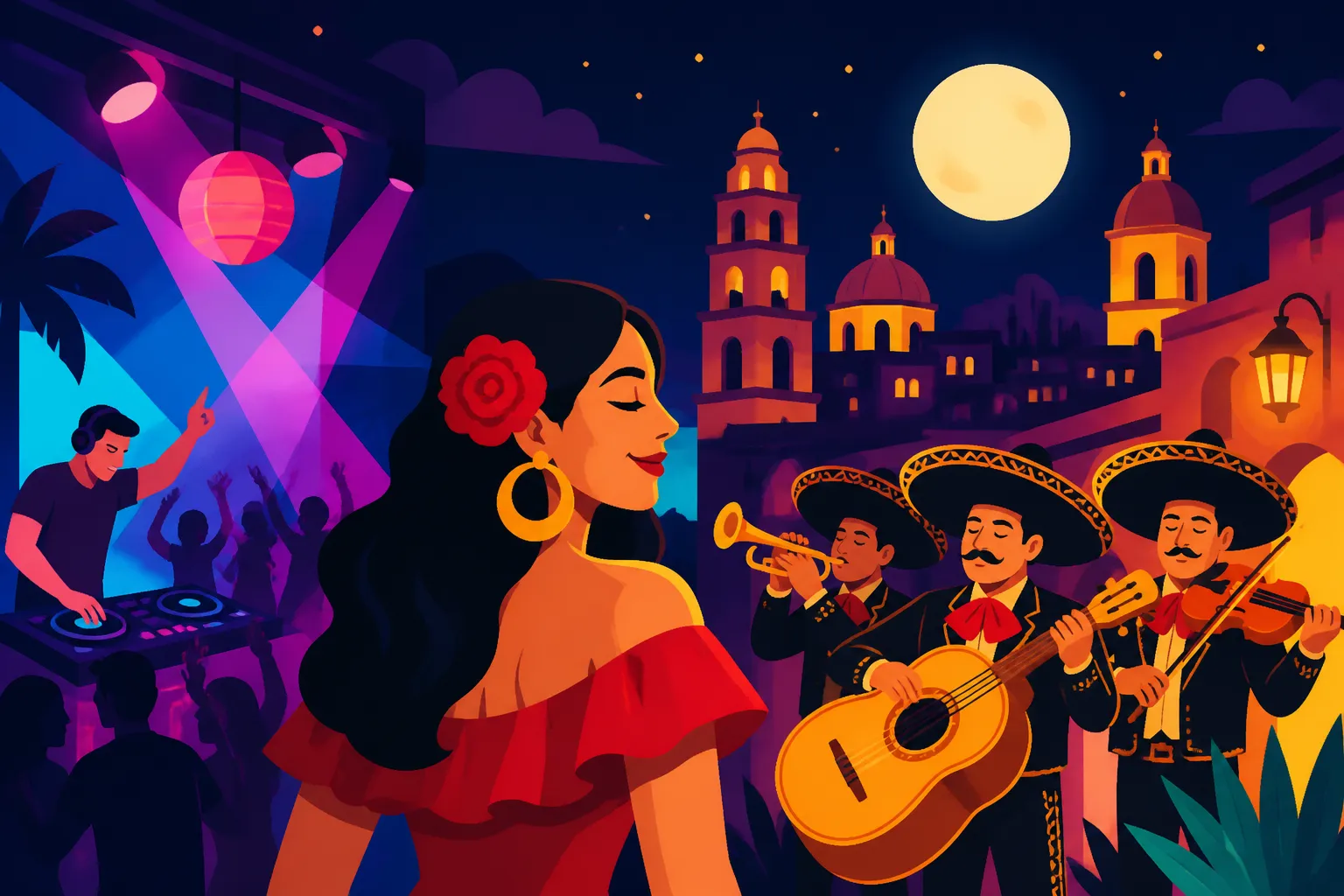
Stepping into Mexico’s evening landscape can feel overwhelming for newcomers, especially when balancing late-night cultural schedules, confusing door policies, and transportation logistics in unfamiliar cities. This comprehensive guide breaks down everything you need to know about evening entertainment, from historic cantinas and world-class live music to legendary wrestling matches and coastal beach clubs, ensuring you navigate the country’s vibrant after-dark culture with confidence.
Disclosure: This post may contain affiliate links. We may earn a commission at no extra cost to you if you make a purchase through these links. Read full disclosure.
Navigating the Rhythms of Mexican Nightlife
Understanding Mexican Party Schedules and Peak Hours
One of the first culture shocks foreign visitors face in Mexico is the timing of evening entertainment. If you arrive at a bar or night club at 9:00 PM expecting a bustling crowd, you will likely find staff still setting up tables and sweeping floors. In most Mexican cities, the night begins significantly later than in northern Europe or North America. Pre-gaming, known locally as el precopeo, usually takes place at home, a casual restaurant, or a neighborhood bar around 10:00 PM. Clubs and high-energy venues rarely fill up before midnight, and the energy often continues until five or six in the morning.
Pacing yourself is essential if you want to experience nightlife the way locals do. Dinner is rarely served before 8:00 PM, and long, multi-course meals can easily stretch past 10:00 PM. If you plan to attend a concert or hit a dance floor later, schedule your afternoon rest accordingly. Trying to push through an entire night on an early-bird schedule almost guarantees fatigue before the main act even takes the stage. Embracing this late-night flow requires a mental shift, but once you adapt to the afternoon siesta or a relaxed late-day coffee, the nocturnal pulse of the country becomes second nature.
Understanding the seasonal variations and weekly rhythms is equally important for travelers planning their itinerary. While Friday and Saturday are universally the biggest nights out, Thursday—often referred to as Jueves de Pata or Juevebes—is incredibly popular among university students and young professionals. Sunday nights are typically quiet, reserved for family gatherings and street food runs, though tourist hotspots along the coasts maintain a high-energy environment seven days a week. For a detailed breakdown of timing nuances across different regions, check out our guide on What Time Does Nightlife Start in Mexico?.
Dress Codes and Door Policies Across Different Regions
Door policies in Mexico vary dramatically depending on the city, neighborhood, and style of the establishment. In bohemian quarters like Mexico City’s Coyoacán or Oaxaca’s historic center, the approach to attire is relaxed, welcoming everything from casual denim to vintage fashion. However, high-end nightlife hubs in areas like Polanco in Mexico City or the hotel zones of coastal resorts enforce strict dress codes. Men are frequently expected to wear closed-toe shoes, tailored trousers, and collared shirts, while athletic wear, flip-flops, and beach tank tops will result in immediate rejection at the entrance.
The bouncer, or cadenero, holds absolute authority over who enters exclusive venues. In trendy nightclubs, the entry process can sometimes feel arbitrary and frustrating for foreigners. Large groups composed entirely of men often face long wait times or flat rejections unless they have booked bottle service in advance. To smooth out the entry process, consider arriving in mixed-gender groups or making a reservation online several days prior. If you are booking a weekend trip to a major city, using platforms like Booking.com to find accommodations within walking distance of prime nightlife districts can save you from waiting in late-night taxi queues after being turned away at a crowded door.
It is also important to note that many venue entrances charge a cover fee (el cover), which may or may not include a complimentary drink voucher (consució). Cover charges are almost always payable strictly in cash, even if the main bar inside accepts credit cards. Keep small bills handy at the door to avoid complications. Understanding these subtle entry rules helps prevent awkward interactions and ensures a smooth start to your evening.
Tipping and Table Service Etiquette
Navigating table service and tipping rules is crucial for avoiding misunderstandings with venue staff. In casual bars and cantinas, a tip (propina) of 10% to 15% is standard practice for acceptable service. However, in upscale clubs offering full bottle service, service charges are sometimes added directly to the final bill under the label servicio. Always inspect your receipt carefully before adding additional cash or approving a digital payment terminal.
When ordering bottle service (recorrido or botella), a dedicated host will handle your table throughout the night. It is customary to tip the host directly at the end of the evening if they have provided attentive service. Be aware that forcing a tip onto a bill automatically is technically illegal under Mexican consumer protection laws, yet some high-volume tourist bars still attempt it. Politely pointing out an unwanted automatic charge with the phrase “¿La propina es voluntaria?” is usually enough to clear up the bill.
To avoid unexpected expenses at the end of the night, establish clear terms with your server when opening a tab. Many venues require leaving a credit card behind the bar, while others expect payment per round. For more detailed guidelines on navigating service charges, tipping percentages, and cash protocols across different dining and drinking establishments, read our comprehensive overview on Tipping in Mexico (Propina): When and How Much.
| Region / City | Primary Music | Peak Hours | Average Dress Code |
|---|---|---|---|
| Mexico City (Roma/Cond) | Indie, Techno, Cumbia | 11:30 PM – 4:30 AM | Smart Casual / Alternative |
| Mexico City (Polanco) | Commercial Pop, EDM | 12:00 AM – 5:00 AM | Formal / High Fashion |
| Cancún Hotel Zone | EDM, Reggaeton | 11:00 PM – 5:00 AM | Resort Chic / Party |
| Guadalajara (Americana) | Rock, Electronic | 11:00 PM – 4:00 AM | Casual / Trendy |
| Oaxaca Historic Center | Live Folk, Salsa | 9:30 PM – 2:00 AM | Relaxed / Bohemian |
Legendary Live Music Cultures Across the Nation
The Soul of Mariachi in Plaza Garibaldi and Beyond
Mariachi music is deeply woven into the national identity, representing a powerful blend of indigenous rhythms, Spanish string traditions, and theatrical vocal expression. Recognizable by the iconic traje de charro—the ornate suit featuring silver buttons down the trousers—mariachi bands traditionally consist of violins, trumpets, a Spanish guitar, a high-pitched vihuela, and a deep-bodied guitarrón. Hearing these ensembles perform live is an essential cultural experience for any visitor exploring the country’s musical heritage.
The undisputed historic heart of public mariachi performance is Plaza Garibaldi in central Mexico City. Here, dozens of independent bands gather every afternoon and night, waiting for patron commissions. Visitors can hire a band to play individual songs directly on the plaza or listen from the patio of famous surrounding establishments like Salón Tenampa. When commissioning a song, negotiate the price per track before the musicians begin playing. Classic requests include Cielito Lindo, El Rey, and Volver, Volver.
While Plaza Garibaldi offers a raw and historical vibe, high-quality mariachi can be found throughout the republic. In Jalisco, the birthplace of the genre, Guadalajara hosts world-renowned mariachi festivals where symphony orchestras collaborate with master ensembles. For a broader look at where to find authentic performances, traditional instruments, and venue etiquette, explore our full feature on Mariachi and Live Music in Mexico.
Son Jarocho, Trova, and Traditional Folk Sessions
Beyond mariachi, Mexico possesses an incredibly diverse tapestry of regional folk music that thrives in intimate venues and public squares. Along the Gulf coast of Veracruz, Son Jarocho captures audiences with its fast percussive footwork (zapateado), poetic improvisation, and traditional stringed instruments like the jarana and requinto. Famous folk tunes like La Bamba rooted in this tradition demonstrate how African, Spanish, and indigenous rhythms fused over centuries.
In eastern Mexico and the Yucatán peninsula, Trova music offers a softer, poetic evening soundtrack. Characterized by romantic lyrics, complex guitar harmonies, and gentle rhythms, Trova serenades fill the courtyard restaurants and public plazas of Mérida and Campeche. Attending a Noche de Trova in a colonial courtyard provides a tranquil contrast to the intense volume of modern nightclubs, making it a favorite activity for travelers seeking romantic or introspective evenings.
Participating in these traditional sessions often involves community engagement. In towns where fandangos (community Son Jarocho gatherings) are held, spectators are encouraged to clap along or even step onto the wooden dance platform (tarima). These gatherings are non-commercial, authentic expressions of community heritage that welcome respectful visitors who wish to observe local traditions firsthand.
The Rising Rock, Indie, and Electronic Scenes
Mexico’s modern music scene is just as dynamic as its traditional folk roots. Major metropolitan areas like Mexico City, Guadalajara, and Monterrey serve as powerhouses for Latin American rock (rock en español), indie pop, and experimental electronic music. Bands from across the Spanish-speaking world prioritize Mexican tour dates due to the legendary passion and energy of local audiences, who are famous for singing along to every guitar riff and vocal line.
Underground venues and mid-sized music halls host live gigs every night of the week. Intimate spaces showcase emerging local talents playing synth-pop, post-punk, and modern cumbia fusions. Electronic music fans will find a thriving house and techno scene in the capital, with industrial warehouse parties and rooftop venues drawing international DJs. The annual festival calendar features massive multi-day events that attract tens of thousands of music lovers from across the globe.
To catch local indie acts, check performance schedules on social media platforms or local entertainment listings ahead of your trip. Buying tickets through official vendor channels early is advisable, as shows by popular national artists regularly sell out within hours of release.
Iconic Entertainment Experiences for Travelers
The Spectacle and Passion of Lucha Libre
Professional wrestling, or Lucha Libre, is a spectacular blend of athletic showmanship, soap opera drama, and deep-seated cultural tradition. Defined by colorful leather masks, high-flying aerial acrobatics, and rapid-fire ring sequences, Lucha Libre is the second most popular sport in the country after soccer. The narrative centers around the eternal conflict between the técnicos (the heroic, rule-abiding fighters) and the rudos (the villainous, trickster heels).
In Mexico City, the undisputed cathedral of professional wrestling is Arena México, located in Colonia Doctores. Attending a Friday night event here offers an unforgettable explosion of noise, humor, and adrenaline. Spectators sip giant beers, munch on hot snacks, and hurl creative insults at the ring. Purchasing a plastic wrestler mask outside the venue is a ritual that immerses you directly into the spectacle, whether you are cheering for masked legends or booing the dramatic antics of the villains.
While Arena México is the main arena, smaller venues like Arena Coliseo offer an even closer, raw look at the action. When planning your night out at the matches, secure your seats early to get close to the ring. Detailed advice on purchasing official tickets, navigating venue security, and choosing between different arenas can be found in our guide on How to See a Lucha Libre Match in Mexico City.
Traditional Dance Performances and Ballet Folklórico
For travelers interested in a refined, theatrical overview of regional cultures, attending a performance of the Ballet Folklórico de México is an absolute priority. Founded by dancer and choreographer Amalia Hernández, this world-renowned dance troupe brings regional history to life through incredible costumes, live orchestral music, and breathtaking choreography. Performances feature dances representing everything from the Aztec deer dance to the vibrant jarabe tapatío of Jalisco.
The primary home for these performances is the stunning Palacio de Bellas Artes in central Mexico City. Stepping inside this Art Nouveau and Art Deco masterpiece, with its famous Tiffany glass curtain, enhances the magic of the performance. Shows are typically held on Sunday mornings and Wednesday evenings, offering an accessible cultural outing that appeals to all ages.
If your travels do not include the capital, high-level regional folkloric companies perform regularly in historic theaters across state capitals like Guadalajara, Oaxaca, and Guanajuato. These productions offer a deep appreciation for how costume, movement, and song preserve regional identity across generations.
Major Festivals and Stadium Concerts
Mexico hosts some of the largest, best-organized music and cultural festivals in North America. Events range from massive pop and rock gatherings to international film festivals and classical arts celebrations. Venues like the Foro Sol and Auditorio Nacional in the capital host world-leading touring acts, filling stadiums with dozens of thousands of singing fans.
Planning a trip around a major festival requires early preparation for accommodations and intercity transport. Using platforms such as Busbud to secure comfortable long-distance bus connections between cities can save you from price spikes during peak event weekends. Similarly, arranging tour activities or festival shuttles through Viator can simplify transportation to outlying venues and historic festival grounds.
Whether attending the celebrated Festival Internacional Cervantino in the winding streets of Guanajuato or a multi-stage electronic music festival on the Caribbean coast, foreign visitors are welcomed into a shared celebration of arts and performance that highlights the country’s modern cultural footprint.
Regional Nightlife Breakdown: City Lights to Beach Vibes
Mexico City: Underground Clubs, Speakeasies, and Cantinas
The sheer scale of Mexico City’s evening entertainment scene is unmatched in Latin America. Each neighborhood (colonia) projects its own distinct nightlife personality. Roma and Condesa are the creative epicenters, packed with craft cocktail bars, hidden speakeasies tucked behind taco stands, and cozy vinyl listening lounges. Moving west toward Polanco, the vibe shifts to high-end lounges, designer dress codes, and international hotel bars catering to corporate travelers and affluent locals.
For those interested in underground club culture, the capital boasts world-class venues playing dark disco, industrial techno, and experimental Latin beats. Meanwhile, historic neighborhood cantinas in the Centro Histórico preserve a nostalgic atmosphere where vintage wooden booths, domino games, and traditional botana snacks accompany ice-cold beer and tequila shots.
Finding your footing in this vast metropolis requires selecting a neighborhood that aligns with your preferred pace and musical tastes. To explore specific venue recommendations, safety tips for late-night walks, and cover charge expectations across different colonias, read our full article on Nightlife in Mexico City: Bars and Clubs.
Cancún, Tulum, and Riviera Maya Beach Clubs
Nightlife along the Caribbean coastline is world-famous, defined by high-production light shows, open-air beach clubs, and barefoot dancing under the stars. In Cancún’s designated Hotel Zone party strip, massive venues feature acrobatic performers, venue-wide confetti drops, and renowned international resident DJs. These high-energy clubs operate primarily on an open-bar ticket system, where paying a single entrance fee grants access to domestic spirits throughout the night.
Further south in Tulum, the atmosphere transitions into an eco-chic, bohemian scene centered along the beach road. Here, open-air lounges set amid jungle canopies host world-class deep house and melodic techno events. The aesthetic relies heavily on candlelight, bamboo architecture, and organic design, attracting an international crowd of digital nomads and travelers. Be mindful that prices in Tulum are significantly higher than in non-resort areas, reflecting its luxury positioning.
For travelers staying in Playa del Carmen, the middle ground between Cancún and Tulum offers pedestrian-friendly bar streets like Calle 12, lined with salsa clubs, sports bars, and open-front dance halls. For a comprehensive comparison of entry fees, VIP reservations, and seasonal party calendars along the coast, refer to our detailed guide on Beach Clubs and Nightlife in Cancún and Tulum.
Guadalajara and Oaxaca: Cultural Nights and Cantina Hopping
Guadalajara, the country’s second-largest city, delivers a dynamic fusion of traditional Jalisco hospitality and a thriving youth culture. The trendy Colonia Americana is lined with converted colonial mansions that now house craft breweries, indie rock venues, and cocktail bars. Near the city center, traditional plazas come alive in the evenings with live mariachi performance, while nearby pulquerías serve the ancient fermented agave beverage to university crowds.
In contrast, Oaxaca’s night scene revolves around its incredible culinary heritage and world-famous mezcal culture. Evening life here starts with a slow-paced tasting at an artisanal mezcalería, where knowledgeable bartenders guide guests through agave varieties, production methods, and pairing notes. As night falls, rooftop bars surrounding the brightly lit Santo Domingo Church fill up with guests enjoying craft cocktails while listening to live jazz, acoustic folk, or salsa.
Both cities offer an accessible, pedestrian-friendly environment where visitors can easily hop between venues on foot. Choosing a base near the historic center allows you to sample multiple watering holes, food stalls, and acoustic music spaces without relying on long transit times between neighborhoods.
Safe and Smart Evening Exploration
Choosing Secure Transport Options After Dark
Staying safe during a night out begins with making smart transportation choices. While public transit networks like the subway operate efficiently during daylight hours, navigating them late at night with alcohol involved is generally discouraged for foreign visitors unfamiliar with the city geography. Walking alone through unfamiliar or poorly lit neighborhoods after midnight should also be avoided, regardless of how safe a district may seem during the afternoon.
Using verified ride-hailing applications is universally considered the safest, most reliable way to travel around major cities at night. Apps track your vehicle in real-time, eliminate currency disputes by charging your card directly, and allow you to share your ride status with friends. If ride-hailing is unavailable, ask your bar or restaurant host to call an authorized radio-taxi (taxi de sitio) rather than hailing an unverified cab directly on the street. For a complete safety checklist and practical navigation advice, consult our detailed resource on How to Use Uber and Ride-Hailing Safely in Mexico.
If you are planning an overnight trip or returning from a regional event in another city, booking reliable long-distance transport in advance ensures you arrive during daytime hours. Services booked through Busbud provide comfortable, direct connections between major urban centers and popular tourist destinations, helping you avoid inconvenient late-night arrivals in unfamiliar bus terminals.
Managing Cash, Cards, and Tab Payments Safely
Financial transactions during a night out require a few simple precautions to protect your funds. While high-end establishments and modern bars accept major credit cards, smaller cantinas, street food vendors, and venue cover booths operate strictly in cash. Carry a limited amount of physical pesos divided between different pockets so you never need to pull out a large stack of cash when paying for a quick drink or a late-night street taco.
When paying with a credit or debit card at a bar or table, venue staff should always bring a mobile payment terminal directly to you. Never allow a server to walk away with your card out of sight, as card cloning remains a common issue in high-volume nightlife districts. Review terminal screens carefully to confirm the currency displayed is Mexican Pesos (MXN) rather than your home currency to avoid dynamic currency conversion fees.
Setting up transaction alerts on your mobile banking app provides real-time notifications for every charge, allowing you to catch discrepancies immediately. If you suspect an error on your tab, address it politely with the bar manager before leaving the venue, as rectifying billing disputes after the fact can be challenging.
Spotting Scams and Overcoming Language Barriers
While the vast majority of evenings out end without incident, foreign tourists can occasionally be targeted by petty nightlife scams. One common issue involves menu trickery, where drink prices displayed on English menus are higher than those on the Spanish version, or where expensive top-shelf spirits are substituted into mixed drinks without explicit request. Always confirm beverage brands and pricing when ordering table service in high-density tourist strips.
Language barriers can sometimes cause confusion during fast-paced service. Learning a few foundational Spanish phrases specifically tailored for ordering drinks, asking for the bill, and verifying cover fees helps establish respect and prevents basic misunderstandings. Staff appreciate guests who attempt to communicate in Spanish, often responding with warmer hospitality and better service.
If you encounter an aggressive vendor or a pushy promoter on the street, a firm but polite “No, gracias” accompanied by a direct step forward is the most effective response. Avoid lingering in arguments or debating prices with street promoters promising free entry to clubs, as these offers often hide inflated beverage minimums once you walk inside.
Comparative Overview of Mexico’s Entertainment Hubs
Choosing the Right Evening Atmosphere
Different destinations offer vastly different nighttime experiences. Selecting the right city or region depends heavily on your musical preferences, budget, and desired level of formality. The following comparative breakdown details what to expect across the country’s primary nightlife hubs:
| Destination | Primary Vibe / Vibe Profile | Ideal For | Price Point Range | Key Highlight |
|---|---|---|---|---|
| Mexico City | Cosmopolitan, diverse, historic cantinas to techno clubs | Culture lovers, music fans, night owls | Budget to Ultra-Luxury | World-class mixology & historic venues |
| Cancún / Riviera Maya | High-energy resort clubs, jungle raves, beach bars | Party-goers, spring breakers, festival fans | Moderate to High | Open-bar mega clubs & beach parties |
| Guadalajara | Rock bars, traditional mariachi plazas, craft beer | Craft beer enthusiasts, live music fans | Budget to Moderate | Plaza Garibaldi-style traditional music |
| Oaxaca City | Artisanal mezcalerías, rooftop lounges, acoustic folk | Culinary travelers, romantic couples | Moderate | Mezcal tastings & scenic rooftops |
| Puerto Vallarta | Inclusive beach clubs, cabaret shows, vibrant gay strip | LGBTQ+ travelers, beach lovers | Budget to High | Welcoming beachfront nightlife district |
Comparing Nightlife Costs and Experiences Across Regions
As demonstrated in the comparison table, expenses vary dramatically depending on location. A night out in Mexico City or Guadalajara can easily be tailored to fit a modest budget if you frequent traditional neighborhood cantinas and local music halls. Conversely, coastal resort areas like Tulum and Cancún align closely with international resort pricing, where cover charges and table minimums require a higher budget.
Understanding these economic variations allows you to balance your travel budget effectively. You can enjoy high-end cocktail bars in metropolitan centers on one night, and sample affordable local craft beers at an indie venue the next. Incorporating a mix of free public entertainment—such as evening plaza concerts and traditional street dancing—ensures a rich cultural experience without overspending.
When calculating your overall travel expenses, keep in mind that entertainment costs fluctuate based on the national economic climate. For a detailed analysis of daily travel budgets, dining expenses, and regional cost comparisons, review our comprehensive resource on the Cost of Living in Mexico: 2026 Comprehensive Guide.
Essential Tips for LGBTQ+ Visitors and Inclusive Nightlife
Safe Havens and Vibrant LGBTQ+ Quarters
Mexico is home to some of the most vibrant, welcoming LGBTQ+ nightlife scenes in Latin America. The legal and social framework supporting LGBTQ+ rights has advanced significantly, particularly in major urban areas and international beach destinations. Mexico City’s Zona Rosa district is the historic capital of queer nightlife, packed with rainbow-decorated dance clubs, drag show bars, and cozy cafes that cater to a diverse spectrum of identity and expression.
Beyond Zona Rosa, trendy districts like Roma Norte and Condesa feature inclusive, queer-friendly spaces ranging from natural wine bars to alternative performance hubs. In the coastal town of Puerto Vallarta, the Zona Romántica offers an world-renowned LGBTQ+ beach resort experience. Here, high-end beach clubs, piano bars, and energetic dance clubs line the pedestrian-friendly streets, creating a safe, celebrated environment for international travelers.
For visitors interested in exploring specific drag venues, queer dance parties, and inclusive community spaces across different state capitals, check out our dedicated guide on How to Find LGBTQ+ Friendly Nightlife in Mexico.
Cultural Sensitivities and Local Insights
While major cities and resort towns demonstrate progressive attitudes toward LGBTQ+ nightlife, social norms can remain traditional in rural or conservative regional communities. Public displays of affection outside established queer districts may draw unwanted attention or looks from older locals. Exercising basic situational awareness when traveling between progressive urban neighborhoods and conservative provincial towns ensures a smooth, trouble-free trip.
When attending drag shows and local queer venues, remember to support the performers directly. It is customary to tip drag artists with small cash bills during their routines, particularly if they engage directly with your table or perform requested numbers. These shows are celebrated for their sharp humor, spectacular costumes, and high artistic energy, making them a highlight of urban entertainment.
If you are planning an itinerary focused on inclusive events, coordinate your travel dates around major regional Pride celebrations (Marcha del Orgullo). The annual Pride parade in Mexico City draws millions of participants, filling the central Paseo de la Reforma avenue with colorful floats, live music stages, and street parties that last long into the night.
Cultural Cantinas and Historic Watering Holes
The Unwritten Rules of Traditional Cantinas
To truly understand authentic social drinking culture, every traveler should spend an evening inside a historic Mexican cantina. Traditionally male-only spaces during the nineteenth and early twentieth centuries, modern cantinas have transformed into welcoming neighborhood gathering hubs for friends, families, and visitors alike. Stepping through the swinging wooden doors reveals a world of tiled walls, Domino tables, retro jukeboxes, and attentive waiters dressed in black-and-white formal wear.
Cantinas operate under a unique social code where hospitality and conversation take center stage. The environment is unpretentious and loud, filled with laughter, clinking glasses, and occasional sing-alongs when classic songs play on the jukebox. When visiting, feel free to choose a comfortable booth, take your time browsing the beverage list, and immerse yourself in the living history of the venue.
Many historic cantinas in urban centers have operated continuously for over a century, hosting famous historical figures, poets, and politicians. To learn more about cantina history, classic drink pairings, and house rules, read our dedicated guide on How to Experience a Mexican Cantina as a Visitor.
Free Botanas and Regional Spirits
One of the most enjoyable aspects of traditional cantina culture is the practice of serving complimentary food snacks, known as botanas, alongside your drinks. In traditional cantinas, ordering a beverage—whether a beer, tequila, or highball—automatically entitles you to a small plate of hot food from the kitchen. The more rounds you order, the more substantial the food becomes, progressing from simple salted peanuts and potato chips to hearty bowls of pork stew, fish soup, tacos, or birria.
| Drink Round | Typical Casual Cantina Botana | Traditional Regional Specialty |
|---|---|---|
| Round 1 | Salted Peanuts, Pickled Pork Rinds | Chicharrón en Salsa Verde |
| Round 2 | Potato Chips, Olives, Salsa & Chips | Mini Tacos de Carnitas / Birria |
| Round 3 | Small Bowl of Caldo de Camarón | Pozole or Stewed Beef Portions |
| Round 4+ | Full Plate of Fish or Roast Meat | Regional Specialty Enchiladas |
This generous tradition encourages slow, responsible drinking accompanied by warm, home-style food. While the food itself is complimentary with your drink order, it is customary to tip your waiter generously to reflect the food service provided. Asking your server “¿Cuál es la botana de hoy?” (What is today’s botana?) is a great way to start your order and discover regional culinary specialties.
Beyond beer and tequila, cantinas are excellent places to sample traditional regional spirits like pulque, sangrita chasers, and small-batch agave spirits. Exploring these historic watering holes offers an authentic glimpse into the daily social lives of locals, bridging the gap between historical tradition and modern evening entertainment.
Disclaimer
This article is for general informational purposes only and does not constitute professional advice. Laws, prices and regulations vary by location and change over time. Consult a qualified professional for guidance on your specific situation.