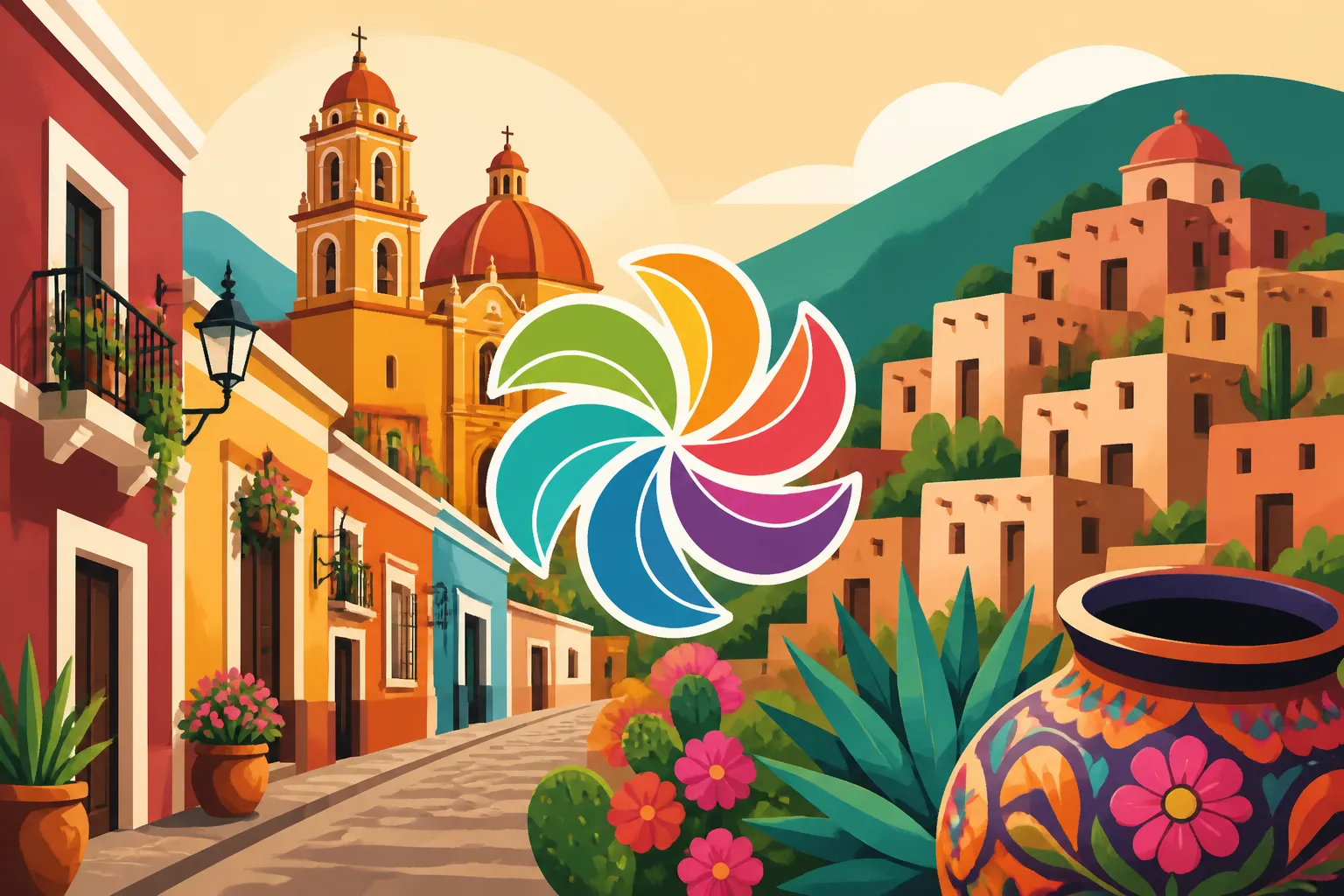
Colonial Towns and Pueblos Mágicos
Navigating Mexico’s vast network of historic colonial cities and designated Pueblos Mágicos can quickly feel overwhelming for first-time visitors and newly arrived expats alike. With over a hundred certified towns offering rich history, stunning baroque architecture, and deep-rooted traditions, deciding where to go—and how to get there—requires local insight. This comprehensive guide breaks down the best historic destinations, essential travel logistics, and practical cultural advice for an unforgettable journey.
Disclosure: This post may contain affiliate links. We may earn a commission at no extra cost to you if you make a purchase through these links. Read full disclosure.
Understanding Mexico’s Pueblos Mágicos Initiative and Colonial Heritage
What Defines a Pueblo Mágico and How the Program Works
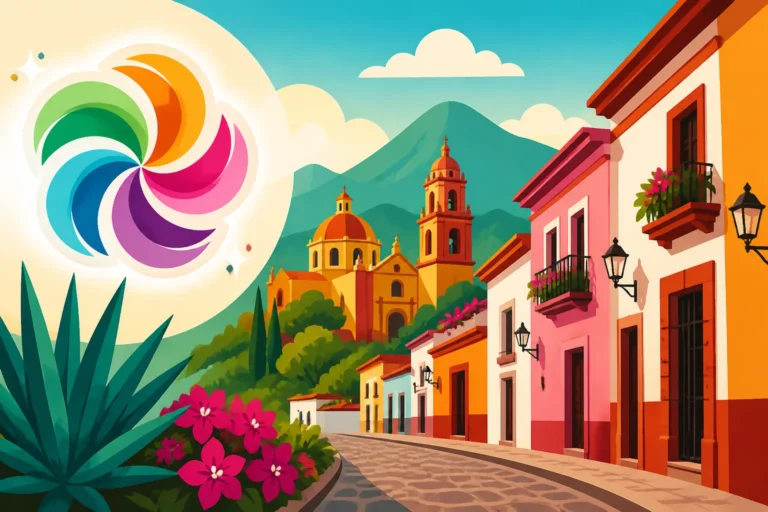
When you first start exploring Mexico beyond its famed coastal resorts, you will quickly encounter yellow, flower-shaped signs welcoming you to a “Pueblo Mágico.” This initiative was launched by Mexico’s Secretariat of Tourism to highlight small-to-medium-sized towns across the country that offer exceptional cultural heritage, natural beauty, historical symbolism, or artisanal traditions. The designation is not merely an aesthetic title; local municipalities must undergo a rigorous application process and continuously maintain strict standards regarding historic preservation, underground wiring, garbage management, and tourist infrastructure to retain their status. To dive deeper into how this initiative reshaped regional travel, check out our guide on Pueblos Mágicos: Mexico’s Magic Towns Explained.
For travelers and expats, visiting a Pueblo Mágico guarantees a distinct atmospheric charm. Instead of modern high-rises and standardized strip malls, you are met with restored historic centers, centuries-old parish churches, and preserved town squares called zócalos. Local governments in these designated towns invest heavily in keeping public spaces pristine, hosting cultural festivals, and supporting regional craftspeople.
However, it is important to realize that the program has grown significantly over the decades. While early inductees were sleepy, pristine mountain villages, the expanded list now includes a wide variety of places—from quiet agricultural communities in the high desert to bustling lakeside towns near major metropolises. Knowing what type of experience you are looking for before setting out will save you from arriving in a town that might be too quiet, or conversely, more commercialized than you anticipated.
The Architectural Legacy of Colonial Mexico
The unique aesthetic of Mexico’s historic heartland is rooted in nearly three centuries of Spanish rule, during which European architectural styles blended with indigenous stone-masonry and craftsmanship. As gold, silver, and agricultural wealth flowed through regional capitals, wealthy miners, merchants, and religious orders constructed lavish structures. Walk through any central plaza in the highlands, and you will see magnificent examples of Baroque, Neoclassical, Ultra-Baroque, and Plateresque design carved out of local volcanic quarry stone known as cantera.
The layouts of these towns almost always follow the classic Spanish colonial grid system mandated by the Laws of the Indies in the sixteenth century. At the center sits a central square flanked by a grand cathedral or church on one side, municipal administrative buildings on another, and covered arched walkways called portales lining the remainder. Behind the solid adobe and stone exterior facades of residential streets lie grand casonas—traditional homes built around open-air inner courtyards filled with lush vegetation, central fountains, and hand-painted Talavera tiles.
Living in or visiting these historic properties offers a incredible sense of timelessness, but it also comes with practical realities that surprise many newcomers. Thick stone walls keep interior spaces remarkably cool during scorching afternoon hours, yet they can trap damp chill during winter nights. Modern plumbing, electrical lines, and high-speed internet often have to be retrofitted around thick masonry walls. Embracing colonial architecture means appreciating its soaring ceilings and hand-carved wooden doors while accepting a few quaint structural quirks along the way.
Key Differences Between Major Colonial Cities and Magic Towns
A common point of confusion for travelers planning an itinerary is distinguishing between Mexico’s major colonial cities and its Pueblos Mágicos. Major colonial capitals—such as Querétaro, Morelia, Puebla, and Oaxaca City—are substantial urban centers with hundreds of thousands (or millions) of residents. Many of these larger cities hold UNESCO World Heritage status and feature sprawling historic districts surrounded by modern commercial suburbs, international hospitals, major universities, and industrial zones.
Pueblos Mágicos, by contrast, are typically much smaller municipalities or rural villages centered around a single core historic district. They offer an intimate, slow-paced atmosphere where life still revolves strictly around the central plaza, weekly street markets, and church calendars. While a major colonial city might take weeks to fully explore, most Magic Towns can be thoroughly enjoyed over a weekend or even a relaxed day trip.
Choosing between the two depends heavily on your preferred travel style and daily needs. If you require access to comprehensive healthcare, specialized international groceries, and diverse dining scenes, a major colonial city serves as an ideal home base. If your goal is to unplug, immerse yourself in rural traditions, and enjoy quieter evenings under the stars, embedding yourself in a Pueblo Mágico offers an unmatched window into authentic local life.
Top Regional Pueblos Mágicos and Historic Gems to Explore
Central Highlands Treasures: San Miguel, Guanajuato, and Querétaro
The central highlands region, often referred to as the Bajío, represents the historical heart of Mexico’s independence movement and silver mining legacy. Sitting at elevated altitudes where the climate remains temperate year-round, these cities and surrounding towns feature some of the most spectacular colonial architecture in North America. For an in-depth look at one of the most famous stops in this region, explore our overview of San Miguel de Allende for Visitors.
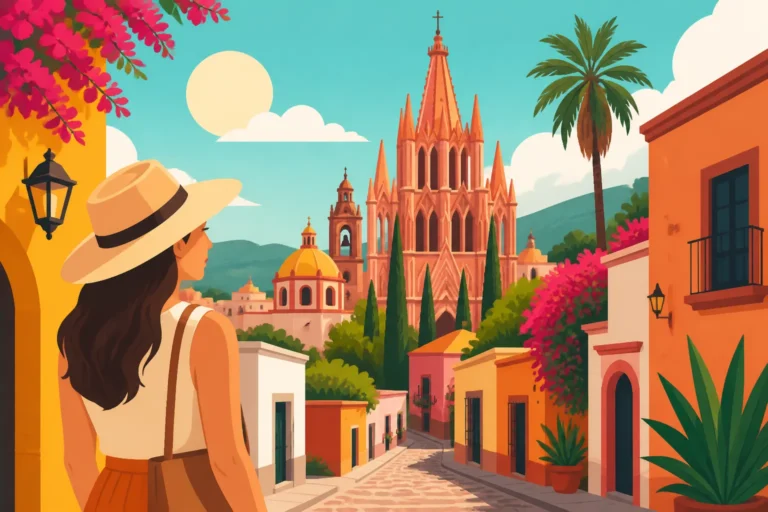
Guanajuato City, built in a narrow ravine above former silver mines, is famous for its colorful stacked houses, winding pedestrian alleyways called callejones, and an ingenious network of underground tunnels diverting modern car traffic beneath the city center. A short drive away lies San Miguel de Allende, world-renowned for its soaring pink sandstone parish church, vibrant foreign resident community, and thriving contemporary art scene. Surrounding these hub cities are charming, lesser-visited Magic Towns like Mineral de Pozos—a dramatic ghost town surrounded by high-desert landscape—and Jalpan de Serra, hidden deep in the Sierra Gorda mountain range. For detailed insider tips on exploring the subterranean streets and historic plazas of the region’s capital, check out Guanajuato: Colorful Streets and History.
When visiting these highland towns, prepare yourself for significant foot exercise. Walking up steep cobblestone inclines at elevations exceeding 6,000 feet above sea level can catch unprepared travelers off guard. Comfortable, sturdy footwear with thick soles is absolute non-negotiable gear here; sleek leather shoes or thin sandals offer zero grip on smooth, sloping stone walkways.
| Region | Key Destinations | Architectural Style | Best Travel Vibe |
|---|---|---|---|
| Central Highlands | Guanajuato, | Baroque, Churri- | Arts, history, winding |
| San Miguel, | gueresque, | cobblestone alleys, | |
| Mineral de Pozos | Neoclassical | mountain vistas | |
| Southern Sierra | Taxco, San | Rustic colonial, | Indigenous markets, |
| & Valleys | Cristóbal, | indigenous-fused | silver craftsmanship, |
| Mitla | mountain stone | lush valleys | |
| Yucatán Peninsula | Valladolid, | Low-rise Spanish, | Cenote swimming, |
| Izamal, Bacalar | pastel stucco, | Maya fusion, tropical | |
| Franciscan missions | laid-back pacing |
Southern Cultural Havens: San Cristóbal, Taxco, and Oaxaca Outskirts
Moving south into the dramatic mountain ranges of Guerrero, Oaxaca, and Chiapas, colonial urban planning seamlessly merges with ancient indigenous living traditions. Taxco de Alarcón, perched dramatically on a steep mountainside in Guerrero, remains Mexico’s iconic silver capital. Its whitewashed buildings capped with red tile roofs curve along dizzying, narrow streets dominated by the towering Santa Prisca Church—a masterpiece of Mexican Ultra-Baroque architecture.
In Chiapas, San Cristóbal de Las Casas sits in a cool, mist-shrouded mountain valley surrounded by Maya villages. Here, low-slung colonial structures painted in rich terracotta, ochre, and turquoise house bustling artisan markets, organic coffee shops, and community cultural centers. The daily atmosphere in San Cristóbal is deeply influenced by the surrounding Tsotsil and Tseltal indigenous communities, whose traditional clothing and vibrant textiles bring life to the town’s pedestrian thoroughfares.
In the valleys surrounding Oaxaca City, a chain of smaller towns preserves ancient crafting skills alongside historic haciendas and Dominican monasteries. Towns like Capulálpam de Méndez in the Sierra Norte offer eco-tourism trails alongside historic mountain charm, while coastal mountain towns like Juquila draw pilgrims from across the nation. Visiting these southern towns offers a rich, multi-layered experience where Spanish colonial churches sit directly atop Zapotec or Maya ceremonial foundations.
Yucatán Peninsula Highlights: Valladolid, Izamal, and Bacalar
The Yucatán Peninsula is widely celebrated for its Caribbean coastlines, but its interior historic towns offer a captivating blend of Spanish colonial history and living Maya culture. Valladolid, located midway between Cancún and Mérida, serves as a quintessential tropical colonial base. Its quiet streets lined with pastel-colored casonas, shaded park benches, and peaceful convent courtyards offer an ideal retreat from high-density resort zones.
Izamal, known affectionately as the “Yellow City,” presents one of the most visually distinctive urban landscapes in Mexico. Virtually every building in the historic center, including the massive 16th-century Franciscan Convent built atop a Maya pyramid base, is painted in a uniform, sun-drenched shade of yellow. Wandering through Izamal feels like stepping into a living museum where local horse-drawn carriages share streets with modern bicycles, and Maya is spoken as frequently as Spanish.
Further south along the Lagoon of Seven Colors lies Bacalar, a historic Pueblo Mágico built around the 18th-century Fortress of San Felipe, constructed to defend against Caribbean pirates. Bacalar balances fascinating maritime history with tranquil freshwater lagoon views. To explore these regions effortlessly, many travelers map out day trips or weekend stopovers using regional bus routes, reserving boutique posadas online in advance to secure central stays during peak holiday months.
Practical Logistics for Navigating Historic Towns
Intercity Transportation and Regional Transit Networks
Getting between historic towns across Mexico is surprisingly comfortable and efficient once you understand how the country’s extensive bus network operates. Unlike many Western nations where intercity passenger rail is dominant, Mexico relies on a highly developed luxury and first-class bus system. Large transportation hubs connect major cities with regional bus terminals, offering reclining seats, air conditioning, charging ports, and onboard restrooms. For an exhaustive look at selecting bus tiers and navigating terminals, read our detailed overview on Long-Distance Buses in Mexico: ADO and Premium Lines.
When planning travel between smaller municipalities and rural Pueblos Mágicos, using ticket aggregation platforms like Busbud can help you compare routes, schedules, and various bus lines to secure seats in advance. Mainline carriers like ADO (in the south and east), ETN, and Primera Plus (in the central highlands) run frequent, reliable daily schedules. For smaller off-the-beaten-path destinations, you may transfer at a regional hub to a second-class bus line or a local colectivo (shared passenger van), which operates on flexible schedules and accepts cash payment upon boarding.
| Transit Type | Route Scope | Payment Method | Comfort Level |
|---|---|---|---|
| Luxury Bus | Major cities & | Online or terminal | Reclining seats, Wi-Fi |
| (ETN, ADO GL) | regional hubs | card payments | restrooms, AC |
| First-Class Bus | Intercity & major | Online, terminal, or | Reserved seating, |
| (Primera Plus) | larger Magic Towns | ticket counter | AC, smooth ride |
| Second-Class Bus | Regional routes & | Cash at window or | Basic seating, frequent |
| / Colectivo | smaller villages | directly to driver | local stops, no AC |
Arriving at a rural town’s bus terminal or local drop-off point typically puts you within a short taxi ride or a brief walk from the historic core. Local taxis in smaller towns rarely use meters, so it is customary and advisable to confirm the fixed rate to the central plaza with the driver before placing your luggage in the trunk.
Driving and Navigating Cobblestone Streets Safely
Renting a vehicle or driving your own car gives you complete freedom to explore obscure Pueblos Mágicos at your own pace, but it introduces specific road challenges you must handle with care. Mexican highways fall into two distinct categories: cuotas (toll roads) and libres (free roads). Toll roads are smooth, monitored, and significantly faster, making them well worth the modest toll fees paid in cash or via local electronic toll tags. To master toll booth rules and driving nuances, review our practical guide on Driving in Mexico: Toll Roads (Cuotas) vs Free Roads (Libres).
Once you arrive inside a historic colonial town, driving dynamics change dramatically. Streets designed centuries ago for horse-and-carriage transport are extremely narrow, often barely wide enough for a single modern compact vehicle. Buildings sit directly against the sidewalk edge, creating blind corners at every single intersection. Always pay attention to subtle street signs pasted on building corners indicating one-way directional flow (sentido) marked by small horizontal white arrows.
The absolute greatest hazard for unfamiliar drivers in Mexican historic towns is the infamous tope (speed bump). Speed bumps in Mexico range from shallow concrete domes to massive, unmarked asphalt ridges capable of scraping your vehicle’s undercarriage if struck at speed. Always slow down significantly when entering town limits, approaching pedestrian crosswalks, or driving through shaded streets where shadows conceal these speed obstacles.
Booking Accommodation in Historic Centers
Choosing the right place to stay in a colonial town dramatically shapes your overall experience. Unlike modern resort destinations lined with sprawling hotel complexes, historic centers feature boutique properties, converted 17th-century mansions, family-operated posadas, and cozy bed-and-breakfasts. Staying directly within the historic footprint allows you to step out of your front door directly onto cobblestone streets and enjoy late-night strolls around the illuminated plaza.
To secure historic boutique stays or family-run posadas, platforms like Booking.com often show real-time availability and verified guest reviews for central properties. When reviewing potential places to stay, pay close attention to property details regarding stair access, street noise, and interior natural light. Many historic buildings preserved under strict architectural protection laws cannot alter structural walls, meaning rooms on lower levels facing inner courtyards may have small windows, but offer exceptional quiet from street noise.
If you are traveling with heavy luggage or driving a vehicle, check whether the property offers on-site parking or an arrangement with a nearby secured parking garage (estacionamiento). Street parking inside tightly packed historic districts is extremely limited and frequently restricted to commercial loading or residents. Leaving a rental vehicle in a secured, covered lot overnight gives you complete peace of mind while exploring on foot.
Cultural Etiquette and Daily Life in Historic Communities
Respecting Local Customs and Indigenous Traditions
Life in Mexico’s historic heartland runs on a foundation of deep-seated community respect, warm social pleasantries, and religious tradition. When entering small shops, cafes, or hotel lobbies, it is polite to greet people with a clear “Buenos días” (good morning) or “Buenas tardes” (good afternoon), even if you are simply walking past a shopkeeper standing near their entrance. A simple acknowledgement establishes an immediate sense of goodwill.
Religious sanctuaries—such as parish churches and cathedrals—are active places of worship, social gathering, and local identity, not just historic photo backdrops. When entering churches, ensure your shoulders and knees are modestly covered, remove hats, and keep your voice lowered to a respectful whisper. Avoid taking photos during active mass services, and never use flash photography near centuries-old religious iconography or restored oil paintings.
In southern regional towns with strong indigenous populations, such as San Cristóbal de Las Casas or San Juan Chamula, photography rules are exceptionally strict. In certain sacred spaces and local markets, pointing a camera directly at elders, children, or religious ceremonies without explicit verbal permission is considered deeply disrespectful and can lead to confrontation or fines by local civic monitors. Always ask “¿Puedo tomar una foto?” first, and gracefully respect a decline.
Navigating Local Markets and Artisanal Crafts
One of the greatest joys of traveling through Pueblos Mágicos is discovering regional handcrafts, known across Mexico as artesanías. Each town typically specializes in a specific craft passed down through generations. For instance, you might visit Santa Clara del Cobre for hand-hammered copper vessels, Paracho for hand-crafted classical guitars, Olinalá for lacquered wooden boxes, or Metepec for intricate clay “Trees of Life.” To better understand regional specializations and authenticity, read our guide on Mexican Crafts (Artesanías): What to Buy and Where.
| Pueblo Mágico / Town | Famous Regional Craft | Expat & Traveler Shopping Tip |
|---|---|---|
| Taxco, Guerrero | Fine Sterling Silver Jewelry | Look for the .925 stamp of |
| authenticity on every piece | ||
| Santa Clara del Cobre | Hand-Hammered Copper Cookware | Buy directly from family |
| and Decorative Art | artisan workshops (talleres) | |
| San Bartolo Coyotepec | Barro Negro (Black Clay | Handle carefully; pack with |
| Pottery) | ample bubble wrap for transit | |
| Paracho, Michoacán | Handcrafted Acoustic Guitars | Test instrument sound in-person |
| and String Instruments | with master luthiers |
Shopping for these treasures takes place in local municipal markets, weekend street fairs (tianguis), and artisan cooperatives. When browsing these stalls, remember that haggling in Mexico is a subtle, polite art rather than an aggressive negotiation sport. Pushing aggressively for drastic price cuts hurts artisan families who spend days or weeks handcrafting a single item. For thoughtful strategies on negotiating respectfully, refer to our article on Bargaining at Mexican Markets: Etiquette and Tips.
If you are purchasing fine art, sterling silver, or high-end ceramics, ask the artisan for a brief explanation of how the item was constructed. Most craftspeople take immense pride in their technique and will happily share the history behind their patterns, dyes, and materials. Supporting these independent workshops ensures these centuries-old artistic traditions remain financially viable for future generations.
Meal Times, Tipping, and Local Dining Norms
Dining in small-town Mexico follows a daily rhythm that differs significantly from northern European or North American schedules. Breakfast (el desayuno) is taken casually between 8:00 AM and 11:00 AM, often featuring hot chocolate, fresh pan dulce, eggs cooked with salsa, or hearty chilaquiles. The main meal of the day is la comida, enjoyed slowly between 2:00 PM and 4:00 PM. During these hours, local businesses may close briefly as families gather to eat.
In many traditional restaurants, you will find a comida corrida—a fixed-price multi-course lunch menu featuring a bowl of soup, a plate of rice or beans, a main meat or vegetable dish, fresh tortillas, and a glass of agua fresca. This daily lunch offering is incredible value and provides an authentic window into traditional regional home cooking. Dinner (la cena) is a light affair eaten much later in the evening, often starting after 8:00 PM, consisting of street tacos, sweet bread, or light appetizers.
When it comes to paying the bill at the end of your meal, keep in mind that Mexican waitstaff consider it impolite to bring the check to your table unrequested, as doing so implies they are rushing you out the door. When you are ready to depart, simply make eye contact with your server and ask “La cuenta, por favor.” Tipping (la propina) is customary in sit-down establishments; a tip of 10% to 15% in cash is standard practice. To brush up on tipping norms across various service scenarios, consult Tipping in Mexico (Propina): When and How Much.
Regional Overview and Travel Comparison
Choosing the Right Historic Town for Your Travel Style
With so many options spanning across different mountain ranges and coastal plains, matching a destination to your travel preferences is essential. Central highland towns like San Miguel de Allende, Guanajuato, and Querétaro are ideal for culture enthusiasts who enjoy vibrant dining, classical music performances, art galleries, and historic architecture set within close proximity to major airports.
If you are drawn to nature, cool mountain weather, and outdoor recreation, mountain retreats like Mazamitla in Jalisco, Mineral del Chico in Hidalgo, or Arteaga in Coahuila offer pine forests, cozy cabin rentals, hiking trails, and fresh crisp mountain air. These destinations provide a complete contrast to the tropical coastal image many foreigners initially associate with Mexico.
For those short on time who are staying in major urban hubs, planning quick escapes to peripheral towns provides a perfect taste of historic charm without logistical complexity. For actionable ideas on taking quick day trips from the national capital, check out our recommendations for Best Day Trips From Mexico City.
Seasonal Considerations and Weather Patterns
Understanding regional weather patterns will make or break your trip to historic Mexico. Because most colonial cities sit at elevated altitudes—often between 5,000 and 7,500 feet above sea level—they experience very different weather than coastal beach resorts. Mornings and evenings in the central mountains can be unexpectedly cold during winter months (November through February), requiring warm layers, sweaters, and light jackets.
| Season | Months | Weather Profile | Expat Travel Preparation |
|---|---|---|---|
| Dry / Cool Season | November – Feb | Sunny, dry air, | Pack heavy layers, |
| cold nights/mornings | jacket, moisturizing cream | ||
| Warm Dry Season | March – May | Hot sunny afternoons | Sun hat, sunscreen, high |
| dry landscapes | hydration, light cottons | ||
| Rainy Season | June – October | Warm mornings, heavy | Sturdy umbrella, rain |
| afternoon showers | jacket, non-slip shoes |
The rainy season across central and southern Mexico typically stretches from June through October. Rain during this period usually follows a predictable daily pattern: mornings are bright, sunny, and warm, followed by heavy downpours in the late afternoon or early evening. These rains refresh the high-desert landscape, filling rivers and turning surrounding hillsides a brilliant emerald green.
To navigate the rainy season smoothly, plan your outdoor sightseeing, walking tours, and market visits for early morning hours. Keep a reliable compact umbrella or lightweight rain jacket inside your daypack, and be prepared to take cover under cathedral arcades or inside a cozy plaza cafe when afternoon showers roll in.
Safety, Money, and Connectivity in Rural and Historic Mexico
Managing Cash, ATMs, and Local Currency Needs
While credit and debit cards are widely accepted in major Mexican cities, upscale hotels, and mid-to-high-end restaurants, cash remains king in smaller colonial towns and rural markets. Small family restaurants, market stalls, local taxis, street food stands, and church entry fees operate almost exclusively on cash transactions in Mexican Pesos (MXN).
When withdrawing cash, always use bank-affiliated ATMs located directly inside secure physical bank branches (such as BBVA, Banorte, Santander, or Citibanamex) along the town plaza. Avoid using standalone, unbranded ATMs situated in convenience stores or along high-foot-traffic tourist streets, as these machines carry higher transaction fees and present a greater risk of card cloning.
Always break large bill denominations ($500 peso bills) whenever you pay at larger establishments, supermarkets, or hotel desks. Small shop owners and street vendors rarely have sufficient change (cambio) to break high-value bills for small purchases. Keeping a healthy pocket supply of $20, $50, and $100 peso notes, along with coins, will make daily small-scale purchases completely hassle-free.
Maintaining Mobile Data and Staying Connected
Staying connected via mobile data is essential for navigating narrow streets, using translation apps, checking bus schedules, and researching local dining options on the go. Major Mexican telecom providers like Telcel, AT&T Mexico, and Movistar offer strong coverage across major highways and inside historic municipal centers.
If you are traveling with an unlocked smartphone, picking up a local prepaid SIM card or installing a regional eSIM before your trip provides seamless data connectivity at nominal cost. You can purchase SIM cards at almost any OXXO convenience store found near central plazas. Telcel’s prepaid plan (Sin Límite) covers cell data, local calls, and unlimited usage of messaging apps like WhatsApp.
WhatsApp is the undisputed backbone of daily communication across Mexico. Local boutique hotels, tour guides, taxi services, and restaurants frequently use WhatsApp for booking reservations and answering customer questions. Setting up the application on your phone before embarking on your trip makes communicating with service providers simple and immediate.
Personal Safety and Road Conditions
Exploring Mexico’s historic heartland is generally very safe, warm, and welcoming for tourists and foreign residents who exercise standard, sensible travel awareness. Small colonial towns generally maintain low violent crime rates, with local police maintaining a visible presence around central plazas and main public spaces.
The primary safety concerns in historic areas revolve around simple physical hazards and minor opportunistic theft. Cobblestone streets, cracked sidewalks, and uneven stone stairways present constant trip hazards. Always watch your step, particularly at night when street lighting inside historic districts can be soft or ambient to preserve period charm.
Keep your personal belongings secure while walking through crowded weekend street markets (tianguis) or busy public festivals. Carry backpacks closed securely in front of you, keep mobile phones inside zipped front pockets, and avoid carrying unnecessarily large sums of cash or wearing flash jewelry. When looking for boutique stays in safe, historic neighborhoods, check options on Accommodation in Mexico: Hotels, Hostels, and Rentals.
Crafting the Ideal Itinerary for Colonial Exploration
Short Day Trips and Weekend Getaways
For expats living in large urban hubs like Mexico City, Guadalajara, or Querétaro, weekend trips to nearby Pueblos Mágicos provide the ultimate refreshing escape from metropolitan noise. A quick two-day itinerary allows you to slow down, enjoy regional traditional meals, pick up unique handcrafts, and return home energized without needing extensive travel days.
When planning a quick weekend getaway, limit your travel radius to destinations within a two-to-three-hour drive or bus ride. This ensures you spend your valuable weekend hours walking through historic gardens and tasting regional specialties rather than sitting in transit.
For travelers short on time who want rich context on local history during a quick visit, booking an afternoon walking tour through Viator can connect you with knowledgeable bilingual guides who bring centuries of architectural and civic history to life.
Multi-Week Routes Across Central and Southern Mexico
If you have two weeks or more to dedicate to a extended road journey, connecting multiple colonial cities and Pueblos Mágicos into a continuous overland route reveals the incredible cultural diversity of interior Mexico. A classic central highlands route might begin in Mexico City, wind north through Querétaro, San Miguel de Allende, and Guanajuato City, before concluding in the cultural capital of Morelia.
Classic 14-Day Central Highlands Itinerary Route
Day 1 – 3: Mexico City Historic Core -> Day Trip to Teotihuacán / Tepotzotlán
Day 4 – 6: Querétaro Historic Center -> Day Trips to Peña de Bernal & Tequisquiapan
Day 7 – 9: San Miguel de Allende & Atotonilco Sanctuary
Day 10 – 12: Guanajuato City -> Subterranean streets, mines, and callejones
Day 13 – 14: Morelia & Pátzcuaro Lake Towns -> Return or onwards connectivity
Alternatively, a southern cultural route can take you from Oaxaca City through the traditional artisan valleys of Mitla and Teotitlán del Valle, across the dramatic mountains of Chiapas to San Cristóbal de Las Casas, and down into the tropical, low-slung colonial streets of Yucatán.
When designing a long-distance itinerary, build in rest days every four to five days. Trying to visit a new historic town every single morning quickly leads to architectural overload and physical fatigue. Allow yourself quiet afternoons simply sitting on park benches, listening to local musicians, and soaking in daily town life.
Avoiding Travel Fatigue and Embracing “Tiempo Mexicano”
One of the most valuable shifts a foreign traveler or expat can make when exploring historic Mexico is adapting to the local pace of life, often described with a smile as tiempo mexicano. Life in smaller colonial towns moves to a relaxed, humane tempo. Service in traditional restaurants is unhurried, appointments may start a little later than scheduled, and conversations naturally take precedence over rigid timelines.
Resisting this slow pace leads directly to unnecessary frustration. If a local train or bus runs slightly behind schedule, or if a artisan takes extra time to explain their process to the customer ahead of you, take a deep breath and remember that you came here precisely to escape the rushed pace of modern life.
Sit under the shade of a laurel tree in the central zócalo, order a cold agua fresca or a fresh espresso, and watch town life unfold around you. The true magic of Mexico’s Pueblos Mágicos lies not in checking famous sights off an itinerary, but in embracing the gentle, timeless rhythm of everyday life in these extraordinary historic communities.
Disclaimer
This article is for general informational purposes only and does not constitute professional advice. Laws, prices and regulations vary by location and change over time. Consult a qualified professional for guidance on your specific situation.