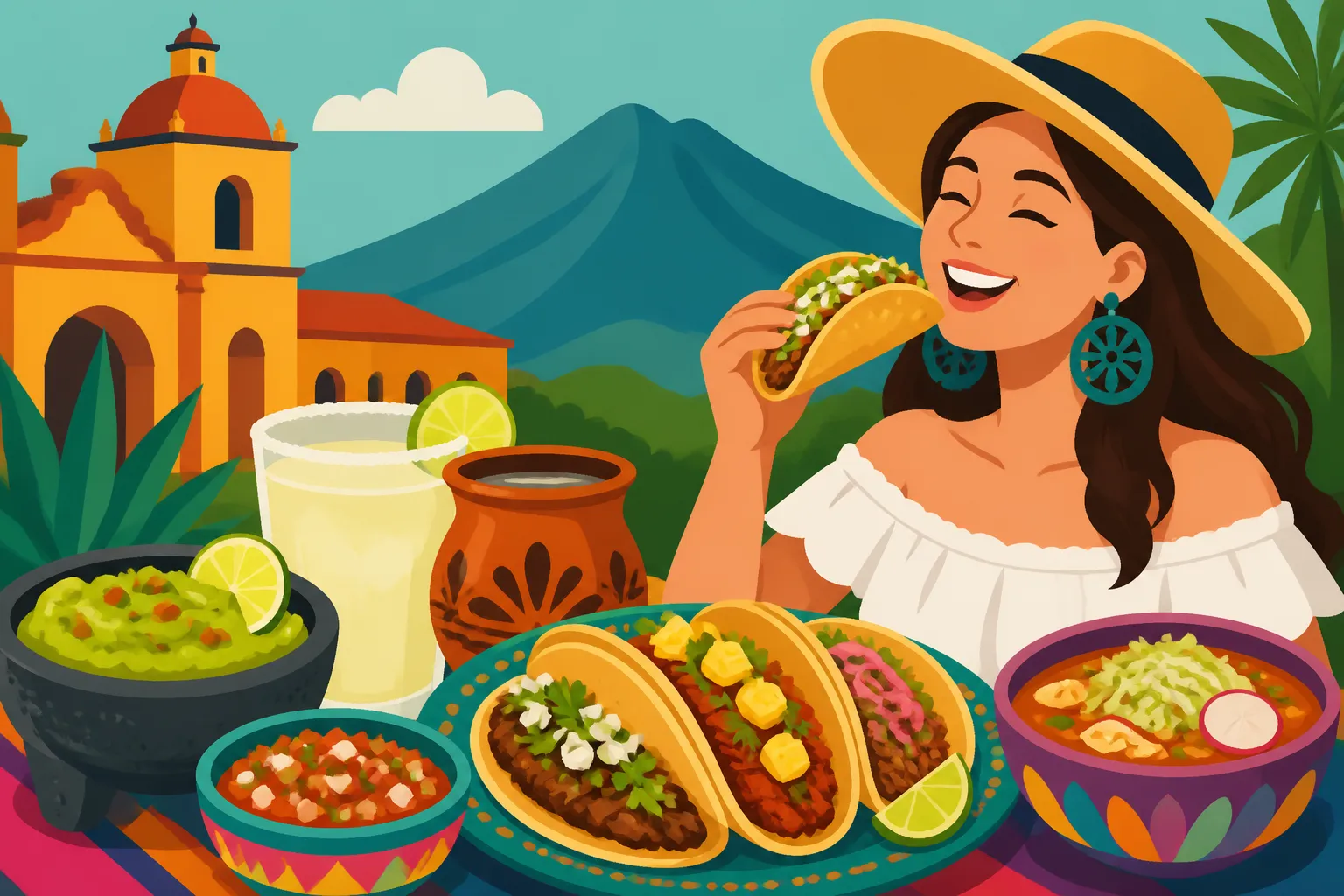
Mexican Food Culture: Eating and Drinking as a Visitor
Arriving in Mexico as a newcomer often brings an overwhelming sense of choice, confusion around unfamiliar dining schedules, and the genuine anxiety of navigating street stalls without upsetting your stomach or breaching local etiquette. Eating here is far more than mere sustenance; it is an intricate social language and an essential element of daily life. This guide provides an in-depth breakdown of Mexican culinary traditions, street food safety, regional specialties, and dining customs so you can eat and drink with confidence across the country.
Disclosure: This post may contain affiliate links. We may earn a commission at no extra cost to you if you make a purchase through these links. Read full disclosure.
The Pillars of Mexican Culinary Heritage
To truly understand what lands on your plate in Mexico, you must first appreciate that Mexican food is not a single, monolith style of cooking. It is a vast mosaic woven from thousands of years of Mesoamerican history, refined by indigenous communities, and transformed through centuries of Spanish, African, Asian, and Middle Eastern influences. When you step into a home kitchen, a neighborhood market, or an upscale dining room, you are participating in a living ritual that has sustained communities across centuries.
Pre-Hispanic Roots and UNESCO Recognition
Long before Spanish conquest altered the landscape, the indigenous inhabitants of Mesoamerica—including the Maya, Zapotec, Mixtec, and Mexica (Aztec)—developed sophisticated agricultural systems and culinary techniques. Chief among these was nixtamalization, an ingenious chemical process where dried corn kernels are soaked and cooked in an alkaline solution, usually limewater. This process does not merely make the corn pliable enough to grind into dough (masa); it dramatically improves the grain’s nutritional value by releasing bound niacin (Vitamin B3), making protein digestible, and eliminating dangerous toxins. Without nixtamalization, the grand civilizations of ancient Mexico could not have thrived on a corn-based diet.
The cultural significance of traditional Mexican cuisine is so profound that UNESCO inscribed Traditional Mexican Cuisine onto the Representative List of the Intangible Cultural Heritage of Humanity. UNESCO did not bestow this honor on fancy restaurant plating or famous modern chefs, but rather on the ancestral, ongoing community practices, traditional farming methods like chinampas (floating agricultural gardens), and the collective wisdom passed down through generations of women cooks known as mayoras.
When you sit down at a humble plastic table on a sidewalk, eating a tortilla made from fresh nixtamalized heirloom corn, you are experiencing the exact same culinary foundation that sustained ancient civilizations. Understanding this history changes how you view a simple street taco. It transforms a quick bite into an encounter with a continuous cultural lineage that has resisted industrialization and preserved biodiversity despite centuries of foreign pressure.
The Essential Triad: Corn, Beans, and Chiles
The bedrock of traditional Mexican nutrition relies on three crops grown together in a brilliant symbiotic agricultural system known as the milpa. In a milpa, corn grows tall and provides a natural trellis for climbing bean vines. The beans, in turn, fix nitrogen into the soil to nourish the corn. Pumpkin or squash vines creep along the ground, their broad leaves shading the dirt to retain moisture and suppress weeds. Grown together alongside wild chiles, these plants provide a complete, balanced human diet containing necessary carbohydrates, proteins, vitamins, and minerals.
Corn (maíz) is the spiritual and physical backbone of the diet. It appears in countless forms: as masa for tortillas, tamales, sopes, and gorditas; ground into warm drinks like atole; or eaten whole off the cob as elote. Beans (frijoles) provide essential protein and structure to meals, cooked simply in clay pots with epazote (an aromatic herb), refried with lard or oil, or mashed into savory fillings.
Chiles (chiles) are often misunderstood by foreigners as mere agents of burn or heat. In reality, Mexican cooks view chiles primarily as flavor enhancers, building blocks for complex sauces, and rich sources of vitamins. Fresh chiles like jalapeño, serrano, poblano, and habanero offer bright, vegetal, or citrus notes, while dried chiles such as ancho, guajillo, pasilla, and chipotle contribute deep, smoky, sweet, and raisiny undertones. A master sauce maker balances these elements to create depth rather than pure spice.
Understanding Regional Diversity
One of the biggest mistakes visitors make is expecting to find the same menu items across every state in Mexico. The country’s topography—ranging from arid northern deserts and high-altitude alpine valleys to dense southern tropical jungles and vast coastlines—creates vastly different microclimates and regional ingredient profiles. If you travel across the country, you will quickly notice that Mexican Regional Cuisine: How Food Changes Across Mexico reflects the geographical reality of each province.
In the northern desert states, cattle ranching dominates the culture. Here, wheat flour tortillas often replace corn tortillas, and menus revolve around grilled beef (carne asada), dried shredded meat (machaca), and rich cow’s milk cheeses like queso menonita. As you move into the central highlands and the capital, corn regains its undisputed crown, and pork, turkey, wild greens (quelites), and intricate long-simmered stews define daily eating.
Further south in Oaxaca and Guerrero, complex mole sauces containing dozens of ingredients—including nuts, seeds, chocolate, and dried chiles—take center stage, paired with heirloom corn varieties and local cheeses. Meanwhile, the Yucatán Peninsula operates almost like a distinct culinary island, heavily influenced by ancient Maya techniques, sour oranges, achiote paste, and European trade routes. Coastal regions along the Pacific and Gulf coasts naturally prioritize fresh seafood, ceviches, and citrus-cured preparations.
Street Food Culture: Navigating Stalls and Taquerías
For many foreigners, the street food scene in Mexico represents both the ultimate culinary highlight and the single greatest source of intimidation. Sidewalks overflow with metal carts, steaming pots of broth, and blazing vertical spits emitting aromas that draw crowds from blocks away. Embracing street food is non-negotiable if you want to experience authentic Mexican flavor, but doing so smoothly requires understanding how these mobile kitchens operate.
The Anatomy of Street Food Staples
While tacos are famous worldwide, they are just one branch of a broad category of corn-based street snacks known as antojitos (literally “little cravings”). Understanding the structural differences among these items helps you navigate street cart menus with ease. Every traveler should learn the unique preparations that make Street Food In Mexico: Tacos, Tamales, and More such a rich field of exploration.
- Tacos: A flexible corn or flour tortilla wrapped around a savory filling. Fillings range from braised meats (guisados) to spit-roasted pork (al pastor), grilled steaks, offal, or grilled vegetables.
- Tamales: Pockets of seasoned corn dough (masa) filled with meats, chiles, or fruits, wrapped in corn husks or banana leaves and steamed until tender. They are a staple morning food.
- Sopes and Huaraches: Thick disks or oval boats of fried masa with pinched edges, smeared with refried beans and topped with meat, shredded lettuce, salsa, crema, and crumbled queso fresco.
- Gorditas: Round masa cakes cooked on a flat griddle (comal), sliced open like a pocket, and stuffed with savory ingredients such as chicharrón prensado (pressed pork skin simmered in salsa) or beans.
- Quesadillas: Tortillas folded over cheese and other fillings, then cooked on a griddle or deep-fried. In Mexico City, be warned: quesadillas do not automatically come with cheese unless you explicitly request it (con queso).
Knowing these formats allows you to customize your meal based on your hunger level and texture preferences. A single cart might specialize entirely in gorditas, while another focuses strictly on slow-braised pork carnitas.
Navigating Ordering Protocols and Condiments
Ordering at a street stand follows an unwritten script that can feel chaotic to the uninitiated. When you arrive, step up to the cook or server and catch their eye. At busy stands, you usually order your food directly from the cook first, eat your meal, and pay the manager or cashier (cajero) at the very end based on an honor system. If you want to fit in smoothly, learning How to Eat Tacos Like a Local in Mexico involves keeping track of exactly what you ate so you can report your tally accurately when paying.
When your tacos arrive, they will usually be served plain or with just meat and chopped onions and cilantro. The rest of the customization happens at the condiment bar (salsas y guarniciones). Here, you will find an array of glass bowls or plastic squeeze bottles containing green salsa (salsa verde, usually made with tomatillos), red salsa (salsa roja, made with roasted tomatoes and dried chiles), pickled red onions, radishes, sliced cucumbers, and fresh limes.
| Condiment / Salsa | Key Ingredients | Typical Heat Level & Usage |
|---|---|---|
| Salsa Verde | Tomatillos, serranos, cilantro | Tangy, medium heat; great for pork |
| Salsa Roja | Roasted tomatoes, arbol chiles | Deep, medium-to-hot; universal |
| Salsa Macha | Dried chiles, oil, seeds/nuts | Very high heat, nutty & smoky |
| Pico de Gallo | Diced tomato, onion, jalapeño | Mild, crisp, fresh topping |
| Escabeche | Pickled carrots, jalapeños, onions | Tangy palate cleanser |
Always exercise caution with dark, oily salsas like salsa macha, which contain dried habanero or árbol chiles fried in oil; they pack exceptional heat. If you are uncertain about spice levels, spoon a drop of salsa onto the back of your hand to taste it before smothering your food. If you need step-by-step guidance on communicating with vendors, read our detailed guide on How to Order at a Taquería in Mexico.
Street Food Hygiene and Avoiding Stomach Trouble
The fear of traveler’s diarrhea—known colloquially as “Montezuma’s Revenge”—keeps many tourists trapped in overpriced hotel restaurants. While your digestive tract may require an adjustment period to local bacteria and spicy oils, getting sick is not an inevitable tax you must pay for visiting Mexico. Following proven sanitation rules significantly reduces your risk while letting you enjoy street food safely.
First, observe the crowd dynamics. High customer turnover is your best friend. A stand crowded with locals, families, office workers, and taxi drivers guarantees that food is not sitting out at room temperature; ingredients are cooked fresh and replenished continuously. Second, inspect the workspace setup. Is the person handling raw meat and assemble food also handling cash? A clean, safe stall typically employs a dedicated worker who handles money, or the cook wears a plastic bag or glove over their cash-handling hand.
Third, pay attention to the water source. High-risk stalls lack running water and wash dishes in stagnant buckets. Safe stands line their plastic plates with disposable plastic bags, discarding the bag after each customer so your food never touches an unwashed surface. Reading our dedicated resource on Food and Water Safety in Mexico: Avoiding Illness will help you build confidence. If you ever wonder Is Street Food Safe to Eat in Mexico?, remember that millions of residents rely on these stalls daily without issue because they know which physical signs signal good hygiene.
The Rhythms of Mexican Dining: Meal Schedules and Etiquette
One of the most frequent sources of frustration for newcomers is arriving at a restaurant expecting dinner at 6:00 PM, only to find the dining room empty, closed, or offering a limited menu. Daily life in Mexico moves to a distinct rhythmic schedule that dictates when specific foods are prepared, consumed, and enjoyed socially.
El Desayuno and El Almuerzo: Morning Rituals
Mornings in Mexico offer a two-tiered approach to eating. Early risers usually begin their day around 7:00 AM or 8:00 AM with a light desayuno: a hot cup of coffee (café de olla brewed with cinnamon and unrefined piloncillo sugar) or a warm corn-based atole, accompanied by a piece of sweet bread (pan dulce) bought from a local bakery or street cart.
Later in the morning, typically between 9:30 AM and 11:30 AM, comes el almuerzo—a substantial, heartier breakfast that functions as a major sit-down meal. This is the hour for dishes like chilaquiles (lightly fried tortilla chips simmered in red or green salsa, topped with shredded chicken, eggs, cream, cheese, and sliced onions) or huevos rancheros (fried eggs served on lightly fried tortillas smothered in warm tomato salsa).
Street stands during these morning hours overflow with commuters grabbing tamales stuffed into crusty white bread rolls—a carb-heavy Mexico City specialty known as a guajolota or torta de tamal. Breakfast is treated as a warm, comforting ritual designed to fuel physical work, and skipping it or rushing through a paper cup of drip coffee is entirely foreign to local lifestyle norms.
La Comida and the Magic of Comida Corrida
The centerpiece of the Mexican culinary day is la comida, the main midday meal. It takes place far later than standard northern European or American lunches, usually starting around 2:00 PM and extending until 4:00 PM or 5:00 PM. During this window, businesses often slow down, and families gather at home or fill local restaurants to enjoy a multi-course sit-down meal.
For budget-conscious locals and working professionals, the ultimate lunch institution is the fondita or cocina económica, serving what is known as comida corrida (a set-menu lunch). A standard comida corrida offers unbeatable value and follows a comforting, fixed four-course structure:
- Sopa Aguada: A light broth-based starter, such as vegetable soup or noodle soup (sopa de fideo).
- Sopa Seca: Literally “dry soup,” usually consisting of a plate of Mexican red rice (arroz rojo) garnished with a hard-boiled egg or fried plantain, or a small pasta dish.
- Plato Fuerte: The main dish, chosen from three or four daily specials (e.g., pork ribs in green sauce, chicken in mole, beef milanesa, or stuffed poblano peppers), served with refried beans and warm tortillas.
- Postre y Agua Fresca: A small sweet bite (such as rice pudding, flan, or a lime gelatin) accompanied by a pitcher of fresh fruit-infused water.
Eating a comida corrida is the single best way for a visitor to experience authentic, home-style Mexican cooking (comida casera) at modest prices while aligning naturally with local living patterns.
La Cena and Late Night Dining Customs
Because la comida is so filling and concludes late in the afternoon, traditional evening dining—la cena—is a lighter, much more relaxed affair. It rarely begins before 8:00 PM and frequently stretches well past 10:00 PM, especially on weekends. Understanding What Time Do Mexicans Eat Lunch and Dinner? will save you from standing outside locked restaurant doors at 5:30 PM wondering why no one is eating.
A typical neighborhood cena might consist of a simple sweet bread with warm milk or chocolate at home, or a social trip to a local taquería with friends. Nighttime taquerías specialize in specific late-night meats, most notably tacos al pastor (marinated pork cooked on a vertical spit topped with a fresh pineapple wedge) or grilled meats like suadero and longaniza.
| Meal Name | Typical Hours | Common Dishes & Focus |
|---|---|---|
| Desayuno | 7:00 AM – 9:00 AM | Coffee, pan dulce, light fruit |
| Almuerzo | 9:30 AM – 11:30 AM | Chilaquiles, huevos rancheros, tamales |
| Comida | 2:00 PM – 4:30 PM | Main meal: 3-4 course Comida Corrida |
| Cena | 8:00 PM – 10:30 PM | Tacos al pastor, tortas, sweet bread |
Dinner is fundamentally about conversation and community. Rushing a waiter for the check immediately after swallowing your last bite is considered impolite. The period after a meal spent chatting over empty plates and drinks is known as la sobremesa, a cherished social habit that no visitor should ever rush.
Regional Deep Dives: A Culinary Journey Across the Country
To travel through Mexico is to undertake a continuous feast. Each geographic region takes fierce pride in its hyper-local ingredients, traditional cookware, and distinct flavor profiles. Planning your itinerary around these regional food capitals turns any trip into a rich cultural exploration.
Mexico City and Central Highlands Classics
The nation’s capital, high in the Valley of Mexico, serves as a giant culinary sponge, absorbing traditions from every corner of the republic while developing its own iconic urban street food culture. The street corners of Mexico City sizzle with tacos al pastor, introduced in the 1930s and 1940s by Lebanese immigrants who brought vertical spit-roasting techniques, which locals adapted by swapping lamb for chili-marinated pork and serving it on corn tortillas.
Another central highland triumph is the torta, a Mexican sandwich built on a soft white roll called a telera or bolillo. These sandwiches are loaded with layers of refried beans, avocado, tomatoes, pickled jalapeños, mayonnaise, cheese, and fillings like breaded pork cutlets (milanesa), head cheese, or shredded beef.
In nearby Puebla, culinary history reaches artistic heights with chiles en nogada—poblano chiles stuffed with a savory-sweet mixture of minced meat, dried fruits, and spices, smothered in a cool walnut cream sauce and garnished with red pomegranate seeds and green parsley to mirror the colors of the Mexican flag. Puebla is also famed for mole poblano, a rich, dark sauce blending roasted chiles, nuts, seeds, spices, and Mexican chocolate.
Oaxaca and the South: Complex Moles and Ancestral Techniques
Oaxaca is widely regarded as the spiritual heartland of Mexican gastronomy. Known as the “Land of the Seven Moles,” Oaxacan cooks masterfully blend indigenous ingredients with old-world trade spices to create extraordinarily complex sauces. These Seven Moles—Negro, Rojo, Coloradito, Amarillo, Verde, Chichilo, and Manchamanteles—range from deep, chocolate-infused savory pastes to bright, herb-heavy green preparations thickened with fresh corn masa.
Beyond moles, Oaxaca’s markets present unique regional delicacies:
- Tlayudas: Often called “Oaxacan pizzas,” these are large, toasted, crispy corn tortillas smeared with unrefined pork lard (asiento), seasoned black bean paste, shredded quesillo (Oaxacan string cheese), cabbage, and grilled pork or beef.
- Chapulines: Toasted grasshoppers seasoned with garlic, lime, and chile powder. Crisp, salty, and sour, they are enjoyed as a protein-dense snack or tossed into guacamole.
- Quesillo: A smooth, elastic, rolled string cheese with a mild, slightly salty flavor that melts beautifully over dishes.
The southern state of Chiapas adds its own gentle, herbal touch, utilizing plantains, wild mushrooms, and tamales wrapped in banana leaves, reflecting the lush, mountainous jungle environment.
The Yucatán Peninsula and Coastal Treasures
Separated from central Mexico by dense terrain and ocean routes, the Yucatán Peninsula developed a culinary personality influenced heavily by Maya traditions, Caribbean flavors, and European maritime imports. The defining signature flavor of Yucatecan food comes from achiote (annatto seeds), sour bitter oranges (naranjas agrias), and slow-roasting techniques in underground pit ovens called píib.
The undisputed king of Yucatecan cuisine is cochinita pibil—suckling pork marinated in bright red achiote paste and sour orange juice, wrapped tightly in banana leaves, and slow-roasted until the meat collapses into tender, aromatic strands. It is served with pickled pink red onions and fiery habanero salsas. Other regional hits include sopa de lima (a fragrant turkey broth brightened with fragrant local limes and crispy tortilla strips) and papadzules (corn tortillas stuffed with hard-boiled eggs and drenched in a silky pumpkin seed sauce topped with tomato salsa).
Along the vast coastlines, marine life takes over. On the Pacific coast, in places like Sinaloa and Nayarit, try aguachile—fresh raw shrimp butterflied and flash-cured in a icy-cold lime juice blended with fresh green chiles and cilantro, served with sliced cucumbers and red onions. Down in Veracruz on the Gulf of Mexico, huachinango a la veracruzana showcases whole red snapper baked with tomatoes, capers, olives, garlic, and herbs, clearly showing Spanish Mediterranean roots.
When traveling between regional culinary hubs, booking long-distance bus tickets on Busbud helps you move comfortably from city to city while watching the agricultural landscapes shift outside your window.
Mexican Beverage Culture: Beyond the Commercial Margaritas
Many tourists arrive in Mexico assuming beverage options begin and end with icy Margaritas and light bottled beers. In reality, Mexico boasts one of the most sophisticated, ancient, and varied drinking cultures in the world, spanning complex agave distillates, ancient fermented tonics, and fresh fruit juices.
Agave Traditions: Understanding Tequila and Mezcal
To understand Mexican spirits, you must first understand the agave plant (maguey). While all tequila is technically mezcal, not all mezcal is tequila. Tequila can only be produced legally in designated states (primarily Jalisco) using a single, specific agave variety: Agave tequilana Weber (blue agave). The agave hearts (piñas) are steamed in industrial ovens, fermented, and distilled in copper pots.
Mezcal, on the other hand, can be crafted from over thirty different wild and cultivated agave species (such as Espadín, Tobalá, Arroqueño, and Tepeztate), mostly centered around Oaxaca. Traditional mezcaleros roast the agave hearts in deep underground stone pits lined with wood coals and volcanic rock for days. This process imparts mezcal’s signature smoky, earthy flavor profile. Mezcal is never meant to be shot quickly with lime and salt; it is meant to be sipped slowly (“kissed,” or besado) at room temperature, often accompanied by orange slices sprinkled with sal de gusano (sea salt ground with toasted agave worms and dried chiles).
To deepen your understanding, reading our guide on Tequila, Mezcal, and Mexican Drinking Culture breaks down age classifications such as blanco, reposado, and añejo. Beyond these two famous spirits lies a universe of regional agave and plant distillates like raicilla in Jalisco, bacanora in Sonora, and sotol in Chihuahua.
Fermented and Traditional Non-Alcoholic Drinks
Long before distillation was introduced to the Americas, indigenous societies developed low-alcohol fermented beverages that remain popular today as refreshing, nutrient-rich tonics:
- Pulque: An ancient, viscous, slightly bubbly beverage made by fermenting the raw sap (aguamiel) of mature agave plants. It is rich in probiotics and vitamins, offering a sour, yeasty flavor. It is consumed plain (blanco) or blended with pureed fruits and nuts (curados).
- Tepache: A light, refreshing fermented drink made from sweet pineapple rinds, dark piloncillo sugar, cinnamon, and cloves, fermented for a few days until gently effervescent.
- Tejate: An ancestral Oaxacan cold drink crafted from toasted corn, fermented cacao beans, mamey fruit seeds (pixtle), and rosita de cacao flowers. When whipped, a frothy, creamy top layer forms over a cool, nutty liquid.
For daily non-alcoholic refreshment, every market stall and restaurant serves aguas frescas—fresh fruit purees blended with water and light sugar. Popular varieties include agua de horchata (a creamy drink made from soaked rice, cinnamon, vanilla, and milk), agua de jamaica (a tart, deep-red iced tea made from dried hibiscus flowers), and agua de tamarindo (tangy, sweet tamarind pulp juice).
Beer Etiquette, Micheladas, and Coffee Culture
Mexico’s beer market is famous worldwide, but drinking beer locally involves unique preparations that often shock visitors. The most famous local creation is the michelada. Rather than drinking cold beer straight from the bottle, locals regularly pour light or dark lagers into a heavy glass rimmed with chili salt or tajín, filled with ice, fresh lime juice, and assorted savory sauces (such as Worcestershire sauce, soy sauce, and hot sauce). A variations known as a clamato adds clam-tomato juice to the mix, creating a savory, restorative hangover remedy.
Coffee culture in Mexico is equally distinct. Traditional home-style coffee is café de olla, brewed in unglazed clay pots with ground coffee, cinnamon sticks, and dark piloncillo sugar. The porous clay imparts an earthy aroma that cannot be replicated in modern espresso machines.
In coastal Veracruz, coffee history runs deep in towns like Coatepec, where old-school cafes serve café lechero—a shot of strong dark coffee served in a tall glass, topped dramatically from high above with scalding hot milk poured by servers carrying steaming metal teapots.
Practical Tips for Visitors: Markets, Tipping, and Etiquette
Successfully eating your way across Mexico requires mastering a few everyday logistics, social etiquette rules, and practical market navigation skills.
Shopping and Eating in Mercados and Tianguis
Municipal markets (mercados municipales) and temporary open-air weekly markets (tianguis) are the beating heart of local food distribution. Walking through these sprawling halls exposes you to colorful piles of fresh fruits, fragrant spice stalls, fresh butcher cuts, and bustling food stalls (fondas). Choosing central accommodations through Booking.com near local neighborhood markets allows you to step right out into these vibrant morning spaces every day.
When exploring markets, remember these guidelines:
- Greetings Matter: Always start any interaction with a polite “Buenos días” (Good morning) or “Buenas tardes” (Good afternoon) before asking prices or ordering food.
- Market Terminology: Market vendors will warmly address you as “güero/a” (light-skinned), “mi amor” (my love), or “joven” (young person), regardless of your actual age or appearance. This is playful, affectionate sales talk, not an insult.
- Produce Etiquette: Avoid aggressively squeezing fruits or vegetables at small family stands. Point to what you want, or ask permission before selecting produce yourself.
For those who feel intimidated by their first market visit, booking a guided street food walk on Viator offers a safe, structured introduction alongside a knowledgeable local resident who can explain unknown fruits, translate dishes, and recommend the cleanest vendors. You can also explore our article on Mexican Markets and Food Halls for Visitors to prepare for your first shopping trip.
Tipping Standards, Bills, and Payment Logistics
Tipping culture in Mexico is well-established, and restaurant workers rely heavily on gratuities (propinas) to earn a livable income. Understanding how payment operates prevents awkward misunderstandings at the end of your meal.
In sit-down casual and fine-dining restaurants, standard tipping guidelines are straightforward:
- Standard Service: 10% to 15% of the total bill before sales tax (IVA). Leaving 10% is expected for decent service; 15% reflects excellent service.
- Coffee Shops and Bakeries: Leaving spare change or 5% to 10% in a tip jar is appreciated.
- Street Carts: Tipping is not strictly mandatory at basic sidewalk stands, but leaving spare coins (10 to 20 pesos) in the tip cup is a courteous gesture.
Always inspect your printed receipt (cuenta) carefully before paying. Look out for the word propina. Occasionally, tourist-heavy venues illegally add a suggested tip into the total bill without asking. If you see this, you are within your legal rights to ask them to remove it so you can tip at your discretion.
When you are finished eating and ready to pay, a waiter will almost never drop the check on your table unprompted; doing so is considered rude rushing. To request the bill, catch your waiter’s eye, make a signing gesture in the air with your thumb and index finger, and say, “La cuenta, por favor.” If you want a complete breakdown of payment etiquette, consult our guide on Tipping in Mexico (Propina): When and How Much.
Managing Dietary Restrictions and Vegetarian Living
Vegetarian and vegan travelers often worry that Mexican food’s heavy reliance on pork, beef, and poultry will make dining impossible. While plant-based diets are growing rapidly in urban centers like Mexico City, Guadalajara, and Puerto Vallarta, traditional rural cooking still relies heavily on animal fats—especially unrefined pork lard (manteca)—for frying beans and seasoning corn masa.
If you follow a strict plant-based diet, keep these practical points in mind:
- Hidden Lard: Refried beans, tamales, and masa bases for sopes and gorditas are traditionally cooked with pork lard. Always ask clearly: “¿Los frijoles tienen manteca?” (Do the beans contain lard?) or “¿Tienen opciones vegetariana sin manteca?”
- Naturally Vegetarian Options: Dishes like quesadillas de flor de calabaza (squash blossom), quesadillas de hongos (mushrooms), nopal (prickly pear cactus salad), and chiles rellenos (cheese-stuffed poblano peppers) offer fantastic meat-free flavors.
- Communicating Clearly: Simply saying “Soy vegetariano/a” may not always cover chicken broth (caldo de pollo) used to flavor rice or vegetable soups. Specify that you do not eat meat, chicken, pork, or lard (sin carne, pollo, puerco, o manteca).
For detailed advice on finding plant-focused dining options, check out our helpful guide on Vegetarian and Vegan Food in Mexico.
| Mexican Food Myth | Common Visitor Assumption | Everyday Reality in Mexico |
|---|---|---|
| Spice Levels | All Mexican food is burning hot | Chiles add flavor; salsas are added |
| right off the griddle. | on the side by the diner. | |
| Quesadillas | Quesadillas always contain | In Mexico City, you must explicitly |
| melted cheese automatically. | request cheese (“con queso”). | |
| Hard Shell Tacos | Tacos come in hard, yellow | Real Mexican tacos use soft, warm, |
| fried corn shells. | pliable corn or wheat tortillas. | |
| Churros for Dessert | Churros are eaten after dinner | Churros are a morning or late-evening |
| at sit-down restaurants. | street snack enjoyed with hot cocoa. |
By stepping beyond resort dining rooms and approaching local food stalls, neighborhood markets, and regional specialties with curiosity and basic etiquette, you will unlock one of the richest culinary landscapes on Earth. Take your time, pull up a plastic stool, order a cold agua fresca, and savor every bite of your journey.
Disclaimer
This article is for general informational purposes only and does not constitute professional advice. Laws, prices and regulations vary by location and change over time. Consult a qualified professional for guidance on your specific situation.