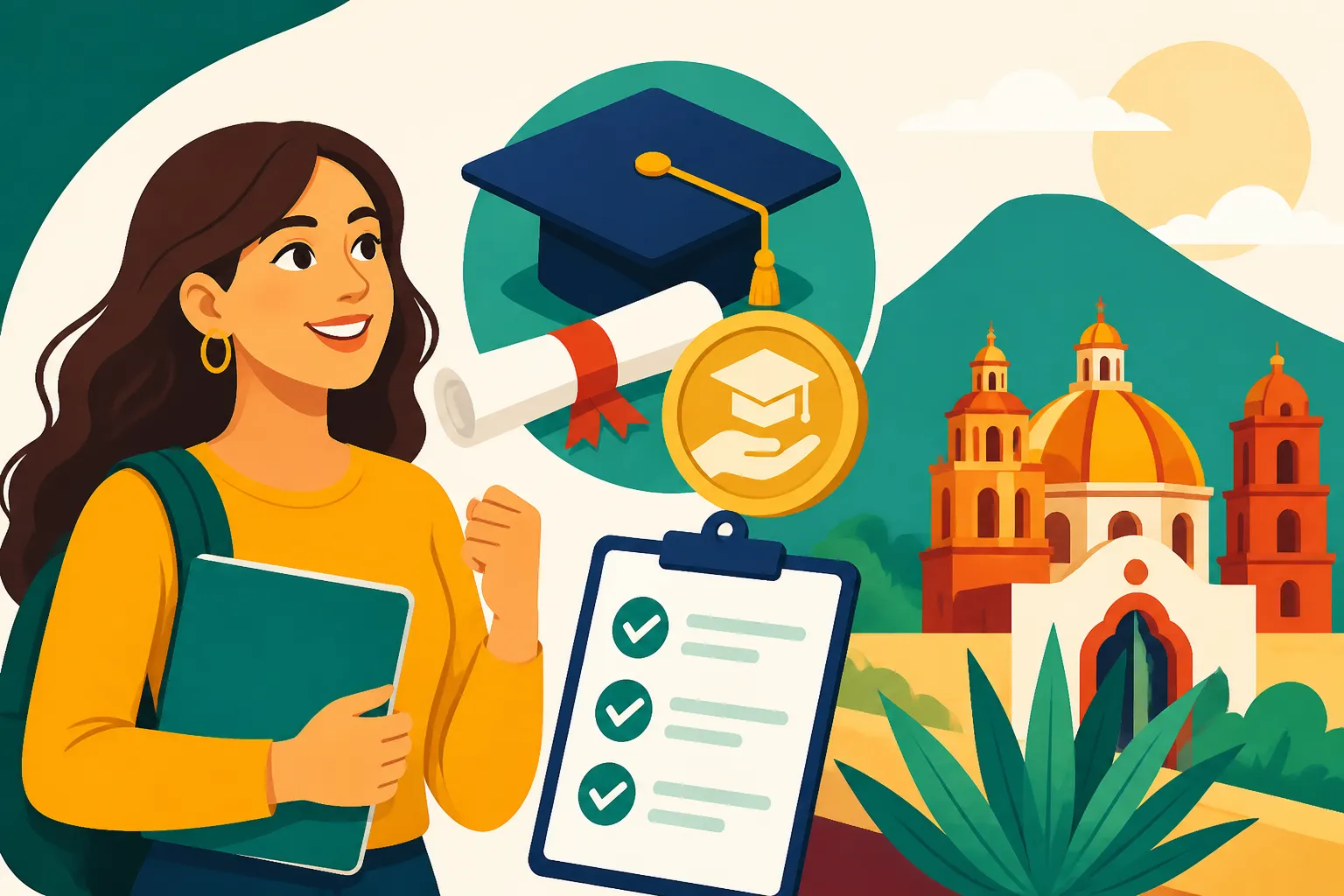
How to Apply for Scholarships to Study in Mexico
Oh, the dream of studying in Mexico! It's such a fantastic goal, offering incredible cultural immersion and a top-notch education. But let's be real, the thought of funding it, especially when navigating a new country's scholarship system, can feel like trying to solve a Rubik's Cube blindfolded. Many of us expats have been there, facing the daunting paperwork and endless search. Don't worry, this guide is here to untangle that process for you, breaking down exactly how to apply for scholarships to study in Mexico.
Disclosure: This post may contain affiliate links. We may earn a commission at no extra cost to you if you make a purchase through these links. Read full disclosure.
Understanding the Scholarship Landscape in Mexico
Before you even start filling out forms, it’s crucial to get a lay of the land. Mexico's scholarship scene might seem a bit niche compared to larger study-abroad destinations, but there are absolutely fantastic opportunities out there if you know where to look. It’s not just about finding money; it's about finding the right money for your specific journey.
Types of Scholarships Available
Just like anywhere else, scholarships in Mexico come from a variety of sources, each with its own focus and application process. Understanding these categories will help you narrow down your search and target your efforts effectively.
- Government-Funded Programs: The Mexican government, through agencies like CONACYT (Consejo Nacional de Ciencia y Tecnología), offers significant scholarships, primarily for postgraduate studies (Master's and Ph.D.) in scientific, technological, and humanities fields. These are often geared towards students who will contribute to Mexico's research and development goals. While highly competitive, they offer substantial support, sometimes covering tuition, living expenses, and even health insurance. You’ll find these opportunities often require a strong academic record and a clear research proposal aligned with national priorities.
- University-Specific Scholarships: Many Mexican universities, especially larger ones like UNAM (Universidad Nacional Autónoma de México) or Tecnológico de Monterrey (Tec de Monterrey), have their own scholarship programs for international students. These can range from partial tuition waivers to full grants, and they often target students who demonstrate academic excellence or have specific skills that enrich the university community. For example, some may prioritize students from specific regions or those pursuing particular areas of study. Always check the international admissions section of the universities you're interested in, as these scholarships are usually tied directly to your acceptance into a program. If you're looking for where to start, you might find our guide on Top Universities in Mexico for International Students (and What They Offer) to be a great resource.
- Private Organizations and Foundations: Beyond government and university coffers, various private foundations, non-profits, and even corporations offer scholarships. These can be more diverse in their criteria, sometimes focusing on social impact, leadership potential, or specific demographic groups. Examples might include organizations promoting cultural exchange, environmental studies, or entrepreneurship. Researching these often requires a bit more digging but can uncover less competitive avenues.
- International Exchange Programs: If you're coming from a country with bilateral agreements with Mexico, or if your home university has partnerships with Mexican institutions, you might be eligible for exchange scholarships. These often cover a semester or a year abroad and are usually managed through your home university's international office. Think of programs like Fulbright, which facilitate academic exchange between the U.S. and Mexico, or scholarships offered by specific cultural institutes.
Eligibility Requirements: What You Need to Know
This is where the rubber meets the road. Each scholarship will have its own specific requirements, but there are some common threads you'll find across the board. Skipping over these details is a common pitfall that can lead to wasted effort, so pay close attention!
- Academic Merit: This is almost always a baseline. Most scholarships require a strong academic record, often demonstrated by a high GPA or equivalent. For postgraduate studies, previous research experience or publications can be highly beneficial. Be prepared to provide official transcripts and any other academic accolades.
- Language Proficiency: While some programs, especially those at international schools or specific fields, might be taught in English, the vast majority of Mexican university courses and scholarship applications will require proficiency in Spanish. Don't underestimate this. If your Spanish isn't up to par, start working on it now! Even if an application is in English, being able to communicate in Spanish will be invaluable for your daily life and will likely be viewed favorably. This is where platforms like
iTalkican be a game-changer, allowing you to practice conversational Spanish with native speakers from home. - Residency Status: Some scholarships are only open to Mexican citizens or permanent residents, while others are specifically designed for international students. Be sure to check this carefully. Your visa status, whether you're applying for a Mexico Student Visa: Application Requirements for 2026 or another type, will be a factor.
- Specific Fields of Study: Many scholarships are earmarked for particular disciplines, especially those deemed critical for national development or research. If you're applying for a scholarship from CONACYT, for instance, you'll find a strong emphasis on STEM fields, but humanities and social sciences are also represented, especially if they tackle relevant societal issues.
- Age Limits or Other Demographics: Less common for general academic scholarships, but some specialized grants might target specific age groups, underrepresented minorities, or students from certain geographic regions. Always read the fine print!
Where to Begin Your Scholarship Search
Okay, you know what kinds of scholarships are out there and what they generally look for. Now, where do you actually find these elusive opportunities?
- University International Offices: This is your absolute first stop if you already have a university in mind. Every major Mexican university will have an international student office or an equivalent department dedicated to foreign applicants. They are a goldmine of information on university-specific scholarships, exchange programs, and can often point you towards external funding opportunities relevant to their students. They’ll also be your go-to for understanding the University Admissions in Mexico: How International Students Can Apply process.
- CONACYT Website: If you're pursuing postgraduate studies in science or technology, the CONACYT website is essential. Navigate their section for scholarships (Becas), keeping an eye out for programs aimed at foreign students. Be ready for a Spanish-only interface and detailed requirements.
- Embassy and Consulate Websites: Check the Mexican embassy website in your home country, and conversely, your home country's embassy website in Mexico. They often list scholarship programs or exchange agreements between the two nations. For instance, the U.S. Embassy in Mexico often promotes Fulbright scholarships.
- Online Scholarship Databases: Websites like ScholarshipPortal, EduPASS, or even general search engines with targeted keywords (e.g., "becas para estudiar en México estudiantes internacionales") can yield results. Be cautious and always verify the legitimacy of any scholarship found through these broader portals by cross-referencing with official university or government sites.
- Third-Party Organizations: Look into organizations like the Organization of American States (OAS) or other regional bodies that offer scholarships for study within Latin America. These can sometimes include Mexico as a destination.
Step-by-Step Guide to Applying for Scholarships
Applying for scholarships, especially for international study, is a marathon, not a sprint. It requires meticulous attention to detail, organization, and a good dose of perseverance. Let's break down the process into actionable steps.
Gathering Your Documents
This is often the most time-consuming part, so start early! Most Mexican scholarship providers will require a similar set of documents, though specifics can vary.
- Academic Transcripts and Diplomas: You'll need official transcripts from all previous institutions, often translated into Spanish and sometimes requiring an apostille or legalization from the Mexican consulate in your home country. This stamp verifies the authenticity of the document for international use. Understanding Apostilles and Translations for Mexican Immigration is crucial here. Do not send originals unless explicitly requested, and always keep certified copies for your records.
- Letters of Recommendation: Typically, two to three letters from professors or employers who know you well and can speak to your academic abilities, work ethic, and character. Choose recommenders who can write a strong, specific letter, not just a generic one. Provide them with your CV, personal statement, and details about the scholarship so they can tailor their recommendations effectively.
- Personal Statement or Essay: This is your chance to shine! Articulate why you want to study in Mexico, why you chose your specific program, how you meet the scholarship's criteria, and what your future goals are. Make it personal, compelling, and free of grammatical errors. Show, don't just tell, your passion and commitment.
- Curriculum Vitae (CV) or Resume: A detailed outline of your academic history, work experience, volunteer activities, publications, presentations, and any relevant skills. Tailor it to highlight experiences pertinent to the scholarship's focus.
- Proof of Spanish Proficiency: Unless it’s an English-only program, you’ll likely need official test scores (e.g., DELE, SIELE) or a letter from a language institution verifying your level. Even if not strictly required, a high level of proficiency will make your application stand out and ease your transition. Don't forget, using tools like
iTalkican significantly boost your conversational skills, which can be invaluable during any potential interviews. - Passport and Visa Documents: A valid passport is a must. You'll also need to demonstrate your intention to obtain a student visa, and sometimes even proof of your current or pending Mexico Temporary Resident Visa: Comprehensive Guide for Expats (2026 Update) if you're already in the country.
- Financial Solvency Proof: While scholarships aim to provide financial support, some may still ask for proof that you can cover any remaining costs (e.g., travel, initial settling-in expenses) or that you have other funds to supplement the scholarship. This can be bank statements or letters from sponsors.
- Research Proposal (for postgraduate): If applying for a research-based scholarship, particularly from CONACYT, a well-defined and compelling research proposal is critical. It needs to align with the institution's or funder's objectives and demonstrate academic rigor.
Crafting a Winning Application
Submitting a pile of documents isn't enough; you need to craft an application that tells a story and makes you memorable.
- Tell Your Story in Your Essay: This isn't just a list of accomplishments. It's about connecting the dots. How has your past prepared you? Why is this scholarship and this program in Mexico the logical next step? What unique perspective or contribution can you bring? Be authentic. Mexican culture values personal connection, so infuse your statement with genuine enthusiasm and respect for the country.
- Secure Strong Letters of Recommendation: A lukewarm, generic letter can hurt more than it helps. Approach professors or supervisors who know your capabilities intimately and can provide specific examples of your strengths. Give them plenty of lead time (at least a month!) and provide them with all the materials they need (your CV, personal statement, the scholarship description, and any specific points you'd like them to highlight).
- Highlight Relevant Experience: Did you volunteer? Work on a project? Travel? Anything that demonstrates initiative, cross-cultural competence, or a commitment to your field of study should be included and explicitly linked to why you deserve the scholarship.
- Proofread, Proofread, Proofread: Typos and grammatical errors can immediately signal a lack of attention to detail. Have multiple people review your essays and other written components, especially native Spanish speakers if applicable.
Navigating the Application Portals and Deadlines
The administrative side can be tricky, but staying organized will save you a lot of headaches.
- Online Portals: Most universities and major scholarship programs use online application systems. Create an account early, explore every tab, and understand what information is required in each section. Sometimes, information requested in one section might be better suited for another if it highlights your strengths more effectively.
- Understand Deadlines (and Convert Time Zones!): This seems obvious, but many international applicants miss deadlines due to time zone confusion or simply underestimating the time it takes to gather documents. Mexico operates on several time zones, so be crystal clear on the exact date and time (including AM/PM and time zone) that applications close. Aim to submit at least a few days before the absolute deadline to avoid any last-minute technical glitches.
- Confirmation and Follow-up: After submitting, check for confirmation emails. If you don't receive one within a reasonable timeframe, follow up with the scholarship office. Keep records of all correspondence.
Maximizing Your Chances and Overcoming Challenges
Applying for scholarships is competitive, but there are ways to boost your profile and navigate the inevitable bumps in the road.
Language Proficiency: A Key Factor
We've touched on it, but it bears repeating: your Spanish skills are often your secret weapon. While some programs are in English, daily life, research opportunities, and truly integrating into Mexico will demand Spanish.
- Beyond the Test Score: While a DELE or SIELE certificate demonstrates formal proficiency, conversational fluency shows initiative and dedication. This is where personalized language learning comes in. Platforms like
iTalkiconnect you with native Spanish tutors for one-on-one lessons, helping you refine your speaking skills, understand local nuances, and even practice for potential scholarship interviews. Investing in this will not only help with your application but also massively enhance your experience once you're studying in Mexico. - Cultural Understanding: Learning the language also opens the door to deeper cultural understanding, which you can weave into your application essays. Demonstrating genuine interest in Mexico beyond just its academic institutions will resonate positively with scholarship committees. You might find resources like Learning Spanish in Mexico: Schools and Immersion helpful in your preparation.
Financial Planning Beyond the Scholarship
Even with a scholarship, there will likely be other costs to consider. Mexico offers a more affordable cost of living than many Western countries, but it's not free.
- Living Expenses: Scholarships rarely cover every single expense. You'll need to budget for housing, food, transportation, personal care, and leisure. Research the Cost of Living in Mexico: 2026 Comprehensive Guide for your target city to get a realistic picture. Many students opt for shared apartments or student residences, and our article on Student Housing in Mexico: Dorms vs Apartments for International Students can offer valuable insights.
- Visa Fees and Travel: The cost of your student visa application, travel to Mexico, and potentially an initial few weeks of accommodation before your scholarship funds kick in, are usually out-of-pocket expenses. Factor these into your initial budget.
- Health Insurance: While some scholarships include health insurance, many do not. You’ll need to ensure you have adequate coverage. This is a critical item for any expat, and you can explore options in guides like Do Expats Need Health Insurance for a Mexican Residency Visa?.
- Tax Implications: Depending on the source and type of your scholarship, and your residency status, there might be tax implications in Mexico or your home country. It's smart to consult with a professional specializing in expat taxes. Companies like
Taxes for Expatscan offer guidance on how to report foreign income or scholarships, ensuring you remain compliant in both jurisdictions. Even if the scholarship is tax-exempt in Mexico, understanding your obligations back home is crucial. You might also want to look into Do Expats Need to File Mexican Taxes on Foreign Income?. - Emergency Funds: Always have a small emergency fund. Life happens, and having a buffer for unexpected medical bills, travel changes, or other unforeseen circumstances will provide immense peace of mind.
Common Pitfalls and How to Avoid Them
The application process is full of potential traps. Knowing them beforehand can save you from unnecessary stress or even rejection.
- Incomplete Applications: This is the easiest way to get rejected. Double-check that every single required field is filled out, and every document is uploaded in the correct format. Don't assume anything.
- Missed Deadlines: As mentioned, time zones and underestimation are common culprits. Use calendars, set multiple reminders, and aim for early submission.
- Generic Applications: Scholarship committees read hundreds of applications. If yours sounds like it could be for any program in any country, it won't stand out. Customize your essays and letters for each specific scholarship.
- Poorly Translated Documents: If you need documents translated, use certified translators. A shoddy translation can be difficult for the committee to interpret and reflect poorly on your attention to detail.
- Ignoring Follow-up Instructions: Some scholarships may require interviews, additional documents, or specific online forms after the initial submission. Pay close attention to all communication and respond promptly.
- Not Having a Plan B: Scholarships are competitive. Have backup plans for funding, or other programs you can apply to, in case your first choice doesn't work out.
Remember, applying for scholarships is an investment in your future. It takes time, effort, and sometimes a little bit of lateral thinking, but the reward of studying in a vibrant country like Mexico can be absolutely life-changing. ¡Buena suerte!
Disclaimer
Please note that scholarship opportunities, eligibility criteria, and application processes can change frequently. This guide provides general information and best practices based on current trends. Always refer to the official websites of universities, government agencies, and scholarship providers for the most up-to-date and accurate information before making any decisions.