How to Get Drinking Water Delivered in Mexico (Garrafones)
You arrive in Mexico, thirsty and tired after a long flight, only to realize that opening the kitchen tap is a recipe for a week-long stomach bug. I remember my first night in a dusty apartment in Oaxaca, staring at my toothbrush and wondering if even the droplets on the bristles were a threat. This guide solves the "garrafón" mystery, teaching you exactly how to get fresh drinking water delivered right to your kitchen so you can stay hydrated without the stress.
Disclosure: This post may contain affiliate links. We may earn a commission at no extra cost to you if you make a purchase through these links. Read full disclosure.
The Reality of Drinking Water in Mexico
Living in Mexico as an expat requires a fundamental shift in how you view your kitchen sink. Back home, you might have filled a glass directly from the faucet without a second thought. Here, that habit can lead to significant health issues. Understanding the infrastructure is the first step toward a comfortable life. Most expats focus heavily on Staying Healthy in Mexico: Essential Tips for Food, Water, and Preventive Care because the water system is notoriously inconsistent. While some municipal systems are technically treated, the aging pipes and rooftop storage tanks (tinacos) often introduce bacteria and heavy metals before the water reaches your glass.
Why the Tap is Off-Limits
The primary concern for most foreigners is "Montezuma's Revenge," but the risks go beyond simple stomach upset. Parasites like Giardia and various amoebas thrive in untreated water. Even if you aren't drinking it directly, you have to consider how you wash your vegetables or brush your teeth. Most veterans will tell you that while the tap is fine for showering, you should check out Is Tap Water Safe to Drink in Mexico? to understand why even locals avoid drinking it. The lack of a centralized, potable-at-the-tap infrastructure is why the 20-liter water jug, known as the garrafón, is a permanent fixture in every Mexican household.
Anatomy of a Garrafón
A garrafón is a large, heavy, blue plastic bottle that holds approximately 20 liters (about 5.2 gallons) of purified water. When you first enter your new home—perhaps after a stay at a Selina while scouting neighborhoods—you will likely see one of these sitting in the corner. There are two parts to the cost: the "líquido" (the water itself) and the "envase" (the plastic container). The first time you buy one, you pay for both. After that, you simply "swap" your empty bottle for a full one, paying only for the water. It is a massive recycling system that keeps millions of plastic bottles out of landfills, but it does require some physical effort to manage.
Finding and Securing Your Water Delivery
Once you’ve moved past Settling in Mexico: Step-by-Step Guide to Your First 30 Days as an Expat, establishing a reliable water rhythm is your next priority. You don't want to be lugging 40 pounds of water from the supermarket every three days. Fortunately, Mexico has a highly efficient, if somewhat noisy, delivery system that caters to every neighborhood.
The Traditional Truck and Shout Method
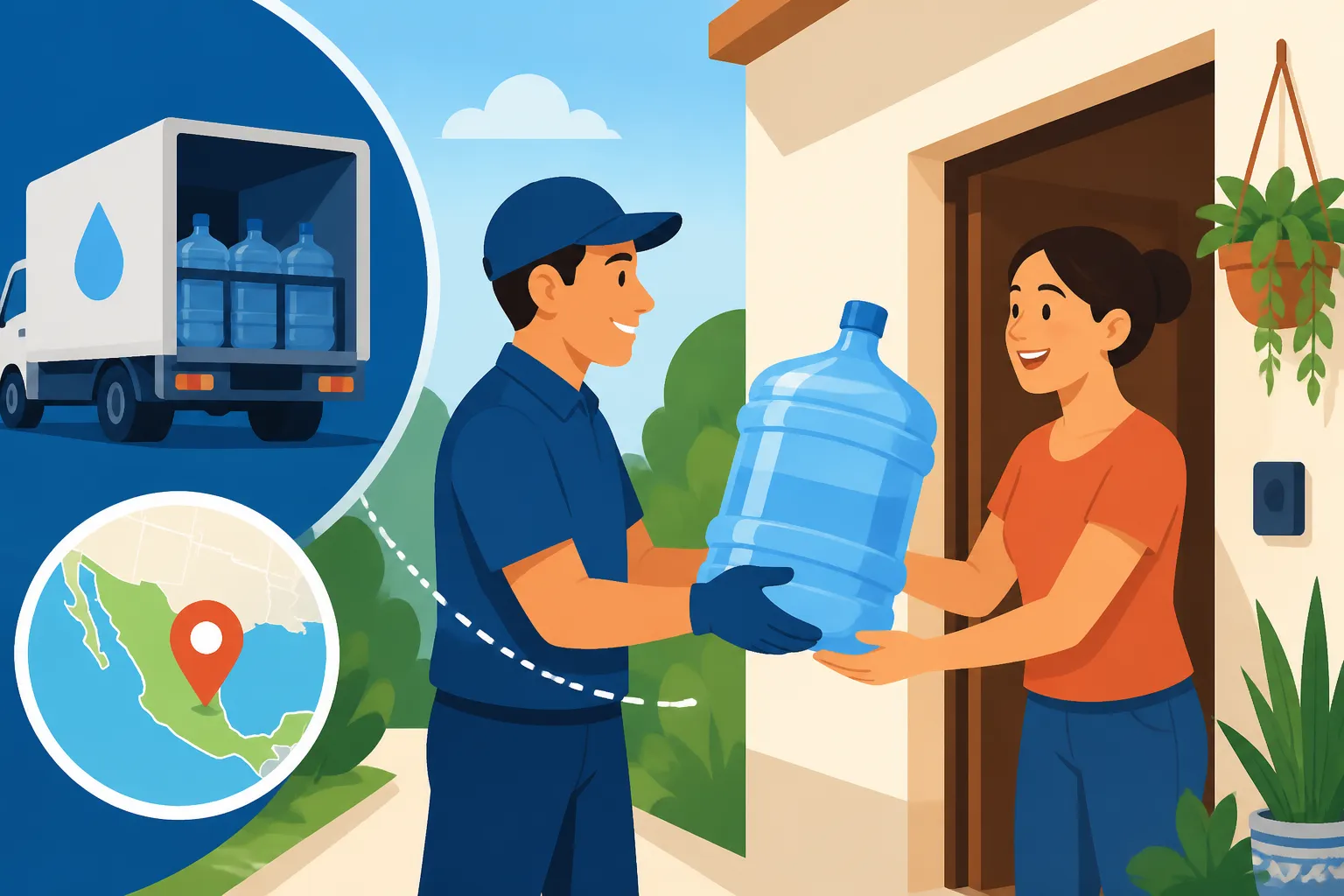
The most common way to get water is by listening for the "camioneros." These are delivery trucks from major brands like Bonafont, Epura, or Ciel that roam the streets daily. Each brand often has its own signature sound. Some use a specific bell, others play a catchy jingle over a loudspeaker, and some rely on the sheer lung power of a man shouting "¡El aguaaaaa!" at the top of his lungs.
When you hear them approaching, you need to be quick. Step out onto your balcony or open your front door and catch their eye. A simple "¡Jefe!" or a wave will bring them to a halt. In many residential areas, if you are a regular, the driver will learn your schedule and may even knock on your door on "water day." This is part of the local charm, though it can be a bit jarring if you’re trying to work remotely and haven't yet mastered the Mexican Spanish: Slang and Expressions for Visitors needed to ask them to come back later.
Utilizing Neighborhood Tienditas
If you miss the truck or your neighborhood doesn't have a frequent delivery route, the local "tiendita" (small corner store) is your best friend. Almost every small shop stocks garrafones. You carry your empty bottle to the shop, pay the "cambio" fee, and carry a full one home. While this is a great backup, it's physically demanding. If you are Living in Mexico City: An Expat's Guide to Neighborhoods and Lifestyle, you might find that the fourth-floor walk-up makes this option less appealing. However, many shop owners are incredibly kind and may offer to have a local kid help you carry it for a small tip of 10 or 20 pesos.
Digital Solutions and Subscription Services
For those who prefer a more organized approach, several major brands now offer digital delivery apps or scheduled subscriptions. This is where having a reliable mobile connection is vital. Using an eSIM from Airalo ensures you have the data needed to track these delivery apps even when you're away from home Wi-Fi.
- Bonafont en Tu Casa: This is perhaps the most popular service. You can set up a weekly or bi-weekly delivery via their website or app. You provide your address, and a dedicated delivery person will bring the water directly to your door, often carrying it up the stairs for you.
- Amazon and Walmart: In larger cities, you can order water through these platforms, though they often sell the smaller 10-liter jugs or individual bottles rather than the standard 20-liter swap system.
- Local WhatsApp Groups: Many "colonias" have dedicated WhatsApp groups where you can message a local distributor directly. This is often the most reliable method in smaller towns or gated communities.
| Delivery Method | Convenience Level | Cost (Approximate) | Best For |
|---|---|---|---|
| Water Truck | Medium (Requires being home) | 45 – 60 Pesos | High-traffic neighborhoods |
| Corner Store (Tiendita) | High (Always available) | 40 – 55 Pesos | Emergencies / Late night |
| Subscription App | Very High (Scheduled) | 55 – 70 Pesos | Professionals / Remote workers |
| Purification Kiosk | Low (DIY filling) | 15 – 25 Pesos | Extreme budget-conscious |
Setting Up Your Home for Water Success
Getting the water to your door is only half the battle. You also need a way to dispense it. If you used Sirelo to move your household goods, you might have brought a fancy water cooler from home, but most expats find it easier to buy local accessories that fit the standard Mexican garrafón neck.
Choosing Your Dispenser
There are three main ways to get the water out of that heavy blue jug:
- The Ceramic Pot (Vitrolero): A traditional and aesthetically pleasing option. You flip the heavy jug upside down onto a ceramic or plastic stand with a spout. It’s simple, doesn't require electricity, and keeps the water slightly cool.
- The Electric Pump: A small, rechargeable USB device that sits on top of the jug. You press a button, and it pumps the water out. These are cheap (usually under 200 pesos) and great for small kitchens.
- The Full Cooler: A floor-standing unit that provides both hot and cold water. These are more expensive and take up more space, but they are a lifesaver during the hot months.
Storage and Logistics for Expats
A major frustration for new residents is the "empty bottle" rule. You cannot get a full bottle unless you have an empty one to trade, or you pay an extra 100-150 pesos for the plastic. I recommend keeping at least three garrafones: one in use, one full backup, and one empty ready for the next truck. This ensures you never run out during a long weekend or a holiday when deliveries might be sparse. If you are Hiring Domestic Help in Mexico: Maids, Gardeners, and Etiquette, make sure to communicate your water preferences. Most housekeepers are happy to manage the bottle swapping for you if you leave the cash in a designated spot.
Essential Spanish for Water Delivery
You don't need to be fluent, but a few key phrases will make your life much easier. When the delivery person arrives, they will ask how many you want ("¿Cuántos?"). You can respond with "Uno, por favor" or "Dos, por favor." If you need them to bring it inside, ask, "¿Puede pasar?" and point to the dispenser. It is customary to give a small tip (5-10 pesos per bottle) if they are carrying it up stairs or helping you load it onto a dispenser. This small gesture goes a long way in ensuring they always stop at your house first.
Long-Term Alternatives to the Garrafón
While the garrafón system is the standard, some expats eventually grow tired of the "water dance." If you own your home or have a long-term lease, you might consider a built-in filtration system.
Filtration and Purification Systems
There are several high-quality under-sink systems available in Mexico, such as those by brands like Rotoplas or Nikken. A Reverse Osmosis (RO) system is generally considered the gold standard for safety, as it removes the majority of contaminants that standard charcoal filters might miss.
- Pros: No more waiting for trucks; unlimited water for cooking and drinking; more environmentally friendly.
- Cons: High upfront cost; requires professional installation; filters must be changed every 6-12 months.
Even with a filter, many expats keep a single garrafón on hand just in case of a water outage or a failure in the filtration system. It's all part of the redundancy that makes living here much smoother. For more on the logistical side of setting up your house, check out the Cost of Living in Mexico: 2026 Comprehensive Guide to see how water expenses fit into a typical monthly budget. Also, keep in mind that even with purified water, Safety in Mexico: What Expats Need to Know About Staying Safe includes being mindful of ice in smaller, rural establishments where the source might be questionable.
Disclaimer
This guide is for informational purposes and based on personal expat experiences in Mexico. Water quality and delivery services can vary significantly by region and municipality. Always consult local residents and follow health guidelines regarding water consumption in your specific area. Stay hydrated and stay safe!