How to Book an INM Appointment in Mexico
Trying to secure a time slot on the official immigration portal often feels like participating in a high-stakes lottery where the website crashes just as you're about to win. I remember sitting in a sweltering cafe in Playa del Carmen, hitting the refresh button for three hours straight, only to have the system log me out the moment a slot appeared. This guide solves the mystery of the INM appointment system, providing you with a roadmap to navigate the digital and physical hurdles of Mexican immigration.
Disclosure: This post may contain affiliate links. We may earn a commission at no extra cost to you if you make a purchase through these links. Read full disclosure.
The Reality of the INM Appointment System
The Instituto Nacional de Migración (INM) has undergone several digital transformations over the last few years, but the core challenge remains the same: demand far outstrips supply. Whether you are looking to finish your residency process after arriving with a consulate sticker or you need to renew your existing card, the appointment is the gatekeeper. You cannot simply walk into most major offices and expect to be seen without a pre-arranged time.
It is important to understand that the appointment system is decentralized. While there is a national online portal, its effectiveness varies wildly depending on which state you are in. In Mexico City (CDMX) or Quintana Roo, the online system is the absolute law. In smaller "pueblo" offices or less populated states, they might still rely on a physical sign-up sheet or a first-come, first-served morning queue. Before you spend days refreshing a website, you must verify the specific culture of your local office.
When you are How to Complete the Canje After Entering Mexico, the appointment is your first real administrative hurdle. Many expats make the mistake of thinking the "hard part" was the interview at the Mexican consulate in their home country. In reality, the consulate only gives you the permission to enter; the INM office in Mexico is where you actually become a resident. This means the pressure to get an appointment within your first 30 days of arrival is intense. Validating your frustration is necessary here—the system is genuinely difficult, and it is not just you.
How to Navigate the Online Appointment Portal
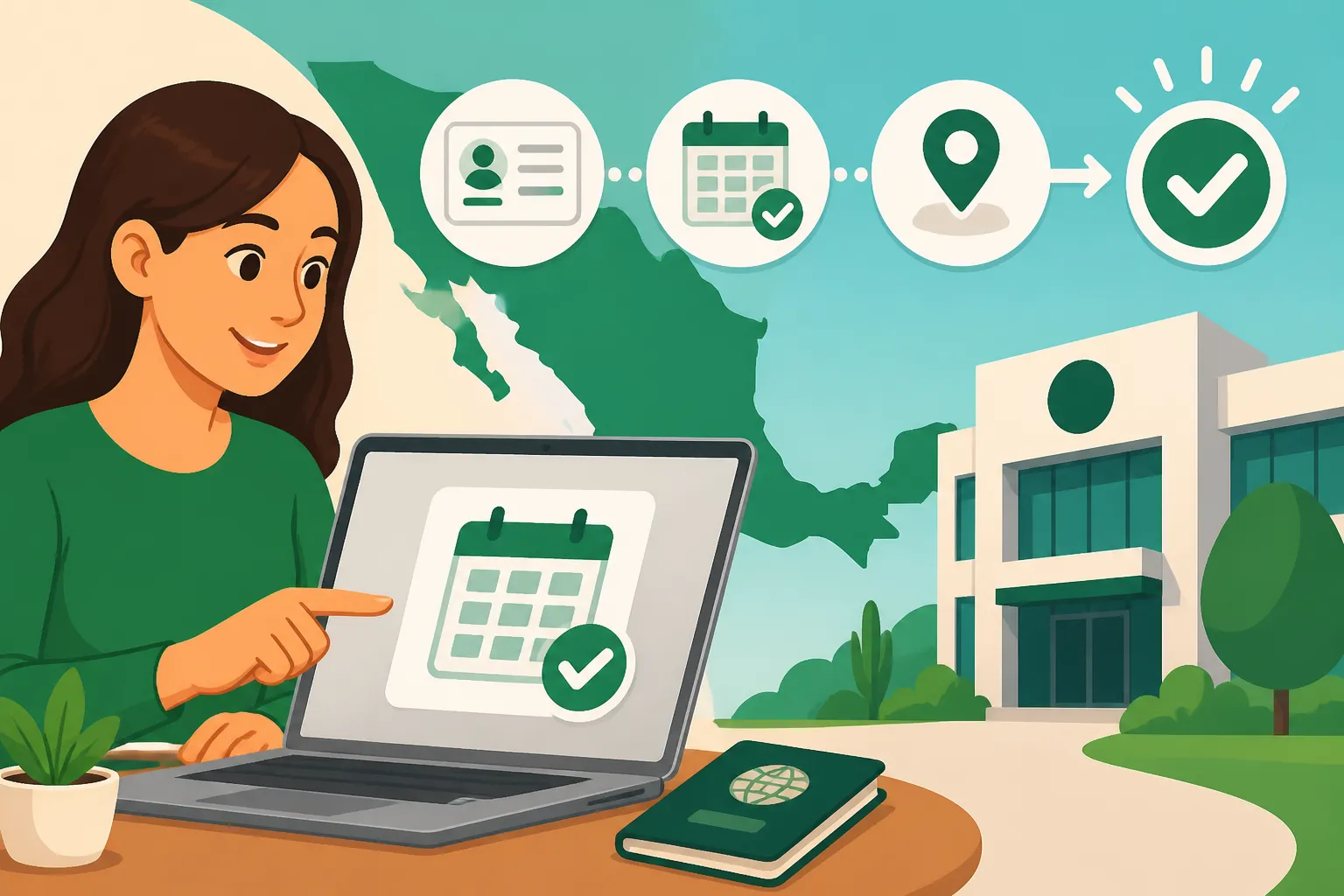
The primary way to book is through the official INM "Citas" portal. To use this, you will generally need your NUT (Número de Usuario de Trámite) if you have already started a process, or your CURP if you are a returning resident. For many new arrivals, the portal requires you to create an account first. This account is tied to your email, and I highly recommend using a Gmail account, as some local Mexican email providers or older platforms like Yahoo often flag INM confirmation emails as spam.
Once you are in the system, you will select your state and the specific office (Sede). This is where the "No hay citas disponibles" (No appointments available) message becomes your greatest enemy. Many offices release their weekly slots at a specific time. For example, the Mexico City office often updates its calendar on Friday mornings or Monday at the stroke of 9:00 AM. If you aren't there the second they go live, they disappear.
While navigating the portal, you will be asked to upload certain digital copies of your documents. If your original documents, such as marriage certificates or birth certificates, are not in Spanish, they must be translated by a certified translator. This is where a service like RushTranslate becomes invaluable. Having your documents pre-translated by RushTranslate ensures that when a slot finally opens up, you aren't scrambling to find a local translator who might take three days to return your files. You need to be ready to click "Submit" the moment the calendar turns green.
| Booking Method | Best For | Pros | Cons |
|---|---|---|---|
| Online Portal | Major Cities (CDMX, Cancun, Merida) | Can be done from home; clear record of appointment. | Website crashes; slots fill in seconds; buggy interface. |
| In-Person Queue | Smaller Towns (Ajijic, San Cristobal) | No need to fight a website; direct human interaction. | Requires arriving at 4:00 AM; no guarantee of being seen. |
| Email Request | Specific Regional Offices | Some offices prefer a direct paper trail. | Slow response times; can be ignored by staff. |
The Morning Queue Strategy for Offices Without Online Booking
Not every office uses the portal successfully. If you are living in a smaller community, you might find that the online calendar is permanently "blocked," yet people are still getting their residency cards. This usually indicates a "ficha" system. This is a very traditional Mexican administrative practice where a security guard or an official walks out at 8:00 AM and hands out a limited number of plastic tokens or numbered papers to the people standing in line.
To succeed here, you have to be prepared for a long morning. I have seen expats bring folding chairs, thermoses of coffee, and Kindle readers to the sidewalk outside the INM office at 4:30 AM. It sounds extreme, but if the office only gives out 20 "fichas" a day, being person number 21 means you’ve wasted your entire morning. This physical queue is often where you will learn the most about Navigating Mexico's Immigration System: Visas, INM Procedures, and Regulations because you'll be surrounded by other expats who have already been through the wringer.
When you finally reach the front of the line, the official will check your basic paperwork. If you have a document in English that hasn't been handled, they will send you away immediately. I always tell people to have their RushTranslate digital copies printed and ready in their folder. Being sent to the back of a line that you waited four hours for just because you forgot a translation is a heartbreak I don't want you to experience. Always err on the side of "too much" documentation.
Preparing Your Paperwork for the Appointment Day
Getting the appointment is only half the battle; the other half is not getting rejected once you are sitting in front of the officer. The INM is pedantic about their requirements. If the form asks for black ink and you use blue, they might make you start over. If your copies are slightly blurry, they will reject them. This is part of the "administrative hurdle" we all have to jump over.
You must bring your "Formato Surtido," which is the basic application form you filled out online. You also need your passport, your FMM (if applicable in your region, though many are moving to digital stamps), and proof of address (comprobante de domicilio). The proof of address is a common sticking point. In Mexico, this usually must be a CFE (electricity) bill or a water bill that is no more than three months old. It doesn't have to be in your name, but it must be the original or a high-quality print of the digital version.
If you are applying based on family ties, your marriage or birth certificates are mandatory. Since these are high-stakes documents, ensure you have used RushTranslate to get an accurate, professional translation that meets the INM's standards. They are very used to seeing RushTranslate documents, and it often helps the process move faster because the formatting is familiar and clear to the officers. Ensure you also check for Common Mistakes to Avoid When Applying for Mexican Residency Visas before you leave your house, such as forgetting the specific sized photos (Infantil size) which are different from standard US or UK passport photos.
Strategic Tips for Appointment Success
If you are struggling to find a slot, consider "office hopping" if your residency allows it. While you are generally supposed to use the office closest to your home, some states allow you to visit any office within that state's jurisdiction. However, be careful—if you have already started a process in one office, your file is physically and digitally "locked" to that location. Moving it requires a "Cambio de Estado" or a notification of address change, which is another process entirely.
One of the best pieces of advice I can give is to join local Facebook groups for your specific city. The "INM Appointment" situation changes weekly. Someone might post that the Puerto Vallarta office is now only taking appointments via a QR code posted on their front door, or that the San Miguel de Allende office has a two-month wait. This hyper-local intel is more valuable than any government manual.
Make sure you understand the Mexico Immigration Terminology 101: FMM, CURP, RFC and Other Essentials before your meeting. If an officer asks for your "comprobante de pago," they want the receipt from the bank showing you paid the residency fees. You must pay these fees before your appointment at a local bank (BBVA, Santander, etc.) using a specific "pago de derechos" form. If you show up to your appointment without having paid the fee at the bank first, they will cancel your slot, and you will have to start the booking nightmare all over again.
Lastly, be prepared for Surviving the INM Office: Tips for a Smooth Visa Processing Day. Dress respectfully, be excessively polite, and bring a battery pack for your phone. Sometimes you get in and out in an hour; other times, you might be there until the office closes. Patience is the most important document you can bring with you.
Organizing Your Final Folder
Before you head out, double-check your "Immigration Bible"—the folder containing all your lives. I recommend having a checklist on the front.
- Passport (original and two color copies of the bio page and the visa stamp).
- The Appointment Confirmation Page (printed).
- The NUT or process tracking form.
- The "Formato Surtido" signed in black ink.
- The Bank Receipt (original and two copies).
- Certified translations of foreign documents from RushTranslate.
- Proof of address (original CFE bill and copy).
- Three "Infantil" size photos (front view, no glasses, white background).
If you have all of these, you are ahead of 90% of the people in that room. You are showing the officer that you respect their time and the process, which can go a long way in getting a "stamp of approval" rather than a "come back tomorrow."
If you find that your documents are missing an apostille or need further verification, you may need to look into How to Apostille Documents for Mexico or even How to Get a Certified Translation for Mexican Immigration for additional secondary documents. Dealing with the INM is a marathon, not a sprint. Take it one "refresh" button at a time, and eventually, you will have that plastic residency card in your hand.
Disclaimer
This guide is for informational purposes only and does not constitute legal advice. Immigration laws and procedures in Mexico are subject to frequent change. Always consult with the official Instituto Nacional de Migración website or a certified immigration attorney before making travel or residency plans.