How to Apostille Documents for Mexico
Navigating Mexican bureaucracy often feels like being stuck in a loop of "bring me the blue paper" only to be told you actually needed the green one. I remember standing in a sweltering INM office in Merida, clutching my original birth certificate, only to be turned away because it lacked a single, specific stamp. This guide solves that frustration by detailing exactly how to apostille your documents so they are legally recognized in Mexico.
Disclosure: This post may contain affiliate links. We may earn a commission at no extra cost to you if you make a purchase through these links. Read full disclosure.
Understanding the Apostille: What It Is and Why Mexico Demands It
If you have spent any time looking into moving abroad, you have likely tripped over the word "apostille" more than once. It sounds like something out of a medieval history book, but in the world of international immigration, it is your golden ticket. Essentially, an apostille is a form of authentication issued to documents for use in countries that participate in the 1961 Hague Convention. Mexico is a signatory to this treaty, which is actually great news for you. Before this treaty, you would have had to go through a grueling process called "legalization," involving multiple embassy visits and months of waiting.
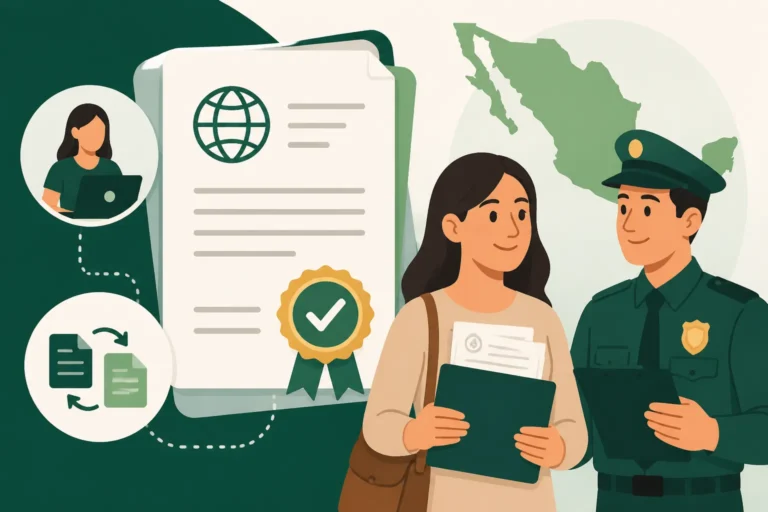
The apostille is a simplified certificate attached to your original document by a government authority. It verifies that the signature and seal on your document are legitimate. Without it, a Mexican official has no way of knowing if your marriage certificate from Ohio or your degree from Toronto is real or something you printed in your home office. When you are Applying for a Mexico Temporary Resident Visa: Step-by-Step, the very first thing the consulate or the local immigration office will look for is that specific stamp. If it is missing, your application stops right there.
It is important to understand that an apostille does not expire in the eyes of the Hague Convention, but Mexican authorities often have their own internal rules. For example, many offices require that vital records like birth or marriage certificates be "recent," usually issued within the last six to twelve months. This means you cannot just apostille the original birth certificate your parents have kept in a shoebox since 1985; you often need to order a fresh copy and then have that new copy apostilled.
The Hague Convention Basics
The 1961 Hague Convention Abolishing the Requirement of Legalization for Foreign Public Documents was designed to make international life easier. Because Mexico is a member, they agree to recognize documents from other member countries (like the U.S., Canada, the UK, and Australia) as long as they carry the apostille. This creates a standardized language of trust between governments.
However, the process is strictly one-way from the country of origin. You cannot get a U.S. document apostilled in Mexico. I have seen many expats arrive in Playa del Carmen thinking they can just visit the local U.S. consulate to get their papers stamped. Unfortunately, consulates do not have the authority to apostille documents issued back home. You must handle this before you leave your home country or use a mail-in service while abroad.
Apostille vs. Authentication
You might hear the terms "authentication" or "certification" used interchangeably with apostille, but they are technically different. If you are from a country that is NOT part of the Hague Convention, you must go through the older "legalization" process. This involves getting the document authenticated by your local government and then having the Mexican embassy in your home country "legalize" it. Since most readers are coming from Hague countries, you will almost exclusively deal with the apostille.
Which Documents Need an Apostille for Your Move to Mexico?
Not every scrap of paper in your filing cabinet needs an apostille. If you apostille everything, you will waste hundreds of dollars and dozens of hours. The rule of thumb is: if a Mexican government agency needs to record your status or verify a legal fact, it needs an apostille. This is critical when you are trying to understand How to Get a CURP as a Foreigner: The Mexican ID Number Explained, as the CURP is often tied to the legal validity of your residency documents.
Vital Records: Birth, Marriage, and Death
These are the most common documents required for residency. If you are applying for residency based on family ties—for example, if you are Marrying a Mexican or Having Mexican Children—your marriage certificate or your child’s birth certificate must be apostilled.
Mexican officials are notoriously picky about the condition and age of these documents. Even if your original certificate looks pristine, I highly recommend ordering a "Long Form" or "Vault Copy" from your local vital records office. These versions contain more details than the "short form" and are the standard for international use. Once you have the new copy, you send it to the Secretary of State in the state where the event occurred to receive the apostille.
Academic Records and Background Checks
If you are moving to Mexico for a specific job or planning on Studying in Mexico: Essential Guide to Student Visas and Regulations, you will likely need your transcripts or diplomas apostilled. This is also a major step if you want to pursue How to Get Your Foreign Degree Recognized in Mexico (Revalidación). Unlike birth certificates, diplomas usually need to be notarized by the university registrar before the state will apostille them.
Background checks are another big one. For certain visa types or work permits, Mexico requires a criminal record check. If you are from the U.S., this usually means an FBI Identity History Summary. Because the FBI is a federal agency, a state-level Secretary of State cannot apostille it. You must send it to the U.S. Department of State in Washington, D.C. This federal process takes much longer than the state process, often six to eight weeks, so plan accordingly.
| Document Type | Issuing Authority | Apostille Authority |
|---|---|---|
| Birth Certificate | County/State Vital Records | Secretary of State (State Level) |
| Marriage Certificate | County Clerk | Secretary of State (State Level) |
| FBI Background Check | FBI (Federal) | U.S. Department of State (Federal) |
| University Diploma | University Registrar + Notary | Secretary of State (State Level) |
| Corporate Documents | Secretary of State | Secretary of State (State Level) |
| Power of Attorney | Private Notary | Secretary of State (State Level) |
The Step-by-Step Guide to Getting Your Apostille
The process can feel like a marathon, but if you take it step-by-step, it is manageable. Most people fail because they try to skip the "certified copy" phase and send an old document, which gets rejected weeks later.
Sourcing Certified Copies
Step one is always getting a fresh, certified copy. In the U.S., you can usually do this through websites like VitalChek or by contacting the county clerk directly. In the UK, you would use the General Register Office. Ensure you specify that the document is for "international use" or "apostille," as some jurisdictions have specific versions for this purpose.
Once you have the document, do not laminate it! I have seen people try to "protect" their apostilled birth certificate by laminating it, which immediately invalidates the document in Mexico. Mexican officials need to be able to feel the raised seals and see the original ink signatures.
The Secretary of State Process
For state-level documents (birth, marriage, death, local police checks), you will deal with the Secretary of State in the state where the document was issued. If you were born in California but live in New York, New York cannot apostille your California birth certificate. You must mail it to Sacramento.
Most states allow for mail-in applications. You will need:
- The original certified document.
- A cover letter specifying that you need an "Apostille" (and specifically mention it is for Mexico).
- The required fee (usually between $5 and $25 per document).
- A self-addressed, stamped envelope for them to mail it back to you.
If you are in a rush, many states offer walk-in services where you can get it done in an hour. If you are already in Mexico, you may need to hire a specialized agency back home to do this legwork for you.
Federal Documents and the Department of State
As mentioned, federal documents like FBI background checks follow a different path. You must mail these to the Office of Authentications at the U.S. Department of State. This office is often backlogged. During my own move, the wait time was nearly two months. There are expediting services that can physically walk your documents into the office in D.C., which can shave weeks off the wait time, though they charge a premium. This is a vital step when Navigating Mexico's Immigration System: Visas, INM Procedures, and Regulations because your background check must be valid (not too old) by the time it reaches the Mexican official's desk.
Translation and Legalization: The Final Pieces of the Puzzle
Once you have your document with that beautiful apostille attached, you are still not finished. A Mexican government official is generally not required to accept a document written in English, even if it has an apostille. You must have the document—and the apostille itself—translated into Spanish.
Certified Translations in Mexico
This is where many expats get confused. Can you just use Google Translate? Absolutely not. Can you use a translator in your home country? Usually, no. For official use within Mexico, such as for Applying for Permanent Residency Directly: Is It Possible?, the translation must be performed by a "Perito Traductor." This is a translator certified by the Mexican judicial system.
A Perito Traductor will provide a translation with their official seal and signature on every page. Without this seal, the Mexican government will reject the translation. While you can find these translators in most major Mexican cities, many expats prefer to use recognized international services like RushTranslate to get a head start on the drafting process, especially if they need a quick turnaround for non-governmental purposes or to provide a draft to their local Perito.
Using Professional Services
If the thought of mailing envelopes to various state capitals gives you hives, there are services that handle the entire chain for you. They will pull the birth certificate, get the apostille, and even handle the federal steps. While this is significantly more expensive, it eliminates the risk of a document being returned because you forgot a $10 check or used the wrong cover form.
When you are dealing with high-stakes moves, such as Residency in Mexico for Families: Visas for Spouses and Children, having a professional eye on your paperwork is worth the cost. Services like RushTranslate are often used by expats to ensure their academic and personal documents are accurately translated before they even land in Mexico, making the transition to a local certified translator much smoother. Remember, even the apostille itself is in English (or French/English), and that needs to be translated too.
Common Pitfalls and Veteran Tips to Save Your Sanity
I have seen countless people lose their cool in immigration offices because of small, avoidable errors. One of the biggest mistakes is assuming that a "notarized" document is the same as an "apostilled" document. A notary only verifies the person signing the paper; the apostille verifies the notary. It is a chain of authority, and you cannot skip a link.
Another tip: keep digital scans of everything. Once you get your apostilled documents back, scan them in high resolution. While you will need the originals for your appointments, having digital copies makes it easier to work with services like RushTranslate when you need quotes or preliminary translations. It also helps if you need to consult with a professional regarding How to Get a Certified Translation for Mexican Immigration before you arrive.
Also, be aware of "expiry" dates. While an apostille doesn't technically expire, Mexico's preference for "recent" documents is a real hurdle. If your birth certificate was apostilled three years ago, the Mexican consulate in Los Angeles might accept it, but the INM office in Puerto Vallarta might not. Always aim for documents less than six months old to be safe. This is especially true when Choosing Private Health Insurance: Local Mexican Plans vs International Coverage, as insurance companies may also request apostilled records for certain pre-existing condition verifications or age proofs.
Finally, don't forget that if you are Bringing Your Car vs Buying in Mexico: Impact on Visa and Legal Status, your car's title and registration do not typically need an apostille for a Temporary Import Permit (TIP), but if you intend to "nationalize" the car and register it with Mexican plates, the paperwork requirements become much stricter.
Apostilles and Translations for Mexican Immigration Disclaimer
This guide is intended for informational purposes and reflects the general procedures for obtaining an apostille for use in Mexico. Immigration requirements and the interpretation of the Hague Convention can vary significantly between different Mexican states and even between individual immigration offices (INM). Always verify the specific requirements with your local Mexican consulate or a qualified immigration attorney before processing expensive documents. Rules regarding document "freshness" and the necessity of specific translations are subject to change without notice by the Mexican government.