How Much Deposit Do You Need to Buy Property in Mexico?
Navigating the Mexican real estate market often feels like trying to solve a puzzle where the pieces keep changing shape. I remember the first time I sat in a sunny office in Playa del Carmen, sweating not because of the humidity, but because I realized the "deposit" I’d budgeted for was only the tip of the iceberg. This guide breaks down exactly how much cash you need to secure your dream home and how to avoid the expensive mistakes many of us made when we first arrived.
Disclosure: This post may contain affiliate links. We may earn a commission at no extra cost to you if you make a purchase through these links. Read full disclosure.
Understanding the Difference Between an Apartado and an Enganche
One of the most confusing aspects of buying property in Mexico is that there isn't just one "deposit." Instead, the process is divided into two distinct financial milestones: the apartado (reservation deposit) and the enganche (the formal down payment). When I was first looking at colonial homes, I assumed a single check would do the trick, but the reality is a multi-step dance that requires liquidity and timing.
The Reservation Deposit (Apartado)
The apartado is a small, initial payment meant to "take the property off the market." Usually, this ranges from $1,000 to $5,000 USD, or a fixed amount in pesos if you are dealing with a local developer. It is essentially a gesture of good faith while your lawyer performs due diligence on the property. I’ve seen expats lose this small amount because they didn’t realize it was non-refundable after a certain "cooling-off" period, which is typically 7 to 15 days.
During this period, you aren't just waiting; you are verifying that the seller actually owns the title and that there are no hidden liens. This is a crucial phase where having a solid grasp of Buying Property in Mexico: Comprehensive Guide for Foreign Buyers can save you from a world of legal hurt. You want to ensure that the apartado is held in an escrow account, not handed over directly to the seller's personal bank account, which is a common rookie mistake that can lead to a long, painful recovery process if the deal falls through.
The Down Payment (Enganche)
Once the due diligence is complete and the Contrato de Promesa (Promissory Agreement) is signed, you move to the enganche. This is the "real" deposit. In Mexico, for a resale property, the standard enganche is 10% of the purchase price. However, if you are looking at pre-construction—which is incredibly popular in areas like Tulum or Puerto Vallarta—the developer might ask for 30%, 50%, or even 80% upfront to fund the build.
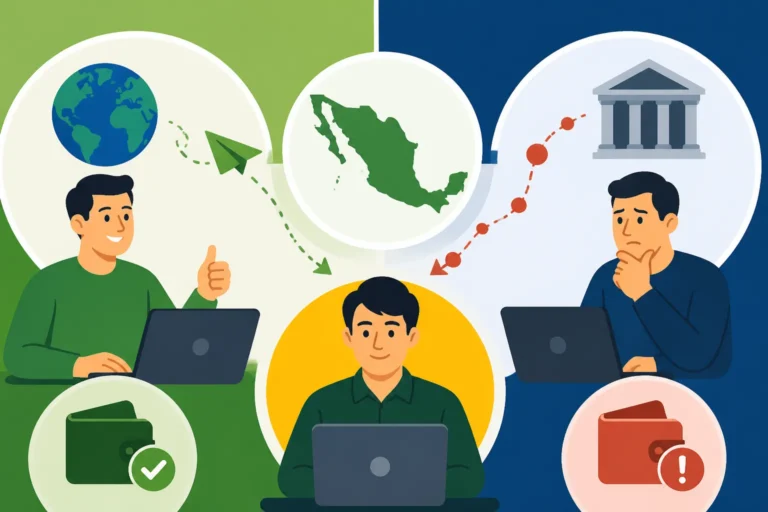
I personally recommend aiming for a 30% enganche if you are buying pre-construction, as it often allows you to negotiate a significant discount on the total price. However, remember that this money is tied up for months or even years. Moving these large sums can be a headache due to bank limits and high wire fees. Using a service like Wise is often the most cost-effective way to handle these transfers, as they offer the mid-market exchange rate and much lower fees than traditional Mexican banks, which are notorious for taking a "hidden" cut through poor exchange rates.
How Much Cash You Really Need Upfront
When people ask me how much of a deposit they need, they are usually thinking only about the house price. But in Mexico, cash is king, and you need a significant "war chest" ready before you even sign the final deed. Unlike in the US or Canada, where you might get a high-leverage mortgage, most expats in Mexico buy with cash or very large down payments.
Resale Property Deposit Requirements
If you are buying an existing home from another person, the financial structure is relatively straightforward. You will typically pay your 10% enganche at the signing of the promissory contract. The remaining 90% is paid at the moment the deed is signed in front of a Notario Público. It sounds simple, but you must have those funds ready in a Mexican bank account or an escrow account.
Wait times for international wires can be unpredictable. I once had a closing delayed by four days because a US bank flagged a transfer as "suspicious," even though I had alerted them weeks in advance. This is where Banking in Mexico: Complete Guide for Foreigners becomes essential reading. You need to know the limits of your accounts. Again, using Wise to move smaller chunks of money over a few weeks can sometimes be smoother than trying to send $200,000 in one terrifying go.
Pre-Construction Payment Tiers
Pre-construction is a different beast entirely. Developers often offer "payment plans" that act as a rolling deposit. You might pay 30% at signing, 40% during construction, and the final 30% upon delivery. While this spreads out the cost, it means you are effectively acting as the developer's bank.
The risk here is that if the developer runs out of money, your "deposit" is at risk. Always look for developers with a proven track record. When I was looking at units in the Riviera Maya, I spent days talking to people who had already moved into previous projects by the same builder. It’s the only way to know if your 30% is actually going into the ground or into the developer's new yacht. You should also consult a guide on Real Estate in Mexico: A Guide for Foreigners to understand how to protect your investment in these scenarios.
The Hidden "Deposit" of Closing Costs
One thing that catches every expat off guard is that closing costs in Mexico are significantly higher than in many other countries. You should budget between 5% and 8% of the purchase price for closing costs, and most of this needs to be paid upfront or at the time of the final "deposit" payment.
Taxes and Notary Fees
The biggest chunk of your closing costs goes toward the Impuesto Sobre Adquisición de Inmuebles (ISAI), which is the property acquisition tax. This varies by state but is usually around 2% to 5%. Then there are the fees for the Notario Público. In Mexico, the Notary is a high-level government-appointed lawyer who handles the title transfer. They don't work for free, and their fees are usually based on a percentage of the property value.
When you are calculating your total "cash out of pocket" for the deposit phase, don't forget the Fideicomiso (bank trust) fees if you are buying in the restricted zone (within 50km of the coast or 100km of the border). You’ll pay an initial setup fee of about $500 to $1,000 USD, plus the first year’s management fee. You can find more details on this in What Is a Fideicomiso? A Foreigner’s Trust for Owning Coastal Property.
Managing Your Home Country Tax Obligations
Buying a second home or an investment property in Mexico isn't just a Mexican legal matter; it has implications back home. If you are a US citizen, you still have reporting requirements for foreign assets. I’ve seen people get so caught up in the excitement of the Mexican deposit that they forget their IRS obligations. This is why I always suggest talking to Taxes for Expats. They specialize in exactly this—ensuring that your Mexican lifestyle doesn't trigger a massive audit or penalty back home because you failed to report a foreign bank account or a property holding.
Using Taxes for Expats early in the process helps you structure your purchase correctly. For instance, should you hold the property in your name via a trust, or through a Mexican corporation? Each has different tax implications for your home country. Getting this right during the deposit phase is much cheaper than trying to fix it three years later when you decide to sell.
Deposit Comparison Table for Different Property Types
To give you a clearer picture, I've put together a quick comparison of what you can expect to pay during the different stages of the purchase process. Please note these are typical ranges for 2026 and can vary by state.
| Property Type | Reservation (Apartado) | Down Payment (Enganche) | Closing Costs (Approx.) | Typical Timeline |
|---|---|---|---|---|
| Resale Home | $2,000 – $5,000 USD | 10% | 5% – 7% | 30 – 60 Days |
| Pre-Construction | $5,000 USD | 30% – 80% | 5% – 6% | 12 – 24 Months |
| Land Only | $1,000 – $3,000 USD | 20% – 50% | 4% – 6% | 30 – 90 Days |
| Commercial | $10,000+ USD | 20% – 30% | 6% – 8% | 60 – 120 Days |
Practical Steps to Protect Your Funds
Moving money across borders for a property deposit is stressful. I remember the pit in my stomach when I clicked "send" on my first big transfer. To make it easier, you need to have your documentation in order. Mexican banks and the government are very strict about "Anti-Money Laundering" (AML) laws.
Preparing Your Paperwork
Before you even think about sending a deposit, make sure you have your The Ultimate Guide to Mexico's Visa and Residency Options (2027 Edition) sorted. While you can technically buy property on a tourist visa, having residency makes opening a local bank account much easier. Most sellers will want to see that the funds are coming from an account in your name.
You will also need to provide proof of the source of your funds. If you sold a house in Canada to buy one in Mexico, keep that closing statement. If the money is from a 401(k) or inheritance, have those documents translated. The Notary will require these to "validate" the transaction. If you're wondering how to handle the professional side of this, check out Do You Need to Translate Documents for Your Mexican Visa Application (Certified Translations) as the same principles apply to property documents.
The Role of Currency Exchange
The exchange rate is your best friend or your worst enemy. Most real estate in tourist areas is priced in USD, but the closing costs, taxes, and notary fees are almost always paid in Mexican Pesos (MXN). This means you are at the mercy of the daily rate. I’ve seen people lose thousands of dollars on their "final deposit" just because the Peso strengthened by 5% in a single week.
I always recommend using Wise to keep a balance in both USD and MXN. You can convert your money when the rate is favorable and hold it there until the Notary gives you the final amount for the taxes. This "hedging" strategy is common among veteran expats who know how volatile the "Super Peso" can be. For more on managing your cash, read up on Managing Your Money in Mexico: Budgeting, Saving, and Currency Tips.
Final Verification Before You Pay
Never, ever send a deposit until your lawyer has reviewed the Escritura (title) and confirmed the seller's identity. I once walked away from a "deal of a lifetime" in Tulum because my lawyer discovered the seller was actually the cousin of the owner and didn't have power of attorney. That $5,000 apartado would have been gone forever.
If you are feeling overwhelmed, remember that thousands of us have done this successfully. It’s just about being meticulous. You should also look into Property Taxes in Mexico: What Expats Need to Know About Predial so you know what your ongoing costs will be once that deposit finally turns into a set of keys in your hand. And if you ever feel like the tax side is getting too complex, Taxes for Expats is a fantastic resource to keep your financial life organized across the border.
Closing Thoughts on Your Mexican Property Journey
The deposit is the first big hurdle, but once it’s cleared, the rest of the process moves surprisingly quickly. Just remember to keep 10% of your total budget in liquid cash for the "surprises" like furniture, immediate repairs, or the inevitable administrative fees that pop up at the last minute. Mexico is a beautiful place to call home, and while the administrative side can be a headache, the first sunset from your own terrace makes every bit of paperwork worth it.
Disclaimer
The information provided in this article is for informational purposes only and does not constitute legal, financial, or tax advice. Real estate laws and financial requirements in Mexico can change frequently. Always consult with a qualified Mexican attorney, a certified Notario Público, and a professional tax advisor before making any real estate investment or transferring large sums of money. Regardless of the information presented here, you are responsible for performing your own due diligence.