Which Medicines Need a Prescription in Mexico?
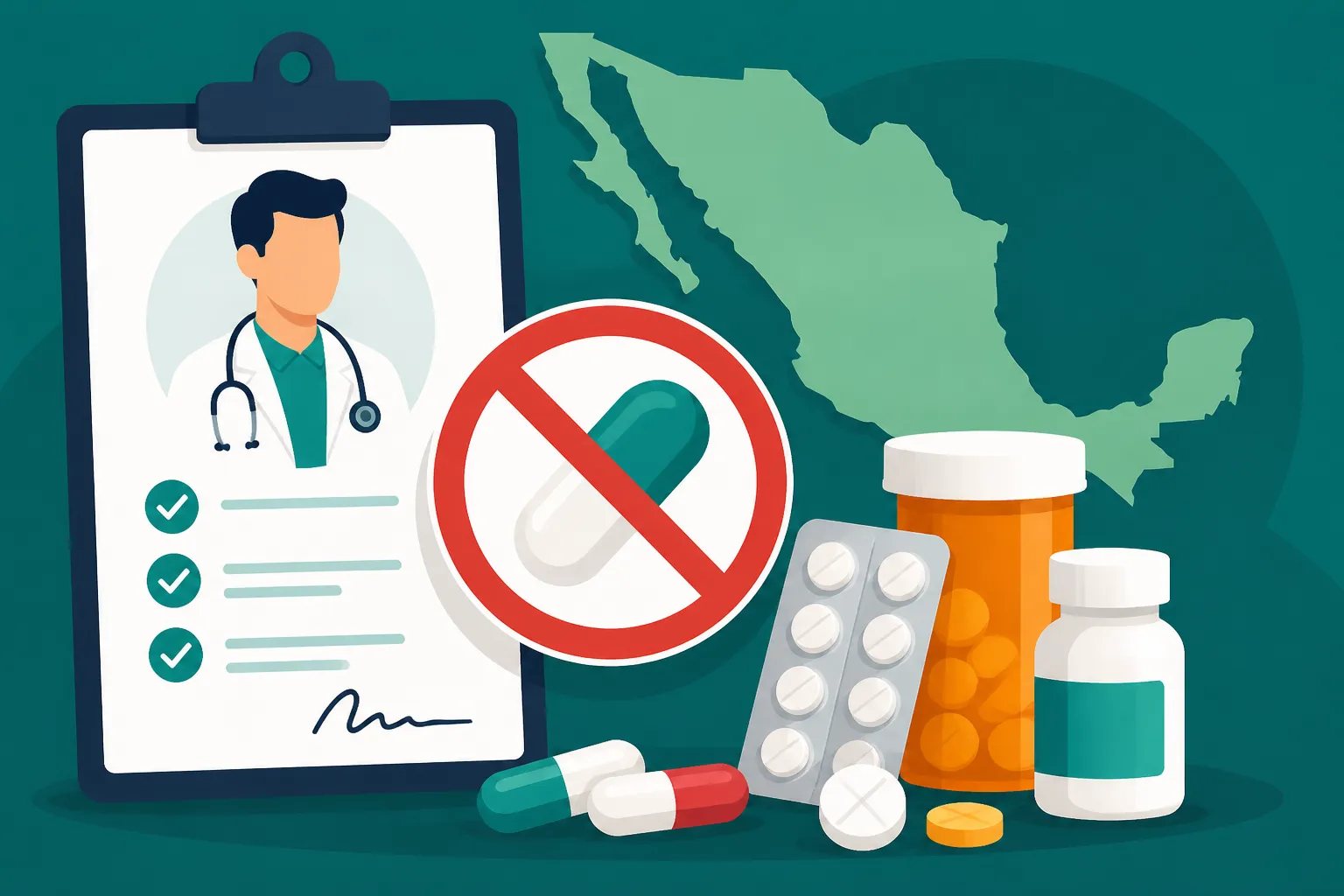
Walking into a Mexican pharmacy for the first time often feels like stepping into a land of medical abundance where the rules are just a bit more relaxed than back home. I remember my first month in Querétaro, thinking I could just point at a bottle of high-strength anti-inflammatories and be on my way, only to find myself in a confusing conversation about "recetas" and "consultorios." This guide settles the confusion by detailing exactly which medications require a prescription in Mexico and how you can legally and safely obtain them.
Disclosure: This post may contain affiliate links. We may earn a commission at no extra cost to you if you make a purchase through these links. Read full disclosure.
Understanding the Mexican Pharmacy Landscape and COFEPRIS Regulations
When you arrive in Mexico, you will quickly notice that pharmacies are everywhere. From the ubiquitous bright blue and red of Farmacias Guadalajara to the budget-friendly Farmacias Similares with its dancing mascot, the access is unparalleled. However, just because there is a pharmacy on every corner does not mean it is a free-for-all. The regulatory body in charge of medication safety is COFEPRIS (Comisión Federal para la Protección contra Riesgos Sanitarios). They are the Mexican equivalent of the FDA, and they take their classification of drugs very seriously, even if the enforcement at a small "mom-and-pop" pharmacy in a rural village seems lax.
COFEPRIS divides medications into six distinct groups. Group I includes the most restricted narcotics, while Group VI covers medications that can be sold in non-pharmacy environments like convenience stores. As an expat, the groups you care most about are Groups II, III, and IV. Groups II and III are psychotropic drugs and heavy painkillers that require a "receta" (prescription) that the pharmacist will actually take from you and keep for their records. Group IV medications require a prescription, but the pharmacy will simply stamp your paper and give it back to you, allowing for refills until the prescription expires.
The reality of living here is that the "rules" can sometimes feel like suggestions until you hit a hard wall with a pharmacist who refuses to budge. This usually happens with antibiotics and controlled substances. Understanding these categories is the first step in Healthcare in Mexico: Complete Guide for Expats (Public vs Private). It prevents the frustration of waiting in line at a busy counter only to be told you need to go see a doctor first. It is also worth noting that while some pharmacies are open 24/7, the restricted "Group" medications are often only sold during specific hours when a licensed pharmacist is physically present on the floor.
Medications That Strictly Require a Prescription
The biggest shock for many newcomers is the strictness surrounding antibiotics. Up until 2010, you could buy virtually any antibiotic over the counter. However, due to rising antibiotic resistance, the law changed. Now, any "antibiótico" requires a formal prescription from a doctor registered in Mexico. This means if you have a recurring sinus infection and you know exactly what you need, you still cannot simply buy it. You will need a consultation. This is a common hurdle mentioned in Pharmacies in Mexico: How to Get Medications (OTC vs Prescription), and it is non-negotiable at corporate chains like Farmacias del Ahorro or Benavides.
Beyond antibiotics, any medication classified as a psychotropic or a narcotic is heavily regulated. this includes medications for ADHD (like Ritalin or Concerta), strong painkillers containing opioids (like Tramadol, though sometimes this sits in a gray area depending on the dosage), and benzodiazepines (like Xanax or Valium). For these, the prescription must be on a specific type of controlled-substance stationery provided by the government to the doctor. If you are using a service like Cigna Global for your ongoing care, ensure your local specialist is authorized to issue these specific "Group II" or "Group III" prescriptions, as not every general practitioner has the authority or the specific pads to write them.
Finally, certain specialized medications for chronic conditions—such as some high-tier blood pressure meds, hormonal treatments, or specific inhalers—might be requested to have a prescription on file. While you might find a clerk willing to sell you a standard Albuterol inhaler without a word, if you are looking for specialized combination inhalers, they may ask for a "receta." This is where having a relationship with a local doctor is vital. If you are ever unsure, Finding English-Speaking Doctors and Specialists in Mexico can help you locate a professional who understands your history and can provide the necessary local paperwork to satisfy COFEPRIS requirements.
Medications You Can Usually Get Without a Prescription
The "Mexican Miracle," as some expats call it, is the vast array of medications that are prescription-only in the US or Canada but are Over-the-Counter (OTC) here. This includes most blood pressure medications (like Losartan or Lisinopril), many cholesterol-lowering statins (like Atorvastatin), and a wide range of birth control options. If you walk into a pharmacy and ask for "pastillas anticonceptivas," they will likely just point you to the shelf or bring out a box from behind the counter without asking for a single piece of paper.
Other common medications that do not require a prescription include high-dose Proton Pump Inhibitors (PPIs) for acid reflux, such as Omeprazole or Pantoprazole, which are often sold in larger quantities and higher strengths than you would find OTC in the North. Anti-inflammatory drugs like Celebrex (Celecoxib) or high-strength Naproxen are also readily available. For those dealing with minor ailments, the pharmacy is a one-stop shop. However, if these minor ailments turn into something larger, it is essential to understand Medical Emergencies in Mexico: What Expats Should Know and Prepare to ensure you aren't just masking symptoms of a larger issue with OTC meds.
Even though many of these drugs are available without a prescription, I always recommend keeping a copy of your home-country prescription or a doctor's note just in case. Furthermore, if you are traveling and using Travel Insurance vs Local Insurance: Do Expats Need Both?, remember that some insurance providers, including SafetyWing, may require a formal doctor's visit and a written prescription to reimburse you for medication costs, even if the pharmacy didn't ask for one. Always play it safe by getting a "receta" if you plan on filing an insurance claim later.
Navigating the Pharmacy Consultorio System
One of the most efficient features of the Mexican healthcare system is the "consultorio" located right next to the pharmacy. If you realize you need an antibiotic or a prescription for a "Group IV" medication, you don't need to book an appointment at a major hospital. You can simply walk into the small clinic attached to a Farmacias Similares or Farmacias del Ahorro. For a fee that usually ranges from $50 to $150 MXN (about $3 to $8 USD), a licensed doctor will see you, perform a basic exam, and write the prescription you need on the spot.
This system is a lifesaver for expats dealing with routine issues like ear infections, bronchitis, or stomach flu. You see the doctor, get the "receta," walk ten feet to the pharmacy counter, and buy your medicine. It is incredibly efficient. However, be aware that these doctors are generally prohibited from prescribing Group I, II, or III controlled substances (like narcotics or heavy psychotropics). For those, you will need to see a specialist at a private clinic or hospital. If you are managing a complex condition, using International Health Insurance for Expats in Mexico from a provider like Cigna Global can give you access to the higher-tier specialists who are authorized to handle those strictly regulated scripts.
When using these consultorios, keep in mind that they are high-volume clinics. The doctors are qualified, but they are often moving quickly. If you have a complicated medical history, it is your responsibility to explain it clearly. If your Spanish is still a work in progress, Overcoming Language Barriers at the Doctor: Tips for Expats offers great advice on how to prepare for these short but vital consultations. Most of these pharmacy doctors have seen every common expat ailment a thousand times over and are quite adept at getting you exactly what you need to feel better.
Comparing Medication Categories in Mexico
| Medication Category | Prescription Required? | Common Examples | Notes for Expats |
|---|---|---|---|
| Antibiotics | Yes (Strict) | Amoxicillin, Azithromycin | Pharmacist will stamp or keep the prescription. |
| Psychotropics / Narcotics | Yes (Very Strict) | Adderall, Xanax, Morphine | Requires a special "barred" prescription; pharmacy keeps it. |
| Hormonal / Birth Control | Usually No | Ortho Tri-Cyclen, Estrogen | Readily available behind the counter without a script. |
| Blood Pressure / Statins | Usually No | Losartan, Lipitor | Most standard maintenance meds are sold OTC. |
| Erectile Dysfunction | No | Viagra, Cialis | Sold freely; often heavily marketed in tourist zones. |
| Inhalers / Asthma | Case-by-Case | Albuterol, Advair | Standard Albuterol is usually OTC; combos may need a script. |
| Basic Pain Relief | No | Ibuprofen (800mg) | High-strength NSAIDs are easy to find OTC. |
Important Considerations for Foreign Prescriptions
A common mistake I see new residents make is bringing a prescription from their doctor in the US, Canada, or the UK and expecting the local pharmacist to honor it. Under Mexican law, a pharmacist can only dispense prescription-only medication based on a "receta" issued by a doctor registered with a Mexican professional license (cedula profesional). Your foreign prescription is essentially just a piece of paper for information purposes here; it has no legal weight at the pharmacy counter.
If you arrive with a 90-day supply of a medication and run out, you must take your empty bottle or your foreign script to a local Mexican doctor. They will "transcribe" it onto a Mexican prescription pad after a brief consultation. This is also a good time to check on Healthcare Costs in Mexico: Doctor Visits, Hospital Stays, and Surgery Expenses so you can budget for these periodic "transcription" visits. Most doctors are happy to do this once they verify the medication is appropriate for you.
Another tip for those who might be traveling frequently: if you are using SafetyWing for your nomad lifestyle, keep in mind that they often cover "acute" issues. If you get a sudden infection and need a local script, the process is straightforward. But for chronic meds you brought from home, the responsibility is on you to find a local provider. If you find yourself in a bind and Running Out of Medication: Getting a Prescription Refill in Mexico, don't panic. Most medications available globally have a Mexican equivalent, though the brand name will likely be different.
Buying Medications Safely and Avoiding Counterfeits
While Mexico's pharmacy system is generally excellent, you should still be a discerning consumer. Stick to the major, reputable chains. Farmacias Guadalajara, Farmacias del Ahorro, Benavides, and the pharmacy sections inside large retailers like Costco, Walmart, or Chedraui are extremely safe. They have rigorous supply chains and climate-controlled storage, which is vital for medications that are heat-sensitive. In tropical areas like Playa del Carmen or Mérida, the heat can degrade medicine quickly if it isn't stored correctly.
Be very wary of "tourist pharmacies" in high-traffic zones that advertise "Cheapest Meds" or "No Prescription Needed" for things like oxycodone or anabolic steroids. These shops are often operating in a legal gray area and have been known to sell counterfeit or tainted products. If a deal seems too good to be true, or if they are offering you a Group II narcotic without a "receta," walk away. It isn't worth the health risk or the legal trouble. For more on staying safe, Staying Healthy in Mexico: Essential Tips for Food, Water, and Preventive Care provides a broader look at maintaining your well-being in the tropics.
Lastly, always check the expiration date (fecha de caducidad) and the integrity of the box's seal. It’s a standard practice in Mexico for the pharmacist to show you the box and point out the expiration date before they scan it. This "I've-been-there" tip ensures you never get home with a box that expires in three days. By following these local norms, you can navigate the farmacia with the confidence of a ten-year veteran expat.
Disclaimer
This guide is for informational purposes only and does not constitute medical or legal advice. Medication laws in Mexico can change, and enforcement may vary by region. Always consult with a licensed healthcare professional in Mexico before starting or changing any medication. Ensure you are compliant with all COFEPRIS regulations and Mexican federal laws regarding controlled substances.