International Health Insurance for Expats in Mexico
One of the most terrifying moments you can face as an expat is standing in a brightly lit emergency room in a foreign country, clutching a sick child or nursing a broken limb, and realizing you have no idea how the billing works. I remember my first frantic hospital visit in Puerto Vallarta, sweating more from the administrative confusion than the humidity outside, and that experience taught me that hope is not a health plan. This guide solves the complex puzzle of international health insurance, ensuring you never have to choose between your savings and your survival while living in Mexico.
Disclosure: This post may contain affiliate links. We may earn a commission at no extra cost to you if you make a purchase through these links. Read full disclosure.
Understanding the Landscape of Healthcare in Mexico for Foreigners
When you first land in Mexico, the healthcare system looks like a confusing patchwork of public clinics and gleaming private towers. Most expats quickly realize that while the public system exists, it isn't always the right fit for those used to a certain speed and style of care. The public system, known as IMSS Explained: Mexico's Public Health Insurance for Residents, is a great safety net for many, but for most foreign residents, the private sector is where you will spend the majority of your time. International health insurance is designed specifically to bridge the gap between what the local government provides and the high-standard medical care you likely expect.
Private hospitals in Mexico, such as the Hospital Ángeles network or Médica Sur, are world-class facilities that often look more like five-star hotels than clinics. However, these facilities operate on a "pay-to-play" basis. Without a robust international policy, you may find yourself forced to provide a massive credit card deposit before a doctor even sees you. International insurance provides a level of "direct billing" that local plans sometimes struggle with, especially if you are dealing with high-cost procedures or specialized care.
Furthermore, international plans are portable. If you decide to spend your summers back in your home country or take a trip to Europe, your coverage travels with you. This is a massive advantage over local Mexican insurers, who often limit their scope to the national territory. For those of us who live a "life in transition," having a policy that doesn't care which side of the border you are on is the ultimate peace of mind. You should also look into Health Insurance in Mexico: How Expats Can Get Coverage (2027) to see how these international options fit into the broader local context.
Why International Insurance Trumps Local Private Policies
You might hear your Mexican neighbors talking about their local "GNP" or "AXA" policies. While these are reputable companies, they are built for the local market. For an expat, international health insurance offers several "hidden" benefits that local plans lack. The first is the sheer limit of coverage. Local plans often have a "sum insured" cap that might seem high in pesos but can be quickly depleted by a major heart surgery or a long-term cancer treatment. International plans typically offer millions of dollars in annual limits, ensuring you never "age out" or "price out" of your life-saving care.
Another critical factor is the language of the contract and the support staff. When you are in the middle of a medical crisis, the last thing you want to do is navigate a 50-page legal document written in technical Spanish or argue with a claims adjuster who doesn't speak English. Providers like Cigna Global offer 24/7 English-speaking support lines and documentation that is clear and easy for foreigners to understand. This removes a massive layer of stress during an already difficult time. For more on navigating these facilities, check out Navigating Hospitals and Clinics in Mexico: An Expat’s Guide to Medical Care.
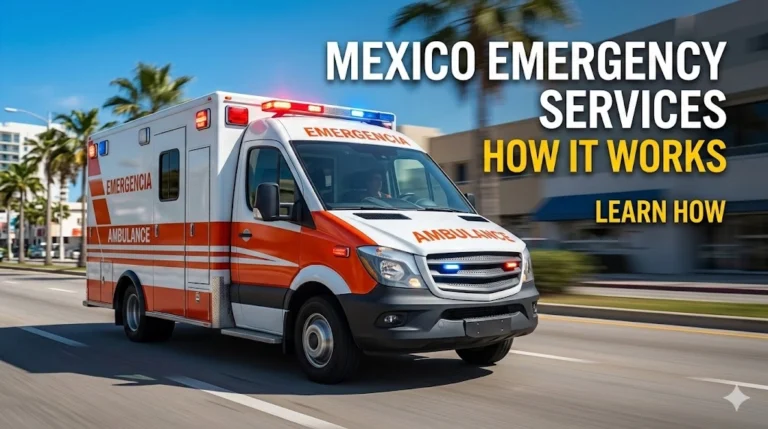
Finally, international insurance often includes much better coverage for things like medical evacuation. If you are living in a beautiful but remote area like Sayulita or a small town in the Oaxacan mountains, and you have a neurological emergency, you don't want to be stuck in the local clinic. International policies are much more likely to cover a private air ambulance to a top-tier facility in Mexico City or even back to Houston or San Diego. This is a level of protection that local plans often treat as a pricy "add-on" rather than a core feature.
Critical Features to Evaluate in an International Policy
Not all international policies are created equal, and as a veteran expat, I’ve seen people get burned by "cheap" plans that didn't cover what they actually needed. The most important feature to look for is "Direct Billing." In Mexico, many doctors expect payment at the time of service, but major hospitals can often bill the insurance company directly if you have a pre-authorization. If your plan is "reimbursement only," you will need to have thousands of dollars available in cash or credit to pay the hospital first and then wait months to get your money back.
Another thing to watch out for is the "deductible" structure. Some plans have a per-visit deductible, while others have an annual deductible. In Mexico, where Doctor Visits, Hospital Stays, and Surgery Expenses are relatively affordable for minor issues, a high annual deductible might mean you pay for all your routine care out of pocket. However, that same high deductible is what keeps your monthly premium low, protecting you only against the "catastrophic" events that could bankrupt you. You have to decide if you want a plan for "everyday use" or a "safety net" for the big stuff.
Lastly, you must look at the "Area of Cover." Most international plans for expats in Mexico will offer two main choices: "Worldwide" or "Worldwide Excluding the USA." Because healthcare costs in the United States are so astronomical, excluding the US can cut your insurance premium by 30% to 50%. If you are a Canadian or European expat who never intends to seek treatment in the US, this is a no-brainer. But if you are an American expat who wants the option to go back to your favorite specialist in Boston or Miami, you’ll need to pay the premium for US coverage.
| Feature | International Health Insurance | Local Mexican Insurance | Public Healthcare (IMSS) |
|---|---|---|---|
| Coverage Area | Global / Worldwide | Mexico Only (mostly) | Mexico Only |
| Provider Choice | Any private hospital | Restricted network | Public clinics only |
| Language Support | Multilingual / English | Primarily Spanish | Strictly Spanish |
| Annual Limits | $1M – $5M+ USD | Often capped in Pesos | No financial cap, but resource-limited |
| Medical Evacuation | Included / Highly robust | Often an expensive add-on | Not standard |
| Portability | Stays with you if you move | Usually cancelled if you move | Cancelled if you leave Mexico |
Leading Brands for the Mexican Expat Experience
When it comes to actual providers, a few names consistently rise to the top of the expat community's "recommended" list. For the younger crowd, digital nomads, or those who are in a "trial phase" of their Mexican life, SafetyWing is often the go-to. It is technically a travel medical insurance that functions like a subscription. It’s incredibly affordable and covers unexpected accidents and illnesses. However, it isn't designed to cover chronic conditions or routine wellness checks. It’s the "I’m exploring the world" plan.
For those who have committed to Mexico for the long haul—retirees, families, or business owners—Cigna Global is frequently cited as the gold standard. They offer modular plans, meaning you can add or subtract "vision," "dental," or "outpatient" care to fit your budget. Cigna Global is particularly well-regarded in Mexico because they have established relationships with most of the major private hospital chains. When you show a Cigna card at a Private Hospitals in Mexico: Hospital Ángeles and Major Networks reception desk, they know exactly what to do.
Another option many people overlook is looking for "Global" plans from companies that have a strong local presence but an international wing. The key is to ensure the policy is "Guaranteed Renewable." This is a massive "I've-been-there" tip: you do not want a policy that the company can cancel just because you got sick. International plans from top-tier providers ensure that as long as you pay your premium, they must keep covering you, even if you develop a chronic illness like diabetes or heart disease. For more on managing these, see Managing Chronic Illness in Mexico: Access to Medication and Specialists.
Navigating the "Pre-Existing Condition" Minefield
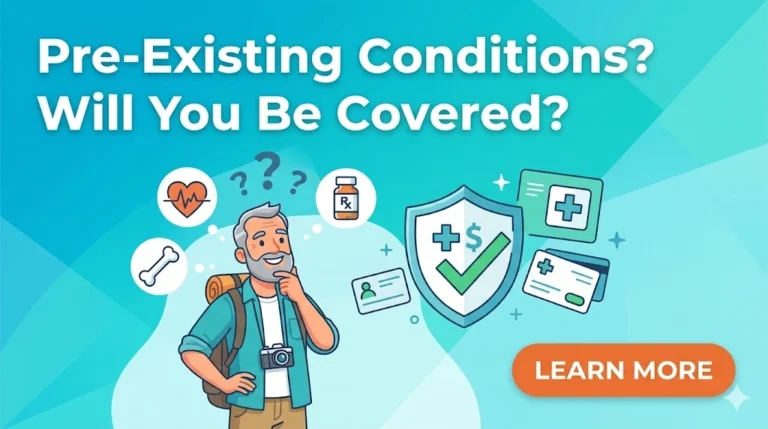
This is the part where I have to be the "tough love" veteran expat. If you have a pre-existing condition—whether it’s high blood pressure, a previous back surgery, or a chronic autoimmune issue—getting international health insurance in Mexico becomes a much more delicate dance. Most international providers will do one of three things: exclude the condition entirely, charge you a "loading fee" (extra premium) to cover it, or put a "waiting period" on it.
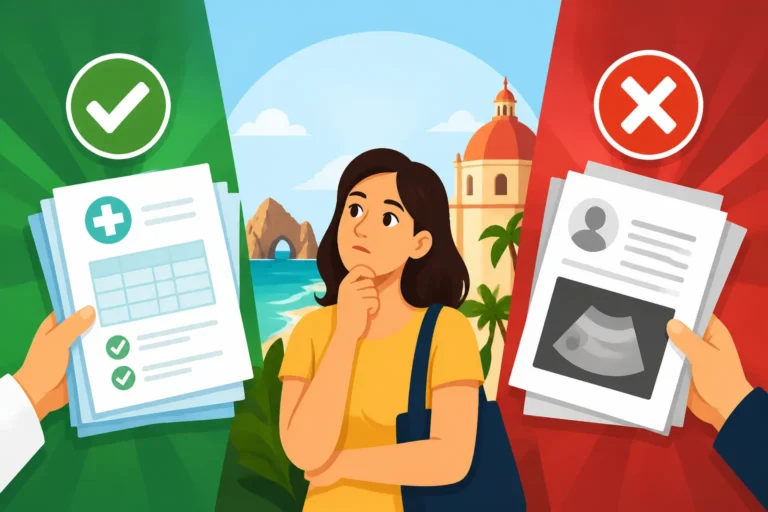
It is absolutely vital that you are 100% honest on your application. I have seen people try to hide a minor heart murmur or a history of asthma, only to have the insurance company deny a massive claim later because they found a record of it in the person's home country. In Mexico, insurance companies are very diligent about checking medical histories when a large claim is filed. If they find you misrepresented your health, they won't just deny the claim; they might cancel your entire policy and leave you high and dry.
If you do have a pre-existing condition, your best bet is often to work with an international broker who specializes in the Mexican market. They can "shop" your medical history to multiple companies to see who will give you the best terms. Sometimes, a local plan might actually be more lenient than an international one, or you might choose to rely on the Public Healthcare in Mexico: IMSS and IMSS Bienestar Explained for Expats for that specific condition while using an international plan for everything else. It’s a strategy many of us use to balance cost and care.
Practical Steps for Activating Your Coverage in Mexico
Once you have your policy, don't just stick the card in your drawer and forget about it. The first thing you should do is find the "International Office" or "Convenios" department at the best hospital in your city. Take your insurance card and your residency visa there and ask them, "Do you accept this insurance for direct billing?" Knowing the answer before you have an emergency is the difference between a calm hospital stay and a financial nightmare. You can find more details on this in Medical Emergencies in Mexico: What Expats Should Know and Prepare.
Also, keep a digital and physical folder of your "Facturas." In Mexico, a standard receipt is not enough for insurance or tax purposes. You need a formal electronic invoice called a Factura. If you have to pay out of pocket for Pharmacies in Mexico: How to Get Medications (OTC vs Prescription) or a quick specialist visit, always ask for a Factura using your RFC (tax ID number). Without this specific document, your international insurance company may reject your reimbursement claim, and you’ll be left footing the bill for no reason.
Finally, remember that Healthcare Costs in Mexico: Doctor Visits, Hospital Stays, and Surgery Expenses are often low enough that you might choose not to file a claim for small things. If a visit to a local specialist costs you $80 USD and your deductible is $1,000 USD, there’s no point in the paperwork. Use your international insurance for what it’s meant for: the big, scary, life-changing events. For everything else, enjoy the fact that high-quality medical care in Mexico is often more affordable than a week’s worth of groceries back home.
Understanding Medical Evacuation and Repatriation
One of the most sobering topics we discuss in the expat community is what happens if things go truly wrong. "Medical Evacuation" (MedEvac) is often included in high-end international plans, and it covers the cost of flying you to a better hospital if the local one can't treat you. But there is also "Repatriation of Remains," which is a standard part of policies like Cigna Global. It sounds grim, but for your family back home, having an insurance company handle the staggering cost and bureaucratic nightmare of transporting a body across international borders is an incredible gift.
When looking at MedEvac, check if the policy allows for "Bedside Visit" coverage. This pays for a family member to fly to Mexico to be with you if you are hospitalized for a certain number of days. Living as an expat can be lonely when you’re sick, and having your sister or your best friend there can make a huge difference in your recovery. These "lifestyle" features are what separate a generic insurance policy from a true international expat health plan.
If you are a frequent traveler within the country, perhaps checking out Healthcare in Mexico City: Top Hospitals and Clinics for Expats or Healthcare in Cancún and Riviera Maya: Hospitals and Clinics for Expats will help you understand where the nearest "hub" of high-end care is located relative to your home. Knowing that your insurance has a direct-billing agreement with a world-class facility in a nearby city can make living in a remote "Pueblo Mágico" feel much safer.
Healthcare in Mexico: Expat Health Insurance Disclaimer
This guide is intended for informational purposes only and does not constitute legal, financial, or medical advice. Healthcare regulations and insurance policy terms in Mexico are subject to frequent changes. Always consult with a licensed insurance broker or legal professional before purchasing a policy to ensure it meets your specific needs and residency requirements. The author is not responsible for any changes in provider terms or hospital policies after the date of publication.