Sending Mail from Mexico: Postal Service vs Private Couriers
Sending a package or a simple birthday card from Mexico often feels like a gamble where the stakes are your sanity and your sentimental belongings. I still remember the heartbreak of realizing a care package from my mother had vanished into the ether of the Mexico City sorting center, never to be seen again. This guide solves the mystery of the Mexican mail system by comparing the public postal service with private couriers so you never have to wonder if your mail will actually arrive.
Disclosure: This post may contain affiliate links. We may earn a commission at no extra cost to you if you make a purchase through these links. Read full disclosure.
Navigating the Public Postal Service: Correos de México
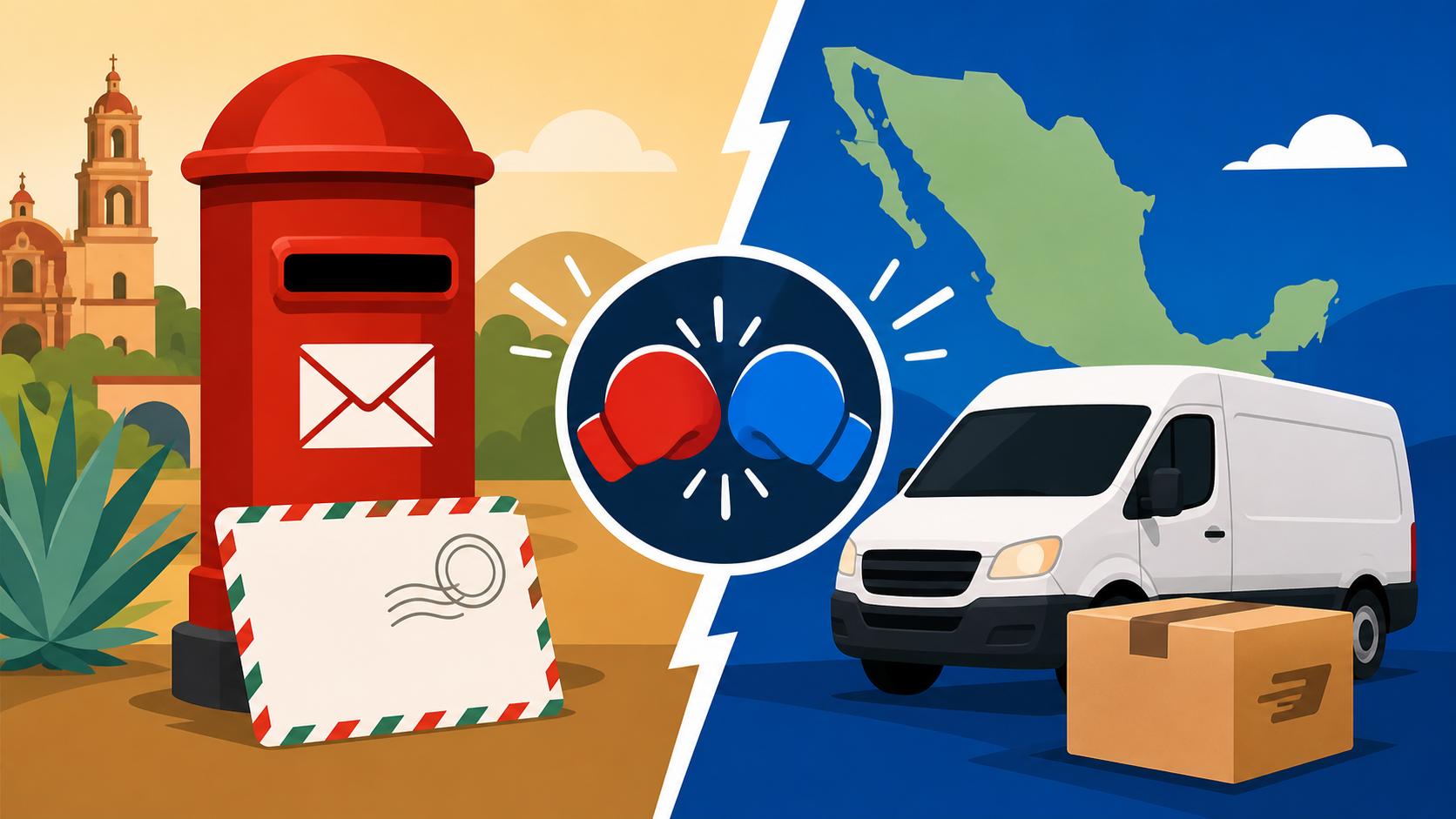
The official postal service, often referred to as Sepomex (Servicio Postal Mexicano) or simply Correos de México, is a source of constant debate among the expat community. For some, it is a charmingly affordable relic; for others, it is a black hole where packages go to die. Understanding how this system functions—and where it fails—is the first step toward living successfully as a foreigner here. When you are settling in, as noted in the Living in Mexico: Cultural and Practical Guide for New Expats, you quickly learn that patience is not just a virtue; it is a requirement for survival.
The Reality of Delivery Times
If you choose to use Correos de México to send a letter to the United States, Canada, or Europe, throw your expectations of a "one-week delivery" out the window. On average, a standard letter sent via the public system can take anywhere from three weeks to three months to reach its destination. Domestically, the situation is slightly better, but it is still far from the "next-day" standards many of us grew up with.
The delay often occurs at the massive sorting facilities in Mexico City or at the point of entry in the destination country. I have had friends receive Christmas cards in April. The system is incredibly slow because it relies on a manual sorting process that hasn't changed much in decades. If you are a digital nomad staying at a Selina and need to send something urgent, the public post is rarely the right choice. However, if you are sending something of low value and no time sensitivity, the price point of Sepomex is unbeatable.
Tracking and Reliability Concerns
While Correos de México does offer a tracking service called "Mexpost," it is essentially the "express" tier of the public system. Even with a tracking number, the updates are often cryptic or non-existent for weeks at a time. It is not uncommon for a package to be marked as "In Transit" for forty-five days straight.
Reliability is the biggest hurdle. Theft, though less common than it was ten years ago, still happens, especially with packages that look like they contain electronics or branded goods. If you are receiving items from abroad, you should consult the guide on How Can Expats Receive Mail from Abroad in Mexico? to understand the specific risks involved with international inbound mail. My rule of thumb is simple: if you cannot afford to lose the item, do not send it via the public postal service.
Costs and Prohibited Items
The primary reason anyone uses Correos de México is the cost. Sending a postcard internationally might cost you less than 30 pesos, whereas a private courier would charge 800 pesos for the same destination. For local residents, the "Cartero" (mailman) is a familiar face in the neighborhood. It is even a tradition to tip your mailman on Day of the Postman (November 12th) or during the Christmas season to ensure they keep a watchful eye on your gate.
However, be aware that the list of prohibited items is extensive. You cannot send liquids, batteries, or anything that might be considered "dangerous" or "valuable" without a lot of paperwork. If you are trying to send local artisanal medicine or supplements, you might want to check the Building a First Aid Kit: Essential Medical Supplies for Expats in Mexico list first to see what is even legal to transport.
Private Couriers: The High-Speed Alternatives
When you have a legal document that needs a signature in New York by Thursday, or you are sending a piece of jewelry that is an heirloom, the private courier is your only real option. Companies like DHL, FedEx, and UPS have a massive footprint in Mexico and operate with a level of efficiency that stands in stark contrast to the public system.
DHL, FedEx, and UPS Presence
In Mexico, DHL is arguably the king of couriers. They have the most extensive network of "Puntos de Venta" (sales points) and their yellow-and-red vans are everywhere. FedEx is a strong second, particularly for North American shipments, while UPS is frequently used for business-to-business logistics. These companies provide a level of service that mimics what you find in the US or Europe.
When you walk into a DHL office in a major city, the staff usually speaks at least some English, and the tracking is real-time. This is essential for those who need to manage their Identification in Mexico: What Can Expats Use for ID? or other sensitive residency documents. You will pay a premium for this peace of mind—often starting at $40 USD for a small envelope—but the delivery time is usually 2 to 5 business days globally.
Understanding Import Taxes and Customs
The biggest shock for expats using private couriers is not the shipping fee, but the customs duties. Private couriers are "express" because they pre-clear items through customs, which means they are much more likely to catch items that require taxes. In Mexico, there is a "de minimis" value (currently around $50 USD). If you receive a package via FedEx valued at $100 USD, expect a phone call or an email demanding payment of IVA (Value Added Tax) and potentially other duties before they will release the package to your door.
This is a common pain point discussed when people talk about Online Shopping in Mexico: Using Amazon, MercadoLibre and Other Sites. While companies like Amazon Mexico often bundle these fees at checkout, a private individual sending you a gift via a courier will not. You, the receiver, will be stuck with the bill, often paying 16% to 25% of the item's declared value in fees.
Drop-off Points and Service Hubs
One of the best features of private couriers in Mexico is the ability to use "Ocurre" shipping. This means instead of having the package delivered to your home—where the courier might struggle to find your door or deal with a complex gate system—you have it sent to a specific branch office. You then go to the office, show your ID, and pick it up.
This is incredibly useful for people who are constantly on the move or whose Digital Nomad Life in Mexico: Remote Work Living Guide involves staying in various temporary rentals. It eliminates the "sorry we missed you" stickers and the frustration of your package being returned to the warehouse because the driver couldn't find your street.
Mastery of the Mexican Address System
The most common reason for lost mail—whether public or private—is a poorly formatted address. The Mexican address system is logical once you understand it, but it is very different from the "Street, City, State, Zip" format used elsewhere. If you get one element wrong, your mail may never arrive.
Anatomy of a Mexican Address
A proper Mexican address must include the following in this specific order:
- Recipient Name
- Street Name (Calle) and Number (Número Exterior)
- Apartment or Interior Number (Número Interior), if applicable
- Neighborhood (Colonia) – This is the most important part!
- Postal Code (Código Postal or CP)
- City/Municipality (Municipio/Alcaldía)
- State (Estado)
- Country (México)
The "Colonia" is vital because many cities have multiple streets with the same name. There might be five "Calle Juarez" in Mexico City, but only one in the "Colonia Roma Norte." Without the Colonia, your package is essentially a ghost. For a deep dive into this, see the guide on Understanding Addresses in Mexico: How to Read Local Addresses.
Common Pitfalls for New Arrivals
New expats often forget to include the "Entre Calles" (cross streets). Adding a small note like "Entre Calle 5 y Calle 7" or "Frente al Parque" (across from the park) can be the difference between a successful delivery and a lost package.
Another pitfall is the Zip Code. Mexican Zip Codes are five digits and are very specific to small geographic blocks. Always double-check your CP on the official Correos website before shipping anything. If you are unsure, you can ask for help in local groups; Using Facebook and WhatsApp to Connect with Expat Communities is a great way to verify how locals in your specific neighborhood receive their mail.
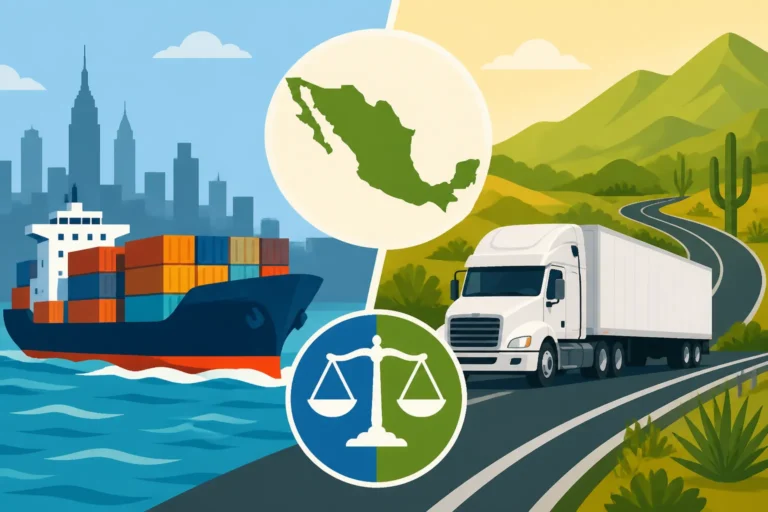
| Feature | Correos de México (Sepomex) | Private Couriers (DHL/FedEx/UPS) |
|---|---|---|
| Cost | Very Low (Approx. $1-5 for letters) | High (Approx. $40+ for international) |
| Speed | Slow (3 weeks to 3 months) | Fast (2 to 5 business days) |
| Tracking | Unreliable/Non-existent | Real-time and Precise |
| Security | Low (Higher risk of loss/theft) | High (Insurance options available) |
| Customs | Often skipped (if low value) | Strictly enforced (Fees likely) |
| Best For | Postcards, non-urgent low-value items | Documents, electronics, urgent gifts |
Modern Workarounds for the Digital Expat
The landscape of shipping in Mexico is changing rapidly, thanks to the explosion of e-commerce. You no longer have to rely solely on the man on the bicycle or the expensive DHL office.
Amazon Hubs and Package Lockers
If you are an avid shopper, Amazon Mexico has revolutionized the experience for expats. You can now choose to have your items delivered to an "Amazon Hub Locker," often located in 7-Eleven stores or local pharmacies. This bypasses the address confusion entirely. You receive a code on your phone, walk to the locker, and retrieve your package.
This is also a lifesaver for those dealing with Best Internet Providers in Mexico: Expats' Top Picks for Reliability who might be waiting at home for a technician and don't want to miss a package delivery at the same time. You can go pick up your items on your own schedule.
Mail Forwarding Services and Virtual Offices
For those who still need to receive "snail mail" from their home country—like tax documents or bank cards—mail forwarding services are the gold standard. These companies provide you with a US or Canadian address. They scan your mail, and if you need the physical item, they bundle your packages and ship them to Mexico via a private courier (usually DHL).
This ensures that your important documents never touch the public Mexican postal system. It costs a monthly fee, but for most professionals, the security of knowing their mail is being handled by a dedicated logistics company is worth every penny. If you are ever confused about the local terminology used in these offices, checking a list of 10 Mexican Spanish Slang Words Expats Should Know might help you navigate the conversation with the clerk more smoothly.
One last tip: if you are traveling and need to track your courier or stay in touch with a forwarding service, make sure you have reliable data. Using an eSim from a provider like Airalo ensures you are never out of the loop while waiting for that crucial delivery. Living in Mexico involves a lot of "moving parts," and the mail is just one of them. By choosing the right tool for the job—Sepomex for the "maybe" items and DHL for the "must-have" items—you'll save yourself a world of trouble.
Disclaimer
This guide is intended for informational purposes only. Postal regulations, customs duties, and service reliability in Mexico can change without notice. While we strive to provide the most accurate and up-to-date information for 2026, we recommend verifying specific shipping requirements and costs directly with the service providers or a legal professional before sending valuable items.