Moving to Mexico from Central America: Overland and Short Sea Options
Oh, my friend, the thought of moving to Mexico from any part of Central America can conjure up images of a grand adventure, but let's be real: it often starts with a colossal headache, especially when you're figuring out how to get all your earthly possessions across multiple borders. This guide is going to walk you through the nitty-gritty of both overland and short sea options for relocating your life to Mexico, focusing on how to make it as smooth as possible, and introducing you to the hero that can simplify this entire logistical nightmare.
Disclosure: This post may contain affiliate links. We may earn a commission at no extra cost to you if you make a purchase through these links. Read full disclosure.
The Unique Challenges of Moving to Mexico from Central America
Moving anywhere internationally is a beast, but when you're trekking up through Central America into Mexico, you're not just crossing a single border. You're potentially navigating a patchwork of regulations, road conditions, and logistical puzzles that can make even the most seasoned expat want to pull their hair out. It's not like moving from Canada or the U.S. where there's a more streamlined, albeit still complex, process. Here, you're dealing with different customs laws, varying infrastructure, and a much longer, more winding path.
Navigating Borders and Bureaucracy
Let's just say this upfront: prepare for paperwork, and then prepare for more paperwork you didn't know existed. Each country you transit through, whether it's Guatemala, Belize, El Salvador, Honduras, Nicaragua, or Costa Rica, has its own rules for temporary vehicle imports, exit permits, and goods declarations. It's a dance of stamps, forms, and sometimes, a lot of waiting.
You'll need your passport, of course, and if you’re planning to live here, your Mexican residency visa. Don't even think about attempting this without having your Mexican visa process well underway or, ideally, already approved and stamped in your passport. Immigration officials at the Mexican border will want to see that you have a legal right to reside in the country before they even consider letting your belongings in duty-free. Understanding Mexico's visa and residency options is absolutely crucial before you even pack your first box. The intricacies of cross-border customs for your household goods can be particularly frustrating. You need to present what's called a Menaje de Casa, which is essentially a detailed inventory of all your household effects, certified by a Mexican consulate in your current country of residence. Without this, you could face hefty import duties or even have your items denied entry. It’s enough to make you wish you could just magically teleport your furniture.
Logistics of Overland Transport
If you're considering driving your belongings, or having them driven, overland, you're looking at a journey that requires significant planning. Road conditions can vary wildly, from smooth highways to unpaved stretches, especially outside major cities. Your vehicle, or the moving company's truck, needs to be in top-notch condition to handle the long distances and diverse terrains.
Then there’s the issue of vehicle permits. If you're bringing your own car, you'll need to research the temporary import permit (TIP) for cars in Mexico. This isn't just about getting your personal belongings in; it's about getting your mode of transport in legally. The process often involves a deposit, and missing deadlines or procedures can lead to serious fines or confiscation. Beyond the bureaucratic hurdles, consider safety. Long-distance driving through less familiar territories, especially with a packed vehicle, can present security risks. Truck drivers for moving companies are usually well-versed in these routes and have protocols in place, but for an individual, it's a significant undertaking. The stress of managing all this, while also dealing with personal travel and adjusting to a new life, can be immense.
Overland Moving Options: Driving Yourself vs. Professional Movers
When faced with the prospect of moving your entire life from one country to another, especially across such a vast and varied landscape, you essentially have two main paths: brave it yourself or hand the reins to the pros. Both have their merits and their very real drawbacks.
The DIY Drive: What to Consider
Deciding to drive your household goods yourself from a Central American country to Mexico can seem appealing on the surface. The thought of saving money, having complete control over your possessions, and the flexibility to stop whenever and wherever you want sounds like freedom, right?
Well, that "freedom" comes with a lot of hidden costs and stresses. First, the actual driving. You're talking about days, perhaps even weeks, on the road. The wear and tear on your vehicle will be significant, and roadside assistance in some areas might be scarce. Fuel costs, accommodation, food, and potential unexpected repairs will quickly add up. Then there's the monumental task of dealing with each border crossing. You'll be personally responsible for all the paperwork, declarations, and fees at every single border. Imagine explaining your Menaje de Casa in varying degrees of Spanish to different customs agents, day after day. The potential for delays, misunderstandings, or even outright scams can be high. Safety is another huge factor. Driving a vehicle clearly packed with all your worldly possessions, especially at night or through less populated areas, can make you a target. You'll be exhausted, stressed, and trying to navigate unfamiliar routes, all while keeping an eye on your valuable cargo. Frankly, for a full household move, the DIY drive is usually more trouble than it's worth. It's a huge commitment of time, energy, and mental fortitude that most expats simply don't have during an already overwhelming transition.
Hiring an Overland Moving Company
This is where professional movers truly shine, especially for complex overland routes. Imagine taking that massive weight off your shoulders. A reputable overland moving company specializes in these types of cross-border relocations. They have the right vehicles, the experienced drivers, and most importantly, the expertise in navigating the labyrinthine customs procedures of each country.
They handle the logistics of packing, loading, transport, and often, the initial customs declarations on your behalf. This means less stress for you worrying about road conditions or border officials. They understand the nuances of things like the Menaje de Casa and can guide you through preparing your documentation correctly, minimizing the chances of delays or unexpected costs at the border. While it's an investment, the peace of mind and time saved are invaluable.
To find the right company, you don't have to spend hours trawling through obscure forums. This is precisely why a service like Sirelo exists. Sirelo acts as your personal moving assistant, connecting you with reputable moving companies that specialize in moves from Central America to Mexico. You submit your details, and they provide you with multiple quotes from vetted movers. This means you can compare prices, services, and read reviews, ensuring you pick a company that has a proven track record on these challenging routes. It’s like having a trusted friend who knows all the best movers for your specific needs.
Short Sea Shipping: An Alternative for Larger Moves
While overland transport might be the first thing that comes to mind for moves within the Americas, don't overlook short sea shipping, especially if you're relocating a substantial amount of belongings or coming from countries further south in Central America. It offers a different set of advantages and challenges.
Understanding Short Sea Logistics
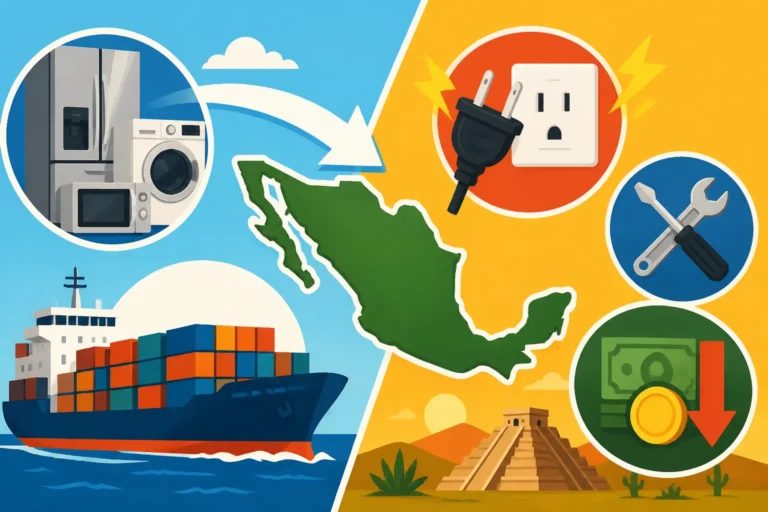
Short sea shipping, in simple terms, involves moving goods by sea over relatively short distances, typically within a continent or between neighboring regions. For your move to Mexico, this means your household goods would be packed into a container (either a full container load, FCL, or a less than container load, LCL, if you don't have enough to fill one) and shipped from a major port in your Central American country to a Mexican port. Common port destinations in Mexico include Veracruz, Altamira, and Progreso, depending on your final destination within the country.
The process usually involves the moving company coming to your home, packing your items, loading them onto a truck, and then taking them to the departure port. There, the container is loaded onto a cargo ship. Once it arrives at the Mexican port, it goes through customs clearance, and then a local delivery team transports the container to your new home in Mexico for unloading. This method is particularly efficient for larger volumes of goods, as it often works out to be more cost-effective per cubic foot than overland transport for a full household. It also bypasses the numerous land borders, reducing some of the complex, repetitive paperwork and potential for delays at each crossing. However, you'll still need to ensure your Menaje de Casa is meticulously prepared for the Mexican customs at the port of entry.
Pros and Cons of Sea Shipping for Expats
Like any major logistical decision, short sea shipping has its upsides and downsides for expats moving to Mexico.
Pros:
- Cost-Effective for Volume: If you're bringing a lot of furniture, appliances, and boxes, sea shipping is generally more economical than dedicated overland transport. The cost per volume significantly decreases with larger shipments.
- Reduced Wear and Tear: Your goods are typically packed securely into a container, which then travels directly by sea. This can be less jarring than a long overland journey over potentially bumpy roads, reducing the risk of damage.
- Less Personal Stress (during transit): Once your container is loaded and shipped, you don't have to worry about individual border crossings, driving hazards, or navigating foreign roads. Your moving company handles the journey.
- Simpler Border Process: You only deal with one major customs clearance – at the Mexican port of entry – rather than multiple land borders. This can streamline the overall bureaucratic burden, although the single customs process itself is still rigorous.
Cons:
- Longer Transit Times: Sea shipping is slower than overland. Depending on the origin and destination, transit times can range from a couple of weeks to over a month, not including the time for packing, loading, and customs clearance on both ends. You’ll need to plan accordingly for living without your household goods for a period.
- Fixed Schedules: Shipping lines operate on fixed schedules. If you miss a vessel, you might have to wait a week or more for the next one, which can throw off your moving timeline.
- Customs Clearance at Port: While it's one clearance, it can be complex and requires all your documentation, including your Menaje de Casa, to be perfectly in order. Delays at the port can incur demurrage charges if your container isn't cleared promptly.
- Logistics on Both Ends: You still need reliable moving companies for pickup and delivery in both countries, especially for the "last mile" transport from the port to your home.
This is another area where a platform like Sirelo proves invaluable. They connect you not only with overland movers but also with international shipping companies that specialize in short sea routes to Mexico. This allows you to compare quotes, understand the full scope of services (including port charges, customs assistance, and inland delivery), and read reviews from other expats who have used these services. Choosing the right sea freight forwarder through Sirelo ensures that your belongings are in good hands, from your current doorstep to your new one in Mexico.
Making Your Move Easier with the Right Partner
Moving internationally is a monumental task, and from Central America to Mexico, it introduces a unique layer of complexity. You're not just changing countries; you're often traversing several, each with its own quirks and requirements. This is precisely why having the right support system, particularly when it comes to the actual relocation of your belongings, isn't just a luxury – it's a necessity.
Why Sirelo is Your Go-To for Central America to Mexico Moves
Navigating the landscape of international movers can feel like a full-time job in itself. How do you know who's reliable? Who specializes in this particular route? Who offers fair pricing without hidden fees? This is where Sirelo steps in as an absolute game-changer for expats like us.
Sirelo isn't just another moving directory; it's a comprehensive platform designed to empower you with choices and transparency. Instead of you spending countless hours researching individual companies, vetting their services, and trying to decipher quotes, Sirelo does the heavy lifting. You simply provide your moving details – where you're moving from in Central America, your destination in Mexico, the volume of your belongings – and Sirelo connects you with multiple reputable moving companies that serve that specific route.
What makes Sirelo truly a hero for these complex moves is its focus on transparency and user experience. You receive competing quotes, allowing you to compare services and costs side-by-side. You can read reviews from other expats who have used these very companies, giving you invaluable insight into their reliability and service quality. This minimizes the risk of hiring a subpar mover and helps you avoid unexpected costs or delays, which are often amplified on multi-country overland or sea routes. Whether you decide on overland transport or short sea shipping, Sirelo ensures you find a professional partner equipped to handle the specific challenges of your move, including customs guidance and proper documentation support for both departure and arrival. Their platform simplifies what would otherwise be a grueling, stressful phase of your relocation, turning a potential nightmare into a manageable, even efficient, process.
Essential Preparations and Documentation
No matter which moving method you choose, meticulous preparation and impeccable documentation are your best friends. Without these, even the best moving company can hit snags.
First and foremost, revisit your immigration status. You absolutely need your Mexican residency visa (Temporary or Permanent) approved and ready. Your Menaje de Casa is another cornerstone document. This detailed, notarized, and consulate-stamped inventory of your household goods is what allows you to import your personal items into Mexico duty-free. Start this process early, as it can take time to gather everything and get the necessary consular appointments in your current country. A good moving company found through Sirelo will provide clear guidance on what exactly you need for this crucial document, often even offering assistance in its preparation.
Beyond the Menaje, ensure all your personal identification documents are current: passports, driver's licenses, and any birth or marriage certificates you might need for future administrative tasks in Mexico. It’s also wise to have certified copies of everything, just in case. Create a comprehensive inventory of all your belongings, not just for the Menaje de Casa, but for your own records. Photograph valuable items before packing them. This is vital for insurance purposes. Speaking of insurance, always ensure your moving company offers comprehensive transit insurance, or consider purchasing a separate policy, especially for a long journey from Central America. While we all hope for the best, accidents and unforeseen events can happen, and you want to be covered.
Finally, think about what you really need to bring. The cost of moving can be substantial, so critically evaluate whether it’s cheaper to replace an item in Mexico than to ship it. For instance, sometimes white goods or basic furniture can be more affordably purchased new or second-hand upon arrival. A great resource for making these decisions is guides like "Moving to Mexico: What to Pack and What to Buy Locally". And once your belongings arrive, you'll want to be ready to settle in, from finding a place to rent to understanding local utility hookups and home security in Mexico. The entire journey, from packing your first box to settling into your new Mexican home, becomes a whole lot easier with a clear plan and the right support.
Overland vs. Short Sea Moving: A Quick Comparison
To help you visualize the core differences between these two primary methods of moving your household goods from Central America to Mexico, here’s a handy table:
| Feature | Overland Moving (Professional) | Short Sea Shipping |
|---|---|---|
| Ideal For | Smaller households, urgent moves, specific routes | Larger households, less urgent moves, cost-efficiency for bulk |
| Transit Time | Faster (days to 1-2 weeks, depending on origin) | Slower (2-6 weeks, plus loading/unloading) |
| Cost | Higher for large volumes, can be efficient for smaller loads | Lower for large volumes, can be expensive for small loads (LCL) |
| Border Crossings | Multiple land borders, company handles individual customs | One major customs clearance at Mexican port of entry |
| Damage Risk | Varies by road condition and handling, but direct | Generally lower, items secured in container for sea journey |
| Flexibility | More flexible scheduling for pickup/delivery | Dependent on shipping vessel schedules |
| Documentation Focus | Menaje de Casa for Mexico, temporary permits for transit countries | Menaje de Casa for Mexico, bill of lading |
| Stress Level (Expat) | Moderate to low (if professional mover), high (if DIY) | Low (during transit), moderate for port clearance coordination |
| Company Expertise | Specialized in ground logistics, multi-country customs | Specialized in sea freight, port logistics, international customs |
No matter which method you lean towards, using a reliable platform like Sirelo is truly the best way to connect with professional movers who can execute either option efficiently and transparently. They help demystify the process and give you the confidence to make the right choice for your particular move.
Disclaimer
Please remember that immigration laws, customs regulations, and transportation costs in Mexico and Central America can change frequently. While we strive to provide the most up-to-date and accurate information, this guide is for informational purposes only and does not constitute legal or professional advice. Always consult with a qualified immigration lawyer, customs broker, or a professional moving company for personalized guidance regarding your specific situation.