How Can Expats Receive Mail from Abroad in Mexico?
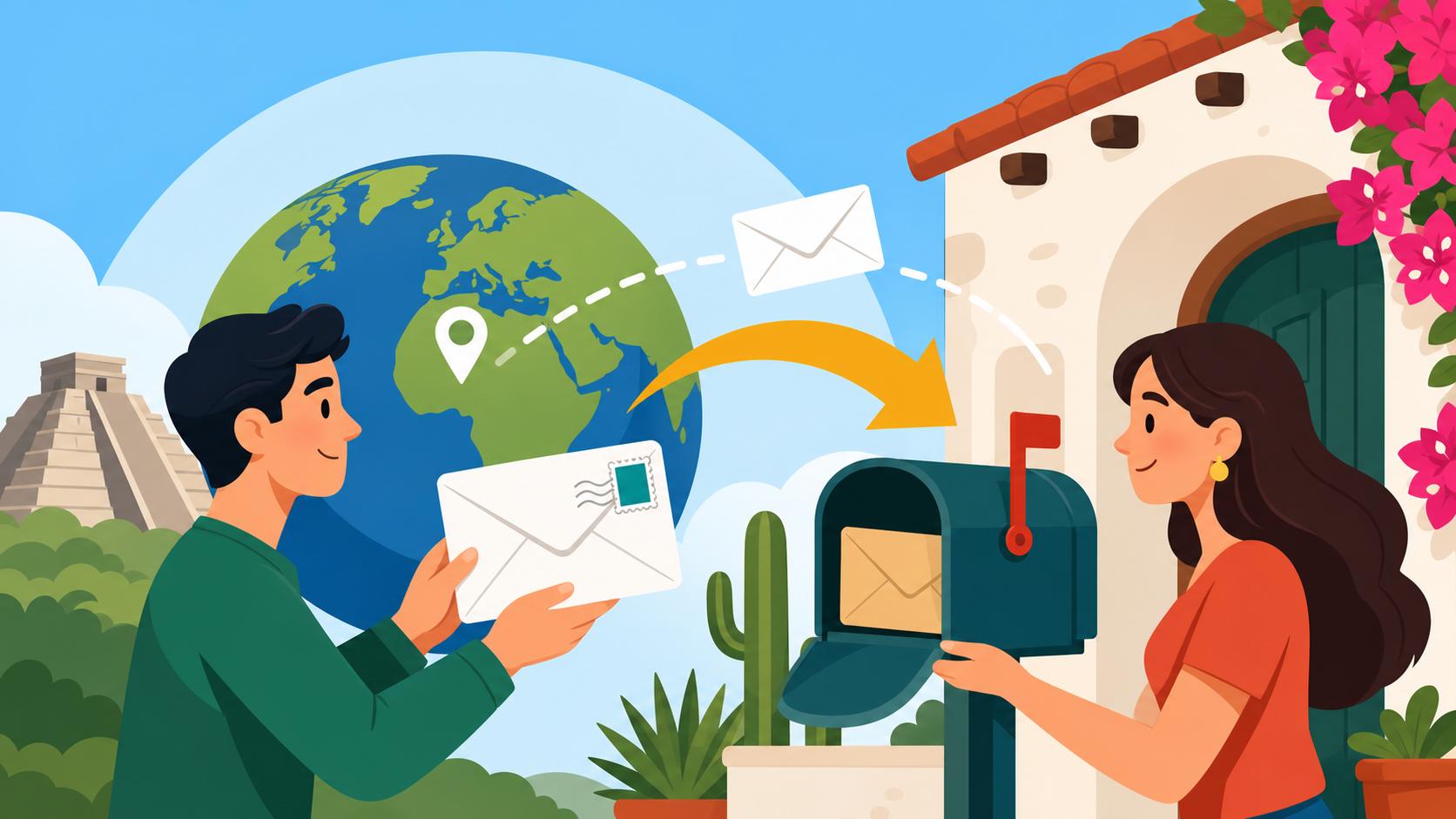
Waiting weeks for a critical tax document or a care package from home only to have it disappear into a bureaucratic "black hole" is a rite of passage for many foreigners here. I once waited five months for a replacement debit card that eventually arrived in a water-damaged envelope, taught me the hard way that mailing things to Mexico requires a strategy. This guide solves the mystery of the Mexican postal system and provides reliable alternatives to ensure your mail actually reaches your doorstep.
Disclosure: This post may contain affiliate links. We may earn a commission at no extra cost to you if you make a purchase through these links. Read full disclosure.
The Reality of SEPOMEX and the National Postal Service
When you first arrive and begin Settling in Mexico: Step-by-Step Guide to Your First 30 Days as an Expat, you might be tempted to give your home address to friends and family for casual letters. The national postal service, known as Correos de México (formerly SEPOMEX), is the most affordable option, but it comes with significant caveats. It is notoriously slow, and tracking is often non-existent once a package crosses the border.
The primary issue isn't necessarily the people working there; many postal workers are incredibly hardworking. The problem lies in the infrastructure and the sheer volume of mail handled with outdated systems. In many neighborhoods, there isn't a dedicated mailbox for every home. Mail might be left at a gate, tucked under a door, or simply held at the local post office if the "cartero" (mail carrier) can’t find a secure way to deliver it.
If you are Living in Mexico: Cultural and Practical Guide for New Expats, you will eventually learn that Correos de México is acceptable for postcards or non-essential letters where you don’t mind a 4-to-8-week delivery window. However, for anything with a tracking number or sentimental value, you should look elsewhere. Packages sent via standard international post often get stuck in customs for weeks, and if the paperwork isn't perfect, they may be returned to the sender without you ever knowing they arrived in the country.
Using Private Couriers for Speed and Security
For anything urgent, private couriers like DHL, FedEx, and UPS are the gold standard. They operate their own logistics networks within Mexico, which means they bypass much of the standard postal backlog. If you are a remote worker enjoying the Digital Nomad Life in Mexico: Remote Work Living Guide, you likely rely on these services for hardware replacements or important documents.
DHL is arguably the most robust private carrier in Mexico. They have "Puntos de Venta" (service points) in almost every medium-sized town. One pro-tip I always share with newcomers is to use the "Hold for Pickup" option. Instead of risking a missed delivery because your buzzer doesn't work or the courier can't find your street, you can have the package sent directly to a DHL branch. You simply show your residency card or passport to collect it.
When shipping via these couriers, be prepared for the cost. International shipping into Mexico is expensive, often starting at $40 or $50 USD for a small envelope. Furthermore, these companies are very strict about customs declarations. You must be specific. Writing "Gift" on a box is a surefire way to get it flagged. Instead, list every item and its approximate value. If you are ordering items for your new home, you might find it easier to use Amazon Mexico for local delivery rather than shipping things from your home country, as they handle the import logistics seamlessly.
Addressing Mail Correctfully in Mexico
One of the biggest hurdles for expats is the Mexican addressing system. It’s vastly different from the US, Canada, or Europe. A missing "Colonia" or a lack of "Entre Calles" (between streets) can result in your mail being marked as undeliverable. When you are Renting a Home in Mexico: Complete Expat Guide to Leases, Deposits, and More, pay close attention to how your address is written on your lease or utility bills.
A standard Mexican address should look like this:
- Recipient Name
- Street Name and House/Apartment Number
- Colonia (Neighborhood)
- Postal Code (CP) and City/Municipality
- State
- Country
Crucially, you should always include your Mexican phone number on the package. Couriers will often call you if they are standing outside your building and can’t get in. If you are moving between cities and staying in temporary spots like Selina, always check with the front desk if they accept guest mail before having anything shipped.
| Service Type | Estimated Delivery | Reliability | Best For |
|---|---|---|---|
| Correos de México | 4 – 12 Weeks | Low | Postcards, non-essential letters |
| DHL / FedEx / UPS | 3 – 7 Days | High | Documents, electronics, valuables |
| Mail Forwarders | 10 – 21 Days | Medium-High | Online shopping, consolidated packages |
| Amazon Mexico | 1 – 3 Days | Very High | Household goods, local essentials |
Mail Forwarding Services and Virtual PO Boxes
For many retirees in the Best Places to Live in Mexico for Expats (2027 Edition), keeping a physical presence in their home country is necessary for banking and government correspondence. This is where mail forwarding services come in. Companies like MyUS, iPostal1, or Laredo Mail provide you with a physical address in the US (often in Texas or Florida).
You have your mail sent to this US address. The service then scans the outside of the envelopes and uploads them to a digital portal. You can choose to have them open and scan the contents, shred the junk mail, or consolidate multiple packages into one box to be shipped to your address in Mexico. This consolidation is a huge money-saver. Instead of paying three separate international shipping fees, you pay one.
However, be aware of the "last mile" delivery. Some forwarders use Correos de México once the package enters the country to save money. If you want reliability, choose a forwarder that allows you to select a private courier for the final leg of the journey. If you are frequently moving or traveling, having a digital e-SIM from Airalo ensures you have data the moment you cross the border to check your mail forwarding portal or coordinate with a courier.
Navigating Customs and Import Duties
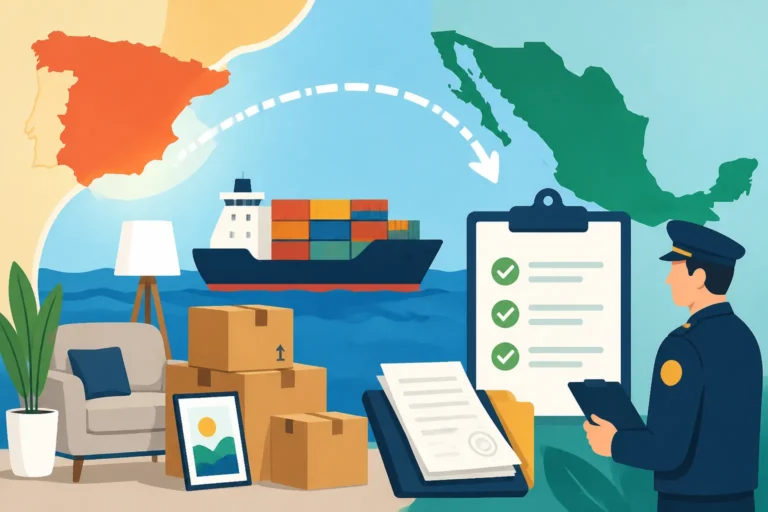
The Mexican tax authority, the SAT (Servicio de Administración Tributaria), is very diligent. Anything you receive from abroad with a declared value over $50 USD is technically subject to import duties and a 16% Value Added Tax (IVA). If you are Moving to Mexico: What to Pack and What to Buy Locally, you might think sending your used clothes or kitchen gadgets later is a good idea, but the SAT might view these as new items and charge you based on their estimated market value.
There are also many prohibited items that expats often try to ship. You cannot ship medications, vitamins, or supplements without a complicated permit from COFEPRIS (Mexico's health authority). Even over-the-counter ibuprofen can get a package seized. Food items, seeds, and any liquids are also frequently rejected. If you are having trouble Paying Utility Bills in Mexico: Methods and Tips for Expats and need to receive a new bank token or credit card, ensure the bank sends it via a courier that handles the "pedimento" (customs entry) on your behalf.
When a package is held by customs, you will usually receive a notification (if you used a courier) stating that you need to pay a fee before delivery. You can often pay this online or at the courier’s local office. If you used the national post, you might have to go to a specific customs office at the airport or a central postal hub, which can be a bureaucratic nightmare.
Practical Tips for Receiving Mail Without the Stress
If you are living in a gated community, speak with your "vigilancia" (security guards). In many cases, you can authorize them to receive packages on your behalf. It is common practice to give them a small "propina" (tip) for this service, especially if they are handling large boxes. This is part of the nuance of Hiring Domestic Help in Mexico: Maids, Gardeners, and Etiquette—building good relationships with the people who manage your building's access makes your life significantly easier.
Another tip is to avoid shipping anything during the month of December. The combination of "Buen Fin" (Mexico's version of Black Friday) and the Christmas holidays creates a massive backlog that can delay even the most "express" shipments by weeks.
Always double-check your Understanding Mexican Rental Contracts: Key Terms and Tenant Rights to see if there are any specific rules about commercial deliveries to your building. Some high-end condos have strict rules about when couriers can enter the premises. If you are concerned about Safety in Mexico: What Expats Need to Know About Staying Safe, using a "Punto de Entrega" (delivery point) at a local convenience store or a dedicated locker is often safer than having packages sit in an unsecured lobby.
Ultimately, the key to successfully receiving mail in Mexico is to assume that the standard postal service will fail and to plan accordingly. Use technology, leverage private couriers for anything important, and always include a local phone number. Once you have your system dialed in, receiving that bit of home in the mail becomes a joy rather than a source of anxiety.
Disclaimer
This guide is for informational purposes only. Postal regulations, customs duties, and courier policies in Mexico can change frequently. Always verify current requirements with the specific shipping company or the Mexican customs authority (SAT) before sending valuable or restricted items. The author is not responsible for lost mail or unexpected import fees.