Using PayPal, Wise, or Western Union: Comparing Money Transfer Options
Moving money across borders shouldn’t feel like a robbery, yet hidden exchange rate markups can easily drain hundreds of dollars from your monthly budget. I vividly remember losing a shocking chunk of my first Mexican rent payment to invisible conversion fees. This guide decodes the real costs behind popular transfer services, helping you repatriate funds without bleeding capital.
Disclosure: This post may contain affiliate links. We may earn a commission at no extra cost to you if you make a purchase through these links. Read full disclosure.
The Hidden Cost of Moving Money to Mexico
When you first relocate, you will quickly realize that managing your finances across two sovereign nations is a massive logistical hurdle. Whether you are funding your daily life, transferring a massive deposit for an apartment, or simply trying to access your own remote salary, the mechanical friction of moving currency can quietly destroy your Cost of Living in Mexico: 2026 Comprehensive Guide budget.
The core issue lies in the exchange rate. Most expats look up the current exchange rate on Google—which is the true mid-market rate—and assume that is the mathematical formula their bank or transfer service will use. This is a catastrophic miscalculation. Traditional banks and popular consumer transfer services rarely execute your transfer at that true mid-market rate. Instead, they apply a heavily padded, corporate exchange rate, secretly skimming anywhere from three to six percent off the top of your total transfer volume.
Beyond the invisible exchange rate margin, you are also hit with flat outbound international wire fees from your home bank, and inbound receiving fees from the Mexican financial institution. If you are not incredibly strategic about which tool you use for which specific type of transaction, you will be subjected to a relentless financial bleed. To survive and thrive financially south of the border, you must understand exactly how the major transfer mechanisms operate, where they hide their fees, and when to completely avoid them.
Analyzing the Top Transfer Services
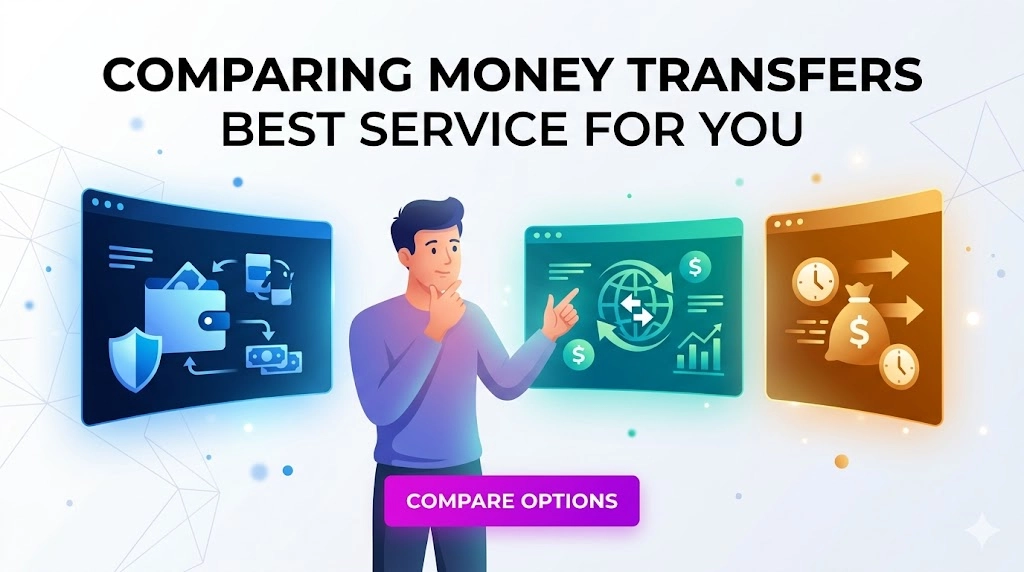
There is no single perfect method for moving money to Mexico. Your choice of platform depends entirely on whether you are sending cash to someone without a bank account, trying to access a freelance payment, or routing thousands of dollars for a localized lease.
PayPal Convenience With a Heavy Price Tag
For many newly arrived remote workers and freelancers exploring the Digital Nomad Life in Mexico: Remote Work Living Guide, PayPal is the default financial bridge. It is ubiquitous, trusted globally, and incredibly easy to set up. However, utilizing PayPal as your primary engine for repatriating funds into Mexico is an incredibly expensive mistake.
The nightmare begins when you attempt to withdraw your USD or EUR balance into your local Mexican bank account. PayPal strictly enforces a mandatory currency conversion using their own proprietary exchange rate. This rate is notoriously poor, often sitting three to four percent below the true mid-market rate. You cannot bypass this; if you link a Mexican bank account, PayPal will force the conversion into pesos before the transfer clears.
Furthermore, if you receive commercial payments for freelance services, you are already losing nearly three percent to standard receiving transaction fees. When you combine the receiving fee with the horrific forced exchange rate margin, you are often surrendering over six percent of your gross income simply to move your earnings across the border. PayPal is phenomenal for consumer purchases and quick, low-value peer-to-peer transfers, but it should be avoided entirely for bulk capital repatriation.
Western Union The Cash Pickup Lifeline
Before you successfully navigate the complex bureaucratic maze outlined in our Banking in Mexico: Complete Guide for Foreigners, you will likely find yourself in the country without a localized checking account. You will need cash to pay for street food, local taxis, and informal short-term lodging. This is the exact scenario where Western Union becomes a vital, albeit temporary, lifeline.
Western Union allows you to send money from your foreign bank account or debit card directly to a physical cash pickup location in Mexico. Because Western Union partners with massive retail chains like Oxxo, Elektra, and Bodega Aurrera, you can walk into almost any corner store in the country, show your passport and tracking number, and walk out with physical peso bills. It is the ultimate bridge for the unbanked expat.
However, this convenience comes with severe physical and financial risks. Western Union’s exchange rates are highly variable and frequently padded, meaning you are still losing a percentage of your capital. More importantly, executing large transfers this way is incredibly dangerous. Standing in line at a busy Oxxo, being handed twenty thousand pesos in physical cash by the cashier, and walking out onto the street makes you a prime target for crimes of opportunity. We strongly advise against using cash pickup services for large rent payments or security deposits, prioritizing the protocols we discuss in Safety in Mexico: What Expats Need to Know About Staying Safe.
Fintech Bridges for the Mid Market Rate
Once you have your physical plastic residency card in hand and you finally open a localized Mexican bank account, your reliance on expensive cash pickups and PayPal should cease immediately. To move your living expenses across the border efficiently, you must pivot to specialized cross-border fintech platforms.
This is exactly where utilizing a service like Wise becomes a massive tactical advantage for expats. Unlike legacy banks that hide their profit margins inside terrible exchange rates, Wise transparently uses the true mid-market exchange rate. You see exactly what your money is worth on the global market. They charge a small, clearly stated, upfront percentage fee for executing the transfer, meaning you can calculate the exact cost of your transaction down to the penny.
I use Wise every single month to push my operational budget from my US checking account directly into my Mexican landlord’s 18-digit CLABE account. The speed is revolutionary; transfers via Wise often settle into the local Mexican banking system within seconds, utilizing the domestic SPEI network. By relying on Wise for your high-frequency, monthly capital needs, you completely bypass the international SWIFT flags that often trigger anti-money laundering freezes at local Mexican banks, a friction point we decode deeply in How Do Expats Typically Pay Rent in Mexico? Cash vs Bank Transfers.
Managing Larger Expat Capital and Investments
Moving two thousand dollars a month for tacos, internet, and rent is one distinct challenge. Moving a quarter of a million dollars to purchase coastal real estate or manage an early retirement portfolio requires an entirely different financial architecture.
The Problem with Mexican Brokerages and Legacy Banks
As you establish your life in Mexico and progress through the Mexico Temporary Resident Visa: Comprehensive Guide for Expats 2026 Update, you will eventually confront the reality of tax residency. Once you become a formalized tax resident, keeping massive amounts of liquid capital or investment portfolios inside the Mexican retail banking system exposes your wealth to complex local taxation and aggressive regulatory audits.
Furthermore, many expats panic when they enthusiastically update their residential address to Mexico, only to find that their traditional US or European brokerages instantly freeze their accounts. Standard legacy brokers often refuse to service non-resident clients due to strict international compliance laws, locking you out of your own retirement funds simply because you moved to a warmer climate.
Establishing a Borderless Financial Vault
To maintain absolute security over your nest egg while living abroad, you must utilize a brokerage that actually embraces global mobility. Keeping your primary portfolio parked in Interactive Brokers solves this issue perfectly. Because Interactive Brokers is highly expat-friendly, they legally accept Mexican residential addresses without restricting your trading abilities or freezing your hard-earned assets.
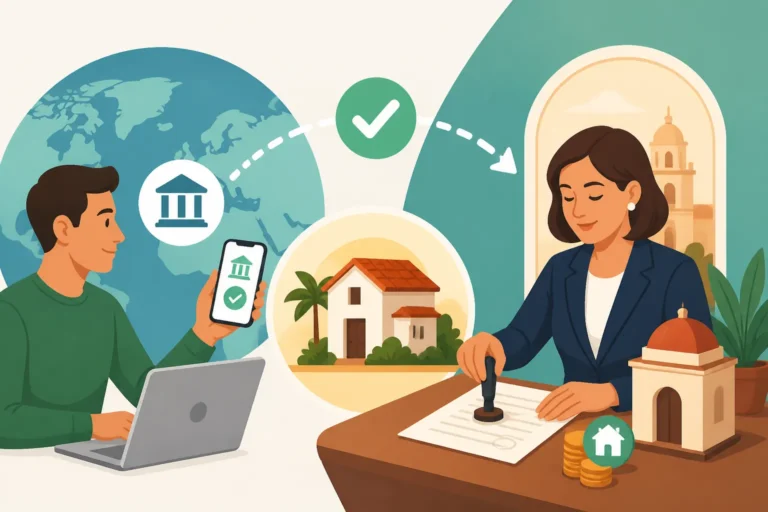
Beyond simply holding your ETFs and stocks, having an account at Interactive Brokers acts as the ultimate cross-border utility tool for massive capital transfers. Interactive Brokers allows you to hold, trade, and convert multiple global currencies within a single unified account at direct institutional exchange rates. If you are preparing to buy a house in Mexico, executing institutional-level currency trades within Interactive Brokers before wiring the final amount to the Mexican Notary completely circumvents the predatory exchange margins of retail banks. Combining this offshore stability with the daily agility of localized fintech tools creates the ultimate financial architecture for navigating the massive transactions discussed in Renting a Home in Mexico: Complete Expat Guide to Leases, Deposits, and More. You protect your wealth from both local volatility and international banking friction.
Transfer Options Comparison Matrix
To bring absolute clarity to your financial planning, here is a breakdown of how the major transfer methods compare across the metrics that matter most to expats: speed, cost, and practical use cases.
| Transfer Method | Exchange Rate Quality | Average Speed | Best Used For | Primary Drawback |
|---|---|---|---|---|
| PayPal | Poor (Heavily Padded) | Instant to 3 Days | Quick freelance invoices, online shopping. | Exorbitant conversion and receiving fees. |
| Western Union | Variable (Slightly Padded) | Minutes (Cash Pickup) | Emergency cash access before opening a local bank account. | Physical security risks of carrying large amounts of cash. |
| Specialized Fintech | Excellent (Mid-Market) | Seconds to 1 Day | Paying local rent, transferring monthly living expenses to MXN. | Requires the recipient to have a localized bank account (CLABE). |
| Traditional SWIFT Wire | Poor (Corporate Margin) | 3 to 5 Days | Direct bank-to-bank transfers if fintech bridges are restricted. | High flat fees and massive invisible losses on exchange rates. |
Understanding exactly which financial tool to deploy for your specific situation is the difference between thriving comfortably in Mexico and constantly fighting an uphill battle against invisible fees. By auditing your transfer methods, avoiding forced currency conversions, and establishing a robust offshore investment perimeter, you can ensure your wealth is protected and optimized from the moment you cross the border. Navigating these logistics smartly allows you to avoid the financial anxieties that trigger the complex tax burdens we outline in Taxes in Mexico for Expats: A Complete Guide to Income Tax and More.
References
Primary sources (official)
- Banco de Mexico: The central bank of Mexico where expats can verify the daily published interbank exchange rate to compare against the padded rates offered by retail transfer services. https://www.banxico.org.mx/
Other helpful sources
- Western Union Mexico: The official regional portal detailing cash pickup locations, identification requirements, and maximum daily transfer limits for unbanked expats. https://www.westernunion.com/mx/en/home.html
- PayPal Mexico: The official user agreement outlining the specific percentage fees and forced currency conversion margins applied to international transactions and withdrawals. https://www.paypal.com/mx/home
Disclaimer
The information provided in this article is for educational and informational purposes only and does not constitute official financial, legal, or tax advice. Mexican banking regulations, international anti-money laundering (AML) compliance laws, and federal tax reporting requirements are strictly enforced and subject to rapid, unannounced changes by government authorities. Exchange rates and the fee structures of third-party payment processors fluctuate constantly based on global market conditions. Always conduct extensive due diligence and consult with a licensed cross-border financial advisor or certified public accountant before transferring large sums of capital internationally, establishing tax residency, or executing high-value real estate transactions abroad.