Living in Mexico City: An Expat’s Guide to Neighborhoods and Lifestyle
Arriving in a megalopolis of twenty-two million people and trying to figure out which neighborhood will not trap you in a two-hour commute is utterly paralyzing. I spent my first month signing an overpriced lease in a loud tourist corridor simply because I did not understand the city’s vast layout. This guide decodes the neighborhoods, costs, and lifestyle realities of Mexico City.
Disclosure: This post may contain affiliate links. We may earn a commission at no extra cost to you if you make a purchase through these links. Read full disclosure.
The Altitude and Environmental Reality of CDMX
Before you can even begin to enjoy the world-class gastronomy or the incredible museum culture of Mexico City (CDMX), you must confront its extreme geography. The physical toll of the environment here dictates your daily routine, your energy levels, and your overall health.
Surviving the Physical Altitude Shock
The physical impact of arriving in Mexico City is something no amount of travel research can adequately prepare you for. The capital sits in a high-altitude volcanic basin at roughly 7,300 feet above sea level. When you step off the plane, the air is noticeably thinner. During your first few weeks, you will experience mild to moderate altitude sickness, which fundamentally alters your physical capabilities.
This acclimatization period manifests in frustrating ways. You will experience sudden shortness of breath simply from walking up a single flight of stairs or carrying groceries blocks to your apartment. Persistent, dull headaches and profound, rapid dehydration are incredibly common. You must drink significantly more water than you are accustomed to and aggressively limit your alcohol and caffeine intake during your first weekend to prevent severe migraines.
Furthermore, the climate in Mexico City is uniquely deceptive. It is often romantically marketed to expats as having an “eternal spring,” but that description entirely ignores the bitter winter mornings. Because traditional Mexican apartments completely lack central heating and insulation, the ambient temperature inside your concrete home from December to February can easily drop into the low 40s Fahrenheit. You will absolutely need thick sweaters, warm slippers, and a strategic mindset to stay comfortable.
Do not push yourself to explore the entire city during your first week. Your cardiovascular system needs at least two to three weeks to build the necessary red blood cells to process the thinner air efficiently. If you attempt an intense workout or a massive walking tour too soon, your body will violently rebel, leaving you bedridden with exhaustion. Give yourself the grace to adjust to the elevation slowly.
The Smog and Seasonal Air Quality
The geography of Mexico City creates a severe, inescapable environmental challenge for all its residents. Because the city sits in a deep basin surrounded entirely by volcanic mountains, the pollution generated by millions of vehicles and factories becomes physically trapped over the neighborhoods. The air simply cannot escape the valley.
During the dry winter months (typically November through March), the city frequently suffers from thermal inversions. This meteorological phenomenon creates thick, visible layers of yellow smog that settle directly at street level, severely irritating the eyes and lungs. Expats with asthma, severe allergies, or other respiratory issues often struggle immensely during this season, and the government occasionally issues mandatory driving restrictions to combat the toxic air.
Managing these environmental factors requires proactive planning. You must download local Air Quality Index applications and monitor them daily before deciding to exercise outdoors or open your apartment windows. Almost every long-term foreign resident eventually invests in heavy-duty HEPA air purifiers for their apartments to maintain clean, breathable indoor spaces.
Because finding high-quality, clinical-grade HEPA filters in local Mexican hardware stores is often an exercise in pure frustration, veteran expats rely entirely on Amazon Mexico. Utilizing the localized Amazon Mexico platform allows you to order premium air purifiers and replacement filters directly to your door, ensuring your lungs have a safe sanctuary without battling international customs delays or local inventory shortages.
Earthquake Preparedness and Alertas Sismicas
Living in Mexico City means accepting the ever-present reality of seismic activity. The city is built on the soft, muddy lakebed of the ancient Aztec capital, Tenochtitlan. This unique geology acts like a bowl of jelly; when an earthquake strikes off the Pacific coast, the seismic waves are amplified and trapped within the soft soil of the capital, causing violent, prolonged shaking.
To survive and mitigate this risk, Mexico City boasts one of the most advanced early warning systems in the world: the Alerta Sísmica. Thousands of massive loudspeakers are mounted on poles across every neighborhood. When a significant earthquake is detected, these sirens blast a terrifying, inescapable alarm, usually giving residents between 40 to 60 seconds to evacuate their buildings before the shaking begins.
You must take this system seriously. When you hear the siren, you do not panic, but you do not hesitate. You calmly and rapidly exit your building to the designated safety zones painted on the streets. When hunting for an apartment, you should actively research the structural integrity of the building and the specific neighborhood. Areas built on firmer, rocky ground, such as the southern neighborhoods of Coyoacán or Pedregal, historically suffer significantly less structural damage during massive quakes than the soft-soil neighborhoods of Roma and Condesa.
Navigating the Most Popular Expat Neighborhoods
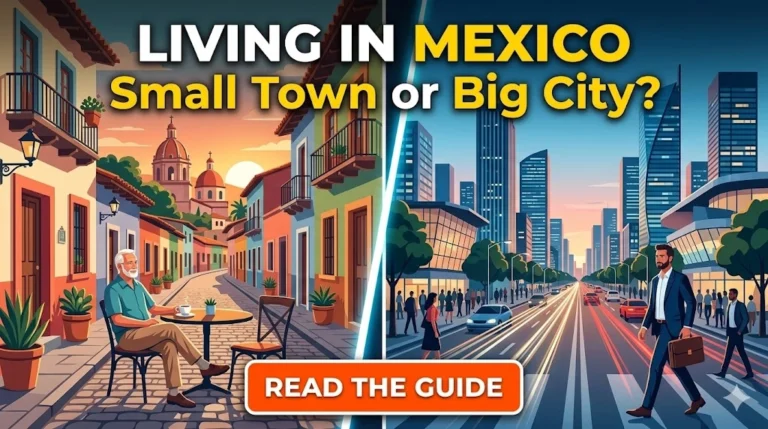
Choosing the right neighborhood dictates your entire expat experience. Your colonia determines whether you need to fight traffic daily, how safe you feel walking your dog at night, and whether you are paying authentic local prices or vastly inflated “foreigner” premiums.
Roma and Condesa The Gentrified Bubbles
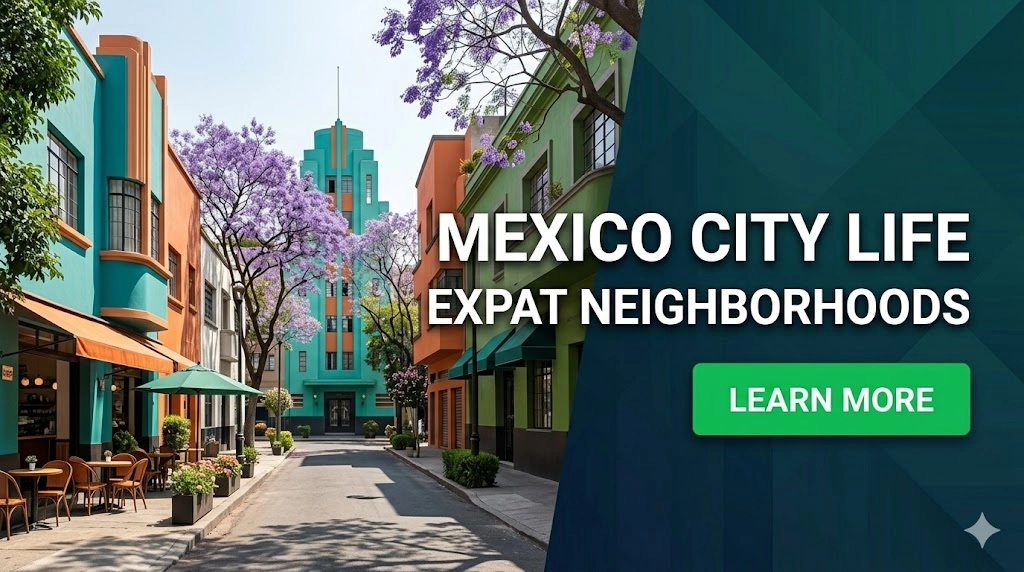
In Mexico City, the vast majority of new arrivals funnel directly into Roma (divided into Roma Norte and Roma Sur) and Condesa. These adjacent enclaves are globally famous for their stunning Art Deco and French-style architecture, massive tree-lined pedestrian avenues, and unparalleled walkability. They are completely saturated with specialty coffee shops, manicured dog parks, and English-speaking digital nomads working from sidewalk patios.
Living here means you exist in an incredibly beautiful, highly convenient environment. The culinary scene is staggering, offering everything from authentic Oaxacan moles to world-class vegan bakeries. However, this convenience comes with a profound cultural cost. You are entering a highly gentrified “expat bubble” where you might go days without actually needing to speak a word of Spanish, severely limiting your cultural immersion and isolating you from the authentic pulse of the city.
Furthermore, the explosive popularity of these neighborhoods has created a massive housing crisis. Rents have skyrocketed, pricing out generations of local Mexican families and forcing expats to pay rates comparable to mid-sized American cities. While Roma and Condesa offer an incredibly soft, easy landing for nervous first-time expats, you must be hyper-aware that the lifestyle here is a highly curated, unrepresentative slice of actual Mexican reality.
Polanco The Upscale Corporate Haven
If Roma is the bohemian, artistic heart of the expat scene, Polanco is the polished, deeply manicured corporate alternative. Known affectionately as the “Beverly Hills of Mexico,” Polanco is home to high-end designer boutiques, massive multinational corporate headquarters, and heavily guarded elite diplomatic residences. The streets are pristine, and the security presence is overwhelming.
Polanco completely lacks the gritty, indie edge and raw street food culture of the central historic neighborhoods. It is designed for wealth, exclusivity, and comfort. The demographic here skews older, consisting heavily of international executives on lucrative corporate relocation packages, wealthy Mexican families, and diplomats. You will find spectacular, Michelin-starred restaurants here, but you will not find the chaotic, vibrant street energy that many associate with Latin America.
Rents in Polanco are astronomical, often exceeding what you would pay in prime real estate markets in the United States or Europe. It is undeniably safe and incredibly clean, but it is highly sterile. For independent digital nomads or retirees living on a fixed pension, Polanco is generally financially unviable and socially isolating, serving better as a destination for a luxury dinner rather than a permanent home base.
Coyoacan and Del Valle The Authentic Alternatives
For expats willing to step slightly outside the primary tourist corridors, the central-south neighborhoods offer a much richer, more authentic, and significantly more affordable lifestyle. Coyoacán, famous as the former home of Frida Kahlo, operates like a small, traditional colonial village entirely swallowed by the megacity. It features stunning historic plazas, bustling traditional markets, and a deeply intellectual, artistic community of locals.
Slightly north of Coyoacán sits Del Valle, a massive, heavily residential, upper-middle-class Mexican neighborhood. Del Valle is defined by its wide, quiet streets, excellent public parks, and incredible connectivity to the rest of the city via the Metrobus. You will find significantly fewer tourists here, meaning the restaurants serve authentic portions at authentic prices, and you will be forced to actively practice your Spanish with your neighbors.
Moving to these alternative neighborhoods requires a transitional strategy so you are not signing a blind lease. Booking a private room or a co-living suite at a Selina location in downtown CDMX for your first 30 days is a strategic masterclass. It provides an instant, secure landing pad and commercial-grade Wi-Fi. More importantly, the Selina community connects you with seasoned expats who can give you boots-on-the-ground advice about which alternative neighborhoods match your specific budget and safety requirements before you lock yourself into a 12-month contract.
The True Cost of Living in the Capital
Mexico City is no longer the dirt-cheap, budget-friendly haven it was a decade ago. The massive influx of foreign capital, combined with a historically strong Mexican Peso, has aggressively shifted the financial realities of the capital, requiring meticulous budgeting.
The Hyper Inflated Rental Market
The rental market in Mexico City is fractured, highly unregulated, and punishing for foreigners who do not understand the local laws. In the desirable “expat bubbles,” landlords are actively pricing their units for high-earning foreign tech workers carrying strong currencies. A modern, furnished two-bedroom apartment in Condesa or Roma Norte can easily cost between $2,000 and $3,500 USD a month, completely mirroring major Northern cities.
Beyond the monthly cost, securing the lease itself introduces the infamous Aval requirement. Mexican landlords fiercely protect their assets and almost universally demand a local co-signer who owns debt-free property in Mexico City to guarantee your lease against squatters. As a newly arrived foreigner, you will not have this. Bypassing the Aval usually requires paying out of pocket for a specialized legal eviction policy (Póliza Jurídica) or offering to pay six months of rent upfront in cash.
To understand how to legally protect yourself during these intense negotiations, you must thoroughly read Real Estate in Mexico: Renting vs Buying for Expats.
| Neighborhood | Vibe and Lifestyle | Average Monthly Rent (2-Bed) | Expat Density |
| Roma / Condesa | Trendy, walkable, foodie, gentrified | $1,800 – $3,500 USD | Extremely High |
| Polanco | Upscale, corporate, luxury shopping | $2,500 – $5,000+ USD | High (Corporate) |
| Coyoacán | Historic, bohemian, traditional, quieter | $1,000 – $1,800 USD | Moderate |
| Del Valle | Residential, family-oriented, highly connected | $900 – $1,500 USD | Low to Moderate |
Groceries Dining and Daily Expenses
The daily cost of living in CDMX is highly dependent on your personal lifestyle inflation. You have access to some of the greatest restaurants on the planet, and if you dine at high-end spots in Polanco and shop exclusively at premium grocery stores like City Market for imported goods, your monthly food budget will drain your bank account rapidly.
However, the city offers an incredible, vast network of local open-air markets (tianguis) and world-class street food. You can easily eat an incredible, filling lunch of tacos al pastor or massive tortas for under $4 USD. If you shop for seasonal produce at local neighborhood markets rather than corporate supermarkets, your grocery bill will plummet drastically.
The beauty of Mexico City is that it caters to every single budget tier simultaneously. You can buy a $1 coffee from a street vendor or an $8 artisanal pour-over coffee on the very same block. Managing this duality requires discipline. To legally manage the income you are spending and understand how the Mexican government views your foreign revenue streams, read Taxes in Mexico for Expats: A Complete Guide to Income Tax and More.
Managing Hidden Utility and Maintenance Costs
When you sign your lease, the hidden administrative costs of establishing your daily infrastructure begin. In many traditional Mexican apartments, utilities like water and electricity are subsidized based on the neighborhood’s wealth tier, but gas for cooking and hot water is a totally different logistical game.
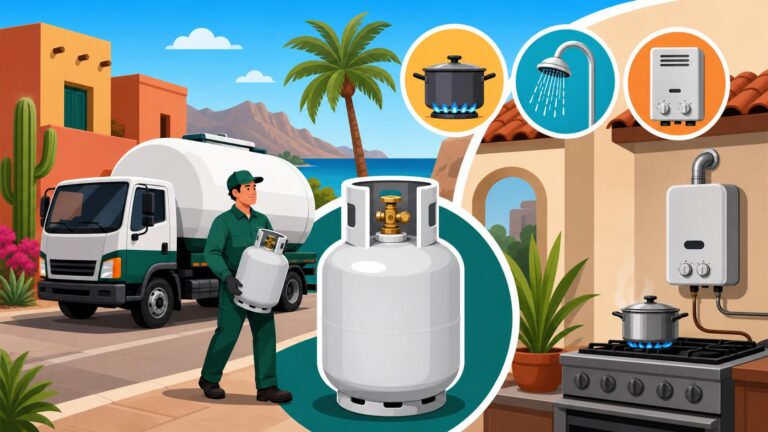
Many buildings rely on stationary gas tanks (gas estacionario) on the roof that must be refilled by calling a local gas truck every few months. If you forget to check the gauge, you will inevitably find yourself taking a freezing cold shower on a Tuesday morning. Furthermore, the electrical grid in older buildings can be fragile, and you are entirely responsible for replacing your own lightbulbs, minor plumbing fixtures, and paying the building maintenance fee (mantenimiento).
Setting up reliable utilities as a foreigner requires massive patience and often involves presenting your original lease, your passport, and your physical resident card at a government office. If you are trying to understand the exact bureaucratic steps required to get your lights turned on without losing your mind, you must carefully study Setting Up Utilities in Mexico: Electricity, Water, and Internet.
Bureaucracy and Setting Up Your Basecamp
Navigating the Mexican administrative system is an endurance test designed to break your spirit. You must abandon your home-country expectations of efficiency and embrace the slow, heavily paper-reliant rhythm of local bureaucracy.
The Visa and Residency Gauntlet
You cannot simply move to Mexico City and live long-term on a tourist visa anymore. The era of the “perpetual tourist” doing border runs every six months is completely dead. Immigration agents at the MEX airport frequently hand out restricted 15-day or 30-day tourist stamps rather than the standard 180 days to anyone they suspect of living in the country illegally.
To legally rent a long-term home, open a bank account, and sign utility contracts, you must secure a Temporary or Permanent Resident Visa based on economic solvency. This requires proving specific income or savings thresholds at a Mexican consulate in your home country long before you book your one-way flight.
The process involves a consular interview abroad, followed by a strict 30-day window upon arriving in Mexico City to exchange your visa sticker for a physical plastic resident card at the local National Institute of Migration (INM) office. To ensure your paperwork is flawless and you survive the initial bureaucratic gauntlet, strictly follow the steps outlined in How to Apply for Temporary Residency in Mexico: Step-by-Step and calculate your exact required thresholds in Mexico Immigration Fees and Costs: Budgeting for Your Residency.
Opening Bank Accounts and Securing an RFC
Integrating into the Mexican financial system is crucial for a sustainable life abroad, but it requires patience. Five years ago, expats routinely lived in Mexico without interacting with the tax authority. Today, securing your Mexican Tax ID, known as the RFC (Registro Federal de Contribuyentes), is an absolute legal requirement for anyone holding a resident card.
Without an RFC, you cannot legally purchase a car, and you cannot open a local bank account. Securing an RFC requires navigating the heavily backlogged digital appointment system of the Mexican tax authority (SAT) and registering your biometric data in person.
Once you have your RFC and resident card, you can walk into a local branch of BBVA or Banorte to open an account. Be prepared to sit with a banking executive for hours, signing dozens of paper forms, to finally gain access to the local instant transfer system (SPEI) which you will use to pay your rent and utilities.
Bypassing the Unfurnished Rental Nightmare
When you sign a long-term lease in CDMX, you must brace for the brutal reality of “unfurnished” (sin amueblar). In Mexico, an unfurnished home often means bare concrete walls, absolutely no kitchen appliances, and frequently no light fixtures or toilet seats. You are entirely responsible for outfitting the functional interior of the home from scratch.
Doing this in your first week by fighting Mexico City traffic to visit local big-box stores is a spirit-breaking endeavor. Local stores often lack premium inventory, and organizing delivery in Spanish with local freight drivers adds massive friction to your move-in process.
To bypass this chaotic retail supply chain, savvy expats digitize their household setup by relying on Amazon Mexico. Instead of hauling a mattress through endless gridlock, you can order a high-quality “mattress in a box,” microwaves, ergonomic desk chairs, and specialized cookware directly through the localized Amazon Mexico platform. Because it operates within the country’s domestic logistics network, your items arrive quickly, allowing you to rapidly transform an empty echo chamber into a functional sanctuary.
Connectivity and the Remote Work Landscape
For digital nomads and remote professionals, the reliability of your internet connection is a matter of absolute career survival. Mexico City has modernized aggressively, but it presents specific infrastructural traps.
Securing Reliable Fiber Optic Internet
Mexico City is highly wired. In the central neighborhoods favored by expats, high-speed fiber-optic internet from providers like Telmex, Izzi, and Totalplay is the absolute standard. You can easily secure residential speeds of 200 to 500 Mbps, making heavy video editing, software coding, and simultaneous Zoom calls completely effortless.
The primary issue is getting the technicians to actually show up to install the line in your new apartment, which can sometimes take weeks of aggressive follow-up phone calls in Spanish. Furthermore, during the heavy summer rains, intense thunderstorms frequently knock out neighborhood power transformers. A ten-minute blackout will instantly kill your router and drop your client call. You must absolutely invest in an Uninterruptible Power Supply (UPS) battery backup for your modem to survive these rolling micro-outages. For a deep dive into mastering these tech strategies, read Digital Nomads in Mexico: Remote Work Guide.
Bridging the Mobile Data Gap Instantly
The absolute worst feeling in the world is standing outside the chaotic Mexico City airport with all your luggage, realizing you have no cellular data to call a secure Uber, check your reservation, or translate a conversation. Relying on your home country’s “free roaming” plan is a highly dangerous gamble, as major carriers frequently throttle data speeds to an unusable crawl.
To guarantee you have immediate, high-speed connectivity the absolute second your plane lands, you must download a localized eSIM profile through Airalo before you even leave your home country. Having a dedicated Airalo data package ready allows your phone to instantly connect to Mexico’s robust Telcel 4G and 5G networks, bypassing the unreliable airport Wi-Fi entirely.
Setting up your Airalo profile provides the ultimate digital safety blanket. If your residential Wi-Fi drops during a crucial presentation, you can instantly tether your laptop to your cellular connection. It also ensures you can navigate the massive, confusing city streets safely without getting lost in dangerous areas.
Co Working Spaces and Finding Community
Working from an apartment in a foreign megacity can quickly lead to intense isolation, depression, and cabin fever. Fortunately, Mexico City has fully embraced the co-working revolution, offering incredible spaces to network, socialize, and escape the confines of your rental.
The city offers a staggering array of massive, corporate WeWork buildings and stunning, independent, plant-filled co-working spaces scattered throughout Roma, Juarez, and Coyoacán. These spaces provide commercial-grade internet, ergonomic setups, and a built-in community of local tech entrepreneurs and foreign creatives.
If you are a remote worker arriving in the city for the first time, booking a desk or a co-living suite at a Selina location provides an instant, plug-and-play community. Utilizing Selina as your initial basecamp ensures you have reliable internet from day one, built-in networking events, and an immediate group of peers who can offer boots-on-the-ground advice about navigating the city’s complex social dynamics.
Transportation and Surviving the Gridlock
Moving your physical body across this sprawling urban landscape requires a high tolerance for chaos and a deep, strategic understanding of the local transit systems.
The Metro and Metrobus Systems
Mexico City traffic is globally infamous. It is a grinding, unrelenting beast that dictates everyone’s daily schedule. To survive, you must master the massive, heavily subsidized public transit network. The CDMX Metro system is one of the cheapest and most extensive in the world, carrying millions of people daily. It is highly efficient for bypassing traffic, but it is incredibly crowded, intensely hot, and pickpocketing is a serious issue during peak hours.
The Metrobús (a dedicated-lane rapid transit bus system) is often the preferred choice for expats navigating the central corridors like Insurgentes. Because it utilizes a dedicated lane, it aggressively bypasses the car traffic gridlock. It feels slightly more secure, is better ventilated, and offers a much more predictable timetable for getting across the city quickly without descending underground.
Ride Sharing Apps and Street Taxis
While public transit is excellent during the day, navigating the city at night requires a different strategy. Hailing unverified, pink-and-white street taxis off the curb in Mexico City carries significant security risks, including “express kidnappings” or aggressive overcharging, and should generally be avoided by expats.
Instead, ride-sharing applications like Uber, DiDi, and Cabify are absolutely ubiquitous, incredibly affordable, and highly secure alternatives. The apps track your route, provide driver identification, and process payments securely without the need for cash. To ensure you can always summon an Uber late at night or track your driver’s exact location during a stressful airport extraction, having an active Airalo data plan running seamlessly on your smartphone is an absolute necessity.
Why You Should Not Buy a Car Here
If you live in the central neighborhoods of Mexico City, you do not buy a car unless you absolutely must. The traffic will ruin your mental health, and finding secure parking is a daily nightmare. Furthermore, the city heavily regulates emissions through the Hoy No Circula program, which dictates specific days of the week you are legally forbidden from driving based on your license plate number to combat the smog.
Between the cost of parking, the constant threat of minor accidents in gridlock, and the incredible affordability of Uber and public transit, owning a personal vehicle is a massive financial and logistical burden that most expats happily abandon.
Healthcare and Medical Infrastructure
Your physical health and ongoing medical maintenance are paramount to a successful relocation. Mexico City offers exceptional, world-class private healthcare that rivals any major global metropolis.
Accessing Elite Private Hospitals
Mexico City is home to the absolute apex of the Mexican private healthcare system. Elite, JCI-accredited facilities like Centro Médico ABC (in Santa Fe and Observatorio), Hospital Ángeles, and Médica Sur operate with clinical standards that frequently surpass hospitals in the US, Canada, or the UK.
They possess the latest diagnostic imaging machines, robotic surgery suites, and are heavily staffed by leading specialists who trained internationally and speak fluent English. If you live in CDMX and suffer a severe cardiac event or require complex trauma surgery, you have immediate access to life-saving, world-class intervention. To understand the massive divide in quality between these elite facilities and the underfunded public system, review Healthcare in Mexico: Complete Guide for Expats Public vs Private.
Pharmacies and Routine Medical Needs
For routine care, such as a severe sinus infection, a sprained ankle, or a tropical stomach bug, the city is incredibly easy to navigate. You can walk into small, clean clinics attached to major commercial pharmacies (like Farmacias del Ahorro or San Pablo) and see a licensed general practitioner for less than $4 USD, receiving your basic prescription on the spot.
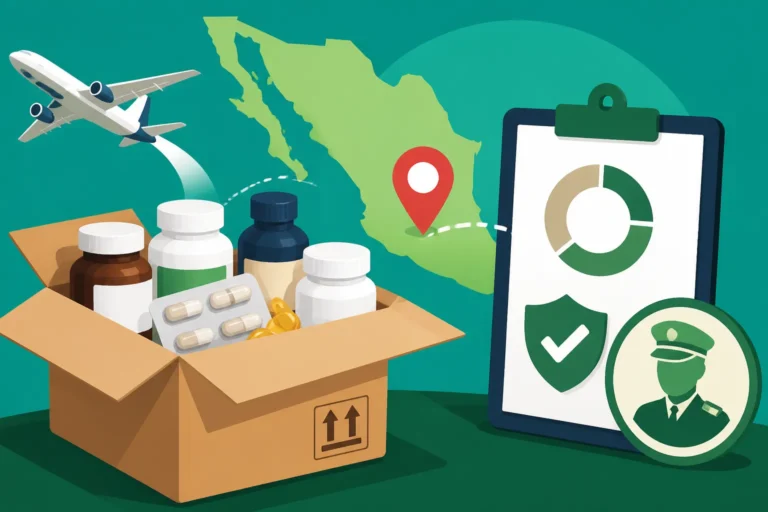
However, if you require highly specialized care or ongoing maintenance medications for chronic conditions, you must learn to navigate the local supply chains. To learn how to locate vetted, bilingual specialists before an emergency strikes, utilize the strategies detailed in Finding English-Speaking Doctors and Specialists in Mexico. For the strict laws regarding importing your medications and understanding local chemical equivalents, consult Pharmacies in Mexico: How to Get Medications OTC vs Prescription.
The Necessity of Catastrophic Health Coverage
Do not be lulled into a false sense of security by the cheap pharmacy consultations. A major medical crisis in a premium private hospital in Mexico City will cost tens of thousands of dollars, and they will mercilessly demand a massive credit card deposit upfront before admitting you to the emergency room.
Relying entirely on out-of-pocket cash for catastrophic medical events is financial suicide. You must secure robust international health coverage to guarantee you have VIP access to these elite hospitals without draining your life savings. A premium policy ensures you bypass the public clinics entirely and are transported directly to a facility equipped to handle complex trauma. To deeply understand the financial mechanics of this catastrophic medical protection, review Choosing Private Health Insurance: Local Mexican Plans vs International Coverage.
References
Primary sources (official)
- Secretaría de Turismo de la Ciudad de México: The official municipal portal for tourism and economic development in the capital, detailing cultural events, neighborhood profiles, and city infrastructure. https://mexicocity.cdmx.gob.mx/
Other helpful sources
- Numbeo: A crowd-sourced, constantly updated database providing granular, real-time comparisons of rent, grocery costs, and local purchasing power in the capital. https://www.numbeo.com/cost-of-living/in/Mexico-City
- ExpatDen: A firsthand, highly detailed expat blog breaking down the specific lifestyle differences, air quality concerns, and transit realities of the megacity. https://www.expatden.com/mexico/living-in-mexico-city/
Disclaimer
The information provided in this comprehensive guide is for educational, logistical, and informational purposes only and does not constitute formal immigration, legal, real estate, or medical advice. The cost of living, rental market prices, and public transit conditions in Mexico City are highly volatile and subject to rapid economic shifts and intense gentrification. Always consult with a certified bilingual Mexican attorney or a registered immigration facilitator before signing long-term leases, and thoroughly verify your international health insurance coverage networks before relocating abroad.