Senior Care in Mexico: Assisted Living and Home Care Options
Relocating to Mexico for retirement offers incredible benefits, but planning for future healthcare needs is crucial. This comprehensive guide explores the growing landscape of senior care in Mexico, detailing assisted living facilities, in-home nursing options, costs, and cultural differences to help you secure a safe, dignified retirement abroad.
Disclosure: This post may contain affiliate links. We may earn a commission at no extra cost to you if you make a purchase through these links. Read full disclosure.
The Landscape of Senior Care in Mexico
When planning for long-term retirement in a foreign country, understanding the host nation’s cultural approach to aging is the foundational step. Mexico offers a deeply compassionate environment for seniors, though the physical infrastructure of elder care operates differently than in North America or Europe.
Cultural Attitudes Toward Aging and Care
In Mexico, the cultural paradigm regarding aging is deeply rooted in strong familial bonds and multi-generational households. Historically, placing an elderly relative in a formalized care facility, known locally as an asilo, was viewed as an absolute last resort, often carrying a degree of social stigma. The societal expectation has long been that adult children will care for their aging parents at home until the very end. Consequently, the domestic market for commercial, large-scale nursing homes developed at a much slower pace compared to the United States or Canada, where institutionalized senior care has long been normalized.
However, this landscape is rapidly shifting. As younger Mexican generations increasingly move to urban centers for career opportunities and the country’s middle class expands, the demand for high-quality, formalized senior care is surging. Expatriates arriving in Mexico will find a beautiful, transitional environment. While the deep, cultural respect and inherent warmth toward the elderly remain beautifully intact—caregivers here are often incredibly affectionate, patient, and deeply invested in their patients’ emotional well-being—the physical infrastructure of senior care is still developing and modernizing. Expats must navigate this unique blend of deeply compassionate personal care and an evolving regulatory framework when seeking long-term assisted living solutions.
The Growth of Expat Focused Facilities
Recognizing the massive, continuous influx of North American and European retirees, specific regions in Mexico have seen an absolute boom in expat-focused senior care facilities. Areas like Lake Chapala, Ajijic, San Miguel de Allende, and the Riviera Maya are now home to specialized assisted living communities that cater almost exclusively to the international demographic. These facilities are intentionally designed from the ground up to bridge the gap between Mexican affordability and stringent North American expectations of comfort, safety, and modern amenities.
These expat-centric communities often feature lush, resort-style environments rather than sterile, hospital-like clinical settings. They offer private casitas or highly accessible apartments, communal dining rooms featuring familiar international cuisine, and a wide array of social activities ranging from water aerobics to art classes and language exchanges. More importantly, these facilities intentionally hire bilingual staff and management, ensuring that foreign residents can communicate their daily needs effortlessly. By focusing heavily on this niche market, these communities provide a safe, culturally familiar haven for retirees who want to enjoy the spectacular Mexican climate while securing highly reliable, long-term physical care.
Navigating the Language Barrier in Senior Care
While expat-focused facilities heavily prioritize English-speaking staff, language remains a critical consideration and a potential vulnerability for any retiree planning their long-term care in Mexico. If a senior suddenly requires complex medical attention, emergency stabilization, or highly specialized memory care, they will inevitably need to interact with local Mexican specialists, physical therapists, or emergency responders who only speak Spanish. For individuals experiencing cognitive decline, extreme pain, or severe illness, the inability to communicate in their native language can cause immense psychological distress and potentially compromise their clinical safety.
To mitigate this massive risk, families must be fiercely proactive. When evaluating any care facility or hiring in-home help, verifying the exact level of English fluency among the direct caregivers—not just the smiling administrative directors who handle the marketing—is absolutely essential. Creating permanently translated medical dossiers and utilizing bilingual patient advocates can also successfully bridge the gap. For a broader, highly actionable strategy on managing these critical medical communications, reviewing Overcoming Language Barriers at the Doctor: Tips for Expats provides invaluable context for ensuring a senior’s voice is always heard, respected, and clinically addressed.
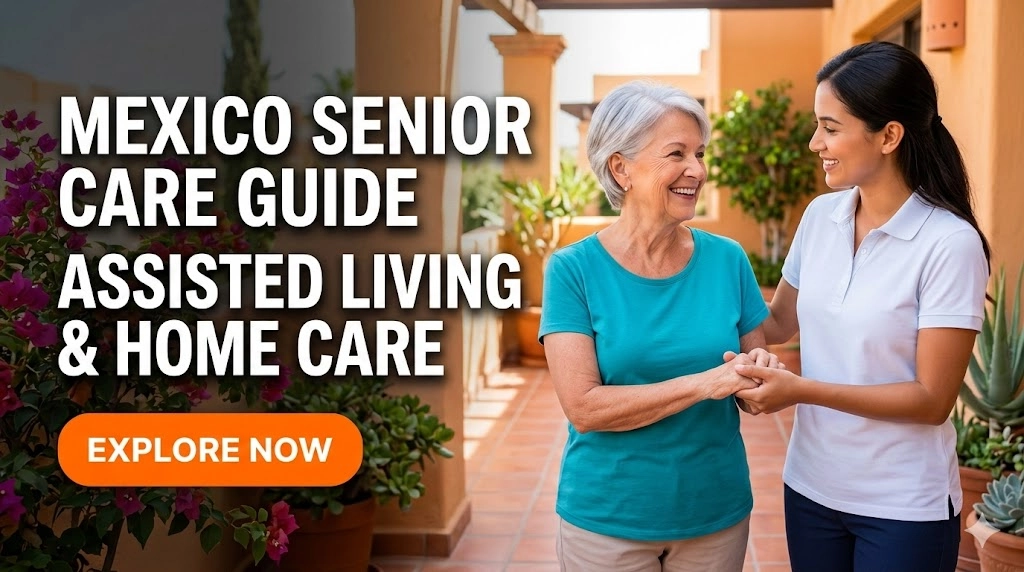
Assisted Living Facilities Asilos in Mexico
The decision to transition into an assisted living facility is monumental. In Mexico, the options range widely in quality, price, and clinical capability, requiring expats and their families to conduct rigorous, boots-on-the-ground research.
What to Expect from Mexican Assisted Living
The standard of assisted living in Mexico can vary wildly, requiring rigorous vetting by prospective residents or their distant families. At the lower end of the spectrum, traditional asilos funded by local charities or the government provide basic room, board, and supervision for the impoverished, but they almost universally lack modern medical amenities and are generally entirely unsuitable for expats accustomed to premium care. Conversely, the high-end private sector offers sprawling facilities that easily rival luxury continuous care retirement communities in Florida, Arizona, or California.
In a premium Mexican assisted living facility, residents can expect comprehensive, deeply dignified daily support. This typically includes gentle assistance with activities of daily living (ADLs) such as bathing, dressing, personal grooming, and strict medication management. The staff-to-patient ratio in Mexico is often significantly better than in North America due to the lower cost of labor, allowing for highly attentive, deeply personalized care rather than rushed, quota-driven check-ins. Premium facilities usually employ an on-site general practitioner and have 24/7 registered nursing staff to handle immediate medical needs, coordinating seamlessly with local private hospitals for complex emergencies. Understanding the broader medical network these facilities rely on is vital, a complex topic thoroughly covered in Healthcare in Mexico: Complete Guide for Expats (Public vs Private).
Memory Care and Specialized Facilities
For seniors dealing with Alzheimer’s disease, advancing dementia, or other severe cognitive impairments, specialized memory care is an absolute, non-negotiable necessity. Finding high-quality memory care in Mexico requires deeper, more specialized research, as this is a highly specific medical niche that not all general assisted living facilities are equipped to handle safely. The best facilities in major expat hubs have actively begun implementing dedicated, secure memory care wings. These wings feature secure perimeters to prevent dangerous wandering, specialized sensory engagement therapies, and staff trained specifically in compassionate de-escalation and dementia support.
When evaluating a memory care unit in Mexico, it is absolutely crucial to inquire deeply about their specific clinical protocols. Do they rely heavily on chemical restraints (sedative medications) to manage difficult behavior, or do they prioritize gentle behavioral redirection and engaging, meaningful activities? Because Mexico’s holistic approach to wellness often bleeds positively into formal medical care, many top-tier memory care facilities incorporate daily music therapy, supervised pet therapy, and heavily monitored outdoor garden access to drastically improve the residents’ quality of life. Families managing these complex, heartbreaking conditions should also review Managing Chronic Illness in Mexico: Access to Medication and Specialists to clearly understand how necessary ongoing psychiatric prescriptions are legally sourced.
Evaluating Facility Standards and Accreditations
Unlike the highly standardized, heavily regulated, and rigorously inspected nursing home industry in the United States or the UK, the regulatory oversight for private assisted living in Mexico is still developing and can be highly fragmented. While facilities must legally be registered with local state health authorities and COFEPRIS (the federal health commission), the physical enforcement of quality standards and routine surprise inspections can be inconsistent. Therefore, the immense burden of due diligence falls squarely on the family.
When touring a facility, expats should treat the visit as a rigorous, uncompromising audit. Ask to physically see their licensing documentation and intensely inquire about their emergency evacuation plans (especially in earthquake-prone zones like central Mexico). Observe the cleanliness of the communal areas, the nutritional quality of the food being served, and most importantly, the genuine demeanor of the staff interacting with current residents when they think no one is watching. Word-of-mouth recommendations within the local, established expat community are often the most reliable indicator of a facility’s true, day-to-day quality. Speak privately with families of current residents to gauge their actual satisfaction and uncover any hidden administrative or clinical issues before signing a binding long-term contract.
In-Home Care and Nursing Options
For a massive segment of the expatriate population, the ultimate retirement goal is to “age in place” within the comfort, privacy, and familiarity of their own Mexican home, avoiding institutionalized care entirely.
Hiring Private Nurses and Caregivers
The profound affordability of highly skilled labor in Mexico makes full-time, dedicated in-home care an incredibly accessible reality, whereas it would be a financially crippling luxury for the average family in North America. Expats can easily hire enfermeras (licensed registered nurses) or cuidadores (basic caregivers) to provide absolutely everything from basic companionship and light housekeeping to 24/7 intensive, life-saving medical monitoring.
The specific level of physical care needed dictates the exact type of professional required. A cuidador is ideal for a senior who is generally healthy but needs daily assistance with grocery shopping, meal preparation, medication reminders, or physical mobility around the house to prevent fall risks. If the senior requires intravenous medications, complex wound care, catheter management, or severe chronic disease management, hiring a fully licensed, university-educated enfermera is strictly necessary. These medical professionals often work in rotating 12-hour or 24-hour shifts, ensuring the vulnerable patient is never left unattended. This level of personalized, highly dedicated, one-on-one attention is a massive, life-changing benefit of retiring in Mexico, providing profound peace of mind for both the senior and their distant, worried relatives.
Managing Payroll and Legal Responsibilities
Hiring full-time in-home help introduces a complex layer of administrative and legal responsibility that expats must manage carefully and lawfully. When you hire a full-time caregiver or nurse to work in your home in Mexico, you become a formal, recognized employer under Mexican labor law (Ley Federal del Trabajo). This legal status means you are strictly obligated to provide specific, non-negotiable benefits, including a guaranteed Christmas bonus (aguinaldo), paid vacation days, severance pay upon termination, and mandatory enrollment in the public social security system (IMSS) for your employee.
Attempting to pay domestic medical workers entirely “under the table” in cash to avoid these bureaucratic obligations is highly illegal, unethical, and incredibly risky; it can easily lead to severe labor disputes, massive fines, or devastating lawsuits down the line. To manage these regular salary payments and benefits legally and efficiently, smart expats heavily utilize financial platforms like Wise. By converting foreign pension funds into Mexican Pesos at the mid-market rate through Wise, expats can seamlessly and instantly transfer salaries directly into their caregiver’s local bank account, maintaining a clear, irrefutable, digitized financial record of their strict employment compliance.
Integrating Holistic Wellness and Routine Care
Aging in place allows seniors to maintain absolute, uncompromising control over their physical environment, daily diet, and personal routine. To maximize their quality of life and immune health, many health-conscious expats intentionally blend the professional medical support of their in-home nurses with highly proactive holistic wellness strategies. Because finding highly specific, premium nutritional support or specialized organic products can sometimes be frustratingly challenging in local Mexican pharmacies, expats frequently rely on international logistics to maintain their regimens.
Through platforms like iHerb, seniors can easily and securely order specialized joint-support supplements, high-quality Omega-3 fish oils, specific strains of refrigerated probiotics for digestive health, and hypoallergenic personal care items delivered directly to their Mexican address. The trusted in-home caregiver can then manage the daily, scheduled administration of these imported supplements strictly alongside locally prescribed pharmaceuticals. This beautifully integrated approach ensures the senior remains physically resilient and comfortable, perfectly complementing the traditional medical guidance detailed in Pharmacies in Mexico: How to Get Medications (OTC vs Prescription).
Financial Planning for Senior Care
The decision to retire and age in Mexico is heavily driven by financial pragmatism. However, successfully navigating the final decades of life abroad requires moving beyond simple assumptions about “cheap living” and building a highly resilient, realistic long-term budget.
Out of Pocket Costs vs North American Prices
The immense financial relief associated with premium senior care in Mexico is the primary catalyst for the massive wave of retirement immigration. The cost differentials are simply staggering and life-altering. In the United States, a standard private room in a premium assisted living facility can easily cost between $5,000 and $8,000 USD per single month, while full-time, specialized memory care often exceeds a crippling $10,000 USD monthly. In stark contrast, high-quality, expat-focused assisted living facilities in Mexico generally range from $1,500 to $3,500 USD per month, entirely inclusive of all meals, laundry, housekeeping, and daily nursing oversight.
In-home care presents an even more dramatic, beneficial financial contrast. Hiring a dedicated 24/7 team of licensed private nurses in the US is a luxury strictly reserved for the ultra-wealthy, easily costing over $15,000 USD a month. In Mexico, a highly trained, dedicated team of rotating registered nurses can typically be retained for $1,200 to $2,500 USD per month. This incredible affordability allows expats living on standard, fixed pensions to access a level of highly personalized, dignified care that would be entirely out of reach, and potentially bankrupting, in their home countries.
| Senior Care Option | Estimated Monthly Cost USA (USD) | Estimated Monthly Cost Mexico (USD) |
| Standard Assisted Living (Private Room) | $5,000 – $8,000 | $1,500 – $3,000 |
| Specialized Memory Care Unit | $8,000 – $12,000+ | $2,500 – $4,500 |
| Full-Time In-Home Caregiver (Non-Medical) | $6,000 – $10,000 | $800 – $1,500 |
| 24/7 Registered Nursing at Home | $15,000 – $20,000+ | $1,500 – $3,000 |
For a broader, granular understanding of how these favorable everyday costs translate to sudden clinical interventions and emergency hospital stays, expats should deeply review Healthcare Costs in Mexico: Doctor Visits, Hospital Stays, and Surgery Expenses.
The Limitations of Medicare and Public Systems
Financial planning for senior care requires a stark, uncompromising realization: U.S. Medicare does absolutely not cover medical expenses, assisted living facility costs, or pharmaceutical drugs purchased in Mexico. For American retirees, crossing the southern border means leaving their primary, lifelong medical safety net completely behind. While Canadian provincial health plans offer minor, highly restricted reimbursements for acute emergency care abroad, they similarly provide zero coverage for long-term senior care facilities or foreign in-home nursing.
Some expats attempt to cut corners by utilizing the Mexican public system (IMSS) through voluntary enrollment. While IMSS does provide cheap access to public hospitals and basic generic medications for those who pass the strict medical underwriting, it is completely unequipped to handle specialized, long-term senior housing or provide premium in-home nursing. Relying on IMSS for comprehensive senior care is generally not a viable or safe strategy for expats seeking comfort, rapid intervention, and dignified aging.
Utilizing International Health Insurance for Seniors
Because public systems and foreign Medicare fail to provide long-term security abroad, highly proactive expats must secure alternative, robust coverage. To protect against the terrifying, catastrophic costs of severe medical emergencies—such as a major stroke, a fractured hip requiring immediate orthopedic surgery, or a complex oncology diagnosis—premium international health insurance is absolutely vital.
World-class providers like Cigna Global offer comprehensive, globally portable policies engineered specifically for expatriates. While international health insurance typically does not cover the daily room-and-board costs of an assisted living facility, a robust Cigna Global policy will comprehensively cover the massively expensive private hospital surgeries, emergency ambulance transport, and specialized intensive care that seniors frequently require. Securing this coverage ensures that a sudden medical crisis does not instantly wipe out the cash savings designated for the senior’s daily assisted living fees. Navigating the complex underwriting process for these policies at an advanced age is difficult, making resources like Pre-Existing Conditions: Will Mexican Health Insurance Cover You? essential reading for prospective retirees.
Transitioning and Legal Considerations
Moving an elderly loved one to Mexico, or planning for your own advanced aging abroad, requires meticulous navigation of immigration laws and legal frameworks that govern end-of-life care.
Visas and Legal Residency for Retirees
Relocating to an assisted living facility or hiring full-time staff in Mexico requires formalizing your legal immigration status. Operating perpetually under a 180-day tourist visa (FMM) is completely legally unviable and highly dangerous for long-term senior care. Expats must formally apply for either Temporary or Permanent Residency. Fortunately, the Mexican government offers a highly streamlined residency pathway specifically designed for foreign retirees, requiring applicants to simply prove a steady, guaranteed monthly pension or sufficient liquid savings to support themselves without illegally working locally.
Securing a Permanent Resident card is the ultimate goal. It grants the senior the exact same legal rights as a Mexican citizen (excluding voting), allowing them to sign binding long-term facility contracts, legally hire domestic nurses, open local bank accounts, and enroll in local healthcare programs. Family members managing the transition for an aging parent must initiate this visa process at a Mexican consulate in their home country well before attempting to move the fragile senior across the border.
Establishing Medical Directives and End-of-Life Care
Navigating end-of-life care in a foreign legal jurisdiction requires meticulous, highly localized administrative planning. Advanced healthcare directives, Do Not Resuscitate (DNR) orders, or Living Wills established in the US, Canada, or Europe are generally not legally binding in Mexico. Expats must proactively work with a licensed Mexican Notario Público to draft a Voluntad Anticipada (Advance Directive) under local state law. This critical legal document explicitly outlines the senior’s firm wishes regarding life support, artificial intubation, and palliative care, ensuring that local Mexican doctors legally honor their medical preferences during a critical emergency.
Furthermore, families should openly discuss and legally document protocols regarding repatriation. If the senior deeply wishes to be buried in their home country, navigating the international transport of remains requires intense coordination with both the Mexican health authorities and the home country’s embassy. Having these difficult, heartbreaking conversations and ensuring all legal documents are translated into Spanish and notarized locally prevents immense legal paralysis and bureaucratic nightmares during a time of profound grief.
Creating a Local Support Network
The ultimate success of transitioning a senior to full-time care in Mexico relies entirely on the strength and reliability of their localized support network. Simply placing an aging parent in a beautiful facility and returning to the US or Europe is a recipe for isolation, depression, and logistical failure. Someone must be physically present locally to act as the senior’s fierce advocate.
If family members cannot live nearby, they must hire a dedicated, bilingual care manager or professional patient advocate. These professionals act as the distant family’s trusted proxy, conducting unannounced wellness visits to the assisted living facility, accompanying the senior to specialized medical appointments, managing local pharmacy runs, and translating complex medical updates from local doctors. By establishing this robust, multi-layered network—combining excellent local facilities, secure financial tools, and dedicated personal advocacy—families can ensure their loved ones enjoy a safe, dignified, and profoundly comfortable retirement in Mexico. For a guide on finding the exact right medical professionals to anchor this network, review Finding English-Speaking Doctors and Specialists in Mexico.
References
Primary sources (official)
- Instituto Nacional de las Personas Adultas Mayores (INAPAM): https://www.gob.mx/inapam
- Mexican Ministry of Health (Secretaría de Salud) – Geriatric Care: https://www.gob.mx/salud
Other helpful sources
- U.S. Embassy & Consulates in Mexico – Retiring in Mexico Guidelines: https://mx.usembassy.gov/
Disclaimer
The information provided in this article is for educational and informational purposes only and does not constitute formal medical, legal, or financial advice. Healthcare regulations, assisted living facility standards, labor laws regarding caregivers, and insurance underwriting policies in Mexico are subject to frequent changes without notice. Always consult directly with a qualified medical professional, a certified Mexican Notario Público, and a reputable international insurance broker to thoroughly evaluate your personal health needs and legal responsibilities before making decisions regarding senior care abroad.