Insuring Children in Mexico: Family Plans vs Individual Policies
Moving to Mexico with your children is an incredible adventure, but one of the biggest anxieties many expat parents face is ensuring their little ones are covered if they get sick or have an accident. Navigating a new healthcare system and figuring out the best insurance options – whether a family plan or individual policies for the kids – can feel like an overwhelming task. This comprehensive guide will walk you through everything you need to know to make an informed decision about insuring your children in Mexico, providing peace of mind so you can focus on building your new life.
Disclosure: This post may contain affiliate links. We may earn a commission at no extra cost to you if you make a purchase through these links. Read full disclosure.
The Unique Challenges of Insuring Children in Mexico
Let's be real, parenthood comes with its own set of worries, and when you add an international move to the mix, those worries multiply. Suddenly, every sniffle, every scraped knee, every unfamiliar rash becomes a potential crisis when you're in a new country. Mexico's healthcare system offers excellent care, but it’s different, and that difference can be daunting when it comes to your kids.
Why Children's Health is a Top Priority for Expat Parents
For expat parents, a child’s health isn't just a priority; it's the priority. When you’re far from your familiar doctors and support networks, the thought of your child getting seriously ill or injured can be truly terrifying. You want to know that if something happens, they'll have access to the best possible care, quickly and efficiently. This isn't just about finding a good doctor; it's about understanding the entire process, from emergency services to follow-up care.
Many parents worry about the quality of care, language barriers, and how quickly they can get appointments. Will the doctors understand their child's medical history? Will the hospital staff speak English in an emergency? These are valid concerns that weigh heavily on parents, and good health insurance is the foundation of alleviating many of these anxieties. It's about knowing you have a safety net, allowing you to breathe a little easier as your family settles into their new life.
Navigating the Mexican Healthcare System with Kids
The Mexican healthcare system can feel like a labyrinth at first. You've got public options like IMSS, private hospitals, walk-in clinics at pharmacies, and a whole spectrum of specialists. For adults, it might be easier to wing it and pay out-of-pocket for minor issues, but with children, you simply can't take that risk. Pediatric care in Mexico is generally excellent, especially in private hospitals and clinics, but knowing where to go, who to trust, and how much it will cost before an emergency strikes is crucial.
Understanding the difference between a general practitioner (GP) and a pediatrician, whether you need a referral to see a specialist, and how to get medications (OTC vs Prescription) are all essential aspects of being a responsible expat parent. It’s not just about the cost, but about access and quality of care, especially when you need it most.
Common Concerns for Expat Parents
Beyond the immediate medical needs, expat parents often express a range of other concerns related to insuring their children. There's the fear of pre-existing conditions not being covered, particularly for children who might have allergies, asthma, or other ongoing health issues. What if your child needs regular check-ups or vaccinations that aren't covered? What about dental care in Mexico or vision care in Mexico for growing eyes?
Another common worry is the administrative burden. Dealing with insurance claims in a foreign language can be a nightmare. You're trying to comfort a sick child while simultaneously attempting to understand complex medical bills and insurance paperwork. It's a scenario no parent wants to face, which is why a straightforward and accessible insurance plan is so invaluable. These concerns highlight the need for a truly comprehensive solution that understands the unique needs of mobile families.
Understanding Family Health Insurance Plans for Expats
When considering health insurance for your children in Mexico, one of the first options that comes to mind is a family health plan. These plans are designed to cover multiple family members under a single policy, often simplifying administration and offering cost advantages.
Benefits and Drawbacks of Family Policies
Family health insurance plans often provide a sense of convenience. You have one policy number, one renewal date, and usually a single point of contact for all your family's medical needs. This can significantly reduce the administrative headache of managing separate policies for each family member, especially when you're already juggling so much as an expat. Many family plans also come with a cumulative sum insured, meaning the entire family shares a larger coverage limit, which can be beneficial if one child has a serious medical event. Some plans even offer discounts when you add more dependents, making them potentially more cost-effective than multiple individual policies.
However, family plans aren't without their drawbacks. If one family member utilizes a significant portion of the shared coverage limit, it can leave less available for others. For instance, if one child has a chronic illness in Mexico or a major accident, the family's shared coverage might be depleted quickly. Premiums for family plans are typically calculated based on the oldest member of the family, or an average age, which might mean you pay more for younger, healthier family members than you would on an individual plan specifically tailored to their lower risk profile. Additionally, if you have an adult child who no longer lives at home or is financially independent, including them in a family plan might not be the most economical choice.
How Family Plans Work in Mexico
In Mexico, private health insurance providers like GNP, AXA, and other major insurers offer various family plan options. These plans generally cover a range of services, including doctor visits, hospital stays, surgeries, and sometimes even dental and vision, depending on the specific policy chosen. When you enroll in a family plan, you typically provide information for all family members, including names, dates of birth, and any pre-existing conditions. The insurer then assesses the risk for the entire group and calculates a combined premium.
Many family plans operate on a reimbursement basis, meaning you pay for services upfront and then submit a claim to the insurance company. However, for larger procedures or hospitalizations, direct billing is often possible if you use a hospital within the insurer's network. It's crucial to understand the network of hospitals and clinics associated with the plan, as out-of-network care usually incurs higher out-of-pocket costs. Always ask for a detailed list of covered hospitals, especially those with pediatric departments, and confirm if there are English-speaking doctors and specialists in Mexico within their network, as this can make a world of difference during stressful times.
Comparing Coverage: What to Look for in a Family Plan
When evaluating family health plans, delve deep into the specifics. Don't just look at the premium; scrutinize the coverage. Here’s what to consider:
- Deductibles and Co-payments: How much do you have to pay out of pocket before the insurance kicks in, and what percentage do you pay for each service? These can vary wildly and significantly impact your actual costs.
- Annual and Lifetime Limits: Is there a cap on how much the plan will pay out in a year or over the lifetime of the policy? For serious illnesses, these limits can be critical.
- In-patient vs. Out-patient Coverage: Does the plan cover hospital stays comprehensively? What about doctor visits, lab tests and blood work in Mexico, and specialist consultations outside of a hospital admission?
- Emergency Services: What is covered in a medical emergency in Mexico, including ambulance services? This is non-negotiable for families.
- Maternity and Newborn Care: If you plan on having more children, ensure the plan covers maternity and having a baby in Mexico, and how newborns are added to the policy.
- Vaccinations and Well-Child Visits: Regular check-ups and immunizations are vital for children. Are these covered, and if so, to what extent?
- Geographic Coverage: Does the plan cover you only in Mexico, or does it offer international coverage for trips back home or to other countries? Some families opt for international health insurance for expats in Mexico to ensure continuous coverage, no matter where they travel.
- Exclusions and Waiting Periods: Be vigilant about what's not covered and any waiting periods for certain treatments, especially for pre-existing conditions.
A clear understanding of these points will help you gauge the true value and suitability of any family plan for your children and overall household health needs.
Exploring Individual Health Insurance Policies for Children
While family plans offer collective coverage, sometimes an individual health insurance policy for a child can be a more tailored and even more cost-effective solution, depending on your family's unique circumstances.
When an Individual Policy Makes Sense
An individual policy for a child might be particularly appealing in several scenarios. Perhaps you, as the parent, have fantastic coverage through your employer, but it doesn't extend to dependents in Mexico, or the cost to add them is prohibitive. In such cases, securing a separate, robust plan for your child could bridge the gap. It's also a strong consideration if your child has specific medical needs that might be better addressed by a standalone policy that allows for customized benefits or a more direct relationship with the insurer regarding their unique health requirements.
Another situation where individual policies shine is when there's a significant age gap between family members, or if one parent is much older. Since family plan premiums often hinge on the eldest member, an individual policy for a young child might be significantly cheaper, as their risk profile is usually lower. If you have an older child who is nearing the age limit for dependent coverage on a family plan, transitioning them to an individual policy early might offer better continuity of care and more affordable rates in the long run.
Advantages and Disadvantages of Standalone Policies
The primary advantage of an individual policy is its specificity. The coverage, deductible, and benefits are all tailored directly to the child named on the policy. This can lead to lower premiums for healthy children, as you're not subsidizing the higher risk of older family members. It also means that the coverage limits are dedicated solely to that child, so one family member's extensive medical needs won't deplete the funds available for another. Furthermore, if you decide to leave Mexico at different times, individual policies offer more flexibility in terms of cancellation or transfer.
However, individual policies introduce more administrative work. You'll have separate policies to manage, each with its own premium, renewal date, and claims process. This can become cumbersome if you have multiple children. There's also the potential risk that if one child develops a serious illness, securing a new individual policy for a subsequent child might be more difficult or expensive due to new pre-existing condition clauses. The overall cost might also be higher if you end up buying individual policies for every family member instead of leveraging a multi-member discount on a family plan.
Finding the Right Individual Coverage for Your Child
When seeking an individual health insurance policy for your child, the process is similar to finding any health insurance but with an added focus on pediatric specifics. Start by looking for providers that have strong networks with private hospitals in Mexico and clinics known for their excellent pediatric departments. Many international providers offer plans that can be tailored for individuals, including children, often providing more flexibility and potentially broader geographic coverage.
You'll need to provide your child's medical history, including any past illnesses, surgeries, or ongoing treatments. Be prepared for potential waiting periods for certain conditions or treatments, particularly if there are pre-existing conditions. Always inquire about:
- Pediatric specialist access: How easy is it to see a pediatrician or child specialist? Is a referral always needed?
- Routine care: Does the policy cover regular check-ups, growth monitoring, and mandatory vaccinations?
- Emergency coverage: Ensure robust coverage for accidents and urgent care, including transportation.
- Out-of-pocket maximums: Understand the maximum you could possibly pay in a year to avoid financial shocks.
A well-researched individual plan can offer excellent, focused protection for your child, giving you confidence in their healthcare no matter what life in Mexico throws your way.
Key Factors When Choosing Insurance for Your Child in Mexico
Deciding on the right health insurance for your child in Mexico is not just about family versus individual plans; it involves a deeper dive into the nuances of coverage, cost, and practicality. These are the critical elements that expat parents must consider.
Pre-Existing Conditions and Age Restrictions
This is often one of the biggest headaches for expat families. If your child has a pre-existing condition, like asthma, diabetes, or even a history of severe allergies, getting it covered can be a challenge. Many insurance policies, both local and international, will have waiting periods for pre-existing conditions, or they may exclude them entirely. It's vital to be completely transparent about your child's medical history during the application process. Trying to conceal information can lead to claim denials later on, leaving you in a dire situation.
Some specialized plans might offer coverage for pre-existing conditions after a certain waiting period, or if they were stable for a significant time prior to enrollment. It's worth comparing multiple options and even consulting with an insurance broker who specializes in expat health insurance. Age restrictions also come into play. Most plans have an upper age limit for children to be covered as dependents, typically around 21 or 23 if they are students. For older dependents, they would need their own individual policy, making the distinction between family and individual plans even more relevant. This makes careful planning paramount, especially if your child requires ongoing medical support or medication for managing chronic illness in Mexico.
Network of Hospitals and English-Speaking Doctors
Imagine your child has a high fever in the middle of the night, and you're rushing to an emergency room. The last thing you want is to be worried about whether the hospital is covered by your insurance or if you'll be able to communicate with the medical staff. The quality of care in Mexico is generally very good, particularly in private hospitals. However, the network of hospitals and clinics associated with your chosen insurance plan is a critical factor. Larger, more reputable hospitals like those in the Hospital Ángeles network or Médica Sur in Mexico City are often preferred, but you need to confirm if they are in your plan's network.
Equally important is the availability of English-speaking doctors and specialists. While many doctors in major expat hubs and tourist areas do speak English, it's not a guarantee, especially outside of big cities. Your child's pediatrician, specialists, and even the administrative staff at clinics and hospitals need to be able to communicate effectively with you. Before committing to a plan, ask for a list of preferred providers and check their language capabilities. This can dramatically reduce stress during medical appointments and emergencies, making your experience with Navigating Hospitals and Clinics in Mexico much smoother.
Cost vs. Coverage: Striking the Right Balance
Ultimately, your decision will likely come down to finding that sweet spot between what you pay in premiums and what you get in coverage. Cheaper plans might have higher deductibles, more co-pays, and stricter limitations, potentially leaving you exposed to significant out-of-pocket costs during a serious illness or accident. Conversely, the most expensive plans might offer comprehensive, no-deductible coverage, but the premiums could strain your budget.
Consider your family's overall health and risk tolerance. If your children are generally healthy and you have a solid emergency fund, a plan with a higher deductible might be acceptable. If your children have known health issues or you prefer maximum peace of mind, investing in a more robust plan is probably a better choice. Don't forget to factor in other potential healthcare costs, such as routine dental care and vision care. It’s also wise to consider the long-term cost of private health insurance: How Much Does Private Health Insurance Cost in Mexico?
It's about making an informed decision that aligns with both your financial capacity and your desire for robust medical protection for your precious little ones. Sometimes, a slightly higher premium is a small price to pay for genuine peace of mind, especially when it comes to your children's health.
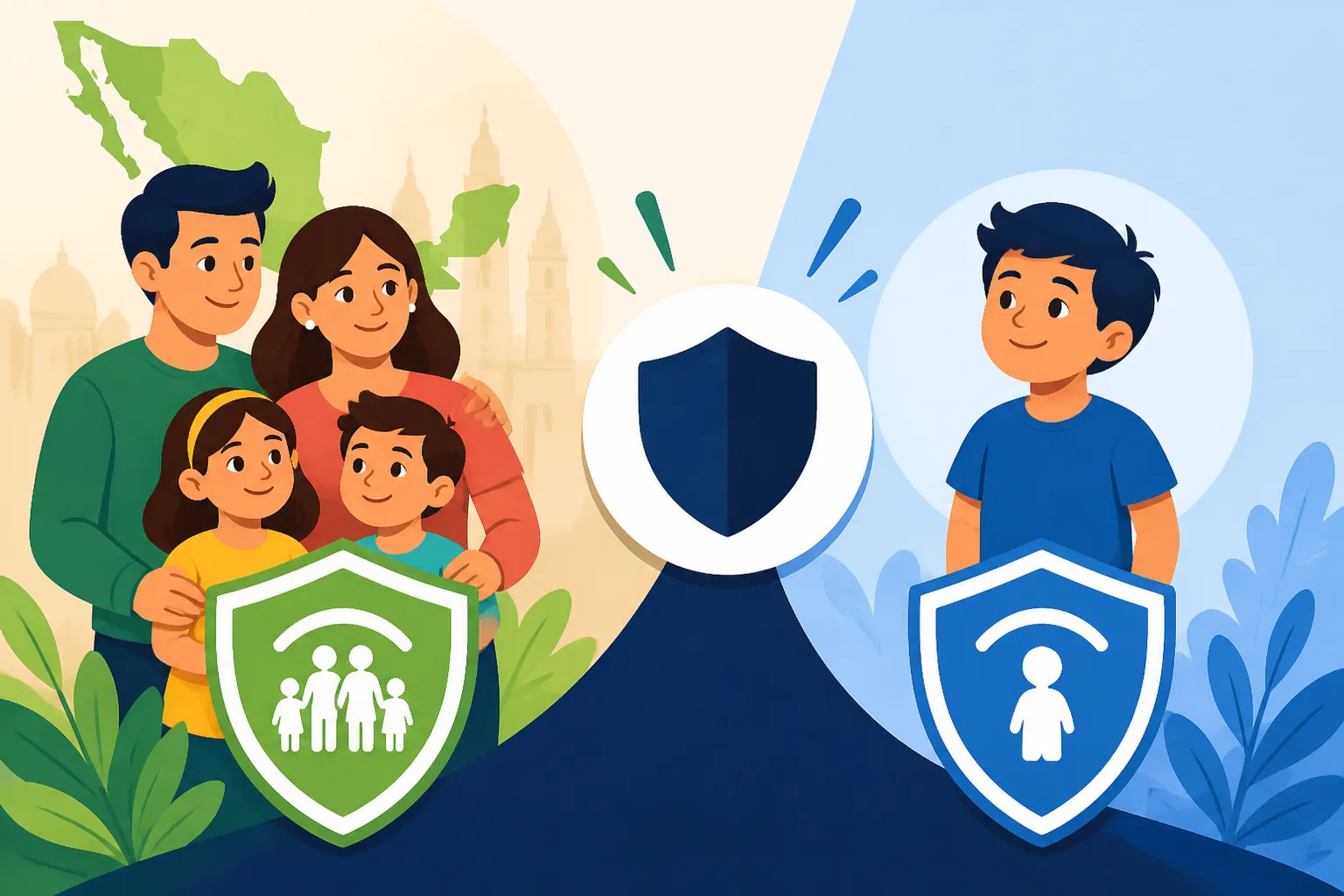
Here's a quick comparison table to help visualize the differences:
| Feature | Family Health Insurance Plan (Typical) | Individual Health Insurance Policy (Typical) |
|---|---|---|
| Premiums | Often based on oldest member or average age; potential multi-member discounts. | Tailored to individual's age & health; potentially lower for young, healthy children. |
| Coverage Limit | Shared among all family members; one pool of funds. | Dedicated solely to the insured child. |
| Administrative Ease | One policy, one renewal, one point of contact. | Separate policies, renewals, and contacts per child. |
| Flexibility | Less flexible if family members have differing needs or exit strategies. | More flexible; easier to customize or cancel for one child. |
| Risk Distribution | High utilization by one member affects others' available coverage. | Utilization for one child does not impact another's coverage. |
| Adding New Children | Often easier to add newborns, possibly with reduced waiting periods. | New applications for each child, subject to new underwriting. |
| Pre-Existing Conditions | May apply to all members or have specific clauses. | Specific to the individual child. |
Introducing Flexible and Comprehensive Options for Expat Families
In the past, expat health insurance options could feel a bit rigid, but the landscape is evolving. For families living abroad, especially those who might travel frequently or have uncertain long-term plans, flexibility and global coverage have become paramount.
The Rise of International Health Insurance
Gone are the days when you had to choose between a strictly local Mexican plan or a ridiculously expensive global plan from a traditional insurer. The market has seen a rise in international health insurance providers that understand the unique lifestyle of expats and digital nomads. These plans are specifically designed to offer robust coverage not just in your host country, but potentially worldwide, excluding your home country (like the US) if desired, which can significantly lower premiums.
These modern international policies often feature:
- Portability: Your coverage travels with you, meaning if you move from Guadalajara to Cancún, or even to another country entirely, your insurance can often remain active.
- English-speaking support: Many offer 24/7 customer service in English, which is a massive relief when dealing with medical emergencies.
- Direct billing networks: They tend to have extensive networks of private hospitals and clinics, often including many of the top-tier facilities in Mexico, allowing for cashless treatments for major events.
- Digital-first approach: Easy online enrollment, claims submission, and policy management through apps or portals.
This evolution means expat families no longer have to compromise on quality or flexibility, especially when seeking options like SafetyWing.
Why SafetyWing Shines for Expat Children
For expat families looking for truly flexible and comprehensive coverage for their children in Mexico, SafetyWing stands out as a compelling choice. It’s designed specifically for the transient nature of expat life, offering what they call a "travel medical insurance" that functions as a robust health insurance for those living abroad. SafetyWing’s Nomad Insurance is an ideal solution for many expat children, especially those whose parents are digital nomads or simply prefer a more adaptable plan.
Here's why SafetyWing is a fantastic option for families:
- Global Coverage with Home Country Visits: SafetyWing covers you worldwide, and uniquely, it also includes limited coverage in your home country (e.g., up to 30 days every 3 months for every year abroad). This is huge for expat families who often visit home for holidays or medical check-ups.
- Simple and Affordable Pricing: SafetyWing offers straightforward pricing, often significantly more affordable than traditional expat health insurance. Premiums are clear and don't typically skyrocket based on complex age calculations for multiple children.
- Covers Dependents: Children from 14 days to 10 years old can be included on a parent’s policy for free (one child per adult, up to two children per family). This is a game-changer for parents, allowing them to provide excellent coverage for their little ones without breaking the bank.
- Flexibility and Monthly Payments: Unlike many yearly policies, SafetyWing operates on a monthly subscription basis. You can cancel anytime, which is perfect if your family's plans change unexpectedly. This incredible flexibility minimizes financial commitment.
- Robust Network: SafetyWing utilizes the extensive network of trusted medical providers, giving you access to quality care in Mexico and beyond.
- Excellent Emergency Coverage: For those unexpected scrapes, fevers, or more serious accidents that children are prone to, SafetyWing offers strong coverage for medical emergencies in Mexico.
SafetyWing truly addresses many of the core anxieties expat parents face, providing a modern, adaptable, and cost-effective safety net for their children's health.
Real-World Scenarios: How SafetyWing Supports Families
Let's look at how SafetyWing can play out in common expat family scenarios:
Scenario 1: The Unexpected Stomach Bug. Your toddler wakes up in Mérida with a nasty stomach bug, dehydrating quickly. With SafetyWing, you can quickly locate a nearby in-network clinic or private hospital. The plan would cover the doctor's visit, any necessary lab tests and blood work in Mexico, and fluids. The 24/7 customer support could help you find an English-speaking doctor if needed, easing the stress of a child's illness.
Scenario 2: A Holiday Accident. You’re on vacation in Oaxaca and your child breaks their arm at a playground. SafetyWing covers unexpected injuries. You'd be able to get immediate medical attention, x-rays, and casting at a reputable private hospital. The ability to manage your policy and claims digitally means you can focus on your child, not on burdensome paperwork.
Scenario 3: Frequent Trips Home. Your family visits your home country (e.g., the U.S.) for a month every summer. While most expat insurance plans stop coverage the moment you step foot on home soil, SafetyWing's inclusion of limited home country coverage means your children are still protected during those visits, providing continuous peace of mind without needing a separate travel insurance policy.
Scenario 4: The Digital Nomad Lifestyle. You and your family move between different cities in Mexico and occasionally other countries as part of a digital nomad lifestyle. SafetyWing’s inherent portability and monthly payment structure make it incredibly easy to maintain continuous coverage, allowing you to focus on new experiences rather than complex insurance renewals. Its design supports families who embrace a mobile life, ensuring that your children's health coverage is as flexible as your lifestyle. This truly highlights why SafetyWing is such a game-changer for modern expat families.
Making the Right Choice for Your Family's Health in Mexico
Deciding on health insurance for your children is a deeply personal choice, intertwined with your family's unique needs, financial situation, and peace of mind. It’s not a one-size-fits-all solution, but a thoughtful process.
Assessing Your Family's Specific Needs
Before you even start looking at policies, sit down and honestly evaluate your family's specific healthcare requirements. Do your children have any ongoing health issues or pre-existing conditions that require regular doctor visits or medication? If so, you'll need a policy that explicitly covers these, potentially after a waiting period. Are you a family that loves adventure and outdoor activities, which might increase the likelihood of minor accidents? Or do you prefer a more sedate lifestyle?
Consider your geographic location in Mexico. Are you in a major city like Mexico City or Guadalajara with abundant private hospitals and English-speaking doctors, or are you in a smaller town where options might be more limited? Your proximity to quality healthcare facilities will influence the importance of a broad network. Finally, think about your travel habits. Do you plan frequent trips back to your home country, or will you be exploring other parts of Latin America? A plan with international portability, like SafetyWing, could be invaluable. Understanding these nuances will guide you towards whether a comprehensive international solution, a local family plan, or even individual policies for each child is the best fit.
The Enrollment Process: What to Expect
Once you’ve identified a few potential insurance options, be prepared for the enrollment process. It generally involves:
- Application Form: You'll complete forms for all family members, providing personal details, medical history, and any existing conditions. Be thorough and honest here; omissions can invalidate your policy.
- Medical Underwriting: The insurance company will review your children's medical history. For younger children, this might be a quick process. For those with pre-existing conditions, it could involve more detailed questions or requests for medical records. This is where topics like Pre-Existing Conditions: Will Mexican Health Insurance Cover You? become very relevant.
- Offer and Policy Review: If accepted, you’ll receive a policy offer detailing the coverage, exclusions, deductibles, and premiums. Read this very carefully to ensure it meets your expectations. Don't be afraid to ask questions.
- Payment: Once satisfied, you’ll set up your payment method, typically monthly or annually. With flexible providers like SafetyWing, this process is often streamlined online.
- Policy Documents: You'll receive your insurance card and full policy documents. Keep these accessible, both digitally and physically.
The overall process can take anywhere from a few days for straightforward applications to several weeks for more complex medical histories. If you're applying for a residency visa in Mexico, remember that demonstrating proof of health insurance might be required, so factor that into your timeline.
Peace of Mind: The Ultimate Goal
At the end of the day, securing health insurance for your children in Mexico isn't just a bureaucratic hurdle; it's an investment in your family's well-being and your own peace of mind. Knowing that you have a robust safety net in place allows you to fully embrace your expat life, exploring Mexico's vibrant culture and beautiful landscapes without the constant gnawing worry about healthcare costs or access.
Whether you choose a local family plan or an international, flexible option like SafetyWing, the goal is the same: to ensure that if your child gets sick or hurt, they receive prompt, quality care without causing undue financial strain or emotional distress. Take your time, do your research, and choose a plan that genuinely fits your family's unique journey in Mexico. This decision will empower you to live your best life abroad, confident that your most precious assets – your children – are protected.
Disclaimer
The information provided in this guide is intended for general informational purposes only and does not constitute professional medical, legal, or financial advice. While we strive to provide accurate and up-to-date information, healthcare systems, insurance policies, and regulations in Mexico are subject to change. Always consult with a qualified insurance professional, healthcare provider, or legal expert for advice tailored to your specific situation before making any decisions. We are not liable for any actions taken or not taken based on the content of this article.