Why You Need a Customs Broker (Agente Aduanal) for a Mexican Import
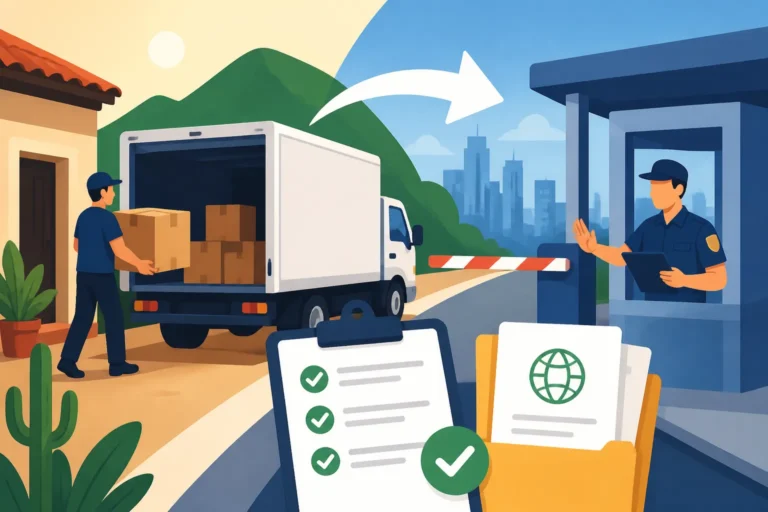
Moving your life to Mexico, whether it's for retirement, a new job, or just a change of scenery, comes with its own unique set of challenges. One of the biggest headaches expats often face, especially when bringing their household goods, is navigating the bewildering world of Mexican customs. It can feel like an impossible maze of paperwork, regulations, and unexpected fees. This guide is here to shed light on exactly why you absolutely need a customs broker, known as an agente aduanal, for a smooth Mexican import, and how a service like Sirelo can connect you with the right expertise to make this process as painless as possible.
Disclosure: This post may contain affiliate links. We may earn a commission at no extra cost to you if you make a purchase through these links. Read full disclosure.
The Unspoken Truth: Why Importing to Mexico Isn't a DIY Project
Listen, I've been there. You're packing up your life, trying to figure out what to bring, what to sell, and what to leave behind. The last thing you want is a mountain of bureaucratic red tape when your precious belongings finally arrive in Mexico. Many expats, eager to save a few pesos, consider handling the import process themselves. This is, in almost every case, a recipe for disaster. The reality of importing goods into Mexico is far more complex than most people imagine.
The Labyrinth of Mexican Customs Regulations
Mexico's customs regulations are, to put it mildly, a beast. They are intricate, constantly evolving, and deeply specific. What might seem like a straightforward process in your home country can be a bureaucratic odyssey here. Every single item you bring, from your grandmother's antique armoire to your collection of kitchen utensils, theoretically needs to be classified under a specific tariff code. Misclassify something, even unintentionally, and you're looking at fines, delays, or worse, the confiscation of your goods.
Beyond tariff codes, there are rules about commercial invoices, packing lists, certificates of origin, and a whole host of other supporting documents. Imagine trying to explain in Spanish the difference between a "used personal garment" and a "new clothing item for resale" to a customs agent who probably deals with thousands of containers a day. The language barrier alone can turn a simple question into a week-long saga. It’s not just about knowing Spanish; it's about understanding the precise, often archaic, legal jargon of Mexican customs law. These regulations aren't just for commercial imports; they apply to personal household goods too, making it incredibly daunting for individuals.
Avoiding Costly Mistakes and Delays
Every mistake in the customs process carries a financial penalty. If your paperwork isn't perfect, your shipment could be held up at the port or border. And trust me, storage fees in Mexican ports can add up incredibly quickly. We're talking hundreds, sometimes thousands, of dollars a week. A minor typo on a manifest or an incorrect declaration of value could mean your entire shipment sits in limbo for weeks or even months.
I've heard countless horror stories from fellow expats: families living out of suitcases for months because their furniture is stuck, shipments being sent back to their origin country, or goods being seized because one document was missing a stamp or a signature. The stress alone is enough to make anyone pull their hair out. Trying to resolve these issues yourself means endless phone calls, office visits, and navigating a system that isn't designed for individual foreign citizens to easily understand. This is where a professional, an agente aduanal, becomes not just helpful, but absolutely essential. They literally exist to prevent these kinds of costly mistakes and agonizing delays, saving you both money and your sanity in the long run.
What Exactly Does an Agente Aduanal Do for You?
So, who are these mysterious agentes aduanales and what magic do they perform? Think of them as your personal guides through the dense jungle of Mexican import laws. They are licensed professionals, regulated by the Mexican government, with deep expertise in customs procedures, tariffs, and logistics. Without one, importing anything beyond personal luggage is virtually impossible.
More Than Just Paperwork: A Broker's Core Services
A customs broker doesn't just fill out forms; they manage the entire import journey on your behalf. Their services typically include:
- Tariff Classification: This is critical. They accurately classify every item in your shipment according to Mexico's Harmonized System (HS) codes. This determines the duties and taxes you'll pay. Get this wrong, and you're in for a world of pain.
- Calculating Duties and Taxes: Based on the classification, they calculate all applicable import duties (arancel), value-added tax (IVA), and other fees like the Customs Processing Fee (DTA). They can provide you with an accurate estimate upfront, so there are no nasty surprises.
- Preparing Import Declarations (Pedimento): The pedimento is the official declaration document submitted to Mexican customs. It's incredibly detailed and must be perfect. Brokers prepare this on your behalf, ensuring all information is correct and compliant.
- Document Management: From your packing list to your passport copies and residency visa, they ensure all necessary documentation is in order, translated if required, and submitted correctly. This includes guiding you through the process for your Duty-Free Import of Household Goods: Using Menaje de Casa with Your Visa.
- Customs Clearance: They act as your representative at customs, liaising directly with customs officials to clear your goods through inspection and processing. This often involves physical inspections and requires a professional presence.
- Logistics Coordination: Many brokers work closely with shipping companies, freight forwarders, and local delivery services. They can coordinate the pickup from the port or border and arrange for delivery directly to your new home.
In essence, a customs broker provides legal and logistical expertise, ensuring your import complies with all Mexican laws and moves through the system as efficiently as possible. They are your shield against bureaucratic headaches.
Navigating the Import Process Step by Step (with a Broker)
Let's imagine you're planning to move your entire household from Canada to Mérida. Here’s a simplified breakdown of how the process unfolds with a customs broker by your side:
- Initial Consultation: You connect with a broker, or better yet, use a platform like Sirelo to get multiple quotes and consult with several qualified brokers. You discuss what you're importing, your timeline, and your residency status in Mexico.
- Quotation and Agreement: The broker provides a detailed quote for their services, estimated duties, and other fees. Once you agree, you sign a power of attorney allowing them to act on your behalf.
- Document Gathering: The broker gives you a precise list of documents you need to provide. This typically includes your passport, residency card (or visa if arriving soon), detailed packing lists, commercial invoices (even for used goods, a declared value is needed), and your menaje de casa certificate. They'll guide you on how to get your menaje de casa processed at a Mexican consulate abroad.
- Shipping: Your goods are shipped to Mexico. This could be by sea, air, or land. The broker will need all shipping details (bill of lading, airway bill).
- Arrival and Customs Processing: Once your shipment arrives at a Mexican port, airport, or border crossing, the broker takes over. They submit the pedimento and all supporting documents to customs.
- Inspection and Clearance: Customs may perform a physical inspection of your goods. The broker will be there, representing your interests and addressing any questions or issues that arise.
- Payment of Duties and Fees: The broker will notify you of the exact amount of duties and taxes due, which you typically pay directly to the broker, who then remits them to the Mexican government.
- Release and Delivery: Once cleared, your goods are released. The broker then coordinates with the freight company for final delivery to your new home.
Without a broker, this entire process would fall on your shoulders, and believe me, it’s not a burden you want to carry alone. This is particularly true when you're already juggling so much, like setting up utilities or finding your way around a new city. For general tips on handling the administrative side of things, remember that Dealing with Bureaucracy in Mexico: Tips for Handling Paperwork and Appointments applies heavily here.
Sirelo: Connecting You with the Right Customs Expertise
Finding a reliable customs broker in Mexico can feel like another daunting task in itself. How do you know who to trust? How do you compare prices and services when you’re not even familiar with the local market? This is precisely where Sirelo steps in as your invaluable resource.
The Benefits of Using Sirelo for Your Mexican Import
Sirelo isn't a customs broker itself, but it’s a powerful platform that takes the guesswork out of finding one. Think of it as your international moving concierge. Here’s why it’s so beneficial:
- Compare Multiple Quotes: Instead of hunting down individual brokers and explaining your needs repeatedly, Sirelo allows you to submit your import details once and receive multiple quotes from pre-vetted, reputable moving companies and customs brokers that specialize in imports to Mexico. This fosters competition, often leading to better pricing and clearer service offerings.
- Vetted Professionals: The companies on the Sirelo platform are generally experienced in international moves and understand the nuances of Mexican customs. They’ve been reviewed by other expats, giving you a layer of confidence. You're not just picking a name out of a hat; you're choosing from a curated list of trusted partners.
- Save Time and Reduce Stress: This is perhaps the biggest benefit. Instead of spending hours researching, calling, and negotiating, Sirelo streamlines the entire process. You get detailed quotes directly to your inbox, allowing you to easily compare services, timelines, and prices from the comfort of your home. This frees you up to focus on other critical aspects of your move, like understanding the Cost of Living in Mexico: 2026 Comprehensive Guide.
- Transparency and Clarity: With multiple quotes in hand, it becomes much easier to see what’s included, what's not, and understand the fee structures. This transparency helps you avoid hidden costs, a common frustration for expats unfamiliar with local customs.
- Peace of Mind: Knowing that you’ve chosen a qualified professional through a trusted platform like Sirelo offers immense peace of mind. You can be confident that your precious belongings are in capable hands, and that the complex customs process will be handled legally and efficiently.
What to Look for in a Mexican Customs Broker (and How Sirelo Helps)
Even with Sirelo providing options, it's wise to know what qualities make a great customs broker. When reviewing the quotes and speaking with the companies Sirelo connects you with, consider these points:
- Experience with Household Goods: Not all brokers specialize in personal effects. Ensure they have a proven track record of handling menaje de casa imports for expats. This is a very specific niche.
- Clear Communication: Can they explain the process to you in plain English (or your preferred language)? Do they respond promptly to your questions? Good communication is paramount, especially when dealing with such a critical part of your move.
- Comprehensive Service: Do they handle the entire process from port arrival to final delivery, or will you need to arrange local transport yourself? A full-service approach is usually worth the extra cost.
- References and Reviews: Ask for references or check online reviews. This is where a platform like Sirelo shines, as reviews from previous clients are often readily available.
To help you visualize, here's a quick comparison:
| Feature | Self-Import (Not Recommended) | Using a Customs Broker (e.g., found via Sirelo) |
|---|---|---|
| Expertise | None (relying on limited personal research) | Professional, licensed expert in Mexican customs law |
| Compliance | High risk of errors, fines, delays | High compliance, minimized risk of issues |
| Time Investment | Significant personal time, frustration, multiple office visits | Minimal personal time, broker handles bureaucracy |
| Cost | Potentially higher due to penalties, storage, unexpected fees | Broker fees + accurate duties/taxes; overall cost-effective |
| Language Barrier | Major challenge | None (broker handles communication) |
| Peace of Mind | Very low | High (you know it's being handled correctly) |
| Finding a Professional | Researching individual companies, vetting is difficult | Sirelo provides multiple vetted options for comparison |
Using a platform like Sirelo puts you in the driver's seat, empowering you to make an informed decision and find the best fit for your import needs, ultimately simplifying one of the most stressful parts of moving to Mexico.
Common Pitfalls Expats Face (and How a Broker Prevents Them)
Even with the best intentions, expats often stumble over specific hurdles when importing goods to Mexico. A good customs broker is designed to anticipate and prevent these very issues.
Incorrect Valuation and Customs Duties
One of the trickiest aspects, especially for personal household goods, is valuation. You might think your ten-year-old sofa is worth next to nothing, but Mexican customs might have a different opinion. If you declare a value that is too low, you risk penalties and delays. If you declare it too high, you pay more duties than necessary.
This isn't just about furniture; it applies to electronics, appliances, and even clothes. Customs duties (known as arancel) and the Value Added Tax (IVA) are calculated based on the declared value of your goods. A seasoned broker knows how to professionally value your used household items, ensuring fairness while adhering to regulations. They have access to databases and experience that allows them to provide a realistic and defensible valuation to customs officials, preventing you from overpaying or incurring fines for under-declaration. They ensure you are aware of all applicable taxes, which you can learn more about in our guide on Import Duties and Customs: Taxes in Bringing Goods into Mexico.
The Menaje de Casa: A Special Case for Household Goods
For expats moving their entire lives to Mexico, the menaje de casa (household goods certificate) is absolutely critical. This document, obtained from a Mexican consulate in your home country before you ship your goods, allows you to import your personal household items duty-free. It's a fantastic benefit, but the process of getting it and using it correctly is notoriously stringent.
The menaje de casa requires a detailed inventory of everything you're bringing. This inventory must match what arrives in Mexico. Any discrepancies can lead to problems. For instance, if you list "5 boxes of books" but customs finds "5 boxes of new electronics," you'll face issues. The agente aduanal understands the nuances of the menaje de casa and ensures your inventory is prepared precisely to avoid any conflicts with customs. They will verify that your documentation is perfectly aligned with your shipment, reducing the risk of customs agents denying the duty-free status of your belongings. This step is so important that it ties directly into your long-term residency, which is thoroughly covered in our The Ultimate Guide to Mexico's Visa and Residency Options (2027 Edition) and Navigating Mexico's Immigration System: Visas, INM Procedures, and Regulations articles. Without correct handling, you could incur significant unexpected costs. When considering what to bring, think about our guide on Moving to Mexico: What to Pack and What to Buy Locally.
Costs Involved: Understanding Broker Fees and Import Taxes
Naturally, you’re wondering about the cost. It’s a valid concern, and it's essential to factor these expenses into your overall moving budget. While hiring a broker does involve a fee, it’s a preventative cost that saves you from potentially much larger expenses and stress down the road.
Deconstructing Customs Broker Fees
Customs broker fees can vary widely depending on the complexity of your shipment, the volume of goods, and the services required. Generally, fees can be structured in a few ways:
- Flat Fee: For straightforward imports, some brokers might offer a single, all-inclusive fee.
- Percentage of Value: For commercial goods, the fee might be a percentage of the declared value of the imported items. For household goods, this is less common, but some may factor it into their overall calculation.
- Per Service: A more common approach, where the fee is broken down by each service provided (e.g., document preparation, customs clearance, local delivery coordination).
When getting quotes, especially through a platform like Sirelo, make sure you ask for a transparent breakdown. A reputable broker will provide a clear estimate of their fees, any anticipated government charges, and often a contingency for unforeseen costs (like demurrage if there are unexpected delays). Comparing these detailed quotes from multiple providers through Sirelo can help you find the most competitive and comprehensive service for your budget. Always ensure your chosen broker is providing a "door-to-door" service if that's what you need, covering all steps from the port of entry to your actual home.
Anticipating Mexican Import Duties and IVA
Beyond the broker's fees, you’ll also need to budget for actual government taxes and duties, unless your entire shipment qualifies for menaje de casa duty exemption. Here’s a quick rundown of what you might encounter:
- Arancel (Import Duty): This is a tariff on imported goods. The percentage varies widely depending on the type of item. For personal household goods covered by a properly processed menaje de casa, this is usually zero. However, if you bring in something new or commercially valued that isn't covered, you will pay this.
- IVA (Impuesto al Valor Agregado – Value Added Tax): This is Mexico's sales tax, currently 16% on most goods. It applies to the value of the goods plus any import duties. Again, for a full menaje de casa, household goods are exempt. But if you import a new car or other high-value items not covered, you'll pay the IVA.
- DTA (Derecho de Trámite Aduanero – Customs Processing Fee): This is a small fee charged for the processing of customs declarations, typically a percentage of the declared value.
Your customs broker will provide you with an accurate estimate of these charges based on your detailed inventory and whether your menaje de casa is properly applied. This clarity upfront is incredibly valuable for budgeting and avoiding any unwelcome surprises upon your goods' arrival. Understanding these financial aspects is just as crucial as understanding other costs when planning your move, such as Healthcare Costs in Mexico: Doctor Visits, Hospital Stays, and Surgery Expenses.
Disclaimer
This article is for general informational purposes only and does not constitute professional advice. Laws, prices and regulations vary by location and change over time. Consult a qualified professional for guidance on your specific situation.