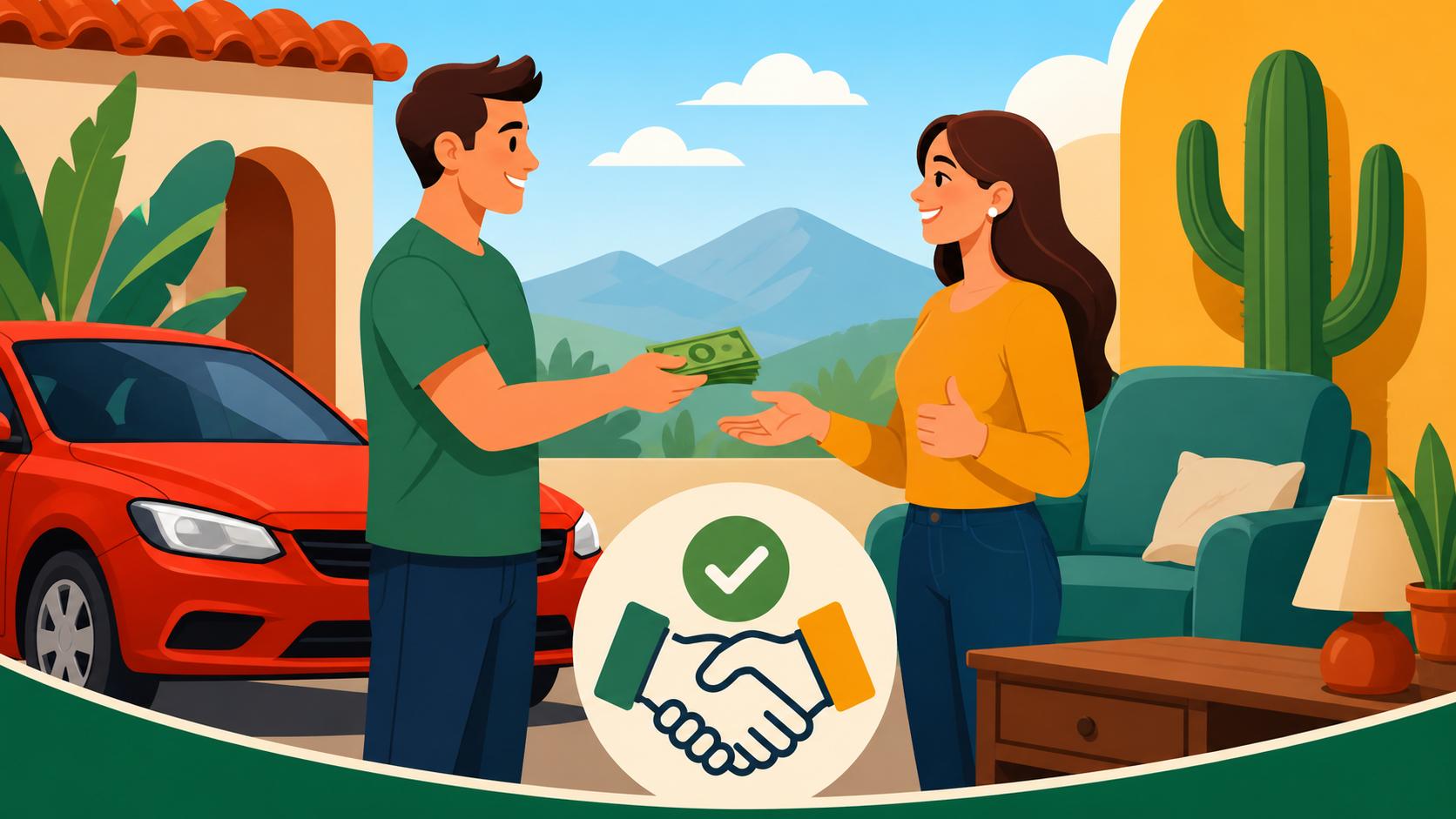
Selling Your Car or Furniture When Leaving Mexico: Getting a Good Deal
Moving away from a country you have called home is a whirlwind of emotions, but nothing drains your energy quite like the realization that you have to liquidate your entire life in a matter of weeks. I remember sitting in my living room in Ajijic, surrounded by beautiful parota wood furniture and a trusty SUV, wondering how on earth I was going to get a fair price without being taken for a ride. This guide solves the logistical nightmare of selling your car and furniture in Mexico, ensuring you walk away with your pockets full and your stress levels managed.
Disclosure: This post may contain affiliate links. We may earn a commission at no extra cost to you if you make a purchase through these links. Read full disclosure.
Navigating the Complexities of Selling a Vehicle in Mexico
Selling a car in Mexico is significantly more document-heavy than in the US or Canada. If you miss one specific piece of paper, the value of your vehicle can plummet, or worse, the sale could become legally impossible. Unlike many other countries where a simple title transfer suffices, Mexico relies on a chain of ownership that must be perfectly preserved.
Getting Your Paperwork in Order The Factura and Beyond
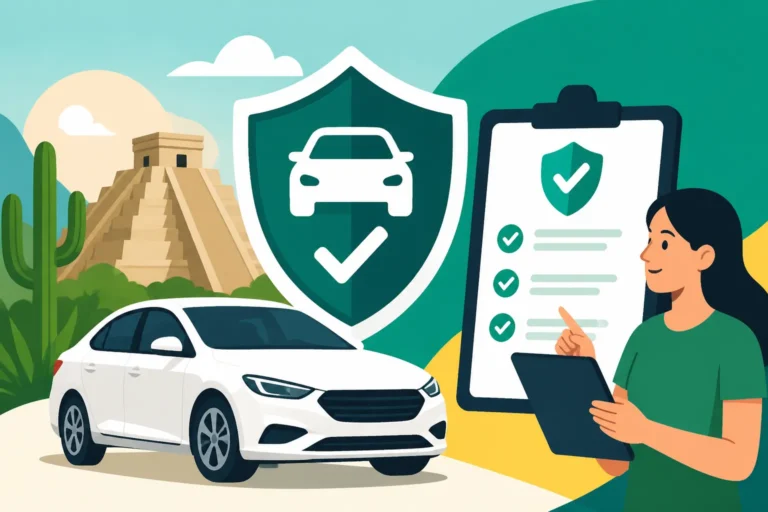
The most critical document in your possession is the factura original (the original invoice). In Mexico, the factura is the title. When you sell the car, you must "endorse" it by writing a short statement on the back (the endoso) transferring ownership to the buyer. If you lost the original and only have a refactura (a re-issued invoice from a dealership), you must be prepared to explain why, as this can sometimes make buyers nervous about the car's history.
Beyond the factura, you need to prove the car is "clean." This means having every single comprobante de pago de tenencia (tax payment receipt) for the last five years. In many states, like Mexico City or Jalisco, the tenencia or refrendo is an annual requirement. Missing just one year can lead to hefty fines that the buyer will expect you to deduct from the sale price. You also need a current verificación (emissions test) certificate if you are in a metropolitan area. I once knew an expat who forgot to keep his paper receipts, thinking the digital record was enough; he spent three days at the government office just to get certified copies before he could close his sale. For more on managing these kinds of costs, see our guide on the Cost of Living in Mexico: 2026 Comprehensive Guide.
Where to List Your Car for the Best Return
The landscape for selling cars in Mexico has shifted toward digital platforms that offer more security than the old-school "side of the road" method. Facebook Marketplace remains the king of volume, but it is also the king of "flaky" buyers. If you choose this route, be prepared for hundreds of "Is this available?" messages that lead nowhere. For a smoother experience, many expats are turning to Kavak or similar "instant buy" platforms. While Kavak will offer you about 15% to 20% less than a private buyer, the convenience of them handling the paperwork and the security of the payment is often worth the haircut for someone on a tight relocation timeline.
If you have a high-end or well-maintained vehicle, listing it in local expat groups on platforms like WhatsApp or specific community forums can yield a higher price. Expats often pay a premium for a car owned by another foreigner because there is a (rightly or wrongly) perceived notion that the vehicle was better maintained and hasn't been used as a "colectivo" in the mountains. Before you set your price, check the Libro Azul, which is the Mexican equivalent of the Kelley Blue Book, to ensure your expectations align with the current market.
The Essential Baja de Placas Process
One of the biggest mistakes foreigners make is handing over the keys and the plates and assuming the job is done. In Mexico, if the new owner commits a crime or gets into an accident and the plates are still in your name, you are legally liable. You must perform a baja de placas (deregistration of plates).
This process involves going to the local Secretaría de Hacienda or Vialidad, surrendering the physical plates, and receiving a constancia de baja. This protects you from any future liability. Some buyers will ask you to keep the plates on so they can drive it home, but a veteran move is to meet the buyer at the government office, complete the baja, and let them apply for "permisos para circular" (temporary driving permits) themselves.
Offloading Furniture and Household Goods Without the Stress
Selling furniture in Mexico can be surprisingly lucrative if you have high-quality items, but the logistics of moving heavy pieces through narrow colonial streets or up high-rise elevators can be a nightmare. You aren't just selling a sofa; you are selling a logistics solution.
Digital Marketplaces vs. Community Sales
For furniture, the "Expat Garage Sale" is a time-honored tradition. In towns like San Miguel de Allende or Puerto Vallarta, people flock to these sales looking for items that are already imported or custom-made. However, if you live in a large city like CDMX or Monterrey, a physical garage sale might not be feasible due to security or space constraints. In these cases, "Bazaars" on Instagram and Facebook are your best bet.
When listing furniture, high-quality photos are non-negotiable. Take photos in natural light and, importantly, include dimensions. Mexican homes have wildly varying door and hallway sizes, and nothing kills a deal faster than a buyer realizing your king-sized bed frame won't fit through their 18th-century stone doorway. Mentioning that you are an expat leaving the country can actually help; it signals that the sale is urgent. If you are still budgeting for your final weeks, checking the Monthly Budget in Mexico: Living Well on $1,500, $2,500, and $4,000 can help you decide how much you need to recoup from these sales.
Managing Logistics and the Flete Culture
In Mexico, "fletes" (independent moving trucks) are the lifeblood of the secondary market. Most buyers will not have a truck, and they will expect you to either have a "flete guy" on speed dial or to split the cost of delivery. My advice is to find a reliable local driver with a small pickup truck early in the process. When a buyer asks about delivery, you can say, "I have a trusted driver who can move this for 500 pesos." This removes a massive hurdle for the buyer and closes the deal much faster.
Be very clear in your listings about who is responsible for "volados." A volado is when furniture has to be hoisted over a balcony with ropes because it won't fit in the elevator or stairs. This is common in neighborhoods like Polanco or Santa Fe. It is a specialized skill, and you should never attempt it yourself or let an uninsured buyer try it on your property. Always state "Buyer responsible for volado" to protect yourself from liability if a granite dining table ends up in the street below. To ensure you have a safe place for the cash you receive from these sales, refer to Banking in Mexico: Complete Guide for Foreigners.
Financial Safety and Moving Your Money Out of Mexico
Once the car is sold and the house is empty, you will likely be sitting on a significant amount of Mexican Pesos. Handling this transition safely is where many expats stumble, either by falling for scams or by losing a fortune in bank fees and poor exchange rates.
Avoiding Scams and Ensuring Secure Payment
When selling high-value items like a car, never, under any circumstances, accept a "cheque de caja" (cashier's check) or a "salvo buen cobro" deposit. A common scam in Mexico involves a buyer depositing a check into your account via an ATM. Your banking app will show the balance has increased, but the funds are "pending." Once you sign over the factura and they drive away, the check bounces (often because it was stolen or fake), and the money vanishes.
The only safe way to accept payment for a vehicle is via a SPEI transfer (Mexico’s instant interbank system). Sit with the buyer, have them initiate the transfer, and wait until your app shows the status as "Liquidado" or "Abonado" and the funds are actually available for use. For smaller items like furniture, cash is fine, but you should learn How to Spot Counterfeit Mexican Pesos to avoid being handed a stack of "billetes falsos" during a busy garage sale. Always conduct high-value transactions during banking hours and preferably in a public place with security, like a bank lobby or a busy mall.
Repatriating Your Funds and Currency Exchange
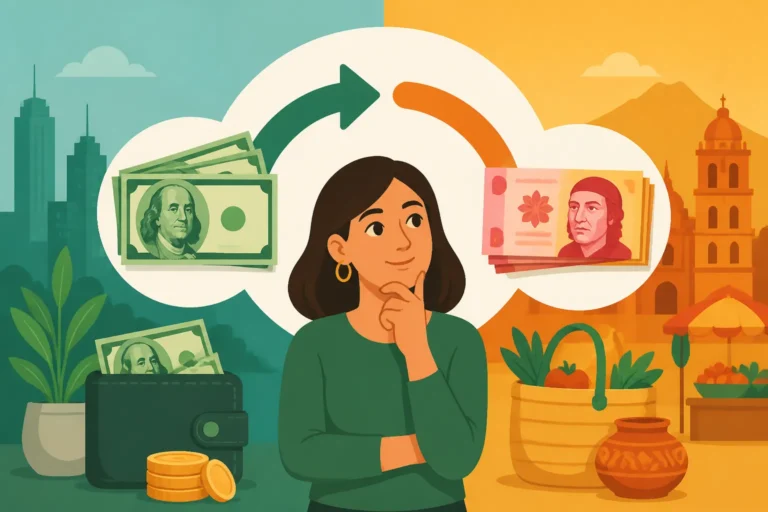
After the sales are complete, you need to get your money back to your home country. Using traditional Mexican banks for international wire transfers is usually a losing game; they offer terrible exchange rates and charge high commissions. This is where using a service like Wise becomes invaluable. By transferring your pesos to Wise, you can convert them to USD, CAD, or EUR at the mid-market rate, saving you hundreds or even thousands of dollars depending on the total amount.
For those who have sold property or high-end vehicles and are looking to reinvest those funds immediately, Interactive Brokers is an excellent option for moving capital back into global markets. They allow you to hold multiple currencies and offer professional-grade exchange rates. If you are moving a large sum, you should also be aware of the reporting requirements for your home country. For US citizens, for instance, you may need to look into Reporting Mexican Bank Accounts to the IRS: FATCA/FBAR for US Expats.
| Selling Method | Best For | Pros | Cons |
|---|---|---|---|
| Facebook Marketplace | Furniture / Low-value cars | High volume, fast local reach | Many "no-shows" and lowballers |
| Expat Groups | High-quality furniture / Appliances | Trust Factor, better prices | Limited audience size |
| Kavak / Dealers | Cars (2015 and newer) | Guaranteed sale, zero paperwork stress | Lower payout (wholesale price) |
| Consignment Shops | Antiques / Art | No need to manage buyers | High commissions (20-40%) |
Final Administrative To-Dos Before You Leave
Selling your stuff is just one part of the "exit" phase. You also need to ensure you don't leave a trail of debt or open accounts that could haunt your credit or immigration status. If you have been employing help, such as a maid or a gardener, remember that Mexican labor law requires a liquidación (severance) even if they are leaving voluntarily because you are moving. For more on this, see Employing Domestic Help Legally: Paying Social Security for Maids/Gardeners.
Additionally, ensure you cancel your utilities properly. In Mexico, CFE (electricity) and Telmex (internet) accounts stay with the property or the person. If you don't formally cancel or transfer the contract, the debt will continue to mount in your name. For CFE, you often need to go to the office with a final reading and pay the balance to get a "finiquito." This is a tedious but necessary step to ensure you leave Mexico with a clean slate.
Finally, if you are leaving behind a rental, make sure you understand the process for Getting Your Security Deposit Back: What If Your Landlord Doesn’t Return It?. Many landlords will try to use the "I need to check the CFE bill in two months" excuse to hold onto your deposit. Negotiation is key here—perhaps offer to leave a specific piece of furniture in exchange for an immediate cash return of your deposit.
Disclaimer
This guide is provided for informational purposes only and does not constitute legal, financial, or tax advice. Laws regarding vehicle transfers, taxation, and international money movement in Mexico are subject to frequent change. Always consult with a qualified Mexican attorney, an authorized "gestor," or a certified accountant to verify current requirements for your specific situation. The author and publisher are not responsible for any financial losses or legal issues arising from the use of this information.