Insurance for Digital Nomads in Mexico: Matching Cover to a Rolling Stay
Moving to Mexico as a digital nomad brings a whirlwind of excitement, new experiences, and the sheer joy of a flexible life. But let's be honest, that carefree existence can quickly become a headache when you hit an unexpected medical snag. Traditional travel insurance often has limitations that don't quite fit the long-term, rolling stay of a true nomad, leaving you vulnerable. This guide will dive deep into why standard options fall short and introduce you to a flexible, comprehensive solution like SafetyWing, specifically designed for your unique lifestyle in Mexico.
Disclosure: This post may contain affiliate links. We may earn a commission at no extra cost to you if you make a purchase through these links. Read full disclosure.
The Nomad's Dilemma: Why Standard Travel Insurance Just Doesn't Cut It in Mexico
When you first land in Mexico, often on a tourist visa or perhaps even a digital nomad visa, the last thing on your mind is usually a doctor's visit. You're busy soaking up the sun, trying new tacos, and finding the perfect coworking spot. But life happens, and when it does, that quick two-week travel insurance policy you bought for your initial trip can be woefully inadequate for the realities of living and working abroad for months or even years. The typical travel insurance plans are really designed for short-term trips, not for someone who might decide to stay three months in Oaxaca, then move to Guadalajara for six, and then explore the Riviera Maya. Your needs are different, and your insurance should reflect that.
You're not just a tourist; you're a temporary resident of the world, and Mexico is your current home base. This distinction is crucial when it comes to healthcare. Many policies have strict duration limits, require you to return to your home country for certain treatments, or simply don't cover the kind of routine care you might need over a prolonged period. This leaves a massive gap in coverage, especially if you're planning to ride the wave of Mexico's 180-day tourist permits, or if you've secured a more formal Digital Nomad Life in Mexico: Remote Work Living Guide. Understanding these limitations is the first step to protecting yourself properly.
The "Rolling Stay" Reality and Its Insurance Gaps
The concept of a "rolling stay" is central to the digital nomad experience. You’re not just passing through; you're integrating, even if temporarily. This means you might need to see a dentist for a chipped tooth, visit a doctor for a persistent cough, or heaven forbid, deal with a more serious injury that requires hospital care. Standard travel insurance often has a hard cap on continuous travel, typically 30, 60, or 90 days. Exceed that, and suddenly, you're uninsured, even if you paid for a year-long policy. What a nightmare! Imagine being in a foreign hospital and realizing your policy expired because you decided to extend your stay in San Miguel de Allende. It's a terrifying scenario that many nomads inadvertently face.
Furthermore, these policies are usually designed for "emergency" situations only. They might cover an acute illness or injury, but what about preventative care, prescription refills, or even basic check-ups? As a digital nomad, you still need access to these services. You might be managing a chronic condition, or simply want to get an annual check-up to stay on top of your health. Traditional travel insurance rarely, if ever, accommodates these needs, leaving you to pay out of pocket for everything that isn't a life-threatening incident. This can quickly deplete your carefully planned Cost of Living in Mexico: 2026 Comprehensive Guide budget.
The problem is compounded when you consider the common practice of "border runs" to reset your tourist visa. While this has been a popular strategy for years, it can complicate insurance claims. Some insurers might view these exits and re-entries as breaking the continuous travel period, or they might not cover you during your brief return to your "home country" (if that's where you're doing your border run from). It’s a grey area that causes immense anxiety for those trying to live within the rules while maintaining adequate protection. The beauty of the nomadic lifestyle is its flexibility, but traditional insurance just isn’t built for that kind of fluid existence.
Understanding Mexico's Healthcare Landscape for Non-Residents
Mexico’s healthcare system, while often more affordable than in countries like the US, can still present a steep learning curve for foreigners. You have options ranging from public hospitals to private clinics, and the quality of care can vary significantly. As a non-resident or digital nomad, you won't typically be eligible for the public healthcare system like IMSS unless you formally enroll as a resident or through a special program for employees. This means you'll almost certainly rely on the private system, which, while excellent, comes with a price tag. Even minor procedures or doctor visits can add up if you're paying cash. For a full breakdown, check out our guide on Healthcare in Mexico: Complete Guide for Expats (Public vs Private).
Without proper insurance, every medical encounter becomes a financial negotiation, and navigating this in a foreign language while feeling unwell is incredibly stressful. Imagine being in a private hospital after an accident, where they often require upfront payment or a hefty deposit before treatment. This is a common practice here, and it’s where robust insurance becomes not just a convenience, but an absolute necessity. You don't want to be calling family back home begging for money when you should be focusing on your recovery.
Many expats initially arrive thinking they can just pay out of pocket because costs are lower than back home. And yes, in many cases, a doctor's visit might be only $30-$50 USD. But what if you need surgery, or an overnight stay? Those costs can quickly escalate into the thousands, turning a small incident into a major financial crisis. This is particularly true for digital nomads who are often managing their own finances and don't have an employer covering their healthcare. This is precisely why having proper Health Insurance in Mexico: How Expats Can Get Coverage (2027) is paramount.
Introducing SafetyWing: Tailored Health Coverage for the Untethered
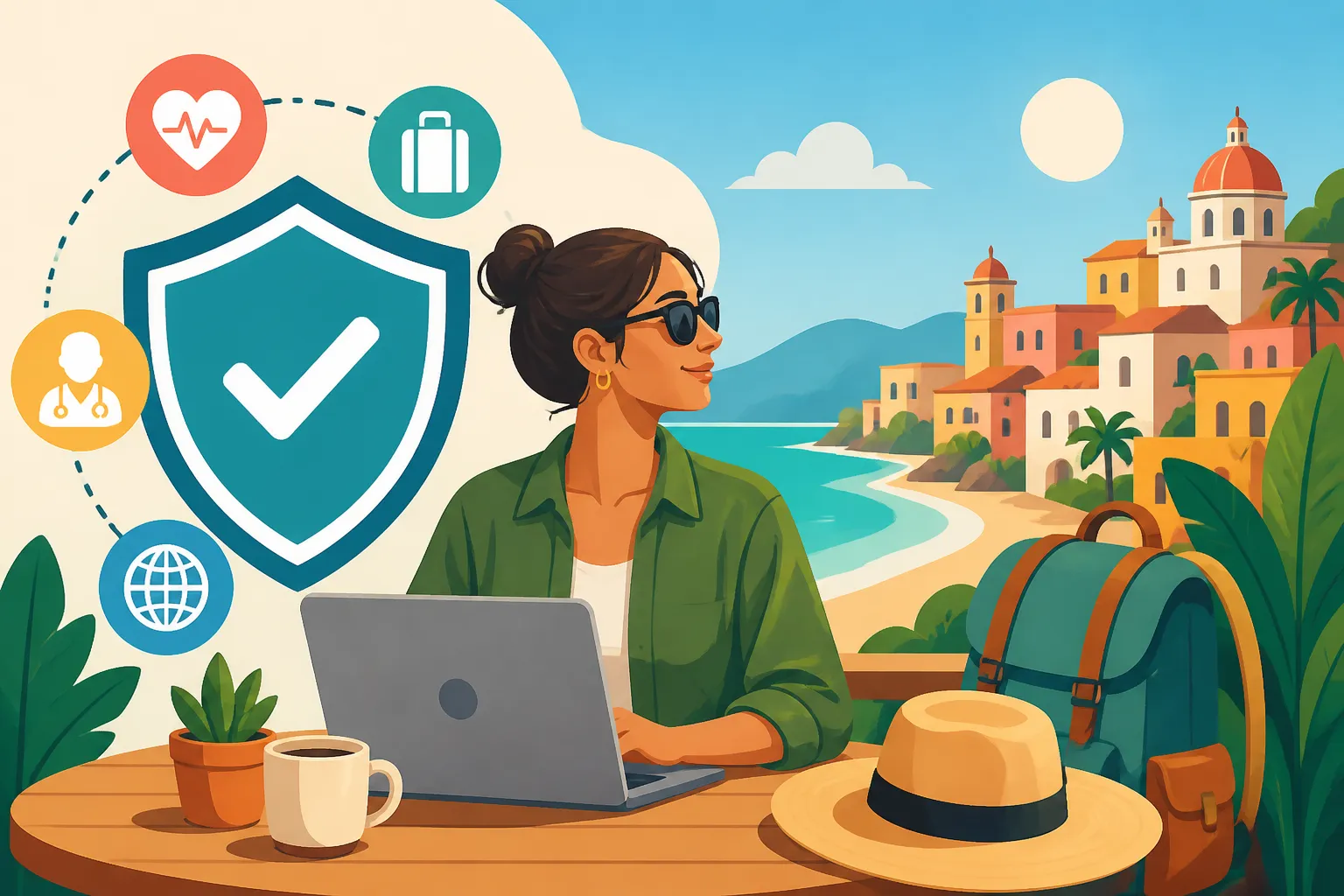
This is where specific, nomad-friendly solutions come into play, and SafetyWing shines as a truly exceptional option for those living the digital nomad dream in Mexico. Unlike traditional travel insurance, SafetyWing was literally designed by nomads for nomads. They understand the fluidity of your life, the need for continuous coverage, and the desire for simplicity. It's not just another insurance policy; it’s a commitment to supporting your lifestyle, making it the hero solution for anyone navigating the beautiful but unpredictable world of expat healthcare.
SafetyWing provides global medical insurance that works seamlessly across borders, including in Mexico, and it automatically renews every 28 days until you cancel it. This "subscription-based" model is a game-changer for digital nomads, eliminating the anxiety of manual renewals or worrying about hitting arbitrary travel duration limits. It truly matches cover to a rolling stay, offering peace of mind so you can focus on your work and experiences, not on bureaucracy.
It's about having that safety net that understands your unique situation. When you're constantly on the move, from one Mexican city to another, or even hopping to a different country, you need coverage that moves with you. SafetyWing is one of those companies that genuinely gets it, taking a lot of the logistical burden off your shoulders when it comes to healthcare. It’s an empowering tool that allows you to embrace the freedom of your lifestyle without sacrificing your health security.
How SafetyWing Works for Your Flexible Lifestyle in Mexico
SafetyWing operates on a monthly subscription model, renewing automatically every 28 days. This is perfect for digital nomads in Mexico because it means you don't have to constantly buy new policies or worry about coverage gaps as you extend your stay. You simply sign up, and as long as you keep paying, you're covered. This flexibility is key, whether you're staying for a few months or planning to make Mexico your base for the foreseeable future. The policy can be purchased while you're already abroad, which is a huge benefit if you suddenly realize your old insurance isn't cutting it.
One of the most appealing features for nomads is its "home country coverage" benefit. For every 90 days you're abroad, you get 30 days of coverage in your home country (the one listed as your primary residence in your policy, like the US or Canada). This is invaluable for those who do return periodically to visit family or handle affairs, ensuring you're not left without coverage during those brief trips back. This thoughtful inclusion demonstrates SafetyWing's deep understanding of the nomadic rhythm. It’s a huge relief not to have to buy a separate policy every time you fly back home for a visit.
Moreover, SafetyWing also covers unexpected returns. If you need to go back to your home country for a covered reason, such as a medical emergency or a natural disaster in Mexico, your travel back and initial medical expenses there might be covered. This kind of comprehensive thinking is what sets SafetyWing apart from generic travel insurance policies that often leave you stranded when unexpected events force you to change your plans. It's truly a solution built for the unpredictable nature of nomadic life.
What SafetyWing Actually Covers (and What it Doesn't)
SafetyWing offers robust medical coverage, primarily focusing on unforeseen illnesses and injuries. This includes hospital stays, doctor visits, emergency dental care, prescription medications, and even emergency medical evacuation. So, if you fall off a scooter in Puerto Vallarta and break your arm, or come down with a nasty case of food poisoning in Oaxaca, SafetyWing is there to help cover those expenses. It's the kind of protection you absolutely need when you're far from home and want to ensure you're not facing crippling medical debt. For unexpected events, it's a godsend.
However, it's crucial to understand its limitations. SafetyWing is designed as an emergency medical and travel insurance product, not a comprehensive primary health insurance plan for long-term residents. This means it generally does not cover routine check-ups, preventative care, pre-existing conditions (with some exceptions for acute onset), or maternity care. So, while it's excellent for emergencies, if you need ongoing specialist care for a chronic illness or plan to have a baby in Mexico, you might need to look into supplementary coverage or a different type of plan designed for long-term expat health insurance. Check out our guide on Managing Chronic Illness in Mexico: Access to Medication and Specialists for more on specific needs.
Here's a quick overview of typical coverage:
| Feature | Standard Travel Insurance (Short-term) | SafetyWing (Digital Nomad) |
|---|---|---|
| Duration | Fixed, short-term (e.g., 2 weeks, 1 month) | Automatic 28-day renewals, unlimited |
| Purchase While Abroad | Often not possible | Yes, often possible |
| Home Country Coverage | Rare/limited | Limited days per 90 days abroad |
| Emergency Medical | Yes | Yes |
| Routine Check-ups | No | No |
| Pre-existing Conditions | No | No (except acute onset) |
| Travel Delay/Interruption | Yes (often limited) | Yes (within limits) |
| Emergency Evacuation | Yes | Yes |
| Adventure Sports | Often an add-on | Included (non-professional) |
As you can see, the biggest advantage of SafetyWing for digital nomads is the flexibility and continuity of coverage, which is paramount for those living a "rolling stay" life in Mexico.
Seamless Healthcare Access: Using Your SafetyWing Plan in Mexico
Getting sick or injured abroad is always daunting, but knowing how to use your insurance can significantly reduce the stress. With SafetyWing, the process is straightforward, but it helps to be prepared. Mexico has excellent private hospitals and clinics, especially in major cities and expat hubs, and many of them are accustomed to dealing with international insurance claims. However, it's always wise to understand the local nuances to ensure a smooth experience. It's not quite like walking into your local clinic back home, but it's manageable with a bit of foresight.
Always have your SafetyWing policy details handy, whether on your phone or a printed copy. This includes your policy number, the insurance company's contact information, and any emergency assistance numbers. In an emergency, every second counts, and having this information readily available can make a huge difference in how quickly and efficiently you receive care. It's a small detail, but one that can save you a lot of hassle and worry when you're feeling your worst.
Remember, communication is key. While many doctors and staff in private clinics in expat areas might speak English, this isn't always a given, especially outside of major tourist zones. Having a translation app on your phone or knowing some basic medical Spanish phrases can be incredibly helpful. Don't be afraid to ask for clarification if you don't understand something, and ensure you have a clear understanding of any recommended treatments or procedures. Our guide on Finding English-Speaking Doctors and Specialists in Mexico offers some great tips.
Finding Doctors and Hospitals in Mexico That Accept Your Coverage
When you need medical attention in Mexico, your first step with SafetyWing is usually to locate a suitable provider. SafetyWing has a network, but for routine doctor visits, you might often pay upfront and then submit a claim for reimbursement. For larger expenses, like hospitalizations, you (or the hospital) can contact SafetyWing's claims assistance directly, and they can often arrange direct billing, saving you the hassle of paying a large sum out of pocket. This is incredibly helpful when you're dealing with something serious.
You can use the SafetyWing website to find doctors and hospitals within their network, or you can typically go to any private clinic or hospital. Mexico has a robust private healthcare sector, particularly in cities like Mexico City, Guadalajara, Monterrey, and even smaller expat havens like San Miguel de Allende and Puerto Vallarta. Hospitals like those in the Hospital Ángeles or Star Médica networks are generally high quality and well-equipped. Don't hesitate to do a quick search online for "hospitals near me" or "English speaking doctors in [your city]" to get started.
It's a good idea to research a few reputable private clinics or hospitals in your current location as soon as you arrive, just in case. Knowing where to go before an emergency strikes can save you precious time and panic. Ask other expats in local Facebook groups for recommendations – they often have invaluable insights into local healthcare providers and who's good to see. This local knowledge can be a lifesaver, making your experience much smoother.
Handling Medical Emergencies and Routine Care Abroad
In a true medical emergency in Mexico, your first priority is to get to the nearest private hospital or call for an ambulance. Mexico uses 911 for emergencies, but private ambulance services (like Cruz Roja in many areas) are often preferred for their speed and equipment, though they come with a fee. Once you're stable, or if you're dealing with a less urgent situation, you can then focus on coordinating with SafetyWing. They have a 24/7 emergency assistance team that can guide you through the process, help you find facilities, and assist with claims. For detailed information on what to expect, refer to our guide on Medical Emergencies in Mexico: What Expats Should Know and Prepare.
For routine care, like a common cold or a minor injury, you can often visit a local consultorio (doctor's office) attached to a pharmacy, like Farmacias Similares or Farmacias del Ahorro. These are extremely affordable (often just $2-5 USD for a consultation) and can provide basic diagnoses and prescriptions. While SafetyWing won't cover these tiny fees, they're a fantastic first stop for non-emergencies. For prescriptions, keep in mind that many medications that require a prescription in your home country might be available over the counter in Mexico, or can be prescribed easily by a local doctor. Our guide on Pharmacies in Mexico: How to Get Medications (OTC vs Prescription) has more information.
After any medical expense that you paid for upfront, make sure to collect all necessary documentation: detailed invoices, medical reports, prescriptions, and any other supporting paperwork. SafetyWing will require these to process your claim for reimbursement. It's often easier to gather these documents while you're still at the clinic or hospital, rather than trying to chase them down later. Keeping good records is a vital part of managing your health while abroad and making sure your SafetyWing plan works for you.
Beyond Health: Other Crucial Protections for Your Digital Nomad Journey
While medical coverage is undeniably the most critical aspect of insurance for a digital nomad, SafetyWing's comprehensive approach extends to other elements of your flexible lifestyle. Being a digital nomad isn't just about healthcare; it's about protecting your entire portable life, which often includes valuable equipment, travel logistics, and unforeseen personal liabilities. The unique challenges of constantly moving mean you need more than just a typical health policy. SafetyWing understands that your workspace is wherever you are, and your assets are often in your carry-on.
Think about it: you’re traveling with your livelihood in a backpack. Your laptop, camera, external hard drives – these aren’t just personal items; they’re your tools for earning an income. Losing them to theft or damage can mean not only a significant financial hit but also a complete halt to your work. A good digital nomad insurance plan, like SafetyWing, considers these broader risks, giving you a wider net of protection that traditional travel health insurance often overlooks entirely. It ensures that the unexpected doesn't completely derail your journey or your income.
This holistic view is what makes SafetyWing a truly tailored solution. It recognizes that the "digital" part of "digital nomad" comes with its own set of vulnerabilities. While not every gadget is covered by all plans, having options for gear protection and other travel-related incidents makes a huge difference. This means you can focus on building your business or enjoying your travels, knowing that many of the peripheral risks have been mitigated by your SafetyWing plan.
Trip Interruption and Personal Liability: The Unexpected Extras
One of the often-overlooked but incredibly valuable aspects of a comprehensive digital nomad insurance like SafetyWing is coverage for trip interruption. Imagine you're enjoying the vibrant culture of Mexico City, and suddenly you get news from home that requires your immediate return due to a family emergency. Having to drop everything and book last-minute flights can be incredibly expensive. SafetyWing provides coverage for these kinds of unforeseen interruptions, helping to cover non-refundable travel costs or additional expenses incurred due to a covered event. This kind of flexibility is essential for the fluid nature of a nomad's life.
Another critical component is personal liability coverage. Let's say you accidentally knock over an expensive piece of art in a gallery or cause an injury to someone else while navigating a busy mercado. Accidents happen, and in a foreign country, navigating the legal and financial repercussions can be terrifying. Personal liability coverage can protect you from financial responsibility for accidental injury to others or damage to their property. It’s the kind of silent guardian that you hope you never need, but are immensely grateful to have if something goes wrong.
These "unexpected extras" are what differentiate a generic travel policy from one truly designed for the complexities of a digital nomad's existence. They acknowledge that life on the road is full of variables beyond just health. The beauty of SafetyWing is that it integrates these crucial protections into a single, easy-to-manage plan, so you don't have to juggle multiple policies for different aspects of your life abroad.
Protecting Your Gear: Essential for Remote Workers
For most digital nomads, their laptop, camera, and other electronic devices are their lifeline. They are not just personal belongings; they are the tools of their trade, their office, and their connection to clients and income. The thought of losing a laptop to theft, damage, or even just a spill can be enough to trigger a panic attack. While SafetyWing's base plan includes some coverage for checked baggage and some personal items, it's worth noting that high-value electronics typically have specific limits or exclusions. However, they also offer specific gadget insurance, an add-on many nomads consider essential.
This isn't about covering a pair of socks; it's about covering your livelihood. If your laptop gets stolen from a café in Roma Norte, or your camera takes an unexpected dive into a cenote in Yucatán, the financial hit and the disruption to your work can be catastrophic. Investing in an insurance solution that offers specific coverage for your electronics, whether through a specialized add-on to your SafetyWing plan or a separate policy, is a non-negotiable for many remote workers. It’s an integral part of your risk management strategy as a digital nomad.
Think of it as protecting your mobile office. You wouldn't run a business without insuring your physical office equipment, so why would you do it with your portable one? While SafetyWing primarily focuses on health, their understanding of the nomad lifestyle means they offer or facilitate these additional protections. This complete suite of coverage allows you to travel and work with confidence, knowing that if the unexpected happens to your essential gear, you're not left completely high and dry. This allows you to truly embrace the freedom of the digital nomad lifestyle in Mexico.
Disclaimer
This article is for general informational purposes only and does not constitute professional advice. Laws, prices and regulations vary by location and change over time. Consult a qualified professional for guidance on your specific situation.