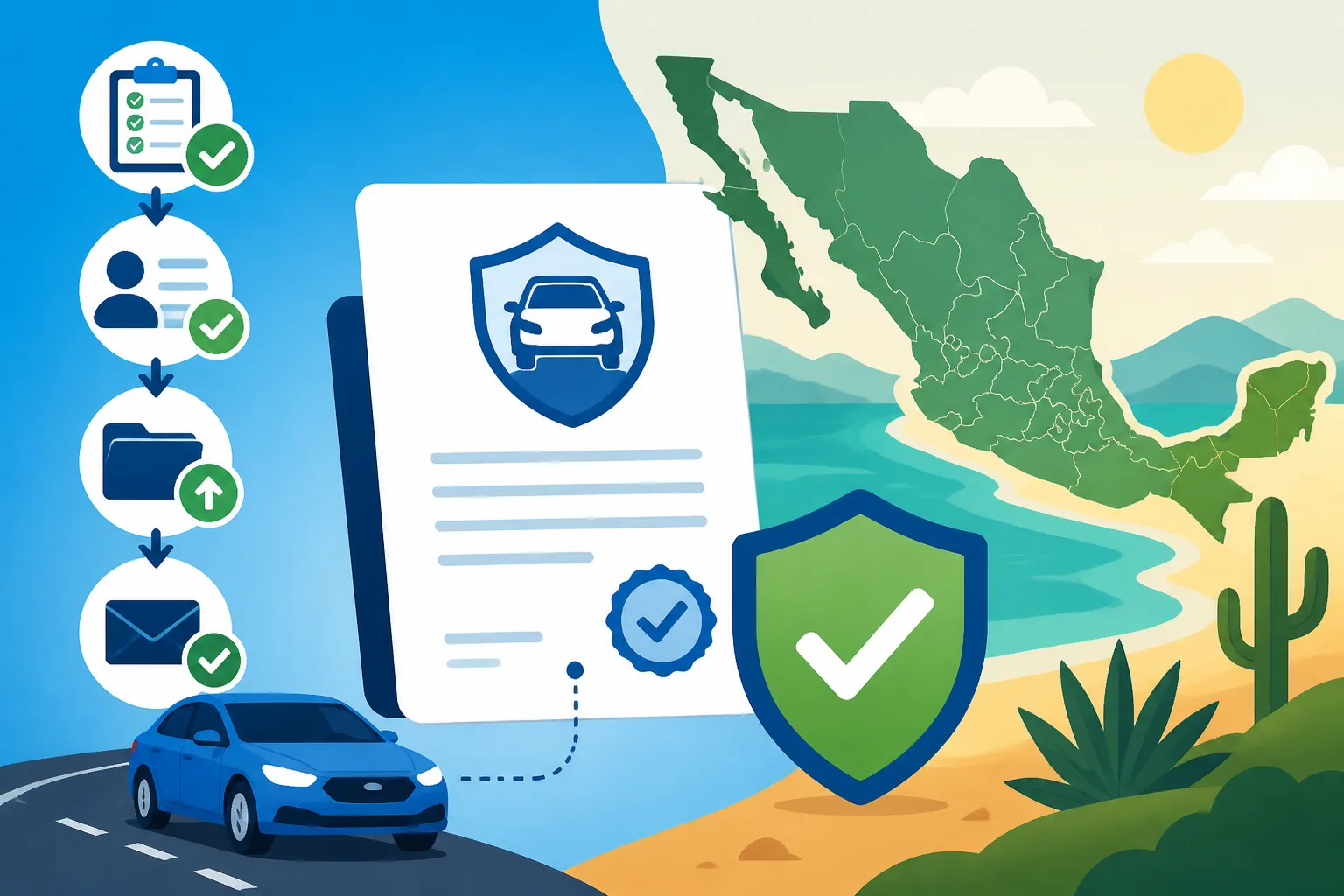
Getting a US Certificate of Coverage for Mexico: Application Steps
Living as an expat in Mexico brings incredible adventures, delicious food, and a vibrant culture, but let's be honest, the administrative side of things can be a real head-scratcher. One of the biggest financial concerns for American expats is navigating the murky waters of Social Security contributions – specifically, the fear of paying into both the U.S. and Mexican systems. This guide will walk you through the essential steps to apply for a U.S. Certificate of Coverage, a vital document that can save you from this very real headache, and how Taxes for Expats can be your trusted partner in ensuring you get it right.
Disclosure: This post may contain affiliate links. We may earn a commission at no extra cost to you if you make a purchase through these links. Read full disclosure.
Understanding the US-Mexico Totalization Agreement
The thought of paying taxes and social security contributions in two different countries can feel like a punch to the gut. Thankfully, the U.S. has what are called "Totalization Agreements" with several countries, and Mexico is one of them. These agreements are designed to eliminate dual Social Security taxation—meaning you shouldn't have to pay into both the U.S. Social Security system (FICA taxes for Social Security and Medicare) and the Mexican Social Security system (IMSS) for the same work. Without this agreement, many expats would face the burdensome obligation of contributing to two separate national social security programs, significantly impacting their income.
The agreement specifies which country's social security laws apply to a worker's earnings, usually based on where the work is physically performed. However, there are exceptions, particularly for temporary assignments. This is where the Certificate of Coverage comes into play. It acts as official proof from the U.S. Social Security Administration (SSA) that you are continuing to pay into the U.S. system, and therefore, you are exempt from contributing to the Mexican IMSS for the specified period. Understanding these nuances is exactly where a service like Taxes for Expats proves invaluable, as they specialize in untangling these complex cross-border tax issues for Americans living abroad. They can help you determine if you're eligible for this certificate and streamline your entire tax compliance process, ensuring you're not overpaying or missing crucial exemptions.
Who Benefits from a Certificate of Coverage?
This certificate isn't for every American living or working in Mexico, but it's a lifesaver for specific groups. Generally, it's for those who are temporarily assigned by a U.S. employer to work in Mexico, or for self-employed individuals who normally contribute to the U.S. Social Security system but are now working in Mexico.
Imagine you're an American working for a company based in San Diego, and they send you to their new branch in Guadalajara for a three-year assignment. Without a Certificate of Coverage, your employer (and you, if self-employed) might be obligated to pay into IMSS, Mexico's public healthcare and social security system, in addition to continuing your U.S. FICA payments. This is precisely the kind of double payment the Totalization Agreement aims to prevent. For those working for a Mexican employer, or those who truly intend for their employment in Mexico to be long-term (beyond five years, as per typical agreement terms), Mexican Social Security contributions would generally be required. It’s a nuanced area, and getting it wrong can cost you significantly. This is why having experts at Taxes for Expats guide you through your specific employment situation is so critical to ensure proper compliance and savings. They can assess your unique scenario and advise on the most beneficial path forward, whether it's obtaining this certificate or understanding your obligations to IMSS. IMSS Explained: Mexico's Public Health Insurance for Residents is a great resource to learn more about the Mexican system.
The Double Taxation Dilemma for Expats
The "double taxation dilemma" is more than just a catchy phrase; it's a very real financial drain that can significantly reduce your take-home pay. When you're an American expat working in Mexico, and you're subject to both U.S. Social Security taxes (FICA) and Mexican Social Security contributions (IMSS), your effective tax rate on earnings can skyrocket. You're essentially funding two retirement and social welfare systems simultaneously, often without receiving proportional benefits from both.
For example, if you're a self-employed graphic designer who moved to Mexico City and you're still working with U.S. clients, you're likely still responsible for U.S. self-employment taxes (which include Social Security and Medicare). But if you then also start picking up local Mexican clients and register as self-employed in Mexico, you could technically be on the hook for IMSS contributions as well. This isn't just about income tax; it's about those foundational social security contributions that can eat up a substantial portion of your earnings. This financial burden is precisely what the Totalization Agreement seeks to mitigate, and securing a Certificate of Coverage is the key. Without it, you might be unknowingly funding two retirement systems, effectively diminishing your current income and potentially not enhancing your future benefits by as much as you'd think. This is where professional help, like that offered by Taxes for Expats, becomes indispensable. They help identify if you're falling into this double taxation trap and provide solutions to navigate it, saving you money and stress. For a deeper dive into how this relates to your broader tax obligations, check out Double Taxation Treaties: How Expats Can Avoid Paying Taxes Twice.
Step-by-Step Guide to Applying for Your US Certificate of Coverage
Applying for a US Certificate of Coverage isn't like picking up milk at Oxxo; it requires attention to detail and patience. But it's absolutely worth the effort to avoid those pesky double contributions. Here’s a detailed breakdown of the application process.
Gathering Your Documentation
The first hurdle is always the paperwork, right? For the Certificate of Coverage, you'll need to provide specific information about yourself, your U.S. employer (if applicable), and your work situation in Mexico. This isn't just about filling in your name; it’s about providing enough detail for the SSA to confirm your eligibility under the Totalization Agreement.
Here's what you'll typically need to prepare:
- Your Personal Information: Full name, U.S. Social Security number, date of birth, place of birth, and current mailing address in Mexico or the U.S. (where you want to receive correspondence).
- For U.S. Employees Temporarily Assigned to Mexico:
- U.S. Employer's Information: Full legal name and address of your U.S. employer.
- Employer Identification Number (EIN): This is crucial for verifying the U.S. entity.
- Dates of Employment: When did you start working for this U.S. employer?
- Date of Transfer: The date you began working in Mexico for the U.S. employer.
- Expected Date of Return: The anticipated end date of your assignment in Mexico. Remember, these agreements usually cover temporary assignments, typically up to five years.
- Nature of Your Work in Mexico: A brief description of your duties and responsibilities.
- For Self-Employed Individuals:
- Description of Your Self-Employment: What kind of business or freelance work are you doing?
- Date Your Self-Employment Began in Mexico: When did you start working for yourself in Mexico?
- Expected End Date: When do you anticipate your self-employment activity in Mexico to conclude?
- Proof of Self-Employment: This could include business registration documents from your home country, client contracts, or a statement of your self-employment activities.
- Confirmation of U.S. Self-Employment Tax Payments: You'll need to show that you've been consistently paying U.S. self-employment taxes (Schedule SE on your IRS return). This is where services like Taxes for Expats can help you gather and present your past tax filings correctly.
It’s paramount that all information is accurate and consistent with your official records. Any discrepancies can lead to delays or even rejection. A common frustration for expats is ensuring everything aligns, especially if your job title or responsibilities have shifted. Taking the time to gather everything meticulously upfront will save you headaches down the line.
Filling Out Form SSA-2401-BK
Once your documents are in order, you'll need to complete Form SSA-2401-BK, titled "Application for a Certificate of Coverage – To Establish Continuing Coverage in the U.S. Social Security System." Don't let the official-sounding name intimidate you; it's a fairly straightforward form if you have all your information ready. This form is specifically for the U.S. Social Security Administration (SSA) to issue a certificate under a Totalization Agreement, in this case, the one with Mexico.
Here are some key sections to pay close attention to:
- Part I – Information About the Worker: This is where you provide your personal details, including your SSN. Ensure it matches your Social Security card exactly.
- Part II – Information About Your Employer: If you're an employee, your U.S. employer fills this out. They'll need to confirm their business details, your start date with them, and the details of your assignment in Mexico. This is critical because the certificate relies on your continued employment with a U.S. entity.
- Part III – Information About Your Work in the Foreign Country: Here, you (or your employer, depending on how you're employed) will detail your work in Mexico. This includes the date your work in Mexico began, the anticipated date it will end, and a description of the type of work you're doing. This section is vital for the SSA to determine if your work falls under the temporary assignment clause of the agreement.
- Part IV – Information About Your Self-Employment (if applicable): If you're self-employed, this section is for you. You'll describe your business activity and confirm that you usually pay U.S. self-employment taxes.
Make sure to indicate "Mexico" as the country of employment. A small mistake here could result in your application being sent to the wrong department or rejected. It's often helpful to have a professional eye review your completed form before submission, especially if you're not entirely confident about the details. This is precisely the kind of detailed assistance Taxes for Expats provides, ensuring forms are correctly filled out to avoid any delays.
Submitting Your Application
After you've diligently completed Form SSA-2401-BK and gathered all your supporting documents, it's time for submission. The application should be sent to the U.S. Social Security Administration's Office of International Programs.
Here’s the general process:
- Mail the Application: You'll typically mail the completed form and any required supporting documentation to the SSA's dedicated office for Totalization Agreements. The specific address will be listed on the form itself. It's highly recommended to send it via a trackable mailing service (like certified mail or an international courier if sending from Mexico) so you have proof of delivery.
- No Online Submission: As of now, this isn't an online application process. It's old-school mail, which means factoring in postal delivery times.
- Processing Time: Patience is a virtue here. The SSA processing times can vary widely depending on their caseload, but it's generally several weeks to a few months. Don't expect a quick turnaround. Applying well in advance of needing the certificate is always the best strategy.
- What to Expect Next: If your application is approved, you'll receive the Certificate of Coverage in the mail. If there are questions or issues, the SSA will contact you, usually via the mailing address you provided.
Once you receive your Certificate of Coverage, keep it in a safe place. You'll need it to present to your employer in Mexico (if applicable) or to Mexican authorities to prove your exemption from IMSS contributions. Getting your Taxes for Expats advisor involved at this stage can also help track your application and answer any follow-up questions from the SSA on your behalf, reducing your stress.
| Application Type | Required Information | Where to Send (General) |
|---|---|---|
| U.S. Employee | Personal info, U.S. employer info, work in Mexico | SSA Office of International Programs |
| Self-Employed | Personal info, description of self-employment, U.S. tax history | SSA Office of International Programs |
This certificate is a concrete step towards managing your financial obligations correctly as an American expat in Mexico. Don't underestimate its importance!
What to Do Once You Have Your Certificate and Ongoing Compliance
Congratulations! You've navigated the application process and have your U.S. Certificate of Coverage in hand. This is a significant achievement and a crucial document for your financial life as an expat in Mexico. But receiving it isn't the end of the journey; knowing how to use it and maintain its validity is just as important.
Presenting the Certificate in Mexico
Once you have your Certificate of Coverage, it's your proof that you're exempt from contributing to Mexico's IMSS system. How and when you present it depends on your employment situation in Mexico.
- For Employees of a U.S. Company: If your U.S. employer has a presence in Mexico and is managing your payroll, you'll provide this certificate directly to them. They will then use it to justify why they are not making IMSS contributions on your behalf, satisfying Mexican labor laws regarding social security for foreign workers on temporary assignment. It effectively tells the Mexican authorities, "This individual is covered by the U.S. Social Security system, as per the Totalization Agreement, so they don't need to pay into IMSS."
- For Self-Employed Individuals: This is where it can get a little trickier, as you don't have an employer to hand it to. If you are operating as a self-employed individual and engaging with Mexican clients or authorities, you should keep your Certificate of Coverage readily available. Should you be questioned about your social security contributions by Mexican tax or labor authorities (like SAT or IMSS), this document is your primary evidence of exemption. It proves that you are continuing to pay your FICA taxes in the U.S. and therefore are exempt from Mexican Social Security contributions for that period.
- Pro Tip: Even if you aren't directly asked, having a copy translated into Spanish by a certified translator is a very good idea. While the original English document is official, a Spanish translation can help clarify matters for local officials who may not be familiar with international agreements or English documentation.
The important thing is that this document protects you from paying into both systems for the same work. Without it, you could be liable for IMSS contributions, even if you're also paying into the U.S. system. For more information on navigating Mexican tax requirements for foreigners, check out Filing Taxes in Mexico as a Foreigner.
Maintaining Compliance and Future Renewals
A U.S. Certificate of Coverage is not a "set it and forget it" kind of document. It's issued for a specific period, reflecting the temporary nature of your assignment in Mexico (typically up to five years, though extensions can sometimes be granted). This means you need to be mindful of its expiration date and your ongoing obligations.
- Adhere to the Specified Period: Ensure your work in Mexico (or your self-employment) stays within the timeframe specified on your certificate. If your assignment is extended beyond this, you'll likely need to apply for a new certificate or an extension. This often means going through a similar application process again, possibly with additional documentation to justify the extension.
- Stay Informed on Totalization Agreement Changes: While rare, international agreements can be amended. Staying informed about any changes to the U.S.-Mexico Totalization Agreement is important, as these could affect your eligibility or requirements.
- Regularly Review Your Tax Situation: Your employment status, income sources, and residency status in Mexico can change over time. Each change could impact your tax and social security obligations in both the U.S. and Mexico. What was applicable under your initial certificate might not hold true if your situation shifts. For example, if you transition from a temporary assignment to permanent residency with a Mexican employer, your obligations to IMSS will likely change. This is especially important for self-employed individuals whose work patterns might evolve rapidly. Staying on top of these details is crucial for long-term Taxes for Expats compliance.
This constant vigilance is precisely why many expats rely on professional guidance. Regularly consulting with experts like Taxes for Expats ensures that you remain compliant with both U.S. and Mexican regulations, avoiding penalties and unexpected financial burdens. They can help you track renewal dates, advise on updated requirements, and ensure your overall tax strategy aligns with your evolving expat life in Mexico. This proactive approach to tax planning is vital for any American living abroad. Don't let your certificate expire unnoticed!
Common Pitfalls and Why Professional Guidance is Essential
Even with the best intentions and a detailed guide, navigating international tax and social security agreements can be fraught with challenges. Many expats fall into common traps that lead to frustration, delays, or even costly mistakes. This is where the value of professional guidance truly shines, especially from specialists like Taxes for Expats.
Navigating Bureaucracy and Language Barriers
Let's face it, bureaucracy is tough in your home country, and it can feel like a labyrinth when you're dealing with it in a foreign land. Applying for a U.S. Certificate of Coverage, while a U.S. process, often requires understanding your employment status within Mexico and how it relates to Mexican law. This means you might need to interpret local labor contracts, understand IMSS regulations, or explain your situation to Mexican officials who might not be familiar with the nuances of a Totalization Agreement.
- The Language Barrier: Even if you're fluent in conversational Spanish, legal and administrative jargon can be a whole different beast. Misinterpreting a term or an instruction can lead to significant delays or errors in your application. Imagine trying to explain the intricacies of U.S. FICA taxes versus IMSS to a local official who only speaks Spanish and follows specific local guidelines!
- Cultural Differences in Bureaucracy: The process and expectations in dealing with government agencies can differ dramatically. What might be standard practice in the U.S. (like emailing a form or calling for an instant answer) might not be the norm for all interactions, especially with international programs. Patience is indeed a virtue, but it's often tested when you're unsure if you're even asking the right questions.
- Documentation Specifics: Sometimes, the SSA might request additional information that you didn't anticipate, or your Mexican employer (if applicable) might need clarification on what the certificate means for their obligations. Bridging this gap between two different legal and administrative systems is a common source of stress for expats.
These challenges highlight why many American expats feel overwhelmed. They're trying to manage their finances, understand local laws, and comply with international agreements, often without a clear roadmap. This is precisely why a dedicated service focused on Taxes for Expats can be your lifeline. They speak the language of both tax systems and can effectively communicate your situation to the relevant authorities, saving you immense time and anxiety. Learn more about navigating the Mexican tax system generally with The RFC and SAT: Mexico's Tax System for Foreigners.
The Value of Expert Assistance
Given the complexities, the cost-effectiveness of seeking expert help becomes clear. Imagine spending hours researching, filling out forms, dealing with back-and-forth communication, and still worrying if you've done it correctly. This is where Taxes for Expats truly shines as the hero solution. They specialize in this exact niche—helping American expats navigate their tax obligations globally, including intricacies like the Certificate of Coverage.
Here's how professional assistance from Taxes for Expats can transform this daunting process:
- Ensuring Accuracy: An expert will ensure your application form (SSA-2401-BK) is filled out perfectly, minimizing the risk of rejection or delays due to common mistakes. They understand the specific requirements for each section and how to best present your information.
- Verifying Eligibility: Before you even start the application, they can assess your unique situation to confirm if you're truly eligible for the Certificate of Coverage under the U.S.-Mexico Totalization Agreement. This saves you time and effort if your circumstances don't align with the agreement's terms.
- Streamlining Communication: If the SSA has questions or needs additional documents, Taxes for Expats can act as your intermediary, ensuring clear and prompt communication. They understand the jargon and can articulate your case effectively.
- Holistic Tax Planning: The Certificate of Coverage is just one piece of your overall tax puzzle as an expat. Taxes for Expats can help you integrate this into your broader strategy for US Taxes for Americans Living in Mexico, ensuring compliance with the IRS while maximizing any foreign tax credits or exclusions you're entitled to. They consider your U.S. income tax, foreign income exclusion, and how your Social Security contributions fit into the larger picture.
- Saving Time and Stress: Time is precious, and peace of mind is priceless. Outsourcing this complex task to professionals frees you up to focus on enjoying your life in Mexico, knowing that your financial compliance is in capable hands. They do the heavy lifting, allowing you to avoid bureaucratic headaches.
- Avoiding Penalties: Incorrectly managing your Social Security contributions could lead to penalties from either the U.S. or Mexican authorities. Experts ensure you meet all deadlines and requirements, safeguarding you from unexpected fines.
In essence, while you can attempt to navigate the Certificate of Coverage application yourself, partnering with Taxes for Expats provides not just a service, but genuine peace of mind. They act as your expert guide through the administrative maze, ensuring you benefit fully from the U.S.-Mexico Totalization Agreement and maintain impeccable Taxes for Expats compliance, so you don't overpay. For any American expat in Mexico, ensuring proper tax management is crucial, and that's precisely what a service like Taxes for Expats is designed to deliver. Don't leave your financial future to chance; invest in expert guidance to make your expat life smoother and more secure.
Disclaimer
This article is for general informational purposes only and does not constitute professional advice. Laws, prices and regulations vary by location and change over time. Consult a qualified professional for guidance on your specific situation.