Can You Get a Credit Card in Mexico Without Credit History?
Walking into a Mexican bank branch, presenting a pristine 800 US credit score, and being laughed out the door because you are a financial “ghost” in the local system is infuriating. I spent my first year using my foreign cards and bleeding money on conversion fees because no one would approve me. This guide explains exactly how to break into the Mexican credit system from scratch.
Disclosure: This post may contain affiliate links. We may earn a commission at no extra cost to you if you make a purchase through these links. Read full disclosure.
The Frustrating Reality of the Mexican Credit Bureau
The most difficult concept for new expats to accept is that the financial reputation they spent decades building in their home country simply does not cross the border. The credit systems are completely siloed, and navigating this blind spot is a frustrating rite of passage.
Why Your Foreign Credit Score is Worthless Here
The United States, Canada, and Europe have highly integrated credit reporting agencies. However, the Mexican equivalent, the Buró de Crédito (and its counterpart Círculo de Crédito), does not communicate with Experian, Equifax, or TransUnion abroad. When you type your name and your new Mexican tax ID into a local bank’s application system, the computer returns a completely blank slate.
To the Mexican banking system, you are essentially a financial infant. It does not matter if you have a massive mortgage in California or a perfect payment history in Toronto. If there is no data in the local Buró de Crédito, traditional institutions like BBVA, Banorte, or Santander will automatically flag you as a high-risk applicant and deny your request for an unsecured credit card. This roadblock usually hits expats right after they successfully navigate Opening a Bank Account in Mexico, leading to the false assumption that having local cash means having local credit.
The Catch 22 of First Time Approval
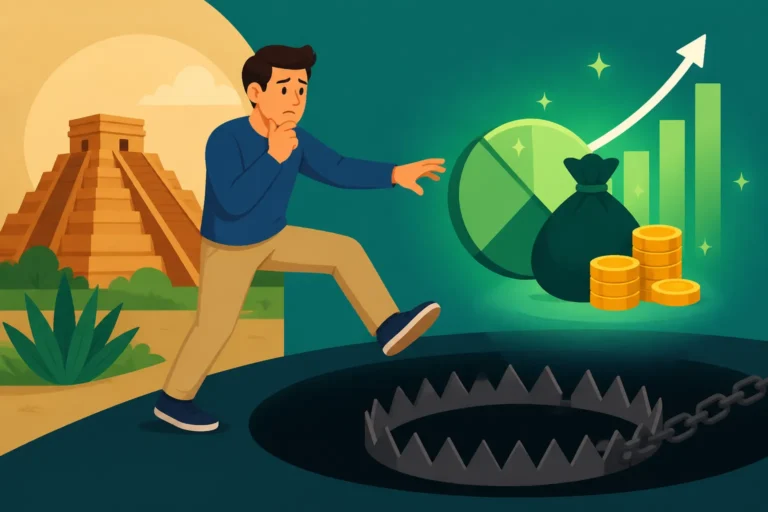
This creates a maddening paradox: you need local credit to get a Mexican credit card, but you cannot build local credit without someone first giving you a credit line. Furthermore, traditional Mexican banks are incredibly conservative. Even if you deposit a massive amount of cash into your new local checking account, the risk department will still likely deny your credit card application because they want to see a history of regular, localized monthly payments.
If you are a remote worker living a Digital Nomad Life in Mexico: Remote Work Living Guide, the banks will look at your foreign income with intense suspicion, as it is incredibly difficult for them to garnish wages that originate outside of the country if you default. You must abandon the traditional application process and use specific backdoor methods to force the system to acknowledge you.

Step by Step Solutions to Build Local Credit
Veteran expats have mapped out a few reliable strategies to bypass the traditional banking blockade. You do not need to wait years to get approved; you just need to start with the right financial products that are designed for people with zero history.
The Secured Credit Card Route
The most guaranteed path to building your Buró de Crédito profile is opening a Tarjeta de Crédito Garantizada (Secured Credit Card). Several banks in Mexico offer this product, but you have to specifically ask for it, as bank tellers rarely advertise it.
With a secured card, you provide a cash deposit to the bank, which acts as your credit limit. For example, if you want a 15,000 MXN credit limit, you deposit exactly 15,000 MXN into a locked vault account at the bank. The bank then issues you a genuine credit card that reports monthly to the credit bureau. Because your limit is entirely backed by your own cash, the bank takes on zero risk, making approval almost guaranteed as long as you have your legal residency card and an RFC.
After 6 to 12 months of using the card for groceries and paying the statement in full every month, the bank will automatically upgrade you to a traditional unsecured credit card and refund your initial cash deposit.
Leveraging Fintech Apps and Neobanks
If going into a physical branch to lock up your cash sounds unappealing, the Mexican fintech sector is currently undergoing a massive revolution that benefits expats immensely. Neobanks like Nu (Nubank), Stori, and RappiCard have aggressive growth strategies and highly modern risk assessment algorithms.
These digital banks are far more lenient with foreigners holding a Residente Temporal or Residente Permanente card. You apply entirely on your smartphone, and they often approve you for a micro-limit (sometimes as low as 2,000 to 5,000 MXN) with zero prior credit history. While the initial limit is tiny, these fintech cards report directly to the Buró de Crédito. By using the card to buy a few coffees a month and paying it off immediately, your credit score will rapidly materialize.
Utilizing Cell Phone and Department Store Accounts
If you cannot even get approved for a fintech micro-card, you must rely on retail credit. Department stores like Liverpool or Palacio de Hierro have their own internal credit cards. They are famously easier to acquire than bank cards. You can walk into a Liverpool branch with your residency card and a proof of address, and they will often approve you for a store-only credit line.
Similarly, signing a postpaid cellular contract (rather than a pay-as-you-go plan) generates a monthly reporting line on your credit file. By paying your monthly phone bill on time, you are actively building a profile. You can weigh the benefits of these contracts in Prepaid vs Postpaid Cell Plans: Which Saves You More Money in Mexico?.
| Credit Building Method | Approval Difficulty | Upfront Cost | Reports to Buró de Crédito | Best For |
|---|---|---|---|---|
| Fintech Micro-Card (Nu, Stori) | Easy | $0 | Yes | Expats who want a fully digital experience without locking up cash. |
| Secured Bank Card (Garantizada) | Very Easy | Equal to your desired credit limit (Cash Deposit) | Yes | Expats who want a higher initial limit and prefer traditional banks. |
| Department Store Card (Liverpool) | Easy to Moderate | $0 | Yes | Building initial history while buying household appliances or clothes. |
| Traditional Unsecured Bank Card | Very Hard | $0 | Yes | Expats who have lived in Mexico for 1+ years with established history. |
Managing Finances While You Wait for Approval
It takes approximately six months of perfect payment history on a secured card or fintech app before the major Mexican banks will trust you enough to offer premium credit products. During this waiting period, you still have to navigate your daily life without bleeding money to foreign transaction fees.
Avoiding Predatory Fees with Foreign Cards
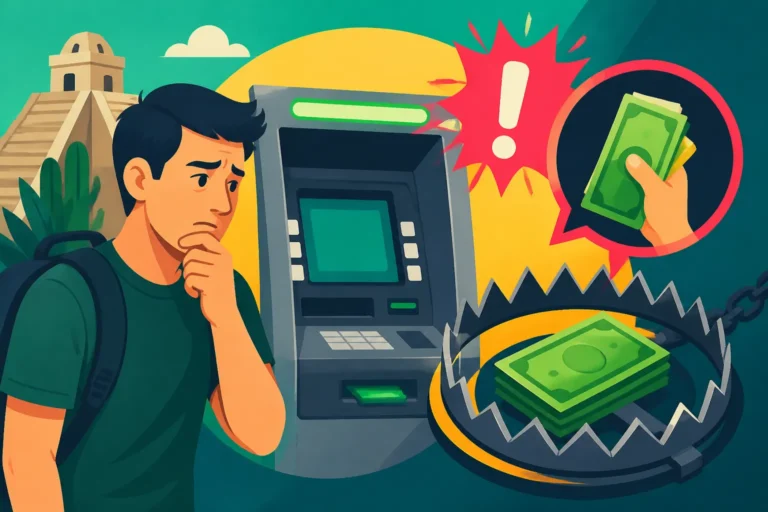
Until your local credit card is approved and generating rewards, you will likely rely on your home-country debit or credit cards. Swiping a foreign card at a Mexican supermarket or withdrawing cash from a local ATM exposes you to brutal conversion fees and dynamic currency traps, a reality explained deeply in Bank Fees in Mexico: Tips to Avoid Unnecessary Charges.
To survive this waiting period efficiently, I rely completely on Wise for my day-to-day spending. Instead of crossing my fingers on the exchange rate every time I buy groceries, I move my funds into Wise and convert them to Mexican Pesos at the exact mid-market rate. I then use my Wise debit card for all local purchases. Because the card pulls directly from a peso balance, it never triggers international transaction fees or declines. Setting up this localized spending routine is crucial for keeping your Cost of Living in Mexico: A Realistic Budget Breakdown accurate while you wait for the local credit bureau to acknowledge your existence.
Funding the Security Deposits and Large Moves
If you choose the secured credit card route, you will have to hand the bank a substantial chunk of cash. If you want a functional limit of 40,000 MXN (roughly $2,300 USD) so you can actually book flights or rent cars locally, you have to deposit 40,000 MXN.
Moving that much capital through a traditional retail bank wire to fund your security deposit is a terrible idea due to hidden SWIFT margins. For moving these large blocks of capital into the country, veteran expats use Interactive Brokers. Because Interactive Brokers functions as an institutional global trading platform, it gives you direct access to the actual Forex spot rate.
You can convert your home currency to Mexican Pesos via Interactive Brokers for mere pennies in commission. Once the funds are converted, Interactive Brokers allows you to wire the pesos directly to your Mexican checking account, providing the exact local liquidity you need to open your secured credit card. Protecting your capital during these large transfers is also essential for maintaining a clean cross-border financial footprint, a requirement highlighted in Taxes in Mexico for Expats: A Complete Guide to Income Tax and More.
Upgrading to Traditional Rewards Cards and Meses Sin Intereses
Once you put in the six months of effort to build a local profile, a massive financial perk unlocks for you, fundamentally changing how you buy goods in Mexico.
Unlocking the MSI Benefit
The ultimate holy grail of having a local Mexican credit card is access to Meses Sin Intereses (MSI). MSI literally translates to “Months Without Interest,” and it is the backbone of Mexican consumer spending.
When you go to a local store to buy a new refrigerator, a laptop, or even a plane ticket, and you swipe a local Mexican credit card, the terminal will ask if you want to pay in 3, 6, 12, or sometimes up to 24 months. If you select 12 months, the store divides the total purchase price by 12, and your credit card simply bills you that fraction every month with absolutely zero interest attached.
Foreign credit cards, Wise cards, and international debit cards do not qualify for MSI. The terminals simply will not trigger the prompt. Only genuine Mexican credit cards have this localized feature.
Having access to MSI allows you to cash-flow massive lifestyle purchases without draining your immediate liquid savings. It is the primary reason veteran expats fight so hard to get into the Mexican credit system. Once you understand how to navigate What Is a CLABE? Understanding Mexican Bank Account Numbers to easily pay your monthly local credit card bill, leveraging MSI becomes an incredible tool for establishing a comfortable, fully integrated life abroad without taking on predatory local debt.
References
Primary sources (official)
- Buró de Crédito: The official portal of Mexico’s primary credit reporting agency, where expats can eventually request their Special Credit Report (Reporte de Crédito Especial) to verify their newly built history. https://www.burodecredito.com.mx/
- Nu México: The official portal for one of Mexico’s largest regulated neobanks, outlining their leniency for residents and the digital application process that bypasses traditional bank bureaucracy. https://nu.com.mx/
Other helpful sources
- Kardmatch: A highly popular Mexican financial comparison aggregator that reviews the specific approval requirements for various fintech apps, department store cards, and secured bank products. https://www.kardmatch.com.mx/
Disclaimer
The information provided in this guide is for educational, logistical, and informational purposes only and does not constitute formal financial, credit, or legal advice. I am a veteran expat sharing practical strategies, not a certified financial planner or a representative of the Mexican banking system. However, credit approval algorithms, risk assessment criteria at major Mexican banks, and fintech terms of service are subject to frequent and sudden changes. Immigration requirements for securing local financial products (such as needing an active RFC and a valid Residente card) are strictly enforced by the government. Digital transfer platforms like Wise and brokerage services like Interactive Brokers operate under their own strict terms of service and fluctuating fee structures.