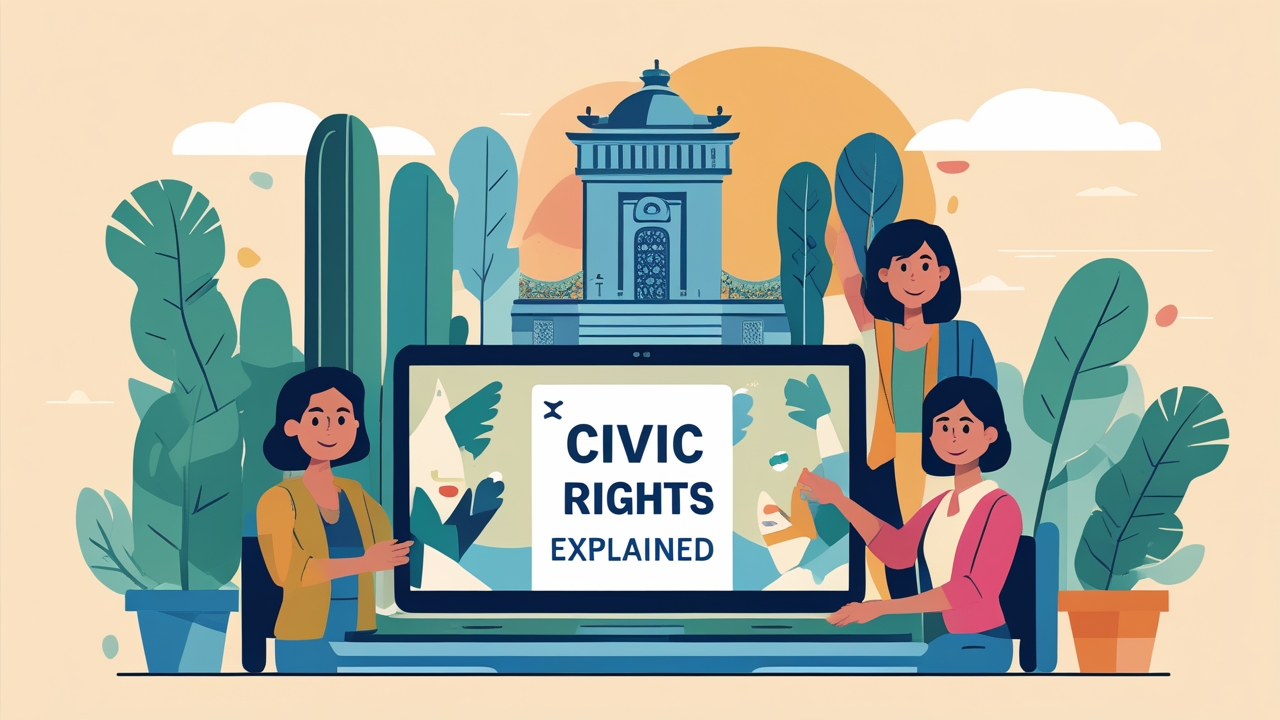
Can Foreign Residents Vote in Mexico? Civic Rights Explained
Watching a local political rally from your balcony and realizing you have absolutely no say in the laws governing your new home is one of the most isolating moments of the expat experience. When I first moved to Mexico, I found myself getting heated about local infrastructure projects, only to realize I was legally a guest with a taped-up mouth when it came to the ballot box. This guide breaks down exactly why foreign residents cannot vote in Mexico and explores the specific civic rights you do have while living under the Mexican sun.
Disclosure: This post may contain affiliate links. We may earn a commission at no extra cost to you if you make a purchase through these links. Read full disclosure.
The Constitutional Reality: Article 33 Explained
If you have spent any time navigating the Mexican legal system, you have likely heard whispers of "Artículo 33." This is the cornerstone of the Mexican Constitution regarding foreigners, and it is something every expat needs to understand before they even think about wearing a political t-shirt or attending a neighborhood rally. The Mexican government takes national sovereignty incredibly seriously, and Article 33 is the tool they use to protect it.
The Historical Context of Political Neutrality
To understand why Mexico is so strict about foreign political involvement, you have to look at its history. This is a country that has dealt with multiple foreign interventions, lost half its territory in the 19th century, and spent decades fighting for the right to self-determination. Because of this, the 1917 Constitution was designed to ensure that the "destiny of Mexico" remains strictly in the hands of Mexicans.
When you are living here on a residency permit, the government views you as a welcome guest, but a guest nonetheless. They want your investment, your culture, and your presence, but they do not want your opinion on who should be the next municipal president or governor. This isn't meant to be an insult; it is a deeply ingrained defensive mechanism born from centuries of conflict.
What Does Political Meddling Actually Look Like
Many expats mistakenly think Article 33 only applies to voting. In reality, the definition of "intervening in the political affairs of the country" is incredibly broad. It doesn't just mean you can't cast a ballot; it means you cannot join political parties, you cannot donate money to a campaign, and you should be extremely cautious about participating in public protests or marches.
I’ve seen well-meaning foreigners get caught up in local environmental protests or marches for social justice, only to find themselves facing scrutiny from immigration authorities. While the government doesn't go around deporting every expat who mentions a politician's name, the law gives them the power to expel any foreigner whose presence is deemed "inconvenient" without a trial. It is a "hush" rule that most of us learn to respect very quickly.
The Voting Question: Can Temporary or Permanent Residents Vote
The short answer is a definitive no. Whether you are holding a temporary resident card or you have upgraded and are looking into Mexico Permanent Residency Explained: A Complete Guide (2027), your voting rights remain at zero. In Mexico, the right to vote is tied strictly to ciudadanía (citizenship), not just residencia (residency).
The Legal Distinction Between Resident and Citizen
In many countries, long-term residents can vote in local or municipal elections. Mexico does not follow this model. To the Mexican Federal Electoral Institute (INE), you do not exist as a voter until you have a Mexican birth certificate or a naturalization letter. Even if you have lived in the same house in San Miguel de Allende for 20 years, paid your property taxes, and sent your kids to local schools, you are legally barred from the voting booth.
This often leads to a feeling of "taxation without representation," a phrase I hear often at expat coffee meetups. You are likely paying Taxes in Mexico for Expats: A Complete Guide to Income Tax and More, contributing to the IVA (Value Added Tax) on every purchase, and paying local fees, yet you have no voice in how those funds are allocated. It’s a bitter pill to swallow, but it is the trade-off for living in this beautiful country.
Local Neighborhood Associations and HOA Voting
There is one small exception where you can exercise a form of "voting" that impacts your daily life: the Asociación de Colonos or Homeowners Association (HOA). If you live in a gated community or a specifically organized neighborhood, you are often a member of a private civil association.
In these private meetings, you can vote on security measures, park maintenance, and internal neighborhood rules. While this isn't "civic voting" in a government sense, it is where most expats exert their influence. Just keep in mind that even in these settings, if the discussion turns toward municipal politics or supporting a specific candidate for mayor, it is wise to step back and let your Mexican neighbors lead the conversation.
Civic Rights You Do Actually Possess
While the ballot box is closed, being a foreign resident in Mexico doesn't mean you are without rights. In fact, the Mexican Constitution guarantees "human rights" to everyone on Mexican soil, regardless of their nationality. This is a crucial distinction that often gets lost in the "no voting" conversation.
Access to the Legal System and Protection
As a resident, you have the right to due process. If you are involved in a legal dispute, a car accident, or a contract disagreement, you have the same standing in a civil court as a Mexican citizen. You have the right to an attorney and the right to have an interpreter if your Spanish isn't up to par.
If you find yourself in a situation where you need to present foreign documents to a Mexican court or government office, you’ll quickly learn that everything must be officially translated. Using a service like RushTranslate is common for expats because they provide certified translations that meet the specific requirements of Mexican bureaucracies. Whether it’s a birth certificate for a residency renewal or a marriage license for a legal matter, having those documents ready is part of exercising your civil rights.
The Right to Health and Safety
You also have the right to access healthcare and public safety services. You can call 911 in an emergency, and the police are obligated to assist you just as they would a local. In terms of healthcare, while you may not be eligible for all public subsidies, you have the right to seek care in any private or public facility.
Managing your health is a major part of your "civic" life here. Many of us rely on international providers like Cigna Global to ensure we have the coverage we need without relying on the strained public system. Having high-quality insurance allows you to navigate the private hospital network, which is often where you will find the English-speaking staff and specialized care that makes expat life sustainable long-term. Staying healthy is, in many ways, the most important civic duty you have to yourself and your family while living abroad.
Comparison of Rights: Status in Mexico
To make it easier to visualize where you stand, I’ve put together this table comparing the different stages of legal status in Mexico and what each allows you to do.
| Activity | Tourist (FMM) | Temporary Resident | Permanent Resident | Mexican Citizen |
|---|---|---|---|---|
| Vote in Federal Elections | No | No | No | Yes |
| Vote in Local Elections | No | No | No | Yes |
| Hold Political Office | No | No | No | Yes |
| Participate in Protests | Highly Risky | Prohibited | Prohibited | Yes |
| Own Property (Restricted Zone) | Via Trust | Via Trust | Via Trust | Directly |
| Work for a Mexican Co. | No | With Permit | Yes | Yes |
| Access Public Healthcare | Emergency Only | Yes (IMSS) | Yes (IMSS) | Yes |
The Path to the Ballot Box: Naturalization
If you simply cannot imagine living the rest of your life without having a say in the government, there is only one solution: becoming a Mexican citizen. This is a big step, and it’s one that I see more and more long-term expats taking, especially as they realize they aren't planning on ever moving back to their home country.
Transitioning from Resident to Citizen
The process usually requires you to have lived in Mexico for at least five years (or two years if you are married to a Mexican or have Mexican children). You can find more details in our guide on How to Become a Mexican Citizen: The Complete Naturalization Guide. It involves a background check, a Spanish language exam, and a test on Mexican history and culture.
During this transition, you’ll be dealing with a mountain of paperwork. Again, this is where RushTranslate becomes your best friend, as you will likely need certified translations of your original citizenship documents from your home country to prove your identity to the Secretary of Foreign Affairs (SRE). Once you receive your Carta de Naturalización, you are no longer a guest. You are a citizen. You can apply for your INE card, which is the official voter ID and the most powerful piece of plastic in Mexico.
Staying Covered During the Wait
Naturalization is not a fast process. It can take anywhere from six months to two years to finalize everything. During this "in-between" phase, your lifestyle needs don't stop. You still need to maintain your The Ultimate Guide to Mexico's Visa and Residency Options (2027 Edition) status until the very moment you are sworn in.
I always tell people not to let their guard down regarding their international protections during this time. Keeping your Cigna Global policy active ensures that even if you are between statuses or waiting for your new Mexican ID to be processed, you aren't left vulnerable if a medical emergency hits. Transitioning your entire legal identity is stressful enough; you don't want to worry about hospital bills on top of it.
How to Be Civically Active Without Voting
Just because you can't vote doesn't mean you can't be a valuable member of your community. In fact, some of the most impactful people in my town are expats who have found ways to help without ever touching a ballot.
Community Service and Charities
Mexico has a vibrant "third sector" of non-profits and charities (Asociaciones Civiles). You can volunteer at animal shelters, help at local food banks, or participate in environmental cleanup crews. These activities are completely legal for foreigners and are highly respected by the local community. It shows that you care about the place you live, even if you don't have the right to choose the governor.
Supporting Local Business and Culture
Your "economic vote" is arguably more powerful than a single ballot in a local election. By choosing to shop at the mercado instead of a giant international chain, or by supporting local artisans and musicians, you are directly impacting the civic health of your neighborhood. Engaging with the culture, learning the language, and being a "good neighbor" are the best ways to ensure Safety in Mexico: What Expats Need to Know About Staying Safe. When the locals see you as one of their own, they will often look out for you in ways that the law never could.
Staying Informed and Compliant
The most important thing you can do as a foreign resident is to stay informed. Laws regarding immigration and foreign rights can change, and being out of the loop can lead to accidental violations.
Navigating the INM and SRE
Always keep your residency card up to date. If you move, you are legally required to notify the National Institute of Migration (INM) of your change of address. If you get a new passport, you must update your records. These small administrative tasks are part of your civic responsibility as a guest in Mexico. If you ever feel overwhelmed by the process, remember that Mexican Consulate Appointments: Tips to Succeed in Your Visa Interview are your gateway to getting the right information straight from the source.
Final Thoughts on Your Role as an Expat
Living in Mexico is a privilege, but it comes with the understanding that we are observers in the political arena. While it can be frustrating to see things you want to change and have no formal power to change them, there is a certain peace in letting go of the political vitriol that plagues many of our home countries. Here, we can focus on building local connections, supporting our neighbors, and enjoying the incredible quality of life this country offers. Respect Article 33, stay out of the marches, and find your voice through service instead of the ballot box.
Disclaimer
This article is for informational purposes only and does not constitute legal advice. Immigration laws and constitutional interpretations in Mexico are subject to change. Always consult with a qualified Mexican immigration attorney or the National Institute of Migration (INM) regarding your specific legal status and rights. The author is an expat sharing personal experiences and research, not a legal professional.