Digital Payments in Mexico: Using Mobile Apps and Wallets
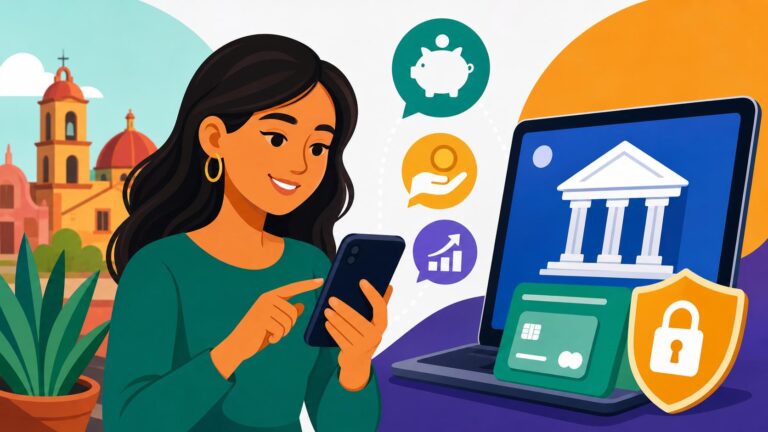
Staring blankly at a familiar taco stand while the vendor suddenly pulled out a digital QR terminal was a confusing expat milestone. I vividly remember the absolute frustration of my foreign debit card being repeatedly declined on local delivery apps during a massive tropical rainstorm. This comprehensive guide solves your digital payment anxiety, detailing exactly how to navigate state-backed networks, mobile wallets, and secure international transfers in Mexico.
Disclosure: This post may contain affiliate links. We may earn a commission at no extra cost to you if you make a purchase through these links. Read full disclosure.
The Death of Cash and the Rise of Digital Wallets
The Decline of Physical Cash for Daily Life
For decades, Mexico operated almost entirely as a cash-based society. When I first arrived, navigating daily life meant carrying thick envelopes of physical pesos, constantly searching for exact change to pay for a taxi, and mapping out safe ATM routes before leaving the house. However, the financial landscape has experienced a monumental, irreversible shift. Spurred by aggressive government financial inclusion initiatives and the massive penetration of cheap, internet-enabled smartphones, digital payments have actively pushed physical cash to the margins in major urban centers.
While you will absolutely still need coins for small rural purchases, highway toll booths, or tipping baggers at the grocery store, modern expat life in cities like Merida, Puerto Vallarta, and Mexico City is now governed by digital wallets. From neighborhood street food stalls equipped with portable Bluetooth card readers to massive corporate supermarkets, the baseline expectation is that you can pay with your phone or a contactless card. Clinging exclusively to cash today not only limits your convenience but exposes you to entirely unnecessary physical security risks.
Understanding this systemic shift is the very first step to truly integrating into the local economy. Relying on foreign cash and traditional traveler methods is financially inefficient and socially isolating. You must adapt to the digital tools that local Mexicans use every single day to thrive. We explore the broader implications of this economic modernization and how it impacts your monthly budget in our Cost of Living in Mexico: 2026 Comprehensive Guide.
Mercado Pago and the QR Code Revolution
If there is one digital wallet that overwhelmingly dominates the Mexican retail landscape, it is Mercado Pago. Originally launched as the localized payment arm for Mercado Libre, it has evolved into a ubiquitous, standalone financial ecosystem. Today, you will see the distinctive blue and white Mercado Pago QR codes taped to the checkout counters of pharmacies, boutique coffee shops, hardware stores, and even informal artisan markets across the country.
Using Mercado Pago as an expat is an absolute revelation. By scanning a merchant’s QR code with your smartphone camera, you can instantly transfer funds directly from your digital wallet to their account. It completely eliminates the need to carry physical debit cards or wait for a busy waiter to bring a portable payment terminal to your table. Furthermore, the application allows you to pay your municipal water and electricity bills digitally, recharge your prepaid Telcel mobile data plan, and even split restaurant bills effortlessly with local friends without dealing with exact change.
However, unlocking the full potential of Mercado Pago requires bypassing the massive friction of trying to load it with a foreign credit card, which is frequently declined by the app due to international fraud blocks. Veteran expats navigate this frustration by linking their wallet directly to a localized funding source or an agile borderless card. Managing these integrations is a crucial component of the financial logistics we discuss deeply in Using Credit and Debit Cards in Mexico: What Expats Need to Know.
Overcoming the Fear of Mexican Banking Apps
Many new expats harbor a deep-seated fear of utilizing local Mexican banking apps, assuming they will be clunky, highly insecure, or impossible to navigate without possessing fluent, specialized Spanish. In reality, the mobile applications offered by top-tier Mexican banks like BBVA, Santander, and Banorte are incredibly sophisticated. They often vastly outperform the legacy, outdated tech of regional credit unions in the United States or Canada.
These domestic apps offer advanced, highly secure features like cardless cash withdrawals. This specific feature allows you to generate a unique, time-sensitive numeric code on your smartphone to withdraw physical money from an ATM without ever inserting a plastic card into the machine. This effectively neutralizes the threat of ATM card skimming, a common security concern that we address thoroughly in Using ATMs in Mexico: Avoiding Fees and Staying Secure.
To gain access to these powerful domestic apps, you must endure the initial bureaucratic hurdle of opening a formal Mexican bank account. This typically requires presenting your temporary or permanent residency card, proof of address, and an official Mexican tax ID. While the initial paperwork is daunting for a newcomer, gaining entry to the domestic digital banking ecosystem is an absolute non-negotiable step for your long-term survival and comfort abroad.
Mastering the Central Bank Free Network
What is the State Backed Digital Network and How Does it Work
In an aggressive move to formalize the economy and reduce extreme cash dependency, the Mexican central bank launched a state-backed, instantaneous digital payment platform built directly on top of the national SPEI transfer network. Unlike massive international credit card processors, which charge local merchants hefty processing fees often ranging between two and four percent, this centralized digital network is completely free for both the buyer and the seller.
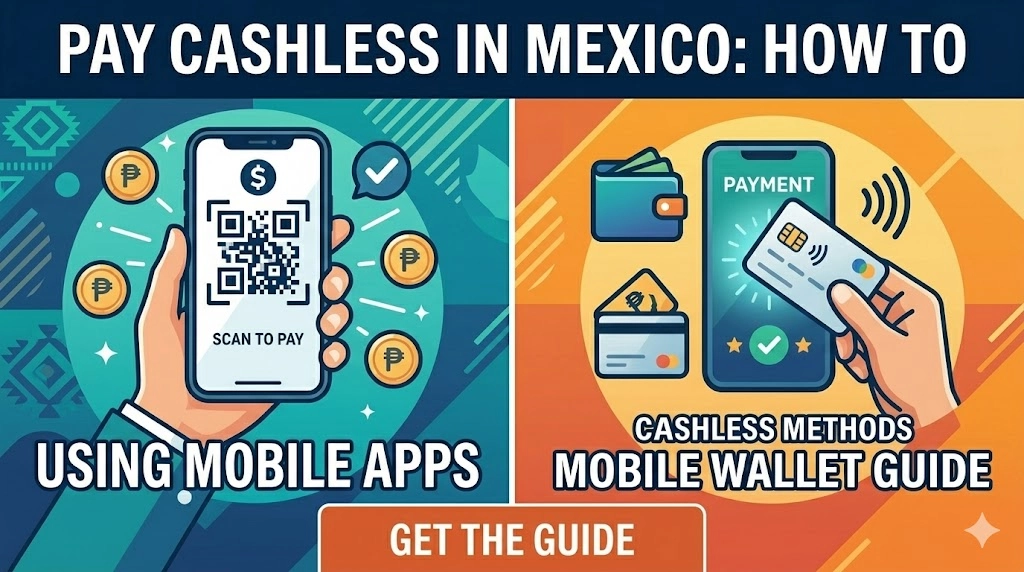
The system operates entirely via dynamic QR codes and near-field communication technology. When you want to purchase an item, the merchant generates a QR code on their smartphone or point-of-sale system indicating the exact peso amount owed. You simply open your Mexican banking app, scan the code, and authenticate the payment using your fingerprint or facial recognition. The funds clear from your account to theirs instantly, twenty-four hours a day, all year round.
Because this network eliminates crushing processing fees, local merchants heavily prefer it over international credit cards. In some instances, small business owners will even offer a slight, informal discount if you choose to pay via the national digital network rather than swiping a plastic reward card. Understanding the mechanics of these local, centralized payment rails is a core competency we discuss extensively in Banking in Mexico: Complete Guide for Foreigners.
Setting Up Digital Payments as a Foreigner
Because this state-backed network is not a standalone third-party app but rather a protocol integrated directly into existing Mexican bank accounts, you cannot simply download it from an app store and attach your US or Canadian debit card. To utilize this specific payment rail, you absolutely must possess an active, verified account with a participating, licensed Mexican financial institution.
Once your local bank account is established, setting up the digital payment profile is delightfully simple. You log into your Mexican mobile banking app, navigate to the specific digital payment section, and follow the localized prompts to register your device. The bank will permanently link your specific smartphone to your unique Mexican routing and account number. This essentially binds your device as a secure, authenticated payment terminal.
It is highly important to note that the registration process often requires receiving a localized SMS verification code. This means you must have an active Mexican cell phone number attached to your bank profile. Attempting to manage Mexican banking verification codes using a foreign phone number on a roaming plan is a persistent, infuriating headache that inevitably results in locked accounts.
Security Advantages Over Swiping Plastic
From a pure security perspective, scanning a QR code through your banking app represents a massive upgrade over traditional plastic cards. When you hand your debit or credit card to a waiter or a bartender in Mexico, you are unnecessarily exposing the physical card numbers, expiration dates, and security codes to potential cloning. Even if the waiter brings the wireless terminal directly to your table, your card data is still transmitted through vulnerable third-party commercial networks.
With centralized digital payments, your sensitive financial data is never shared with the merchant. The QR code acts merely as a localized digital invoice; your banking app pulls the payment request, and your bank pushes the funds directly to the merchant’s account via a highly encrypted network. The merchant only receives a digital confirmation that the payment cleared, completely insulating your account details from skimming devices.
Furthermore, every single transaction requires local biometric authentication or a complex mobile PIN to execute. If your phone is stolen while you are walking through a busy plaza, the thief cannot initiate a payment without your physical face or fingerprint. This layered security effectively neutralizes the threat of pickpockets draining your daily spending account while you are distracted.
Managing Subscriptions and Local E commerce
Why Foreign Cards Fail on Mexican Websites
One of the most infuriating rites of passage for an expat is trying to purchase a domestic flight on a local airline, order a new washing machine from a Mexican department store, or buy concert tickets online, only to have your premium home-country credit card repeatedly declined. This happens because Mexican e-commerce gateways employ hyper-aggressive, localized 3D Secure verification protocols to combat fraud.
When the Mexican payment processor attempts to ping your US or Canadian bank to verify your foreign billing address, the cross-border digital handshake frequently times out or fails outright. The Mexican vendor’s anti-fraud algorithm immediately flags the transaction as highly suspicious and drops the charge. Calling your home bank to angrily demand they lift the travel ban usually does not fix the underlying technical communication error.
To bypass this constant, massive friction, seasoned expats stop fighting the system and localize their digital spending. Utilizing localized funding sources ensures that your billing address matches your internet protocol address, and the transaction originates from a trusted domestic network. We detail the profound, daily importance of this localization strategy in Managing Your Money in Mexico: Budgeting, Saving, and Currency Tips.
Using SPEI Transfers for Direct Purchases
Because credit card processing on Mexican e-commerce sites is so temperamental, a uniquely Mexican workaround has become the industry standard: paying for online goods via direct domestic bank transfer. When you reach the final checkout page of a major Mexican retailer, you will almost always see an option to pay via electronic transfer.
If you select this option, the retailer provides you with a unique, one-time routing number associated with your specific order. You open your banking app, execute an instant transfer for the exact invoice amount to that specific number, and within minutes, the retailer’s automated system verifies the deposit and prepares to ship your item.
While it feels incredibly strange to an expat accustomed to the immediate consumer protection of a traditional chargeback, direct transfers are highly secure and culturally standard. To execute these transfers reliably, you need localized funds. Many expats use Wise to quickly push converted pesos into their local Mexican bank, ensuring they always have the liquid capital ready to execute a direct e-commerce payment without triggering foreign fraud alerts.
The Role of Delivery Ecosystems
The expat lifestyle is heavily augmented by super apps that handle food delivery, ride-sharing, and logistics. These platforms go far beyond simple restaurant delivery; they are massively integrated networks. Through these apps, you can order emergency prescription medications from the pharmacy, have a courier pick up your dry cleaning, or get groceries delivered directly to your door during a torrential tropical downpour.
To function smoothly, these apps require a seamlessly integrated digital payment method. Trying to pay a delivery driver in physical cash—especially requiring precise change from a large banknote late at night—is a logistical nightmare and a safety hazard. You absolutely must link a reliable digital card to these profiles to ensure smooth, contactless drop-offs.
Because these delivery platforms are heavily targeted by international hackers, you should vehemently avoid linking your primary, massive savings accounts. Instead, veteran expats link a controlled, dedicated virtual debit card—such as the one provided by Wise—to their delivery apps. This ensures that even if the app’s entire database is compromised in a cyber attack, your exposure is strictly limited to the small operating balance you loaded onto the virtual card for daily use.
Funding Your Digital Life Without Losing Money
The Hidden Costs of Loading Local Wallets
The convenience of digital wallets is undeniable, but it presents a distinct, highly expensive financial challenge: how do you physically get your home-country wealth into these localized Mexican digital platforms? If you rely on a traditional retail bank to wire your US Dollars or Euros directly into your Mexican checking account or digital wallet, you are being subjected to a gauntlet of predatory fees.
Traditional banks penalize you with steep outgoing international wire fees, unpredictable intermediary bank charges, and the most damaging hidden cost of all: the retail exchange rate spread. Mainstream banks do not give you the true market exchange rate; they pad the rate by three to five percent. If you wire two thousand dollars to fund your Mexican digital wallet, you will invisibly lose up to a hundred dollars to the bank’s corporate profit margin.
This hidden, relentless drain completely negates the convenience of digital payments. Over a year of expat life, relying on a legacy bank to fund your daily digital spending will cost you thousands of dollars in lost purchasing power. You must abandon the old international wire system and embrace modern, specialized financial tools that offer radical transparency.
Bypassing SWIFT with Smart Transfers
To instantly plug this massive leak in your monthly budget, modern expats route their digital funding through Wise. By initiating a transfer through Wise, you guarantee that your home currency is converted at the transparent, true mid-market exchange rate. The platform clearly displays the exact, microscopic fee before you click send, ensuring zero surprises and no hidden margins.
More importantly, Wise entirely bypasses the archaic, painfully slow international SWIFT network. They take your dollars domestically in your home country, and then use their localized Mexican reserves to push the equivalent pesos directly into your local Mexican bank account via the domestic transfer network. The funds usually arrive in a matter of seconds, rather than days.
Once those pesos hit your Mexican bank account, your local digital wallets are instantly fueled and ready to deploy at the neighborhood market. By using Wise as your financial bridge, you ensure that every single dollar you earn stretches as far as mathematically possible in the Mexican economy. For a complete guide to optimizing these pipelines, review Transferring Money Internationally: Best Ways to Send Money to/from Mexico.
Maintaining a Dual Currency Financial Moat
While it is incredibly exciting to fully integrate into the Mexican digital payment ecosystem, you must not lose sight of macroeconomic reality. The Mexican peso is an emerging market currency subject to intense, unpredictable volatility. Keeping the entirety of your net worth localized in a Mexican bank account or sitting idly in a local digital wallet exposes you to catastrophic devaluation risks.
If the peso plummets due to global geopolitical shocks, the global value of your localized savings evaporates instantly. To survive abroad, you must maintain a robust dual-currency financial moat. You should only convert the exact amount of pesos you need for a few months of local digital spending, funneling those funds efficiently to your local operating accounts.
The vast majority of your true wealth—your retirement nest egg, massive emergency funds, and long-term investments—should remain securely denominated in your home currency. The absolute gold standard for achieving this is holding your assets in Interactive Brokers. Because Interactive Brokers caters globally to international expats, you can legally maintain your global wealth using your Mexican address, ensuring your life savings are never frozen by a panicked domestic compliance officer. We explore this advanced wealth preservation strategy in Taxes in Mexico for Expats: A Complete Guide to Income Tax and More.
Security Protocols for Your Digital Wealth
Defending Against SIM Swaps and Phone Theft
When you transition to an expat lifestyle powered by digital wallets, your smartphone ceases to be a mere communication device and becomes the master key to your entire financial existence. Living in a vibrant Mexican metropolis carries the inherent risk of petty theft. If your phone is snatched on the subway or stolen off a café table, the thief must not be allowed access to your banking apps.
The most terrifying threat is not simply losing the physical device, but falling victim to a malicious attack where hackers hijack your Mexican cell phone number to intercept the SMS two-factor authentication codes sent by your bank. To defend against this, you must absolutely stop using standard text messages as your primary security method across all your global accounts.
You must transition all of your financial platforms to app-based authenticators that require a biometric face scan or physical fingerprint to open. Furthermore, ensure your smartphone’s operating system requires a complex alphanumeric passcode immediately upon waking, rather than a simple four-digit pin. These layered defenses buy you the critical time needed to freeze your accounts if your device is severely compromised.
Isolating Your Global Savings from Daily Spending
Financial security abroad is built upon the strict principle of compartmentation. You should never, under any circumstances, install the mobile application for your primary, high-net-worth brokerage account onto the phone you carry daily through the busy streets of Mexico. If a thief forces you to unlock your phone under duress, they should only find access to your limited, daily operating funds.
Your massive life savings—held securely in Interactive Brokers—should only be accessed via a secure laptop or a secondary mobile device that never leaves a locked, heavy-duty safe inside your home. Interactive Brokers provides institutional-grade security protocols specifically designed to protect massive global wealth, but you must respect those protocols by physically isolating the access point from the public sphere.
On your daily-carry phone, you should only install your local Mexican banking app, with a strict daily transfer limit officially imposed by the bank, and your digital wallet containing a modest, tightly controlled balance for immediate transfers. By physically separating your true wealth from your daily digital wallets, you ensure that petty street crime remains a minor, localized inconvenience rather than a devastating, life-altering financial disaster.
What to Do If Your Account is Compromised
Preparation is entirely meaningless without a concrete, rehearsed action plan. If you suspect your digital wallet has been hacked, or if your phone containing your banking access is stolen, you must act with ruthless speed. Do not wait hours to confirm the theft; you must assume immediate, hostile compromise and begin locking down your infrastructure.
Your very first step is to access a secure laptop and immediately change the passwords for your primary email accounts, as these are the recovery vectors for all your financial apps. Next, log into your Wise account via the web browser and instantly freeze all your digital and physical debit cards with a single click. Finally, use a friend’s phone to call your Mexican bank’s dedicated fraud hotline to lock your domestic transfer functionalities.
Living abroad successfully requires you to act as your own personal security officer. You must maintain a physical, written ledger of international fraud hotlines, account numbers, and emergency contacts locked securely in your home. By mastering these digital payment systems and rigorously enforcing your own security protocols, you transition from a vulnerable tourist to a highly secure, integrated expat who navigates the Mexican economy with absolute confidence.
| Payment Method | Associated Fees | Acceptance in Mexico | Best Use Case for Expats |
| Physical Cash | None (ATM fees may apply) | Universal | Street vendors, rural towns, small tips. |
| Foreign Credit/Debit | Foreign exchange fees | High (Urban areas) | Major supermarkets, luxury dining, hotels. |
| State-Backed Digital QR | Free | Growing rapidly | Paying local merchants instantly via scan. |
| Third-Party Wallets | Low to None | Extremely High | E-commerce, utility bills, quick checkout. |
| Direct Domestic Transfer | Free | Universal (Business) | Rent, large e-commerce purchases, medical bills. |
References
Primary sources (official)
- Banco de México – The official central bank portal detailing the national digital payment platforms and domestic transfer statistics. https://www.banxico.org.mx/
Other helpful sources
- Wise – Transparent tools for securing mid-market exchange rates and funding local digital wallets. https://wise.com/
- Interactive Brokers – Global portfolio management providing institutional-grade security for expat wealth. https://www.interactivebrokers.com/
Disclaimer
The information provided in this article is for educational and informational purposes only and does not constitute financial, legal, or investment advice. Mexican digital payment regulations, central bank platforms, and the fee structures of third-party applications are subject to frequent changes. Always verify current terms of service, robust security protocols, and international transfer fees before committing funds. Ensure any financial platforms or services mentioned meet your specific individual legal residency and compliance requirements.