Buying Property in Mexico: Moving the Deposit and Closing Funds Safely
Alright, let's talk about one of the biggest headaches when you decide to buy property here in Mexico: moving all that money. It's not just about finding the right house or navigating the legal maze; it's about the very real anxiety of transferring a substantial sum across borders, fearing high fees, snail-paced transactions, and, honestly, just plain losing your shirt in the process. This guide is going to walk you through the safest, most efficient ways to get your deposit and closing funds to Mexico, with a strong focus on how services like Wise can make this daunting task a whole lot smoother.
Disclosure: This post may contain affiliate links. We may earn a commission at no extra cost to you if you make a purchase through these links. Read full disclosure.
The Initial Hurdle: Understanding the Challenge of Moving Large Sums to Mexico
So, you've found your dream casa in Mexico, negotiated a price, and now comes the moment of truth: you need to send a significant chunk of change to seal the deal. For many of us expats, especially those new to international finance, this can feel like staring into the abyss. You're not just moving pocket money; you're moving a life-changing amount, and the stakes are incredibly high.
Why Traditional Bank Transfers Can Be a Headache
When I first moved here, the thought of sending thousands of dollars via my regular bank back home was enough to give me a nervous tic. And for good reason! Traditional banks, bless their hearts, often operate with outdated systems and hefty fees. You might get charged a flat fee for the outgoing international wire, then another fee from an intermediary bank, and sometimes even a receiving fee from the Mexican bank. It's like a toll booth every few miles on a long road trip, and each toll takes a chunk of your hard-earned cash.
Then there's the exchange rate. Oh, the exchange rate! Banks notoriously offer less favorable rates than the real mid-market rate you see on Google. That seemingly small percentage difference can add up to hundreds, even thousands, of dollars on a large transaction. Plus, traditional bank wires can take days, sometimes even a week or more, to clear. When you're on a tight closing schedule, waiting anxiously for funds to arrive can be utterly agonizing. You're left in limbo, wondering if the money actually went through or if it's floating somewhere in the digital ether.
The Importance of Transparency and Security
Beyond the cost and speed, security is paramount. You're sending a deposit, perhaps even the full closing funds, and you need absolute assurance that the money will arrive safely and in the right hands. The thought of a transfer getting lost, rerouted, or intercepted is a nightmare scenario. You also want to ensure that the process is transparent, allowing you to track your funds and understand exactly where every peso is going.
Mexico's financial system, while increasingly modern, still has its quirks. You might hear about scams, or misunderstandings, especially if there's a language barrier or you're dealing with less-than-reputable individuals. Therefore, choosing a method that prioritizes verifiable transfers and clear communication channels is non-negotiable. This isn't just about convenience; it's about peace of mind.
Essential Steps Before You Even Think About Transferring Funds
Before you hit "send" on any large sum, there are some crucial groundwork steps you absolutely must take. Trust me, skipping these can lead to major headaches down the road.
Getting Your Mexican Bank Account in Order
This might seem obvious, but it's astonishing how many people try to manage large property transactions without a solid local banking setup. While it's possible for a notary to receive funds directly, having your own Mexican bank account streamlines the process significantly. It allows you to receive funds, pay local expenses, and demonstrate your financial presence here.
The process of How to Open a Bank Account in Mexico as a Foreigner requires a bit of paperwork, but it’s entirely doable, even as a temporary resident. You'll need your residency card (Residente Temporal or Residente Permanente), your passport, and often a utility bill in your name. Once your account is open, pay close attention to your CLABE number. This 18-digit interbank code is Mexico's equivalent of an account number and routing number combined, and it's essential for all electronic transfers within Mexico and for receiving international transfers. Make sure you have this accurate and handy. While some banks might have stricter requirements for large international deposits, having an established account helps immensely. You might want to consider major banks like BBVA, Banorte, or Santander, as they are generally well-equipped for international transactions.
Understanding Mexican Property Purchase Regulations
Buying property in Mexico, especially in coastal or border "restricted zones," involves specific legal frameworks. You absolutely need to understand these before any money changes hands. For most foreigners buying in these restricted zones, direct ownership isn't possible, so you'll set up a fideicomiso, or bank trust. This is where a Mexican bank acts as a trustee, holding the legal title on your behalf, granting you all the rights of a direct owner. Learning How to Set Up a Fideicomiso to Buy Property in Mexico is a critical piece of the puzzle.
You'll also be working closely with a notario público (public notary). In Mexico, notaries are highly trained legal professionals who handle real estate transactions, ensuring legal compliance and collecting taxes. They are not just witnesses; they are crucial facilitators. All funds for closing, including your deposit and the final payment, will often pass through the notary’s secure account. This is a good thing – it adds a layer of protection.
Finally, you’ll need a Mexican tax ID, known as an RFC (How to Get an RFC in Mexico). While you might start the property purchase process without one, you'll need it for most official financial dealings, especially large ones. Get ahead of the curve and apply for yours as soon as possible.
Exploring Your Options: Ways to Move Money for Your Deposit and Closing
Now that the groundwork is laid, let’s get down to the brass tacks of actually moving your money. There are several ways to do this, each with its own pros and cons.
Traditional Bank Wire Transfers and Their Downsides
The most common, and often the first thought, is to use a traditional bank wire transfer through your home country bank. You’d initiate a SWIFT transfer, providing the Mexican bank's SWIFT code, your account number (or the notary's), and the CLABE.
However, as I mentioned earlier, these transfers come with notable drawbacks:
- Exorbitant Fees: Banks charge substantial fees for international wires, sometimes $25-$50 per transaction on both ends. When you're making multiple transfers (deposit, closing funds, maybe furnishing), these add up quickly.
- Unfavorable Exchange Rates: Banks add their own spread to the exchange rate, meaning you're not getting the true mid-market rate. This "hidden fee" can be the most significant cost, shaving off thousands of dollars from your purchase power on large sums.
- Slow Processing Times: Wires can take 3-5 business days, sometimes longer, especially if there are intermediary banks involved. This delay can stress out a closing process that often has strict deadlines.
- Lack of Transparency: Tracking a traditional bank wire can be frustrating. You'll often get a confirmation that it's sent, but then you're left waiting, with limited visibility on its progress until it finally shows up in the receiving account.
For smaller, non-urgent transfers, they might be acceptable, but for the large, time-sensitive amounts required for property purchases, they are far from ideal.
Specialized Money Transfer Services: The Wise Advantage
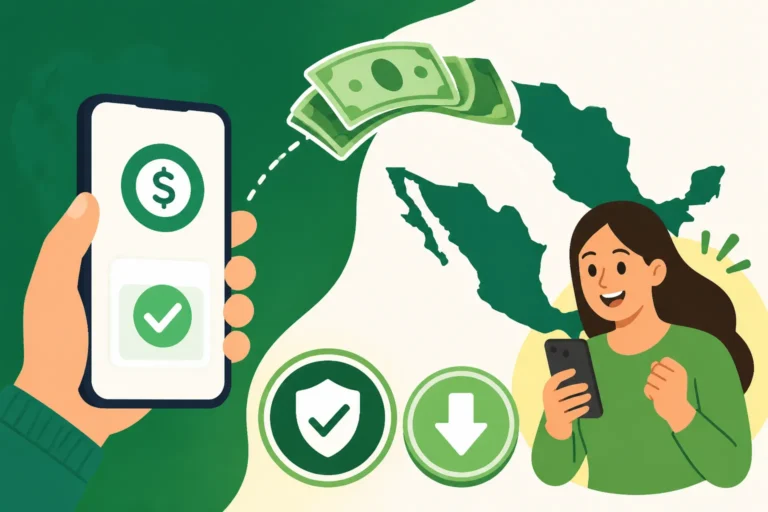
This is where a service like Wise truly shines and becomes the absolute hero for expats buying property in Mexico. Wise (formerly TransferWise) was built specifically to address the pain points of international money transfers, making it faster, cheaper, and more transparent.
Here's why Wise is often the best choice for moving your deposit and closing funds to Mexico:
- Real Mid-Market Exchange Rates: This is the game-changer. Wise uses the real exchange rate, the one you see on Google, and charges a small, upfront fee. This means no hidden markups, and you know exactly how many pesos your dollars (or other currency) will become. This can save you a significant amount compared to traditional banks.
- Lower Fees: The fees are dramatically lower than traditional banks, often a fraction of the cost. They are also clearly displayed upfront, so there are no surprises.
- Speed: Many Wise transfers to Mexico arrive within hours, often on the same day, especially for common currency pairs like USD to MXN. This speed is invaluable when you're working with deadlines for deposits or closing.
- Transparency and Tracking: Wise provides excellent tracking. You get real-time updates on your transfer, so you always know exactly where your money is in the process, from initiation to delivery. This visibility offers immense peace of mind.
- Ease of Use: The Wise platform is incredibly user-friendly, whether you're using their website or mobile app. Setting up a transfer is straightforward, and their customer support is generally very responsive.
- Multi-Currency Account: Wise also offers a multi-currency account, allowing you to hold money in different currencies, convert it when the rate is favorable, and send it when needed.
Let's illustrate with an example: You need to send a $50,000 USD deposit. With a traditional bank, you might pay $50 in wire fees and lose another $500-$1000 on a poor exchange rate. With Wise, you might pay a total fee of $250-$400, but you'd save significantly more on the exchange rate, putting hundreds, if not thousands, of extra dollars back into your pocket.
When it comes to transferring your deposit and the substantial closing funds for your property in Mexico, Wise offers a compelling combination of cost-effectiveness, speed, and transparency that is hard to beat.
Other Digital Transfer Platforms and Their Nuances
While Wise is our top recommendation for large-scale property transfers, there are other digital platforms you might encounter:
- Xoom (a PayPal service): Xoom is popular for smaller, personal remittances. It offers decent rates and speed, but for very large transfers, the fees might not be as competitive as Wise, and the exchange rate might have a slightly larger margin. They also have daily/transaction limits that might make sending full closing funds in one go challenging.
- Remitly: Similar to Xoom, Remitly excels at smaller, fast transfers for family support or smaller payments. Its fee structure and exchange rates might be less optimized for the multi-thousand dollar sums required for real estate.
- OFX: OFX is another reputable option for larger transfers, offering competitive rates and no transfer fees for amounts over a certain threshold. They operate more like a currency broker and can offer personalized support. While a good option, Wise often provides superior transparency with its live mid-market rate and typically offers better rates for many users, especially when compared directly.
For the sheer size and importance of a property purchase, the transparent fees and real exchange rates offered by Wise make it the standout choice.
The Deposit: Securing Your Future Home
The deposit is the first major financial commitment you'll make in your property buying journey. Getting this right is crucial.
How Deposits Work in Mexico
In Mexico, deposits (often called "arras" or "anticipo") typically range from 10% to 30% of the property's purchase price. This initial payment demonstrates your serious intent to buy. The funds are usually sent to a secure account, often managed by the notary public or a reputable real estate agency that acts as an escrow agent. Unlike some countries where independent escrow companies are standard, in Mexico, the notary often fulfills a similar role, holding funds until the closing.
When it's time to send this crucial first payment, the benefits of using Wise become immediately clear. You'll need the exact banking details for the notary's or agent's account. This includes the bank name, account holder's name (usually the notary's legal name or the firm's name), and the CLABE number. Initiating this transfer through Wise means you're minimizing fees, getting a fair exchange rate, and can track the funds every step of the way, alleviating that nagging worry about your money going astray.
Timing and Documentation for Deposits
Deposits are almost always time-sensitive. Your purchase agreement will stipulate a deadline for the deposit to be received, typically within a few days or weeks of signing the initial offer. Missing this deadline could jeopardize your purchase. This is another reason why the speed of Wise transfers is a huge advantage over slower bank wires.
Once the deposit is sent, ensure you receive a clear, written receipt from the notary or real estate agency. This documentation is vital. It should confirm the amount received, the date, and the property it relates to. Wise also provides detailed transfer receipts that can serve as excellent proof of payment for your records and for the notary. Always keep clear records of all transactions, including screenshots, confirmation emails, and any communication with the transfer service or the receiving party. This meticulous record-keeping will save you countless headaches, especially when dealing with Property and Capital Gains Tax in Mexico: A Guide for Foreigners later on.
Closing Funds: The Final Stretch to Ownership
The biggest financial leap is, of course, the transfer of the remaining closing funds. This is where most of your money will go, and it needs to be handled with extreme care and efficiency.
Transferring the Bulk of the Funds
A few days, or sometimes a week, before your scheduled closing date, you'll need to transfer the remaining balance of the purchase price, along with any associated closing costs, to the notary's designated account. This is the single largest financial transaction in your property purchase, and it’s critical that it goes off without a hitch.
Again, this is where Wise proves its value. You’ll be transferring a significant sum, potentially hundreds of thousands of dollars. The small percentage savings on the exchange rate offered by Wise will translate into substantial actual savings on your total cost. Imagine saving even 0.5% on a $300,000 transfer – that's $1,500 that stays in your pocket, not lining a bank’s coffers.
To initiate this transfer, you'll follow a process similar to the deposit: log into your Wise account, set up the transfer to the notary's Mexican bank account, enter the amount, and confirm the details. Double-check everything, especially the CLABE number and the account holder's name. It's a good idea to confirm these details verbally with your notary or trusted real estate agent as well, just for that extra layer of security.
Role of the Notary in Receiving and Disbursing Funds
The notary public in Mexico is the linchpin of the closing process. Their office receives the closing funds, disburses payments to the seller, pays the necessary taxes (such as acquisition tax and property registration fees), and ensures all legal documents are correctly signed and registered.
It's crucial to have clear and constant communication with your notary's office about the expected arrival of your funds. Provide them with the Wise transfer confirmation once it's initiated. They will often send you a detailed breakdown of all costs prior to closing, ensuring you know exactly how much to send. This transparency is key. They will then confirm once the funds have landed in their account, allowing the closing ceremony to proceed. This process often takes place on the same day the funds arrive, highlighting the importance of using a fast and reliable transfer method like Wise.
Avoiding Pitfalls and Ensuring Smooth Transactions
Even with the best tools, knowledge is your most powerful asset against potential issues.
Preventing Scams and Fraud
Unfortunately, where there's money, there's always the risk of fraud. When dealing with large sums for property, vigilance is crucial.
- Verify Everything: Always, always, always verify bank details directly with the notary's office or a trusted, established real estate agent via a different communication channel than the one you initially received the details from. If you received banking information via email, call the notary's office on a known, verified phone number to confirm. Email spoofing and hacking are real threats.
- Be Wary of Unusual Requests: If anyone asks you to send funds to a personal account, an account not belonging to the notary or recognized agency, or if there's any pressure to send funds urgently without proper documentation, raise a huge red flag. Never transfer funds to an account that seems suspicious.
- Trust Your Gut: If something feels off, it probably is. Take a pause, ask questions, and seek independent advice. Using a reputable service like Wise for your transfers inherently adds a layer of professionalism and traceability that helps deter some types of fraud.
Tax and AML Considerations for Large Transfers
Mexico, like any other country, has regulations regarding large financial transactions, primarily to combat money laundering. When you transfer significant funds into Mexico, particularly for property, the Mexican tax authority, SAT (Servicio de Administración Tributaria), is aware.
It’s important that your funds are declared and accounted for. Wise provides comprehensive transaction histories and statements, which are invaluable for demonstrating the source of your funds if ever required. For US citizens, remember your obligations to report foreign bank accounts and assets to the IRS (FATCA/FBAR). This transaction contributes to your financial footprint abroad.
Understanding your tax obligations is key, and it’s a good idea to consult with a Mexican accountant (contador) or tax specialist, especially concerning Filing Taxes in Mexico as a Foreigner. They can advise on proper reporting and ensure your financial movements are fully compliant with Mexican law. Remember, transparency and proper documentation are your best defense.
Comparing Transfer Methods for Property Purchases
To give you a clearer picture, here's a quick comparison of the two main options for moving large sums of money for a property purchase in Mexico.
| Feature | Traditional Bank Wire Transfer | Wise (formerly TransferWise) |
|---|---|---|
| Exchange Rate | Bank's marked-up rate (less favorable than mid-market) | Real mid-market rate |
| Transfer Fees | High outgoing fee + potential intermediary fees + receiving fee | Low, transparent upfront fee (usually a percentage + small flat fee) |
| Speed | 3-5 business days (can be longer) | Often same-day or within hours for common currencies |
| Transparency/Tracking | Limited visibility, often just "sent" confirmation | Real-time tracking, email updates on progress |
| Security | Generally secure, but less transparent tracking can cause anxiety | Highly secure, regulated, with robust tracking and support |
| Convenience | Requires bank visit/online banking portal, complex SWIFT details | User-friendly online/app interface, simple setup |
| Cost for Large Sums | Can be significantly more expensive due to exchange rate markups | Substantially more cost-effective due to real exchange rate |
As you can see, for the critical task of moving large funds for a property deposit or closing, a specialized service like Wise offers distinct advantages in cost, speed, and peace of mind.
Buying property in Mexico is an exciting chapter, and navigating the financial aspects shouldn't detract from that experience. By understanding your options, taking the necessary preparatory steps, and leveraging efficient and transparent services like Wise, you can ensure your funds move safely and economically, bringing you one step closer to your dream life south of the border.
Disclaimer
The information provided in this guide is for general informational purposes only and does not constitute financial, legal, or tax advice. While we strive to keep the information up-to-date and accurate, regulations and financial products can change. Always consult with qualified financial, legal, and tax professionals in both your home country and Mexico before making any significant financial decisions related to property purchases or international money transfers. Each individual's situation is unique, and professional advice tailored to your specific circumstances is essential.