When a Mexican Trust Structure Does Trigger US Reporting
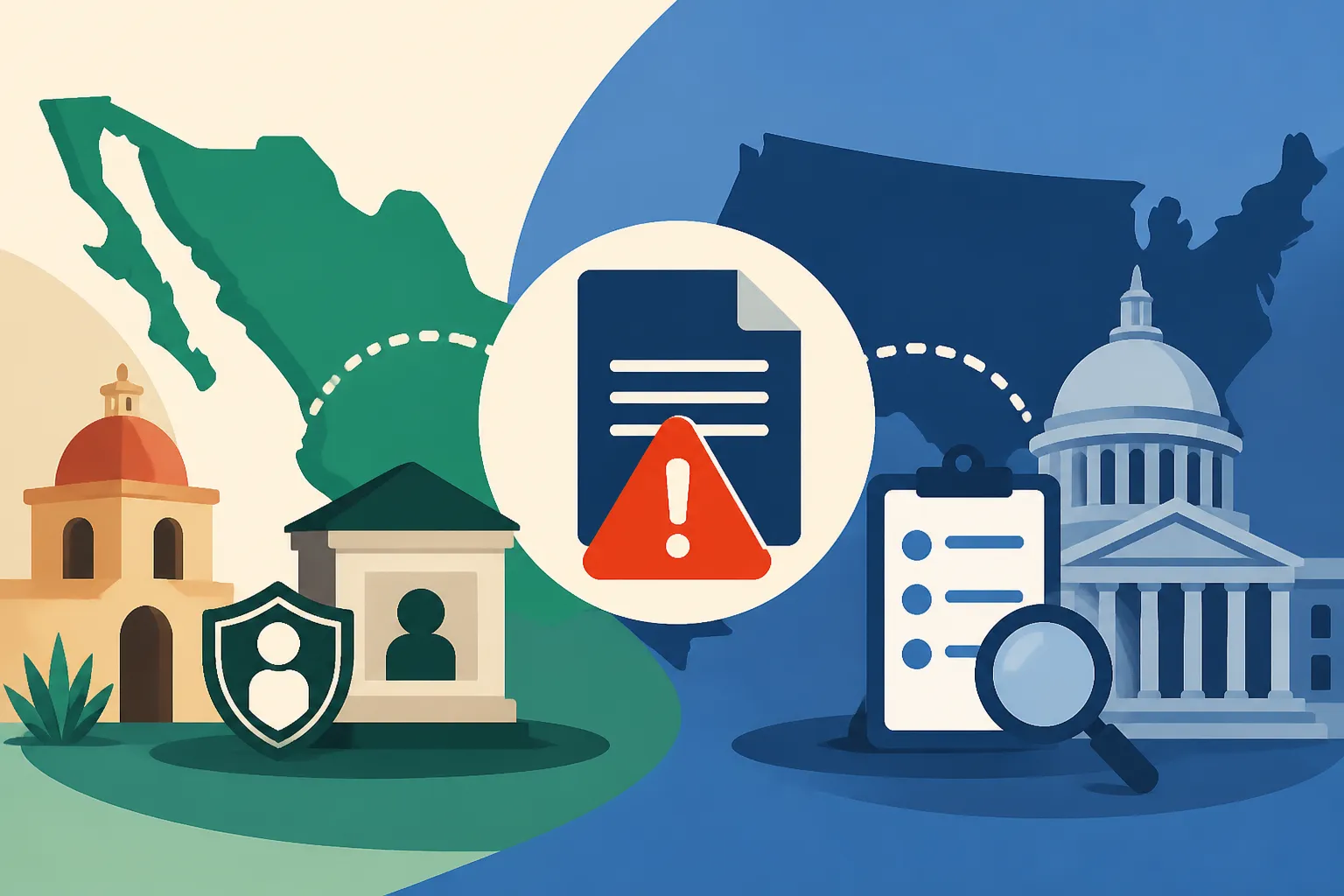
Owning a piece of paradise in Mexico, especially along a pristine coastline or a tranquil border area, is a dream for many expats. You navigate the intricacies of buying property in a foreign land, often finding yourself introduced to the fideicomiso, or bank trust, as the legal pathway to make that dream a reality in those restricted zones. But just when you think you've got the Mexican side sorted, a new wave of questions hits you: "What about my US taxes? Does this fideicomiso mean more reporting?" It's a common, utterly frustrating hurdle for American expats, and this guide is here to shed light on when your Mexican trust structure truly triggers those often-dreaded US reporting requirements, and how services like Taxes for Expats can be your lifeline.
Disclosure: This post may contain affiliate links. We may earn a commission at no extra cost to you if you make a purchase through these links. Read full disclosure.
Understanding the Mexican Fideicomiso: Not Your Average Trust
First, let's clear up what a fideicomiso actually is in Mexico. It's not quite the same as a trust you might set up back home, and this distinction is crucial when it comes to US tax implications. In simple terms, a fideicomiso is a legal arrangement where a Mexican bank (the fiduciario or trustee) holds legal title to your restricted zone property for your benefit (as the fideicomisario or beneficiary). You, the expat, retain all the rights of ownership – you can use it, rent it out, sell it, even pass it down to your heirs – without technically owning the land outright. This is Mexico's ingenious solution to allow foreigners to acquire property in constitutionally restricted areas.
The bank acts as a neutral third party, managing the legal aspects of the property according to your instructions. It's a fundamental aspect of property ownership for many foreigners in places like Quintana Roo, Baja California Sur, or Sonora. While it offers security and peace of mind on the Mexican side, its unique structure can make US tax reporting a bewildering labyrinth. This is precisely why having expert guidance on The Fideicomiso: Bank Trusts for Foreign Property Buyers and understanding your specific situation is non-negotiable, often best achieved through specialized services like Taxes for Expats.
Why the Fideicomiso Exists
The historical context behind the fideicomiso is rooted in Mexico's constitutional restrictions, which historically prohibited foreign ownership of land within 100 kilometers of the borders or 50 kilometers of the coast. These areas are known as "restricted zones." To encourage foreign investment and tourism while upholding national sovereignty, the fideicomiso was established. It allows foreigners to enjoy the economic benefits and use of the property as if they owned it, but the legal title remains with a Mexican financial institution. It’s essentially a long-term lease arrangement wrapped in a trust, typically renewable every 50 years. This structure is often a surprise for new arrivals, adding another layer of complexity to their financial lives, and emphasizing the need for comprehensive "Taxes for Expats" support.
Your Role as a Beneficiary
As the beneficiary of the fideicomiso, you have significant control. You instruct the bank on what to do with the property. You're the one making decisions about renovations, rentals, and ultimately, who inherits it. However, because the bank is the legal owner, you're interacting with a financial institution that holds your asset. This relationship is what often triggers US reporting requirements, even if you don't consider yourself to have a "foreign trust" in the traditional sense. It's a common point of confusion for expats, underscoring the value of services like Taxes for Expats that specialize in these nuanced cross-border situations.
Navigating US Reporting: When Your Fideicomiso Catches the IRS's Eye
Ah, the IRS. Just when you thought you were escaping the constant paperwork, here it is, extending its reach across borders. Your Mexican fideicomiso, while a purely Mexican legal construct, can absolutely trigger US reporting obligations under various IRS rules. This isn't about paying more tax necessarily, but about reporting what you have abroad. The penalties for non-compliance, however, can be steep, so understanding these triggers is vital. Many expats find themselves in a bind because they simply weren't aware these reporting rules applied to what seemed like straightforward property ownership in Mexico. This is where the specialized knowledge offered by Taxes for Expats becomes incredibly valuable, helping you avoid costly oversights.
The Elephant in the Room: Form 3520 (Annual Return to Report Transactions With Foreign Trusts and Receipt of Certain Foreign Gifts)
This is often the big one that catches expats off guard. The IRS considers many fideicomisos to be "foreign trusts" for US tax purposes, even if you’re the one who funded it entirely. If you, as a US person, are considered the grantor of the fideicomiso (meaning you established it and contributed assets to it, like the money to buy the property), or if you receive a distribution from it, or if you become the owner of any portion of it under specific US tax rules, you likely have a Form 3520 filing requirement.
The definition of a "foreign trust" in US tax law is incredibly broad and often sweeps in structures that don't look like traditional trusts to the average person. Since a Mexican bank holds legal title to your property for your benefit, the IRS views this arrangement as a foreign trust. This means if you funded the purchase, you're the grantor, and the trust is established outside the US. This triggers annual reporting. It's not about the value of the property, but the existence of the foreign trust itself. The penalties for not filing Form 3520 can be truly staggering, calculated as a percentage of the trust's value, which can quickly wipe out the joy of your Mexican dream home. Don't risk it; this is a critical area where guidance from Taxes for Expats is essential.
FBAR (FinCEN Form 114) and Form 8938 (Statement of Specified Foreign Financial Assets)
Beyond Form 3520, your fideicomiso might trigger other reporting duties, depending on what assets it holds. While the fideicomiso primarily holds real estate, if it also maintains financial accounts like a bank account for receiving rental income or paying property taxes, these accounts could be reportable.
- FBAR (FinCEN Form 114): If the fideicomiso holds a bank account or other financial accounts (like investment accounts) whose aggregate maximum value exceeds $10,000 at any point during the calendar year, then the individual (you, the beneficiary) would likely need to file an FBAR. This form reports your interest in or signature authority over foreign financial accounts. Given that the bank is the trustee, and manages an account associated with your property, this is a very common trigger for FBAR. Many expats diligently report their personal Mexican bank accounts but overlook accounts linked to their fideicomiso.
- Form 8938 (FATCA): This form, related to FATCA (Foreign Account Tax Compliance Act), requires US persons to report specified foreign financial assets if the total value exceeds certain thresholds (which vary based on your filing status and whether you live in the US or abroad). Again, if the fideicomiso holds financial accounts, or potentially other foreign financial assets, it could contribute to these thresholds and trigger a Form 8938 filing requirement.
It's a complex interplay of forms and definitions, and honestly, it’s not something you want to guess about. Trying to figure this out alone can lead to sleepless nights and, worse, serious financial repercussions. This is precisely why reliable services like Taxes for Expats are so vital; they understand the nuances of both Mexican and US tax law, ensuring you remain compliant. For more on navigating US tax obligations, check out US Taxes for Americans Living in Mexico.
Here’s a simplified look at potential reporting triggers for your Mexican fideicomiso:
| Scenario | Potential US Reporting Form(s) | Key Consideration |
|---|---|---|
| You fund the fideicomiso (grantor) | Form 3520 (annual) | IRS often views fideicomiso as a foreign trust, making you the grantor. |
| Fideicomiso holds a bank account | FBAR (FinCEN Form 114), Form 8938 | If aggregate balances exceed thresholds. |
| You receive distributions from the trust | Form 3520 (annual) | Even if it's rental income from your own property held in the trust. |
| You sell the property held in the trust | Form 3520 (in year of sale/dissol) | Complex reporting related to distribution or termination of the trust. |
| You name successors to the trust | Form 3520 (future implications) | Important for estate planning, beneficiaries may have reporting requirements. |
Common Misconceptions and Why They're Dangerous
One of the biggest pitfalls for expats in Mexico is assuming that because a fideicomiso is a unique Mexican legal instrument, it doesn't fit neatly into US tax definitions. This couldn't be further from the truth. The IRS casts a very wide net when it comes to "foreign trusts" and "foreign financial assets," and your fideicomiso often falls right into it. The lack of clear, straightforward information in English on these specific cross-border nuances is a constant frustration.
"It's Just Property Ownership, Not a Trust"
Many expats correctly understand that the fideicomiso allows them to use and benefit from property in restricted zones. They think of it as a form of ownership, like owning a house directly in a non-restricted zone. However, the legal reality is that a bank holds the title in trust for you. That "trust" part is the key. For US tax purposes, the very involvement of a bank as a trustee, holding assets (even if it's just real estate initially) for your benefit, usually meets the definition of a foreign trust. Ignoring this distinction can lead to significant penalties. This is why getting specialized advice, like that offered by Taxes for Expats, is crucial. It’s not just about what you call it, but what the IRS calls it.
"I Don't Have an Account, Just Property"
Another common misconception revolves around the FBAR and Form 8938. Expats might wrongly assume that if they don't have a personal bank account in the fideicomiso's name, they are off the hook. However, the fideicomiso itself almost always involves an administrative account managed by the bank trustee to handle property taxes, maintenance fees, and potentially receive rental income. Even if you don't directly control this account day-to-day, your beneficial interest in it, or the bank's management of it on your behalf, can trigger reporting. These nuances are exactly what services like Taxes for Expats are designed to unravel for you, ensuring that you're aware of all your obligations when managing your finances in Mexico. For deeper insights into managing funds, you might find Managing Your Money in Mexico: Budgeting, Saving, and Currency Tips helpful.
"My Accountant Doesn't Know About Fideicomisos"
This is a huge red flag and one of the most dangerous situations an expat can face. Many US-based accountants, while excellent with domestic tax law, simply do not have experience with the intricacies of Mexican fideicomisos or the specific IRS forms (like Form 3520) that apply to them. They might inadvertently advise you incorrectly, leading to non-filing. If your accountant isn't asking about your foreign assets in detail, or seems unfamiliar with forms like 3520 or FBAR beyond the basic personal bank account reporting, it's time to seek specialized help. This highlights why "Taxes for Expats" isn't just a catchy phrase, but a necessity. You need someone who lives and breathes this specific intersection of international and US tax law. You want to avoid issues when it comes to Filing Taxes in Mexico as a Foreigner while still being compliant with your home country.
Mitigating Risk and Ensuring Compliance: The Essential Role of Expertise
So, what's an expat to do? The landscape of international tax compliance is undeniably tricky, especially when you're dealing with unique foreign legal structures like the Mexican fideicomiso. The good news is that with the right approach and, crucially, the right expertise, you can navigate these waters successfully. The key is proactive planning and engaging professionals who truly understand both sides of the border. This is precisely the domain of services like Taxes for Expats.
Proactive Assessment is Key
Don't wait until you're deep into the process, or worse, until the IRS sends you a letter. As soon as you consider buying property in Mexico via a fideicomiso, or if you already have one, seek out a cross-border tax specialist. They can assess your specific situation, including how you funded the fideicomiso, any income it generates, and how it’s structured, to determine your exact US reporting obligations. This early assessment can save you immense stress and potential penalties down the line. It's an investment in your peace of mind and financial security.
Why You Need Cross-Border Tax Specialists
This is not a DIY project, nor is it typically suited for a generalist accountant. You need professionals who specialize in "Taxes for Expats" – those who have an intimate understanding of both US tax law and how it interacts with foreign legal entities like fideicomisos. They will:
- Correctly identify reporting triggers: They know the nuances of Form 3520, FBAR, and Form 8938, and can tell you exactly which apply to your fideicomiso.
- Ensure accurate and timely filing: They will help you prepare and submit all necessary forms, minimizing the risk of errors that could trigger an audit.
- Advise on tax implications: Beyond reporting, they can advise on any actual tax liabilities, capital gains on sale, or income generated by the property, helping you optimize your financial planning. You’ll want to know about topics like Property and Capital Gains Tax in Mexico: A Guide for Foreigners and Declaring Foreign Income in Mexico: Tax Rules for Expats.
- Offer peace of mind: Knowing that a complex area is being handled by experts allows you to focus on enjoying your life in Mexico, rather than worrying about the IRS.
Ignoring these obligations is a gamble not worth taking. The penalties for non-compliance with foreign trust and foreign account reporting can be severe, often far outweighing any potential tax due. This is a situation where the cost of expert advice from a service like Taxes for Expats is a small price to pay for security and compliance. Consider it an essential part of your expat financial toolkit, right alongside understanding How to Open a Bank Account in Mexico: Requirements and Tips or navigating Money-Saving Tips: How Expats Can Cut Costs Living in Mexico. Don't let the allure of your Mexican dream turn into a US tax nightmare. Get the help you need to keep your finances clear and compliant on both sides of the border.
Disclaimer
This article is for general informational purposes only and does not constitute professional advice. Laws, prices and regulations vary by location and change over time. Consult a qualified professional for guidance on your specific situation.