Copper Canyon Tours and the Chepe Train: Booking the Route
Oh, the Copper Canyon! If you've been dreaming of seeing one of Mexico's most breathtaking natural wonders and taking that iconic train ride, you're not alone. It's a truly spectacular journey, but let's be honest, figuring out the logistics of the Chepe train and planning a seamless trip to such a remote region can feel like a labyrinth. This guide is here to untangle all that, showing you how to book your Copper Canyon adventure, whether you're leaning towards a full tour or just want to understand the Chepe route, and why platforms like Viator can make it all a breeze.
Disclosure: This post may contain affiliate links. We may earn a commission at no extra cost to you if you make a purchase through these links. Read full disclosure.
The Copper Canyon and the Legendary Chepe Train: What Makes This Journey So Special?
For many of us expats and long-term visitors, exploring Mexico goes beyond the beaches and big cities. The Copper Canyon, or Barrancas del Cobre, is one of those places that calls to the adventurous spirit. It's not just a single canyon, but a magnificent system of six distinct canyons, carved out by six rivers over millions of years, tucked away in the Sierra Tarahumara mountains of Chihuahua. Trust me, photos don't do it justice – the scale is just mind-boggling, truly a world unto itself.
More Than Just a Canyon: Understanding the Sierra Tarahumara
When you venture into the Copper Canyon, you're not just witnessing dramatic geological formations; you're stepping into the heartland of the Rarámuri (also known as Tarahumara) people. This indigenous community has lived in these rugged mountains for centuries, maintaining their unique culture and traditions. Their incredible ability to run long distances, often barefoot, has earned them worldwide recognition.
The sheer size of the canyon system is difficult to grasp until you're there. It's actually four times larger in volume and significantly deeper than the Grand Canyon in the United States, stretching over 60,000 square kilometers. The landscapes shift dramatically, from high pine forests in the upper reaches to subtropical vegetation at the canyon floor. Exploring this region offers a chance to connect with an ancient culture and witness nature on a truly grand scale. It's an experience that leaves a profound mark, a feeling of being in a truly special, untouched corner of the world. Just remember to be respectful and mindful of local customs when interacting with the Rarámuri communities you might encounter.
The Chepe Train Experience: El Chepe Express vs. Regional
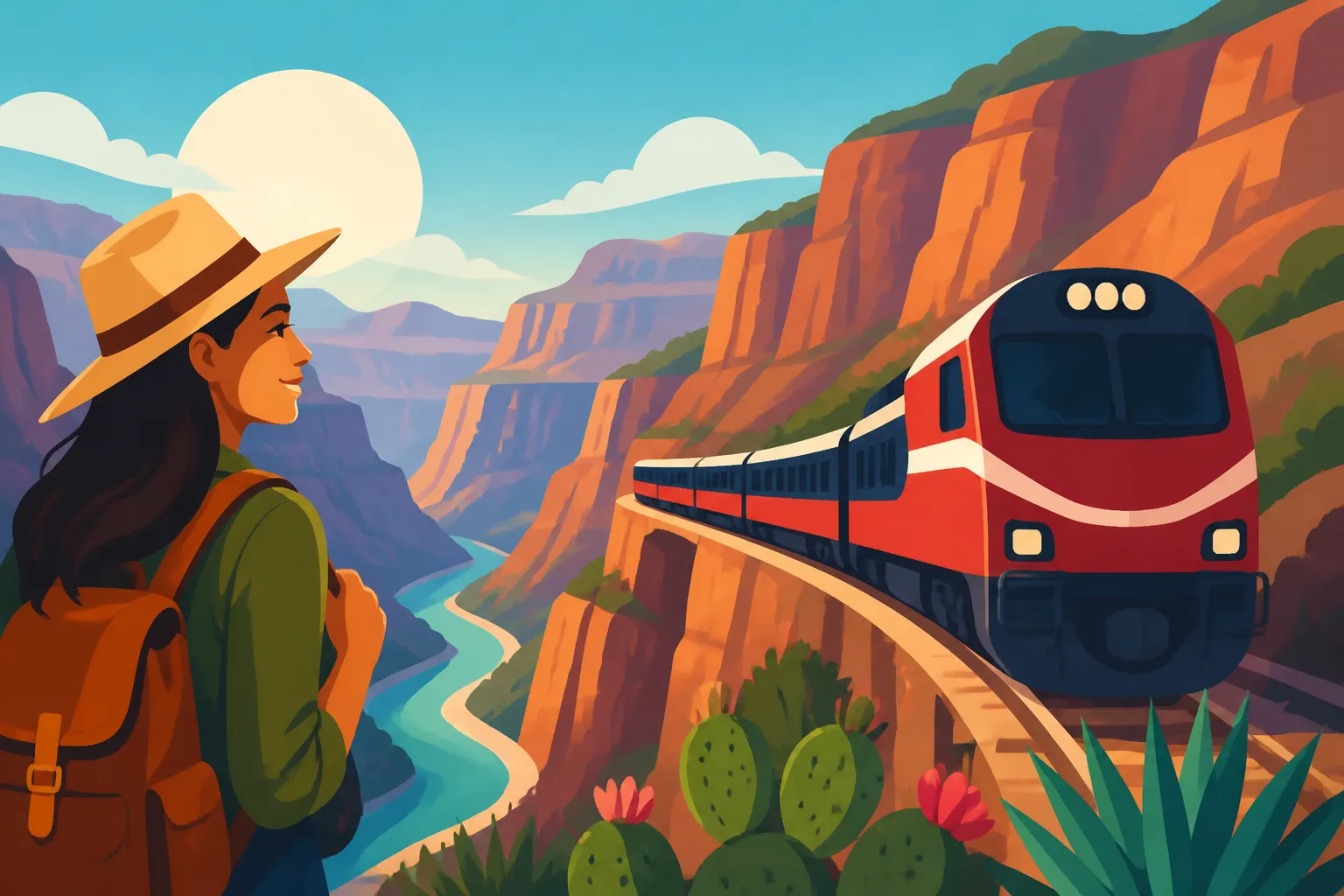
Now, let's talk about the star of the show for many travelers: the Chepe train. This isn't just a mode of transport; it's a journey in itself, an engineering marvel that winds through tunnels and over bridges, offering unparalleled views of the canyons. For years, the Chepe was the way to see the canyons, but now there are two distinct services, and it can get a little confusing trying to pick the right one.
First, there's the El Chepe Express. This is the more luxurious option, designed specifically for tourists seeking comfort and panoramic views. It features dining cars with gourmet food, a bar car, and even a terrace car where you can feel the wind in your hair as you gaze out at the epic scenery. The Express makes fewer stops, usually at the most popular tourist destinations like Creel, Divisadero, Bahuichivo (for Cerocahui), and El Fuerte. It's faster, more expensive, and offers a refined experience with plush seating and excellent service. If you're looking for a smooth, high-end trip with all the amenities taken care of, the Express is your go-to.
Then there's the Chepe Regional. This is the older, more traditional service. It's used by locals to travel between towns and transport goods, offering a much more authentic, rustic experience. The Regional stops at many more stations, allowing you to see smaller, less touristy communities along the way. The cars are basic, without the luxury amenities of the Express, and it can be a slower journey. However, it's also more affordable and gives you a genuine glimpse into daily life in the Sierra Tarahumara. If you're on a tighter budget, prioritize local interaction, or want to explore off-the-beaten-path villages, the Regional is an excellent choice.
Deciding between the two really depends on your travel style and priorities. Many people combine both, perhaps taking the Express for the main scenic stretches and using the Regional for shorter hops or a more local feel.
Here's a quick comparison to help you visualize the differences:
| Feature | El Chepe Express | Chepe Regional |
|---|---|---|
| Purpose | Tourist-focused, luxury experience | Local transportation, cargo, more authentic |
| Comfort | Plush seats, AC, dining cars, bar, terrace car | Basic seating, less amenities, no dedicated dining |
| Stops | Fewer, key tourist destinations (e.g., Creel, Divisadero, El Fuerte) | Many stops, including smaller local towns |
| Frequency | Generally runs on specific days, fewer times a week | Runs more frequently, often daily |
| Cost | Higher price point, premium experience | More affordable |
| Booking Ease | Easier to book online, often through tour operators | Can be trickier to book, often requires booking in Mexico |
| Speed | Faster journey between main stops | Slower due to more stops |
Navigating Copper Canyon Tours: Why a Guided Experience Often Wins
While the idea of a completely independent adventure is appealing to many, the Copper Canyon isn't like hopping on a bus between tourist hubs. This is rugged, remote terrain, and for most visitors, a structured tour can dramatically enhance the experience and significantly reduce stress. I've heard countless stories from fellow expats who thought they could "wing it" in remote parts of Mexico, only to find themselves lost in translation or struggling with logistics.
The Challenges of Independent Travel in Copper Canyon
Let's be real: independent travel through the Copper Canyon comes with its own set of hurdles. First off, language can be a major barrier. While you might find some English speakers in bigger cities like Chihuahua or Los Mochis, once you're deeper into the Sierra Tarahumara, Spanish becomes essential. Asking for directions, understanding train schedules (which can be fluid), booking local transportation, or communicating dietary needs at a small guesthouse can be incredibly challenging without a solid grasp of the language.
Beyond language, the sheer logistics are daunting. The train doesn't go everywhere, and reaching some of the most spectacular viewpoints, hiking trails, or Rarámuri villages often requires local vans, taxis, or even horse rides. Arranging these connections, ensuring reliable drivers, and negotiating fair prices requires local knowledge. Accommodations, especially in smaller towns or more remote areas, can be limited and difficult to book online, often requiring phone calls in Spanish or simply showing up and hoping for the best. Safety, while generally good for tourists, is always a consideration in remote areas, and having local support can offer peace of mind. Without a doubt, planning an entirely self-guided trip requires significant research, flexibility, and a high tolerance for the unexpected. You can gain independence, but at a cost of time and potential frustration.
The Advantages of Booking a Structured Tour
This is where a structured tour really shines. When you book a guided experience, a huge weight is lifted off your shoulders. Everything from train tickets, transfers between the train station and your hotel, and local excursions to the best viewpoints is pre-arranged. You won't be scrambling to find a ride from the Bahuichivo station to your lodge in Cerocahui, or wondering if you're getting ripped off by a taxi driver.
Expert local guides are invaluable. They not only handle all the practicalities but also provide deep insights into the region's geography, history, and the fascinating culture of the Rarámuri people. They can facilitate respectful interactions with local communities, ensuring you learn and appreciate, rather than inadvertently offend. For example, knowing when and if it's appropriate to take a photograph is something a good guide will advise you on. Many tours also include meals and comfortable, pre-selected accommodations, ensuring you have a place to rest after a day of exploring. This frees you up to simply immerse yourself in the incredible scenery and unique culture, without worrying about the next step. It's about maximizing your experience and minimizing your stress, especially in a place as unique and expansive as the Copper Canyon.
Booking Your Copper Canyon Adventure: The Role of Online Platforms like Viator
So, you're convinced that a guided tour makes sense for this complex region. Great! Now, how do you find and book one that's reputable and fits your style? This is where online travel platforms like Viator become your best friend.
Why Use Viator for Your Copper Canyon Tour?
Viator isn't just another booking site; it's a massive marketplace for experiences, and when it comes to a specialized trip like the Copper Canyon, it really stands out. One of the biggest advantages of using Viator is the sheer variety of tours available. Instead of sifting through dozens of individual Mexican tour operators, you can browse a curated selection all in one place. Whether you're looking for a short 3-day adventure focusing on the Chepe Express highlights, a longer, more immersive 7-day journey that combines both train types with extensive hiking and cultural visits, or a specific departure city like Chihuahua or Los Mochis, you're likely to find it on Viator.
Furthermore, Viator works with vetted local operators, meaning they've done some of the legwork to ensure quality and reliability. For a destination as remote as Copper Canyon, this peace of mind is invaluable. You can read reviews from other travelers, see transparent pricing, and feel confident that your booking is secure. They often offer flexible cancellation policies, which is a huge plus in case your plans change. Plus, their customer support is there if you run into any issues, which is something you definitely want when traveling in a place where language barriers or unexpected changes can occur. Choosing a tour through Viator takes much of the guesswork and anxiety out of planning, allowing you to focus on the excitement of the journey. For me, whenever I'm looking for a reliable, well-organized tour, especially in a more challenging location, I always check Viator first.
What Kind of Tours Can You Find on Viator?
When you browse Viator for Copper Canyon tours, you'll see a fantastic range of options, catering to different durations, budgets, and interests. Many tours originate from either Chihuahua City or Los Mochis, which are the main endpoints of the Chepe train.
You might find:
- Express-focused tours: These often highlight the most scenic sections of the Chepe Express, with comfortable hotels and visits to popular spots like Divisadero (for the breathtaking vistas and adventure park) and Creel (a charming Pueblo Mágico and gateway to Rarámuri communities). These are perfect for those who want to see the main sights with maximum comfort.
- Multi-day adventures: Longer tours might combine the best of both Chepe Express and Regional, allowing for deeper exploration. You could spend more time hiking, visiting more remote villages, or even taking a side trip to places like Batopilas Canyon, known for its dramatic beauty and colonial history.
- Activity-specific tours: Some Viator listings might focus on particular activities, such as guided hikes, cultural immersion experiences with local communities, or adventure sports like zip-lining across the canyon at Divisadero's adventure park.
- Budget-friendly options: While Copper Canyon isn't generally a budget destination, Viator also features tours that use the Chepe Regional for longer stretches or offer simpler accommodations, making the experience more accessible.
The beauty of booking through Viator is that you can compare these options side-by-side, read detailed itineraries, check what's included (and what's not!), and choose the tour that best matches your dream Copper Canyon experience. It truly simplifies what could otherwise be a very complicated planning process, ensuring you get the most out of this once-in-a-lifetime trip.
Practical Tips for Your Copper Canyon Journey
Okay, you've chosen your tour and you're ready to go! Before you head out, a few practical considerations will make your trip even smoother and more enjoyable. These aren't just generic travel tips; they're especially relevant for a destination like the Copper Canyon.
Packing Essentials and Health Considerations
The Sierra Tarahumara is a place of dramatic elevation changes, which means the weather can vary wildly. You might start your day in a chilly mountain town and end it in a sunny canyon bottom. Layers are your best friend! Pack light but versatile clothing: warm sweaters or jackets, comfortable hiking pants, t-shirts, and a rain jacket, especially if traveling during the rainy season (June to September). Sturdy, comfortable walking shoes are non-negotiable – you'll be doing a lot of walking, whether it's through towns or to viewpoints.
Sun protection is also key: a wide-brimmed hat, sunglasses, and high-SPF sunscreen. Don't forget your personal medications, any over-the-counter remedies you might need (like pain relievers or anti-diarrhea medication, just in case), and maybe some motion sickness pills if you're prone to it on winding roads or trains. The higher elevations in places like Creel (around 2,350 meters or 7,700 feet) and Divisadero can sometimes cause mild altitude sickness for those not accustomed to it. Staying hydrated, taking it easy on arrival, and avoiding excessive alcohol can help. It's also a good idea to bring a reusable water bottle, as many hotels offer purified water for refills, helping you stay hydrated and reduce plastic waste. While you're at it, consider bringing a small first aid kit – you'll be glad you did for any minor scrapes or blisters.
Before you travel, it's also worth checking out resources on Staying Healthy in Mexico: Essential Tips for Food, Water, and Preventive Care. Being prepared is half the battle for a comfortable journey.
Cultural Sensitivity and Local Interactions
Exploring the Copper Canyon means you'll likely encounter the Rarámuri people, especially around towns like Creel and Divisadero. Their culture is incredibly rich, and observing their traditions is a privilege. However, it's vital to approach these interactions with respect and sensitivity.
Here are a few pointers:
- Ask Permission for Photos: Always, always ask for permission before taking someone's photograph, especially children. A simple "Permiso para una foto?" (May I take a photo?) goes a long way. Be prepared for them to say no, and respect their wishes without argument. In some cases, offering a small contribution if they agree to a photo might be appropriate, but avoid making it transactional.
- Support Local Artisans: You'll see beautiful handmade crafts like woven baskets, pottery, and textiles for sale. This is a fantastic way to support the local economy directly. Bargaining is common in markets, but do so respectfully.
- Learn Basic Spanish Phrases: Even a few words like "Hola," "Gracias," "Por favor," and "Con permiso" (excuse me) can make a huge difference in demonstrating respect and facilitating smoother interactions. If you're serious about communicating, taking a short course or using apps before your trip is a great idea. You can find more tips on Overcoming Language Barriers at the Doctor: Tips for Expats, which apply to general interactions too.
- Be Mindful of Privacy: Remember you are a guest in their homeland. Avoid intrusive behavior, don't wander onto private property, and be aware of your surroundings. Your guide, especially if it's a Viator-booked tour with local experts, will be instrumental in helping you navigate these cultural nuances.
- Dress Modestly: While not strictly enforced, dressing modestly, particularly when visiting indigenous communities, is a sign of respect. This means avoiding overly revealing clothing.
By being thoughtful and respectful, your encounters with the Rarámuri people will enrich your Copper Canyon experience immeasurably and create truly memorable moments. And remember, Mexico is generally a cash-based society outside of the big tourist centers, so carrying small bills is crucial for small purchases and tips. To understand more about money, you might want to read Cash Culture in Mexico: When You Still Need Pesos.
Disclaimer
This article is for general informational purposes only and does not constitute professional advice. Laws, prices and regulations vary by location and change over time. Consult a qualified professional for guidance on your specific situation.