Medicare Doesn’t Follow You to Mexico: What Americans Buy Instead
You’ve packed your bags, navigated the consulate, settled into your new Mexican casita, and finally, you’re breathing that sweet, warm air. But then a little thought nags at you: "What about my healthcare? My Medicare will cover me, right?" Oh, my friend, if only it were that simple. This is one of the most common, and frankly, heartbreaking, misconceptions many American expats carry south of the border. This guide is here to bust that myth, lay out the realities of healthcare coverage for Americans in Mexico, and introduce you to the international health insurance options that truly have your back, specifically highlighting solutions like SafetyWing.
Disclosure: This post may contain affiliate links. We may earn a commission at no extra cost to you if you make a purchase through these links. Read full disclosure.
The Harsh Reality: Medicare Doesn't Cross the Border
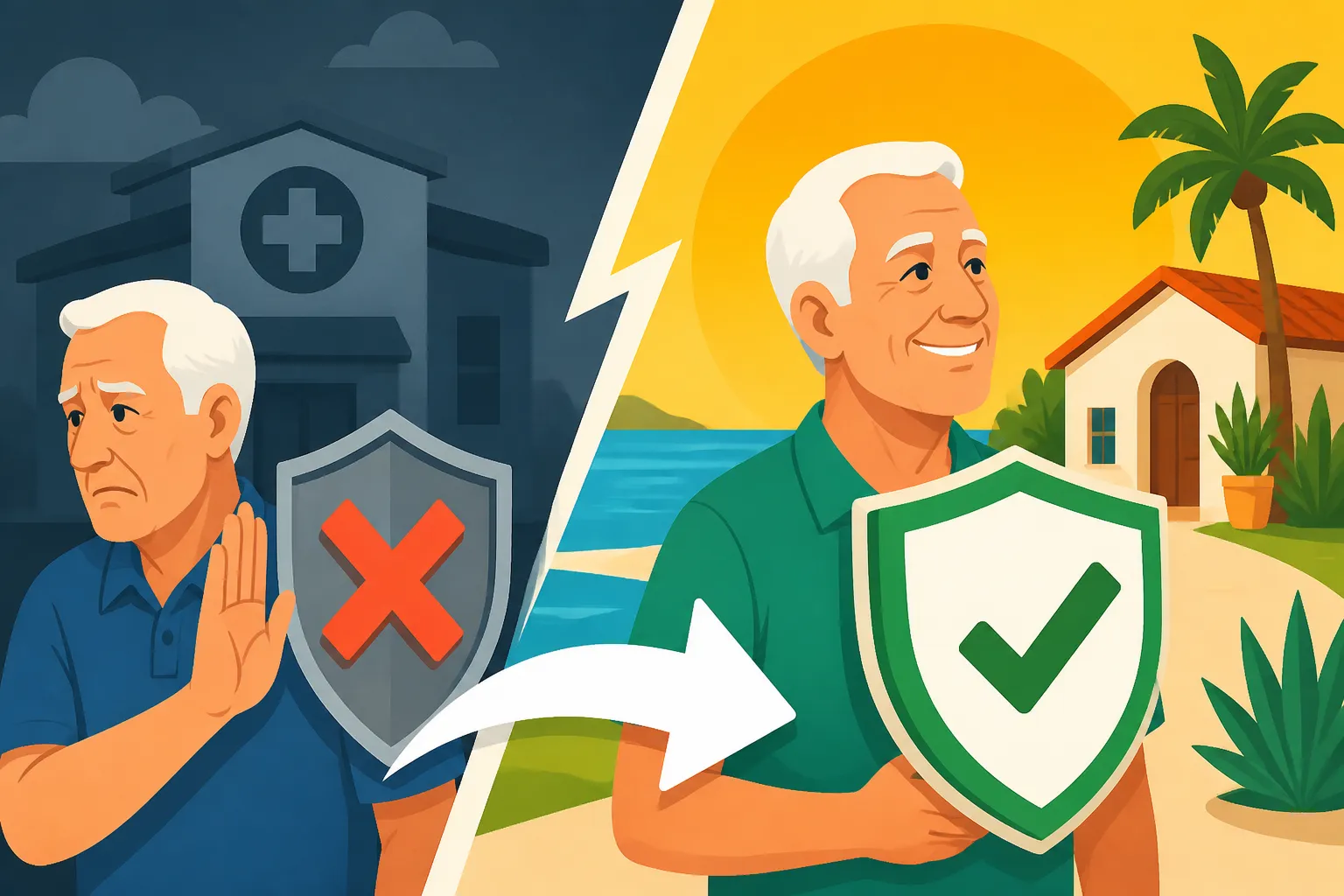
Let's get this out of the way upfront, plain and simple: traditional Medicare, whether it's Part A, Part B, or your Part D drug plan, generally doesn't cover you when you're living in or traveling through Mexico. This often comes as a shock, particularly to retirees who have paid into the system their entire working lives, expecting it to be a safety net wherever they choose to enjoy their golden years.
What Medicare Covers (and Doesn't) Abroad
Medicare is designed for care received within the United States. While there are a few highly specific, rare exceptions (like if you're on a cruise ship within US territorial waters or if you're in Canada en route to Alaska and suddenly need emergency care), living in Mexico doesn't fall under these.
- Medicare Part A (Hospital Insurance): This covers inpatient hospital stays, skilled nursing facility care, hospice care, and some home health care. In Mexico? Nope. If you end up in a private hospital in Guadalajara or a public clinic in a small village, Medicare Part A won't pick up the tab. You'll be on the hook for everything.
- Medicare Part B (Medical Insurance): This covers certain doctor's services, outpatient care, medical supplies, and preventive services. Again, no dice in Mexico. Your regular check-ups, specialist visits, or diagnostic tests with a Mexican doctor won't be reimbursed by Medicare.
- Medicare Part D (Prescription Drug Coverage): This is perhaps one of the most overlooked aspects. While many medications are cheaper and often available over-the-counter in Mexico, your US Part D plan won't cover your prescriptions purchased here. You'll be paying out-of-pocket for all your medications, even if they're typically covered back home.
Why This Catches Many Expats Off Guard
It's easy to fall into the trap of thinking that because you're still an American citizen, your American benefits will follow you. Many expats, especially those in popular retirement havens like Lake Chapala or San Miguel de Allende, come down with the best intentions but without fully understanding this crucial detail. They might hear anecdotal stories about someone getting a minor procedure done cheaply and assume all healthcare here is equally affordable, and that they can just pay cash.
The problem arises when a serious, unexpected medical event occurs. A sudden heart attack, a nasty fall requiring surgery, or a diagnosis of a long-term illness can quickly rack up bills that, while potentially less than in the US, are still financially devastating without insurance. The sticker shock, combined with the stress of a medical emergency in a foreign country, can be incredibly overwhelming. It’s a harsh reality check when you're trying to communicate with hospital staff while also worrying about how to pay for life-saving treatment. This is precisely why proactively securing alternative coverage is not just a good idea, it's absolutely essential. You can’t afford to be caught off guard when your health is on the line.
The Risks of Being Uninsured in Mexico
The allure of Mexico often includes its reputation for more affordable healthcare, and in many cases, that's absolutely true. A doctor's visit, a dental cleaning, or even some minor surgeries can indeed cost a fraction of what they would in the United States. However, this perception can also lead to a dangerous overconfidence, convincing some expats that they can simply "pay out-of-pocket" for all their medical needs. This approach carries significant risks.
Understanding Healthcare Costs South of the Border
While daily medical expenses might feel like a bargain, significant medical events can still be incredibly costly. Let's paint a clearer picture:
- Routine Doctor Visits: A consultation with a general practitioner in a private clinic might range from $30 to $60 USD. Some pharmacies even have attached consultorios (small clinics) where a basic visit can be as low as $3-5 USD. This is fantastic for minor ailments like a cold or a stomach bug.
- Specialist Care: Seeing a specialist, like a cardiologist or an orthopedic surgeon, will typically cost between $50 and $100 USD per visit in a private setting. Still a far cry from US prices, but these costs add up if you need multiple follow-ups or extensive diagnostic work.
- Diagnostic Tests: An MRI might cost $300-$600 USD, a CT scan $200-$400 USD, and a comprehensive blood panel could be $50-$150 USD. Again, lower than the US, but not insignificant if you need several tests.
- Hospital Stays and Surgery: This is where the "affordable" myth can truly unravel. A single night in a private hospital could easily be $500-$1000 USD, not including doctor fees, medications, or procedures. A major surgery, such as an appendectomy or gallbladder removal, might range from $3,000 to $10,000 USD. A more complex surgery, like a hip replacement or open-heart procedure, can quickly jump to $15,000, $20,000, or even $30,000+ USD. Factor in post-operative care, rehabilitation, and unexpected complications, and you're looking at a bill that could wipe out a significant portion of your savings. You really need to understand these potential figures when considering your options, as detailed in our guide on Healthcare Costs in Mexico: Doctor Visits, Hospital Stays, and Surgery Expenses.
The Importance of Comprehensive Coverage
Relying solely on out-of-pocket payments for anything beyond a common cold is a gamble you don't want to take with your health or your finances. Imagine a scenario: you're enjoying the beautiful beaches of Cancún and suddenly experience severe chest pain. You're rushed to a top-tier private hospital, like Hospital Galenia, where you receive excellent, life-saving care. The doctors perform emergency procedures, you spend several days in the ICU, and before you know it, a bill for $25,000 USD is presented. Without insurance, that's coming directly out of your pocket. Do you have that kind of cash readily available? More importantly, do you want to drain your retirement funds on a single medical event?
Comprehensive health insurance doesn't just cover the big, scary stuff; it gives you peace of mind. It means you can focus on getting better, not on how you'll pay for it. It ensures access to the best private hospitals and specialists without financial hesitation. For expats, especially those who might experience unforeseen circumstances or need a Medical Evacuation Insurance: Do Expats in Mexico Need Airlift Coverage? back to their home country for highly specialized care, robust coverage is not a luxury, it's a necessity. It’s also important to consider if your current travel insurance is sufficient or if you need more long-term coverage, a question often explored in Travel Insurance vs Local Insurance: Do Expats Need Both?.
Your Go-To Solution: International Health Insurance for Expats
When Medicare leaves you high and dry, and the thought of self-insuring for major medical events keeps you up at night, international health insurance steps in as your true hero. This isn't just travel insurance that covers a short trip; these are comprehensive plans designed for people who live abroad long-term. They understand the unique needs of expats, offering crucial benefits that local Mexican plans or public options sometimes lack.
Why International Plans are the Best Fit
International health insurance plans offer a level of flexibility and coverage that perfectly suits the expat lifestyle in Mexico. They're built for people who might spend months or years away from their home country, providing continuous protection wherever life takes them.
- Global Coverage: While your primary residence might be Mexico, these plans often cover you in multiple countries, which is ideal if you travel back to the US for visits or explore other parts of the world. This means you’re not left uninsured during a family visit or a vacation to Europe.
- English-Speaking Support: Navigating a medical emergency in a foreign language is incredibly stressful. Many international insurance providers offer 24/7 English-speaking assistance lines, helping you find doctors, understand billing, and manage claims. This can be a lifesaver, especially if your Spanish isn't quite fluent yet.
- Direct Billing and Seamless Claims: The best international plans often have networks of hospitals and clinics where they can directly bill the provider, saving you the hassle of paying upfront for major costs and waiting for reimbursement. When direct billing isn't an option, their claims processes are typically streamlined and designed for international transactions.
- Portability: If you decide to move from one expat destination to another, your international plan can often move with you, ensuring continuous coverage without needing to re-apply or face new waiting periods.
How SafetyWing Specifically Benefits US Expats in Mexico
Among the various international health insurance providers, SafetyWing stands out as an excellent, flexible, and affordable option, particularly for American expats in Mexico. SafetyWing offers plans like Nomad Insurance and Remote Health, which are specifically tailored for global citizens and digital nomads, but are equally beneficial for long-term residents.
SafetyWing’s Nomad Insurance, for instance, is a travel medical insurance that can be purchased while already abroad and operates on a subscription model, much like Netflix. You can pay monthly, stopping and starting as needed – though for continuous residency, a consistent policy is best. This flexibility is a huge plus for many expats whose plans might evolve. It covers unexpected illness and injury, offering robust medical benefits, including hospital stays, doctor visits, prescription drugs, and even emergency dental care. A key feature for US expats is its limited home country coverage – it typically covers incidental visits back to the US for short periods (up to 30 days every 90 days, or less depending on your total time in the US), which can be incredibly useful for those who return periodically to visit family or handle affairs.
For those seeking more comprehensive, long-term health coverage, SafetyWing's Remote Health offers full medical insurance, providing a more robust safety net suitable for long-term residency. It covers everything from inpatient and outpatient treatment to prescription drugs, and even some preventive care, globally. This is not just a travel policy; it’s a full-fledged health insurance plan designed for those living outside their home country. This model makes SafetyWing a standout choice for those who want reliable, international coverage that is easy to manage and transparent in its offerings. It provides critical peace of mind knowing that whether it’s a sudden illness or a necessary medical procedure, you’re covered.
Choosing the Right Coverage with SafetyWing
When looking at a plan like SafetyWing, or any international health insurance, it’s crucial to understand the nuances to ensure you pick the right fit for your needs in Mexico.
- Understand Your Deductible and Out-of-Pocket Maximums: Just like in the US, international plans have deductibles (what you pay before insurance kicks in) and out-of-pocket maximums (the most you’ll pay in a policy year). Choose a deductible you're comfortable with; a higher deductible usually means a lower monthly premium.
- Emergency Evacuation: This is a non-negotiable for expats. If you have a severe medical emergency and need to be transported to a facility better equipped to handle your condition, or even back to your home country, emergency medical evacuation coverage is vital. SafetyWing plans typically include this, which is a huge relief.
- Pre-Existing Conditions: This is often the trickiest part of any health insurance. Many international travel medical plans (like SafetyWing's Nomad Insurance) might have limitations or exclusions for pre-existing conditions, especially in the first year. SafetyWing’s Remote Health, being a more comprehensive health insurance, often has options for pre-existing conditions after certain waiting periods or with specific underwriting, which is a critical consideration, especially for retirees. Always read the fine print or ask directly about how they handle any chronic illnesses you currently manage. This is a common concern addressed in Pre-Existing Conditions: Will Mexican Health Insurance Cover You?.
- Network and Direct Billing: While SafetyWing aims for broad coverage, confirm if they have direct billing arrangements with hospitals in your specific expat area in Mexico. Even if they don't, a straightforward reimbursement process and excellent customer support can make a huge difference.
By carefully considering these factors and looking into the detailed policy documents of providers like SafetyWing, you can secure robust international health insurance that ensures you're never left in a financially precarious position due to medical needs in Mexico.
Other Healthcare Options for Expats in Mexico
While international health insurance is often the most comprehensive choice for US expats, it’s also important to understand the full spectrum of healthcare options available in Mexico. Many expats blend different approaches or consider these alternatives depending on their residency status, budget, and health needs.
Public Healthcare: IMSS and IMSS-Bienestar
Mexico has a public healthcare system, primarily through the Instituto Mexicano del Seguro Social (IMSS), and IMSS-Bienestar. For many foreign residents, qualifying for IMSS can be an attractive option due to its low cost.
- IMSS (Instituto Mexicano del Seguro Social): If you are a legal resident of Mexico (temporary or permanent) and are employed by a Mexican company, you will automatically be enrolled in IMSS by your employer, and contributions will be deducted from your paycheck. If you are not employed by a Mexican company, you can still voluntarily enroll in IMSS as a foreign resident. The cost depends on your age, and once enrolled, you have access to a network of public clinics and hospitals, doctors, specialists, and medications. The biggest pros are the affordability and comprehensive coverage for catastrophic events. The cons, however, are significant: you cannot choose your doctor, wait times for appointments and procedures can be long, and clinics can be overcrowded. Language barriers can also be an issue, as staff primarily speak Spanish. For a detailed breakdown, check out Public Healthcare in Mexico: IMSS and IMSS Bienestar Explained for Expats and How to Enroll in IMSS: Step-by-Step Guide for Foreign Residents.
- IMSS-Bienestar: This is a separate public health system, primarily for those without social security (IMSS) and living in underserved rural or urban areas. It's often free at the point of service. While it provides essential care, it's generally not the first choice for expats due to its basic facilities, limited resources, and focus on specific low-income populations. It's more of a safety net than a primary healthcare plan for most foreign residents.
For many expats, IMSS can serve as a decent fallback for major issues, but it often requires patience and flexibility. Some expats use IMSS for their routine care and public hospital access, then supplement it by paying out-of-pocket for private specialist visits or medications when they want faster access or a specific doctor.
Local Mexican Private Insurance
Another popular route for expats is to purchase a private health insurance plan from a Mexican insurance company. Brands like GNP Seguros, AXA Seguros, or Bupa México are common names you'll encounter.
- Pros: These plans are designed for the Mexican healthcare landscape. They often have established networks with local private hospitals and clinics, making direct billing simpler. The premiums can be lower than international plans, and they are usually well-versed in the local medical practices and regulations. Some policies also include options for broader coverage, even in some cases, outside of Mexico for emergencies.
- Cons: The primary language of operation for these companies is Spanish, which can be challenging for applications, understanding policy documents, and making claims. While some large companies may have English-speaking agents, it's not guaranteed. The portability outside of Mexico might be limited, meaning if you travel back to the US frequently, your coverage might not be as robust as an international plan like SafetyWing. They can also be stricter on pre-existing conditions, sometimes requiring significant waiting periods or exclusions. The process of choosing between these options is covered in Choosing Private Health Insurance: Local Mexican Plans vs International Coverage.
Many expats find a good fit with local private insurance, especially if they plan to stay in one area of Mexico for the long term and don't anticipate extensive international travel.
Paying Out-of-Pocket: When It Makes Sense (and When It Doesn't)
"Just pay cash" is a common phrase heard among expats, and for certain situations, it absolutely makes sense. Mexico's private healthcare system is often significantly more affordable than the US, making cash payments viable for minor needs.
- When it Makes Sense: For routine doctor visits, basic dental cleanings, prescription refills (especially for non-controlled substances), eye exams, and pharmacy consultations, paying cash is usually efficient and cost-effective. Many expats utilize the consultorios attached to pharmacies like Farmacias Similares or Farmacia Guadalajara for immediate, low-cost consultations. These are fantastic for quick diagnoses and prescriptions for common ailments. For more information on this, refer to our guide on Pharmacies in Mexico: How to Get Medications (OTC vs Prescription).
- When it Doesn't Make Sense: This approach becomes financially dangerous for anything requiring hospitalization, surgery, extensive diagnostic tests, or long-term treatment for serious illnesses. While a doctor's visit is cheap, a week in a private hospital after an accident, or chemotherapy treatments for cancer, will easily run into the tens of thousands of dollars. These are the situations where insurance is not just helpful, but absolutely vital to protect your financial well-being and ensure you receive the best care without financial burden. Our article on Medical Emergencies in Mexico: What Expats Should Know and Prepare further emphasizes this point.
Ultimately, your choice of healthcare coverage in Mexico will depend on a combination of factors, but ignoring the need for robust insurance simply because Medicare isn't applicable is a gamble too risky to take. A layered approach, often with a core international plan like SafetyWing, combined with an understanding of local options, provides the best security.
Navigating the Mexican Healthcare System with Confidence
Even with excellent insurance, knowing how to navigate the local healthcare system in Mexico is key to a smooth experience. It's different from what you might be used to, but with a little preparation and understanding, you can access high-quality care without unnecessary stress.
Finding English-Speaking Doctors and Hospitals
One of the biggest concerns for new expats, especially those not yet fluent in Spanish, is finding medical professionals they can communicate with effectively. Thankfully, in expat-heavy areas and major cities, this is becoming increasingly easy.
- Online Directories and Expat Forums: Websites like DocPlanner.mx are excellent resources for finding doctors and specialists, often with patient reviews. Many expat Facebook groups for specific cities (e.g., "Expats in Mexico City," "Lake Chapala Expats") frequently have recommendations for English-speaking doctors, dentists, and specialists. Don't be shy about asking for referrals from your expat neighbors; word-of-mouth is still king here.
- Private Hospitals: Major private hospital chains like Hospital Ángeles, Star Médica, or Christus Muguerza often have English-speaking staff, especially in their emergency rooms and international patient services departments. They cater to a significant number of medical tourists and expats. Many of these facilities rival those in the US and Canada in terms of technology and care. When choosing a hospital, consider referring to our guide What to Expect During a Hospital Stay in Mexico: A Patient’s Perspective.
- Consulates and Embassies: Your country's consulate (e.g., the US Embassy or Consulate in Mexico) usually maintains a list of English-speaking doctors and hospitals in their district. This can be a reliable starting point, especially in an emergency.
- Telemedicine: With the rise of technology, telemedicine services are also gaining traction in Mexico, offering online consultations with doctors who may speak English, providing a convenient option for non-urgent care. This can be a great way to "vet" a doctor before an in-person visit.
It's a good idea to identify a general practitioner (GP) and perhaps a specialist (if you have chronic conditions) in your area shortly after moving. Building that relationship before an emergency strikes can save a lot of anxiety. You can even read our full guide on Finding English-Speaking Doctors and Specialists in Mexico.
Understanding Prescriptions and Pharmacies
The pharmacy system in Mexico is generally efficient and often surprising in its accessibility compared to other countries.
- Over-the-Counter (OTC) vs. Prescription: Many medications that require a prescription in the US, such as certain antibiotics, muscle relaxants, or even some asthma inhalers, are available over-the-counter in Mexico. This can be convenient, but also requires responsible self-medication. However, stronger medications like narcotics, certain controlled substances, and some psychotropics still require a doctor's prescription.
- Getting Prescriptions Filled: If a medication requires a prescription, a Mexican doctor will write one for you. You can then take it to virtually any pharmacy. Many pharmacies are open 24/7, particularly in larger towns and cities.
- Medication Availability and Equivalents: Most common medications are readily available in Mexico, often under a different brand name but with the same active ingredients. The pharmacist can usually help you find the Mexican equivalent of your US medication. If you're managing a chronic illness, it's wise to bring a detailed list of your current medications (generic names are best) for your Mexican doctor. Some medications might be harder to find, so it's always good to have a backup plan.
- Pharmacy Consultorios: As mentioned earlier, many large pharmacy chains like Farmacias Similares or Farmacia Guadalajara have small doctor's offices (consultorios) attached. You can walk in for a quick, very affordable consultation, receive a diagnosis, and often a prescription for mild to moderate ailments. It's fast, convenient, and incredibly popular with locals and expats alike for non-emergency issues.
Emergency Preparedness: What to Do
Knowing what to do in a medical emergency is paramount. While you hope you never need it, being prepared can make all the difference.
- Emergency Numbers: The primary emergency number in Mexico is 911, just like in the US. This connects you to police, fire, and ambulance services.
- Ambulance Services: In major cities, private ambulance services are often faster and better equipped than public ones, though they usually come at a cost. If you have international health insurance like SafetyWing, they can often guide you on which ambulance service to use and how to handle the billing. The Mexican Red Cross (Cruz Roja Mexicana) also operates ambulances and provides emergency care.
- Communication: If you don't speak fluent Spanish, have a few key phrases handy ("Necesito un médico," meaning "I need a doctor"; "Es una emergencia," meaning "It's an emergency"; "No hablo español," meaning "I don't speak Spanish"). In a critical situation, someone will likely find an English speaker, especially at a private hospital. Having a phrasebook or a translation app on your phone can be helpful.
- Medical Information: Keep a small card with your vital medical information (blood type, allergies, current medications, emergency contact, and insurance details) in your wallet or purse. This can be invaluable to first responders.
- Notify Your Insurance: As soon as possible, or have an emergency contact do it for you, notify your international health insurance provider (like SafetyWing) about your medical emergency. They can often coordinate care, confirm coverage, and arrange direct billing, significantly reducing your stress.
By taking these proactive steps and arming yourself with knowledge, you can approach the Mexican healthcare system with greater confidence, ensuring that you and your loved ones receive the care you need when you need it most. A comprehensive guide on Healthcare in Mexico: Complete Guide for Expats (Public vs Private) can also offer further insights.
Choosing Your Path to Healthcare Peace of Mind
Navigating healthcare as an American expat in Mexico can feel like a maze, especially when the familiar comfort of Medicare evaporates at the border. But as you've seen, there are robust, reliable solutions out there that can provide you with the peace of mind you deserve. From understanding the limitations of your home country's insurance to exploring the best international options, making an informed decision is vital for your health and financial security.
While the Mexican healthcare system offers an array of choices, from affordable local clinics to state-of-the-art private hospitals, none of them will truly serve your best interests without proper insurance in place. Relying on out-of-pocket payments for anything beyond a minor sniffle is a gamble that could swiftly derail your expat dream.
For many, particularly those who value flexibility, comprehensive coverage, and ease of use designed for a global lifestyle, international health insurance solutions like SafetyWing are leading the charge. Their plans cater to expats, digital nomads, and global citizens, offering coverage that travels with you, understands your needs, and provides crucial support when you're far from home. Whether it's the flexibility of a monthly subscription or the security of comprehensive international medical coverage, SafetyWing offers a powerful alternative to the Medicare void.
Don't let the fear of the unknown hold you back from enjoying your life in Mexico. Take the proactive step to secure your health insurance today. Your peace of mind is worth it.
| Healthcare Option | Coverage for Expats in Mexico | Cost for Expats | Key Features | Pros | Cons |
|---|---|---|---|---|---|
| Medicare (US) | Virtually None | Already Paid (Taxes) | Covers US healthcare only | N/A | No coverage in Mexico; major financial risk |
| SafetyWing (e.g., Remote Health) | Comprehensive International | Varies (Monthly Premiums) | Global coverage, emergency evacuation, English support, flexible payments | Designed for expats, comprehensive, often includes limited US coverage | Pre-existing conditions may have waiting periods/exclusions (check policy) |
| Local Mexican Private Insurance | Mexico-focused | Varies (Annual Premiums) | Covers private hospitals/doctors in Mexico, local networks | Integrated with local system, often more affordable than international | Primarily Spanish, limited international portability, strict on pre-existing |
| IMSS (Public Healthcare) | Mexico-focused (Public) | Low (Monthly Fees by Age) | Covers public clinics/hospitals, includes some medications | Very affordable, comprehensive for catastrophic events | Long wait times, limited choice of doctors, language barrier, basic facilities |
| Out-of-Pocket | Only what you pay for | Varies (Per Service) | Direct payment for services | Convenient for minor issues, cheap for small consultations | Extremely risky for emergencies/major illnesses, no financial protection |
Disclaimer
The information provided in this guide is for general informational purposes only and does not constitute financial, medical, or legal advice. Healthcare policies, immigration regulations, and insurance offerings are subject to change. Always consult with a qualified insurance professional, legal expert, or financial advisor for advice tailored to your specific situation and needs. While we strive to provide accurate and up-to-date information, we cannot guarantee its completeness or correctness at all times.