Receiving an Inheritance From Abroad in Mexico: Mechanics and Documentation
Alright, friend, let's talk about something incredibly personal and, frankly, often quite stressful: dealing with an inheritance when you're living abroad in Mexico. It's an emotional time, and the last thing you need is a bureaucratic headache trying to get those funds or assets into your new home country. This guide is going to walk you through the often confusing mechanics and necessary documentation, offering practical advice and, importantly, some peace of mind as you navigate this sensitive process.
Disclosure: This post may contain affiliate links. We may earn a commission at no extra cost to you if you make a purchase through these links. Read full disclosure.
The Initial Shock: Understanding the International Inheritance Landscape in Mexico
Receiving an inheritance is rarely simple, even when you're in your home country. Throw in international borders, different legal systems, and a language barrier, and it can feel downright overwhelming. You're not alone in feeling this way; many expats face similar challenges, and it's completely normal to feel a mix of grief, gratitude, and exasperation all at once.
Why Foreign Inheritances Get Complicated (and Why You're Not Alone)
The moment you get that news, whether it's expected or a sudden shock, your mind probably jumps to a hundred places at once. Then, if you're like me, living here in Mexico, a whole new layer of questions appears: How do I even get this money here? What about taxes? Do I need to fly back? It's a natural reaction to a situation that bridges two very different worlds.
The primary reason foreign inheritances become complicated stems from the clash of legal jurisdictions. Your loved one's will, if they had one, was likely drafted and probated under the laws of their home country. Mexico, on the other hand, has its own set of rules for financial transactions, property ownership, and, yes, even how foreign funds are received. This means there's often a necessary translation, legalization, and recognition process that must occur for the inheritance to be fully accepted and integrated into the Mexican system. It's a journey, not a sprint, and understanding that from the outset can save you a lot of frustration.
Key Players in the Process: Who You'll Be Dealing With
When you're sorting out an inheritance, you're essentially going to be working with a team of professionals, some from your home country and some here in Mexico. In your home country, you'll likely interact with the executor of the will, an estate lawyer, and the bank holding the assets. They'll be responsible for the initial probate and distribution according to local laws.
Here in Mexico, the key players are primarily the notario público (public notary), who is an integral legal authority, not just a witness. They verify documents, draw up public deeds, and handle many legal aspects that might be done by lawyers in other countries. You'll also deal directly with Mexican banks for transferring funds, and potentially a Mexican tax advisor or contador if the inheritance involves complex assets or could have tax implications (though, spoiler alert, Mexico is often quite lenient on direct inheritance tax, which is a relief!). These professionals are your guides, and having English-speaking ones can make a world of difference.
Navigating the Financial Maze: Bringing Funds into Mexico
Once the probate is complete and funds are ready for distribution from your home country, the next big hurdle is actually getting that money safely and efficiently into your Mexican bank account. This is where many expats encounter delays, unexpected fees, and unfavorable exchange rates if they're not careful.
Transferring Large Sums: The Challenges and the Best Solutions
Let's be honest, trying to transfer a significant sum of money internationally through traditional banks can be a nightmare. You might encounter slow processing times, opaque fee structures, and, critically, terrible exchange rates. Banks often add a hidden margin to the exchange rate, meaning you lose a chunk of your inheritance before it even arrives. For an expat already dealing with a difficult personal situation, this just adds insult to injury.
This is precisely where services like Wise shine as an absolute hero. Wise, formerly TransferWise, was built to tackle these very frustrations, offering a transparent and cost-effective way to send large amounts of money across borders. Instead of using inflated bank exchange rates, Wise uses the real, mid-market exchange rate – the one you see on Google – and charges a small, upfront fee. This means more of your inheritance ends up in your pocket, where it belongs. Imagine receiving a substantial inheritance; with a traditional bank, you might lose thousands of dollars due to hidden fees and poor exchange rates. With Wise, those losses are minimized, allowing you to honor your loved one's legacy without feeling nickel-and-dimed.
The process with Wise is straightforward: you link your home country bank account, initiate the transfer, and provide your Mexican bank account details. Wise then converts the money at the best available rate and deposits it directly into your account here. I've heard countless stories from fellow expats who've used Wise for everything from house purchases to large investment transfers, and the consistent feedback is its reliability and transparency. It’s genuinely one of the best ways to transfer substantial funds into Mexico without losing a chunk of it to unnecessary bank charges. For more general guidance on moving money, you might find our guide on Transferring Money Internationally: Best Ways to Send Money to/from Mexico helpful.
Understanding Currency Exchange and Capitalizing on Rates
When dealing with significant sums, the timing of your currency exchange can make a huge difference. The exchange rate between your home currency and Mexican pesos fluctuates daily, sometimes hourly. A small percentage change can amount to thousands of pesos when you're talking about an inheritance. Traditional banks often give you whatever rate they decide on that day, which is usually not in your favor.
This is another area where Wise provides a distinct advantage. Because Wise offers the real mid-market rate, you have a much clearer picture of how many pesos you'll receive. While you can't perfectly time the market, using a transparent service like Wise means you're always getting a fair shake. You can monitor the rates and choose to initiate the transfer when the rates are most favorable, rather than being forced to accept whatever your bank dictates. This control is invaluable, especially when you're transferring a substantial amount that represents someone's life savings or estate. Planning your finances in Mexico, especially with large inflows, requires attention to detail, so consider how Managing Your Money in Mexico: Budgeting, Saving, and Currency Tips plays a role.
Here's a quick comparison to illustrate the difference:
| Feature | Traditional Bank Transfer (e.g., Wire Transfer) | Wise (formerly TransferWise) |
|---|---|---|
| Exchange Rate | Marked-up (hidden fees) | Mid-market rate (real exchange rate) |
| Fees | Often high, sometimes multiple intermediary fees | Low, transparent upfront fee |
| Speed | 3-5 business days (can be longer for large sums) | Often same-day or 1-2 business days for major currencies |
| Transparency | Opaque, difficult to see total cost upfront | Full breakdown of fees and rate before committing |
| Ease of Use | Can be complex, often requires in-person visit | User-friendly online/app interface |
| Supported Currencies | Varies, can be limited for exotic currencies | Broad, supports over 50 currencies |
When you're talking about life-changing amounts, every peso counts. That's why services that prioritize the mid-market rate, like Wise, are indispensable for expats managing their finances internationally.
Documentation Demystified: What Mexico Needs from You
Even after the funds are on their way, you're not entirely in the clear until Mexico officially recognizes the nature of these incoming funds. This means preparing and presenting the right documents, often with specific legal certifications.
Essential Documents for Mexican Banks and Authorities
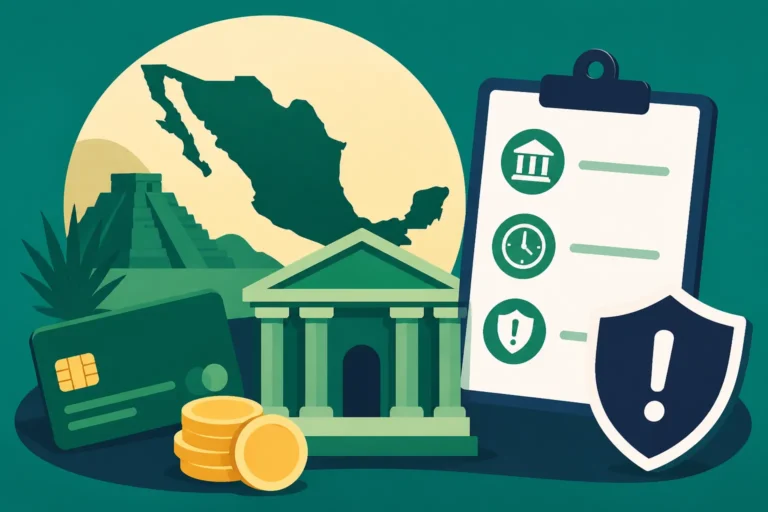
When you receive a large sum from abroad, especially an inheritance, your Mexican bank will likely require documentation to understand the source of the funds and comply with anti-money laundering (AML) regulations. This isn't because they're suspicious of you, but because they need to adhere to international and national financial transparency laws.
Here are the documents you'll almost certainly need:
- Official Death Certificate: From the country where your loved one passed away. This proves the person's death.
- Certified Copy of the Will: If one exists, and it has been probated in your home country. This shows your entitlement to the inheritance.
- Probate Documents/Court Orders: Any legal documents from the foreign court or authority that confirm the validity of the will and the legal distribution of the estate.
- Proof of Identity: Your current passport and your Mexican residency card (Residente Temporal or Residente Permanente). This confirms who you are and your legal status in Mexico. If you're still on a tourist visa, receiving a large inheritance can be trickier, so ensure your residency is in order first. You might need your How to Get an RFC in Mexico as well.
- Proof of Relationship: Birth certificates, marriage certificates, or other official documents that establish your relationship to the deceased. This substantiates your claim as an heir.
- Declaration of Inheritance/Affidavit: A formal statement, possibly drafted by an attorney in your home country, explaining the nature of the inheritance and that it's legitimate funds from an estate.
Crucially, all foreign-issued documents must be apostilled (or legalized) in their country of origin and then translated into Spanish by a certified, or "perito," translator in Mexico. An apostille is a certification that authenticates the origin of a public document for use in other countries that are parties to the Hague Apostille Convention. Without this, Mexican authorities likely won't accept your documents. It's an extra step, but an absolutely vital one to ensure your inheritance process goes smoothly.
The Importance of a Mexican Notario
In Mexico, the notario público (public notary) plays a far more significant role than in many other countries, like the U.S. or Canada. They are not simply witnesses to signatures; they are highly trained, licensed attorneys who hold public office and are responsible for ensuring the legal validity of documents and transactions. For an inheritance involving foreign funds, their involvement is often indispensable, especially if any of the inheritance includes real estate in Mexico or needs to be formally registered within the Mexican legal system.
The notario will review all your translated and apostilled documents, verify their authenticity, and ensure they comply with Mexican law. They will draw up public instruments (deeds) that formalize the reception of the inheritance under Mexican jurisdiction. They also help calculate and ensure any applicable local taxes are paid and register the change of ownership of any assets (like property) in the Public Registry of Property. Engaging a reputable notario early in the process can prevent future legal headaches and ensure that your inheritance is legally sound and recognized here. This step is particularly important for larger assets and can be a lifeline when dealing with complex legalities. For general banking needs, knowing where to turn is key; check out How to Open a Bank Account in Mexico: Requirements and Tips and Major Banks in Mexico: BBVA, Banorte, and Santander Compared.
Tax Implications and Reporting Requirements in Mexico
One of the biggest anxieties for expats receiving an inheritance is the fear of crippling taxes. The good news for Mexico is often a pleasant surprise in this regard.
Mexican Inheritance Tax: A Pleasant Surprise (Usually)
Here's the often-relieving news: Mexico generally does not levy an inheritance tax or gift tax for direct heirs. This means that if you're inheriting from a parent, spouse, or child, the inheritance itself usually won't be subject to a separate tax in Mexico. This is a significant advantage compared to many other countries that have substantial inheritance taxes.
However, there are a few nuances to be aware of:
- Local Property Transfer Taxes: If the inheritance includes real estate located in Mexico, there will likely be a local acquisition tax (Impuesto Sobre Adquisición de Inmuebles, ISAI) when the property officially transfers into your name. This is a state-level tax, and the rate varies by state. The notario will help you calculate and pay this.
- Capital Gains: If you inherit assets (like a foreign investment portfolio) and then sell them while a tax resident of Mexico, any capital gains from that sale could be subject to Mexican income tax. The inheritance itself isn't taxed, but the profit you make from selling the inherited asset might be.
- Foreign Tax Obligations: Remember, this only covers Mexican tax law. You might still have tax obligations in your home country depending on their laws, even if you're living in Mexico. For instance, if you're a U.S. citizen, you still have U.S. tax filing obligations regardless of where you live. This is why understanding Taxes in Mexico for Expats: A Complete Guide to Income Tax and More is critical, as is knowing how to approach Declaring Foreign Income in Mexico: Tax Rules for Expats. U.S. citizens should also be aware of Reporting Mexican Bank Accounts to the IRS: FATCA/FBAR for US Expats.
So, while the inheritance itself typically won't be taxed upon receipt by direct heirs, it's crucial to understand the broader financial implications, especially if you plan to sell assets or generate income from the inheritance.
Reporting Requirements: AML and Capital Gains
As mentioned, Mexican banks are legally obligated to report large financial transactions to authorities like the Financial Intelligence Unit (UIF) as part of anti-money laundering (AML) efforts. When you receive a substantial inheritance, especially from abroad, your bank will require documentation to verify the source of these funds. This is a standard procedure and should not be a cause for alarm if your funds are legitimate. They need to tick boxes, not necessarily investigate you.
It's crucial to be transparent with your bank and provide all requested documentation promptly. This is where your diligently gathered and properly apostilled/translated documents become your best friend. A delay in providing these could hold up your access to funds.
If the inheritance involves the sale of assets (like a house abroad that's sold, and you receive the cash proceeds), or if you sell inherited property in Mexico, then capital gains might become a factor. It's a complex area, so consulting with a contador (accountant) here in Mexico is a smart move. They can advise you on your specific situation and ensure compliance with Mexican tax laws. Having your Do You Need an RFC Number? Why a Tax ID Matters for Expats' Finances will be essential for any significant financial dealings.
Beyond the Basics: Practical Tips and Potential Pitfalls
Dealing with an inheritance is emotionally charged and legally intricate. Navigating it from abroad adds layers of complexity. Here are some extra tips based on my experience and those of other expats.
Don't Rush It: Patience is Your Best Friend
It's natural to want to resolve everything quickly, especially when you're grieving or excited about newfound financial security. However, international inheritance processes are almost never fast. There are waiting periods for probate in your home country, the time it takes to gather documents, get them apostilled, send them to Mexico, have them translated by a perito translator, and then deal with banking and notarial processes here. Each step takes time.
Rushing can lead to mistakes, overlooked details, or falling for scams. Take a deep breath. Understand that this will be a process, and allow yourself the grace to navigate it without unnecessary pressure. Verify every piece of information, every fee, and every document. If something feels off or too good to be true, it probably is.
Seeking Professional Guidance: When to Hire an Accountant or Lawyer
While this guide provides a roadmap, it's generic advice. Your specific situation will have unique nuances. This is precisely when you need tailored, professional advice from people who understand both your home country's laws (or can work with your foreign legal team) and Mexico's.
A good Mexican notario is non-negotiable for formalizing the receipt of funds and assets, especially property. For tax planning, a Mexican contador (accountant) specializing in international taxation for expats is invaluable. They can advise you on how the funds impact your overall tax residency status, any potential reporting requirements, and how to optimize your financial position moving forward. Don't hesitate to invest in their expertise; it can save you significantly more in the long run than their fees. You can find help with How to Find an English-Speaking Accountant (Contador) in Mexico. Sometimes, depending on the complexity, a specialized Mexican lawyer might also be necessary, perhaps someone who deals with cross-border estate law. You may want to weigh your options by checking out Do You Need an Immigration Lawyer for Mexico? DIY vs Professional Help, considering it from a legal/financial rather than just immigration angle.
Keeping Records Meticulously
From the moment you receive the first notification about an inheritance, start a dedicated file, both physical and digital. Keep copies of absolutely everything: the death certificate, the will, probate documents, bank statements, correspondence with lawyers and banks, receipts for apostilles and translations, and every single confirmation from a service like Wise for your transfers.
Organize these documents chronologically. If questions ever arise from your bank, the SAT (Mexico's tax authority), or any other entity, you'll be able to produce the necessary proof without scrambling. This meticulous record-keeping is your safety net and can prevent significant headaches down the line. It's also a good practice for general estate planning; if you're thinking about your own future, consider whether Do You Need a Mexican Will? Estate Planning for Expats is something to look into.
Receiving an inheritance from abroad while living in Mexico is undoubtedly a journey, but with the right information, patience, and professional help, it's entirely manageable. Utilizing efficient and transparent services like Wise for transferring funds can alleviate much of the financial stress, allowing you to focus on what truly matters during such a significant life event.
Disclaimer
The information provided in this article is for general guidance only and does not constitute legal, financial, or tax advice. Laws and regulations regarding inheritance, taxation, and international transfers are complex and can change. Always consult with qualified legal, financial, or tax professionals in both your home country and Mexico for advice tailored to your specific situation. We are not responsible for any actions taken based on the information provided here.