Repaying Student Loans Abroad While Earning Pesos
Living in Mexico, building a new life, soaking in the culture – it's truly an incredible journey. But let's be real, a tiny little detail from your past can pop up and cause a massive headache: those student loan payments. It's a whole different ballgame when you're earning in pesos and trying to send dollars back home, and believe me, it's a common source of stress. This guide is going to walk you through exactly how to navigate repaying your student loans from Mexico, making those transfers as smooth and cost-effective as possible.
Disclosure: This post may contain affiliate links. We may earn a commission at no extra cost to you if you make a purchase through these links. Read full disclosure.
The Unique Headaches of Pesos-to-Dollar Loan Payments
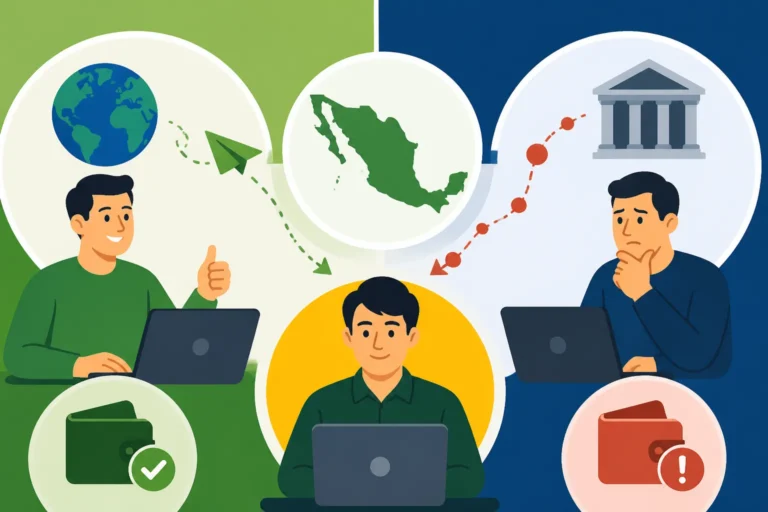
When you're earning in Mexican pesos and your student loan payments are due in U.S. dollars (or Canadian dollars, or Euros, you get the picture), you're instantly introduced to a whole new level of financial gymnastics. It's not just about having enough money; it's about the labyrinth of international transfers, the dreaded exchange rate monster, and fees that can eat into your hard-earned cash faster than a street taco stand on a Saturday night.
Navigating Exchange Rate Volatility
This is probably the biggest anxiety-inducer for many expats. The exchange rate between the Mexican peso and your home currency is rarely stable. One month, your payment might feel perfectly manageable, taking a reasonable chunk of your pesos. The next, a sudden fluctuation could mean you're scrambling to find hundreds, or even thousands, more pesos just to cover the same dollar amount. It feels like the goalposts are constantly moving, and it’s incredibly frustrating when you’ve budgeted so carefully. Imagine setting aside 3,000 pesos for a $150 payment, only to find out a week later that you need 3,200 pesos because the rate dipped. That extra 200 pesos might not seem like much on its own, but multiply that by every single payment, and it adds up fast.
High Transfer Fees and Hidden Costs
Traditional banks, bless their hearts, are not always your friends when it comes to international money transfers. They often charge hefty upfront fees for wire transfers, which can sometimes be a flat rate regardless of the amount you're sending. This means if you're sending smaller, more frequent payments, those fees compound quickly. But even more insidious are the hidden costs buried in unfavorable exchange rates. Your bank might tell you their transfer fee is only X amount, but they'll then offer you a conversion rate that's significantly worse than the actual market rate. This allows them to make a profit on the exchange itself, and it’s money that comes straight out of your pocket without you even realizing it. You think you're getting a good deal, but you're actually losing a chunk of your pesos in the conversion.
The Timing and Logistics of International Payments
Another layer of complexity is the sheer time it can take for money to move across borders, especially when dealing with different banking systems. You might initiate a transfer with your Mexican bank, but it could take 3-5 business days (or even longer, in my experience!) for the funds to actually hit your loan servicer's account back home. If you're close to a payment deadline, these delays can lead to late fees or, worse, dings on your credit score. Mexican banks sometimes have different operating hours or holidays than banks in your home country, adding to the potential for delays and miscommunications. Plus, trying to explain to a local bank teller, in Spanish, the intricacies of a specific international transfer form can be a challenge in itself, even with decent language skills.
Essential Strategies for Managing Your Student Loans from Mexico
Don't despair! While the challenges are real, there are concrete strategies you can employ to make managing your student loans from Mexico a much less stressful endeavor. It starts with understanding your loans and then setting up a robust financial system tailored to your expat life.
Understanding Your Loan Terms and Options
Before you even think about transferring a single peso, you need to be intimately familiar with the terms of your student loans. What's your interest rate? What are your payment due dates? Are there any grace periods or specific requirements for international payments? Most importantly, explore repayment options like income-driven repayment (IDR) plans if you have federal loans. These plans adjust your monthly payment based on your income and family size, which could be incredibly helpful if your peso income makes standard payments difficult. You might also look into deferment or forbearance options if you’re facing significant financial hardship. Private loans offer fewer options, but it’s always worth checking with your loan servicer to see if they have any specific programs for borrowers living abroad. Sometimes, simply communicating your situation can open up unexpected possibilities. Remember to ask about any fees associated with these options or if interest continues to accrue.
Creating a Realistic Peso-Based Budget for Dollar Payments
Budgeting is always important, but when you're dealing with two currencies, it becomes paramount. You need to establish a dedicated portion of your peso income each month that's earmarked specifically for your student loan payment. And here's the kicker: overestimate it. Always budget for the payment to be slightly higher than the current exchange rate suggests, creating a buffer for those pesky fluctuations. I can’t stress this enough; trying to perfectly time the market or budget to the exact centavo will only lead to stress. You also need to factor in potential transfer fees.
Think about setting up a separate savings pot, even if it’s just a digital one within your Mexican bank account, where you stash away pesos for your loan payments. If you manage to save a little extra during a favorable exchange rate month, don't spend it! Roll it over into your loan payment fund. Many expats find tools like YNAB (You Need A Budget) or even simple spreadsheets incredibly helpful for tracking expenses and allocating funds in both currencies. When looking at your overall finances, consider the Cost of Living in Mexico: 2026 Comprehensive Guide to truly understand how your peso income lines up with your expenses and loan obligations.
Building an Emergency Fund for Loan Payments
This goes hand-in-hand with budgeting. An emergency fund isn't just for unexpected medical bills or a broken washing machine; it's also your safety net against a sudden, unfavorable swing in the exchange rate or an unforeseen transfer delay. Aim to have at least 1-2 months' worth of your student loan payments saved up in an easily accessible account. This way, if the peso suddenly tanks against the dollar just before your payment is due, you won't be caught completely off guard, frantically trying to scrounge up extra cash. This fund provides peace of mind and prevents you from potentially dipping into other essential living expenses. For those thinking about their overall financial health, understanding Should Expats Keep Savings in Pesos or Dollars? Managing Currency Risk can be incredibly insightful for managing this buffer.
The Best Ways to Transfer Money for Loan Repayments
Now, let's get down to the brass tacks: how do you actually get those pesos converted into dollars and sent to your loan servicer without losing a fortune in fees and bad exchange rates? This is where your choice of money transfer service makes all the difference.
Traditional Bank Transfers vs. Modern Solutions
Historically, the only option for international transfers was your bank. You’d go in, fill out a form for a wire transfer, and pay a hefty fee, typically somewhere between $25-$50 USD per transfer, plus whatever hidden margin they added to the exchange rate. It was slow, opaque, and expensive.
Thankfully, we live in a different world now. The advent of fintech companies has revolutionized international money transfers, offering much more competitive rates and transparency. This is where services like Wise (formerly TransferWise) shine, as they've become the gold standard for expats globally, including those of us living here in Mexico.
Why Wise is a Game-Changer for Expats in Mexico
Let me tell you, when I first discovered Wise, it felt like I'd found a secret cheat code for international money transfers. It addresses almost every pain point we just discussed.
- Mid-Market Exchange Rate: This is huge. Wise uses the real, mid-market exchange rate – the one you see on Google or Reuters – unlike traditional banks that pad their rates. This alone saves you a significant amount of money on every transfer.
- Transparent, Low Fees: Their fees are upfront, clearly displayed before you even confirm the transfer, and they are typically much lower than what traditional banks charge. You know exactly what you're paying.
- Speed: Most transfers are completed within 1-2 business days, often even faster for common currency pairs like MXN to USD. This dramatically reduces the stress of hitting payment deadlines.
- Ease of Use: Their platform, whether on desktop or their mobile app, is incredibly user-friendly. Setting up a transfer from your Mexican bank account to your loan servicer’s account in your home country is straightforward. You’ll need your loan servicer’s bank account details (account number, routing number/SWIFT code), which they should provide.
- Convenience: You can initiate and track transfers from anywhere, anytime, without having to visit a physical bank branch or deal with clunky online banking portals in Spanish.
For anyone earning pesos and needing to send money abroad, especially for regular commitments like student loans, Wise is, hands down, the most recommended option in the expat community. It truly puts more pesos in your pocket. To get started, you'll need to set up an account with them, which is usually a simple online process requiring some ID verification.
Other Transfer Services (and Why Wise Often Wins)
While Wise is my top recommendation, it's worth briefly mentioning a few other popular services, though they often come with their own trade-offs:
- Xoom (PayPal Service): Good for quick transfers, but their exchange rates can sometimes be less competitive than Wise, and fees can vary.
- Remitly: Often has good rates for smaller transfers and promotions for new users.
- Western Union/MoneyGram: While ubiquitous, these are generally more expensive and primarily used for cash pickups, not ideal for bank-to-bank loan payments.
Here’s a quick comparison of typical costs for sending money internationally from Mexico:
| Feature | Traditional Mexican Bank Transfer (e.g., Banorte, BBVA) | Wise | Other Online Services (e.g., Xoom) |
|---|---|---|---|
| Exchange Rate | Bank's own, often marked up | Mid-market rate (real exchange rate) | Variable, can be marked up slightly |
| Transfer Fee (USD est.) | $25-$50 per transaction | ~0.5% – 1% of the amount (variable by currency) | Variable, can be flat or percentage-based |
| Total Cost (Hidden + Fees) | High, due to rate markup and flat fees | Low, transparent, based on market rate | Moderate, can be higher for certain amounts |
| Speed | 3-5 business days, sometimes longer | Typically 1-2 business days, often same-day | 1-4 business days |
| Transparency | Low, hidden fees in exchange rate | High, all fees and rates shown upfront | Moderate, may require digging for full cost |
| Convenience | Requires bank visit or complex online banking | Fully online/app, user-friendly | Fully online/app |
| Ideal For | Large, infrequent transfers where security is paramount | Regular, cost-effective, transparent loan payments | Smaller, urgent transfers, or cash pick-ups |
When you're dealing with recurring payments like student loans, those percentages and mid-market rates offered by Wise really add up to significant savings over time. It makes a real difference in how much of your peso income actually goes towards your debt instead of bank profits.
Planning for the Future: Long-Term Financial Health in Mexico
Managing student loans from abroad isn't just about the monthly grind; it's about setting yourself up for long-term financial success in your new home. Looking ahead can help you minimize stress and maximize your savings.
Regularly Re-evaluating Repayment Plans
Life changes, and so might your income or financial situation in Mexico. Make it a habit to revisit your student loan repayment plan annually. If your income has changed significantly, particularly if it's increased, you might be able to afford higher payments, which can save you a ton in interest over the life of the loan. Conversely, if you're struggling, re-evaluate if you qualify for an income-driven repayment plan or other relief options. Staying proactive with your loan servicer is always better than ignoring the problem. Sometimes even small adjustments to your plan can have a big impact.
Considering Local Investments or Higher Savings
Once your student loan payments are consistently managed, think about what you can do with any extra pesos. Building a solid financial foundation in Mexico means looking beyond just paying bills. You could explore local investment opportunities, perhaps in CETES (Mexican government bonds) or through a brokerage account here, to potentially grow your savings faster than a traditional savings account. For more information on this, you might look into Investing in Mexico: Opportunities in Real Estate, Stocks, and Beyond. Or, you could simply focus on building a larger emergency fund or saving for a down payment on a property here. Remember, your future isn't just about escaping debt, but about building wealth wherever you choose to call home. If you're pondering property, consider Mortgage Options for Expats: Financing a Property Purchase in Mexico.
Tax Implications for Student Loan Interest
This is a tricky one, and honestly, it depends heavily on your country of origin and your tax residency status in Mexico. In some countries, student loan interest is tax-deductible. If you're still considered a tax resident of your home country (even while living abroad), you might still be able to claim this deduction. However, if you've fully become a tax resident of Mexico, the rules change. Mexico has double taxation treaties with many countries, but it's crucial to understand how your specific situation is affected. You should definitely consult with a tax professional who specializes in expat taxes for both your home country and Mexico. They can advise you on whether your student loan interest payments are deductible, or if there are any reporting requirements you need to be aware of. Navigating Taxes in Mexico for Expats: A Complete Guide to Income Tax and More is essential here. Sometimes, getting an RFC (Mexican Tax ID) is a necessary step for these discussions.
Living in Mexico with student loans hanging over your head can feel like trying to swim against a current, especially when that current keeps changing direction with the exchange rate. But by being proactive, choosing the right tools like Wise for your money transfers, and consistently reviewing your financial situation, you can absolutely manage this aspect of your expat life successfully. Don't let those loans dictate your dreams here in Mexico; take control, and enjoy all the amazing experiences this country has to offer.
Disclaimer
Please note that this article provides general information and guidance for expats in Mexico. Financial regulations, exchange rates, and immigration policies can change. It is always recommended to consult with a qualified financial advisor, tax professional, or immigration expert for personalized advice tailored to your specific situation. The information herein is not intended as financial, tax, or legal advice.