Comparing International Removal Quotes for Mexico: Line Items That Hide Costs
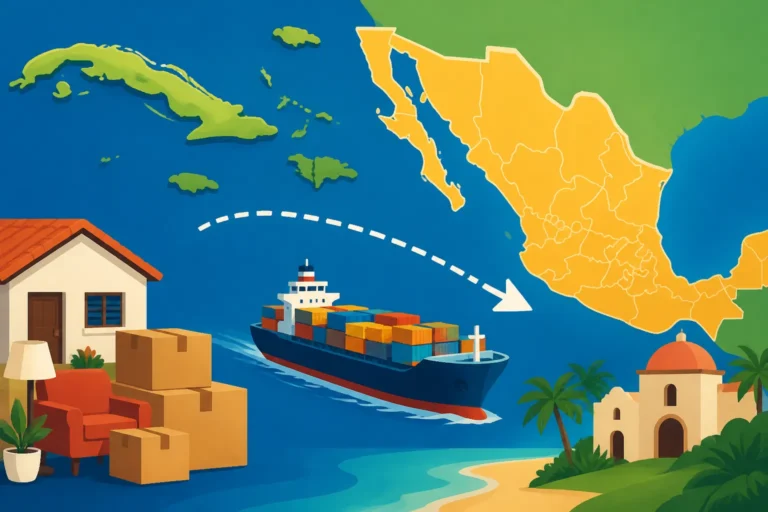
Moving to Mexico? Oh, the dreams of sunshine, vibrant culture, and delicious tacos! But then reality hits you like a truckload of paperwork: the daunting task of figuring out how to get your precious belongings from your home country to your new Mexican abode. The biggest headache often comes from trying to make sense of international removal quotes, which can be filled with confusing jargon and surprising fees. This guide is here to help you unravel those quotes, understand what you’re actually paying for, and avoid those costly surprises, ensuring your move is as smooth as possible.
Disclosure: This post may contain affiliate links. We may earn a commission at no extra cost to you if you make a purchase through these links. Read full disclosure.
The Initial Sticker Shock: Why Moving Quotes to Mexico Seem High
It's a common story. You finally get those first few quotes back from international movers, open them up, and your jaw drops. You expected it to be expensive, but this expensive? It's easy to feel disheartened, but there are legitimate reasons behind those numbers, and understanding them is the first step to making an informed decision.
The Complexity of Cross-Border Logistics
Shipping your household goods across international borders isn't like moving down the street. It involves a whole network of logistics, legalities, and various modes of transport. Think about it: your sofa isn't just traveling by truck; it might be going on a ship, then a train, and then another truck. Each leg of that journey involves different handlers, different customs regulations, and different risks. This complexity adds layers to the cost. You're paying for coordination, specialized equipment, and the expertise to navigate these intricate routes. For instance, a container might need to be moved from a port in Veracruz to a customs office in Mexico City, then cleared, and finally trucked to your new home in San Miguel de Allende. Each hand-off is a potential point of delay or extra cost if not handled by professionals.
Mexican Import Regulations and Bureaucracy
Ah, Mexico! Beautiful, vibrant, and famously bureaucratic. Importing household goods into the country is no exception. The Mexican government has specific rules and requirements, particularly if you're looking to import your items duty-free under a "menaje de casa" (household goods declaration). If you don't get this right, you could be facing hefty import duties and taxes. This process involves precise documentation, approvals from the Mexican consulate in your home country, and strict timelines. I remember one expat who had their container held up for weeks at the border because a single item on their menaje de casa didn't exactly match what was in the box. The storage fees alone were astronomical! Your moving company is factoring in their knowledge and time to ensure these regulations are met, minimizing the chance of your goods getting stuck in a customs limbo. This administrative dance is often underestimated, but it's a significant part of the cost. You can learn more about the overall process of Settling in Mexico: Step-by-Step Guide to Your First 30 Days as an Expat to get a broader picture of what awaits you.
Decoding the Quote: Essential Line Items and What They Mean
When you receive a quote, don't just look at the bottom line. Each quote is a jigsaw puzzle of services and fees. It's crucial to understand what each piece represents. This is where a platform like Sirelo really shines, as it helps connect you with vetted movers who can provide clearer breakdowns, making it easier to compare apples to apples.
Volume or Weight Calculation
This is usually the biggest factor in your quote. International moving companies typically charge based on the volume (measured in cubic meters or cubic feet) or, less commonly, the weight of your shipment. Many companies will send a surveyor to your home to estimate this. Don't skip this step! An accurate estimate prevents nasty surprises later. If your estimate is too low, you might end up paying more than you budgeted when the final measurement is taken. Conversely, if it's too high, you might be overpaying from the start.
For example, if you have a lot of bulky, light items like upholstered furniture, volume will be the key. If you're moving heavy items like books, tools, or exercise equipment, weight might come into play, especially if shipping by air. Always ask the mover how they've calculated the volume or weight and confirm if it's an estimate or a guaranteed figure. Remember that even small things add up – those extra boxes of kitchen gadgets or that extensive book collection can quickly increase your cubic meter count.
Packing and Crating Services
This line item can vary wildly depending on whether you opt for professional packing or choose to do it yourself. Most international movers will offer a range of services:
- Full Pack: The movers pack everything. This is usually the most expensive option but often the safest, as professional packers use specialized materials and techniques to protect your items. They're also usually faster.
- Partial Pack: You pack most of your belongings, and the movers handle fragile items, artwork, or unusually shaped goods.
- Owner Packed (PBO – Packed by Owner): You pack everything yourself. This is the cheapest option in terms of labor but comes with higher risk. If items are damaged due to improper packing, your insurance might not cover it.
Beyond general packing, look for specifics on crating. If you have delicate items like a piano, large sculptures, or valuable antiques, these might require custom-built wooden crates. These aren't cheap but are often essential for safe transport. A good quote should detail whether crating is included or an extra. If you're doing a full pack, ask what kind of materials they use – heavy-duty boxes, bubble wrap, packing paper, moving blankets, etc. The quality of these materials makes a huge difference in how your belongings survive the journey to Mexico.
Transportation Method and Freight Costs
How your belongings travel will significantly impact the cost and timeline.
- Sea Freight (Ocean Cargo): This is the most common and cost-effective method for international moves. Your items will be loaded into a shipping container. You might have a Full Container Load (FCL), where you get an entire container to yourself, or a Less than Container Load (LCL), where your items share space with other shipments. FCL is faster and often preferred if you have a large household, while LCL is better for smaller shipments and is more budget-friendly, though it can take longer due to consolidation and deconsolidation.
- Air Freight: Much faster but significantly more expensive. This is typically reserved for urgent items, smaller shipments, or high-value goods where time is of the essence.
- Road Transport: For moves from the US or Canada, trucking can be an option, sometimes combined with sea freight if coming from further north or south in those countries.
The freight cost itself covers the journey from the origin port/airport to the destination port/airport in Mexico. This usually includes fuel surcharges, terminal handling charges, and other fees levied by the shipping lines or airlines. When getting quotes through a platform like Sirelo, they can help clarify these options and connect you with movers who specialize in the method best suited for your needs.
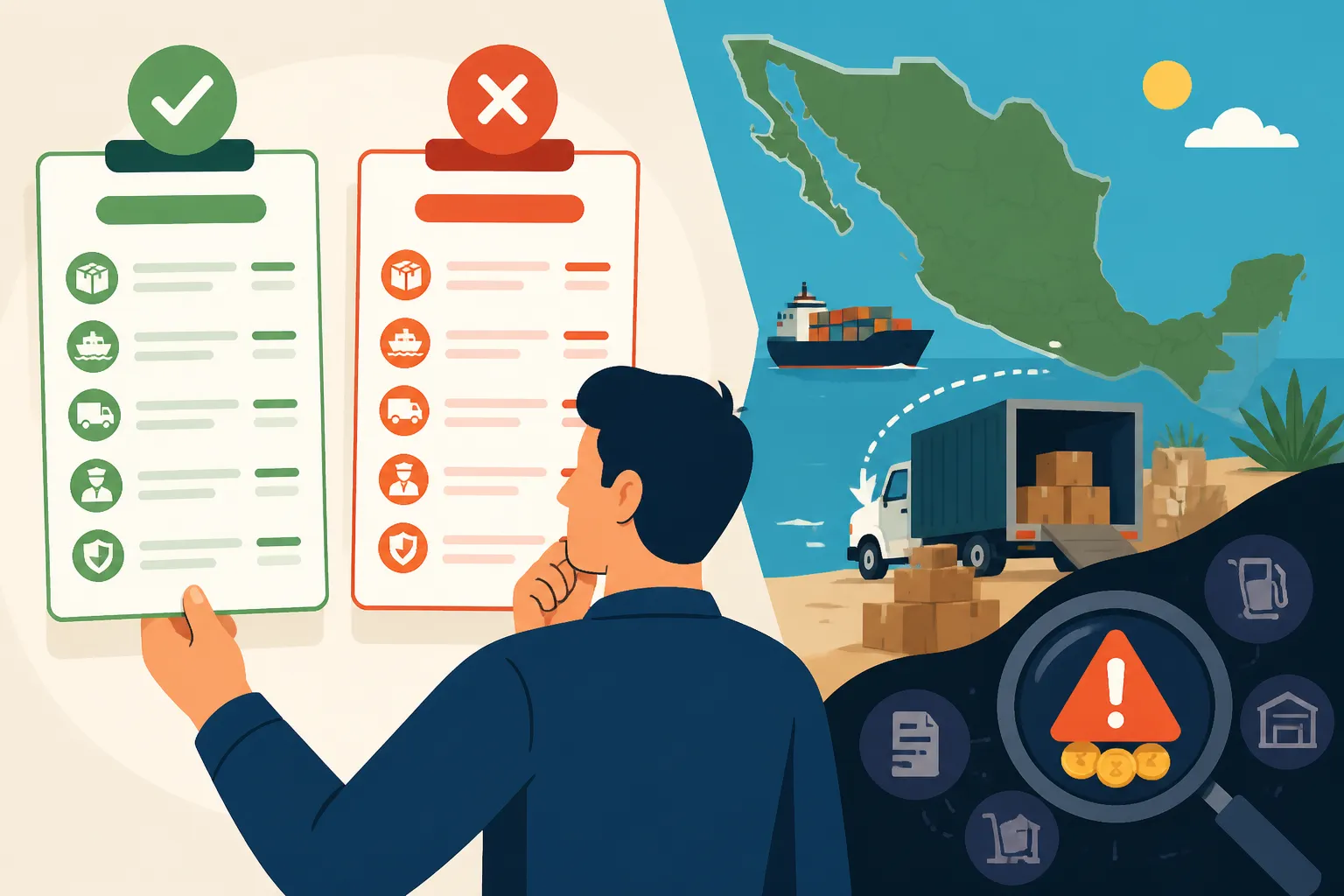
Hidden Costs and Unexpected Fees: The Sneaky Line Items
This is where many expats get caught off guard. Beyond the obvious, there are often charges lurking in the fine print or simply not mentioned until it's too late. Being aware of these can save you a world of pain and money.
Customs Duties and Taxes in Mexico
This is probably the biggest potential hidden cost. As a temporary or permanent resident moving your household goods (menaje de casa) to Mexico, you are generally allowed to import your personal effects duty-free. However, this relies on meticulous preparation and following specific rules:
- Consular Registration: You must register your menaje de casa at a Mexican consulate in your country of origin before you ship your items. This list must be comprehensive and accurate.
- Timing: The menaje de casa must be processed within a specific timeframe (usually 6 months after receiving your residency visa).
- Forbidden Items: Certain items are not allowed or have restrictions, like firearms, drugs, or commercial quantities of goods. If you include these, even by accident, expect significant issues.
If you fail to provide the correct menaje de casa documentation, or if your list doesn't match the contents, you could be liable for import duties and IVA (Value Added Tax), which can be as high as 16% of the declared value of your goods, plus penalties. This can turn an affordable move into a financial nightmare. Always clarify with your mover how they handle menaje de casa and what support they offer to ensure compliance. Remember, some items, even on a menaje de casa, are scrutinized, so don't try to bring in new electronics in their original packaging, as they might be seen as commercial goods.
Local Delivery and Access Fees
Once your shipment clears Mexican customs, it still needs to get to your new home. This involves local trucking and delivery services.
- Delivery to Residence: This covers the transportation from the customs warehouse or port to your address in Mexico.
- Stair Carry/Long Carry Fees: Living on the fourth floor with no elevator? Or perhaps your new home is down a long, narrow path where the truck can't get close? Movers will charge extra for these scenarios. Always disclose any access issues to your moving company upfront so they can include these costs in the initial quote. They won't appreciate discovering a three-flight walk-up on delivery day, and neither will your wallet.
- Shuttle Service: If your street is too narrow for a large moving truck, they might need to transfer your items to a smaller vehicle, incurring a "shuttle" fee. This is especially common in older colonial cities like San Miguel de Allende or Oaxaca.
These seemingly minor details can add hundreds, if not thousands, of dollars to your final bill. Be transparent about your destination address and access restrictions.
Insurance Premiums
While not strictly "hidden," the cost and type of insurance are frequently misunderstood. Most standard quotes will include a basic valuation coverage, but this is usually minimal (e.g., $0.60 per pound) and won't cover the true replacement value of your items.
- Total Loss Insurance: This only covers if your entire shipment is lost.
- All-Risk Policy: This is highly recommended. It covers damage or loss to individual items (with some exclusions for pre-existing damage or self-packed boxes). You'll typically pay a premium based on the declared value of your goods.
Always ask for a detailed explanation of the insurance options. What does it cover? What are the deductibles? What documentation do you need if you need to file a claim? Having adequate insurance is crucial for peace of mind when shipping your life across continents. For more on protecting your assets, check out Insurance in Mexico 101: Guide to Car, Home, and Life Insurance for Expats.
Storage and Demurrage Charges
Sometimes, things don't go exactly as planned. Your residency visa might be delayed, or your new home might not be ready.
- Storage-in-Transit: If your items arrive in Mexico before you're ready to receive them, they might need to be stored temporarily. Most moving companies offer this service for an additional fee.
- Demurrage/Detention Fees: These are penalties charged by the shipping line if your container isn't cleared from the port or customs within a certain free period (usually 3-7 days). These fees can quickly add up, often hundreds of dollars per day.
Make sure you understand the potential for these charges and have a contingency plan. A reputable mover, particularly one you find through a service like Sirelo, will help you understand and mitigate these risks by coordinating schedules carefully.
The Art of Comparison: How to Truly Evaluate Quotes
It's tempting to just pick the cheapest quote, but that's often a recipe for disaster. The real skill lies in comparing quotes not just on price, but on what's included, the company's reputation, and their transparency.
Standardizing Your Requests
To get truly comparable quotes, you need to provide the exact same information to every moving company. Don't let one company survey your whole house and another just give you a rough estimate over the phone.
- Detailed Inventory: Provide a comprehensive list of everything you plan to move. Be honest and thorough. Don't "forget" that extra shed full of tools; it will catch up with you later.
- Access Information: Clearly state origin and destination addresses, including parking availability, stairs, elevators, and any narrow roads or gates.
- Services Required: Specify if you need full packing, crating, disassembly/reassembly, appliance servicing, or any other special services.
- Timeline: Provide your preferred moving dates and flexibility.
When you use a platform like Sirelo, they streamline this process by connecting you with pre-vetted, reputable movers. You can submit your inventory and needs once, and receive multiple comparable quotes from companies that understand the intricacies of moving to Mexico. This standardization is invaluable in cutting through the noise and allowing you to genuinely compare offers side-by-side.
Scrutinizing the Fine Print and Exclusions
This is non-negotiable. Grab a cup of coffee (or a mezcal, you're almost in Mexico!) and read every single clause.
- What's NOT Included?: This is often more important than what is included. Are customs clearance fees explicitly stated, or will they be an extra charge? Does the quote cover uncrating and debris removal at your destination? What about taxes on the moving service itself?
- Payment Terms: When are deposits due? When is the final payment? Are there penalties for late payment? What currency are the payments in?
- Liability and Claims Procedure: Understand their claims process for damaged or lost goods. What's the timeframe for reporting damage? What documentation is required?
- Cancellation Policy: Life happens. What are the penalties if you need to cancel or postpone your move?
A reputable company will have clear, unambiguous terms. If a quote is vague or lacks detail, consider that a red flag. Don't be afraid to ask for clarification on anything you don't understand. If they can't give you a straight answer, move on.
The Value of Reputable Movers and Platforms like Sirelo
Choosing the right moving company is paramount. This isn't just about moving boxes; it's about entrusting your entire life's possessions to someone.
- Reviews and Testimonials: Look for companies with a strong track record of positive reviews, especially from expats who have moved to Mexico. Check independent review sites.
- Industry Certifications: Look for certifications like FIDI or IAM (International Association of Movers). These organizations have strict standards for their members regarding quality, ethics, and financial stability.
- Communication: How responsive and clear are they in their communication? A company that's hard to get a hold of now will be even harder when you're dealing with customs issues from across the globe.
This is precisely where Sirelo can be your best friend. Sirelo is not just a directory; it's a platform dedicated to making international moves easier. They connect you with trusted, pre-screened international moving companies that specialize in moves to Mexico. By using Sirelo, you don't have to spend hours researching individual companies and wondering if they're legitimate. You simply input your details, and Sirelo provides you with up to five free, comparable quotes from reputable movers. This saves you time, reduces stress, and increases your chances of finding a mover that offers transparent pricing and excellent service, making it the hero solution for deciphering those complicated quotes.
Saving Money and Avoiding Headaches: Practical Tips
Moving internationally is expensive, but there are ways to keep costs down and mitigate potential problems. Think strategically about what you actually need to bring.
Declutter Ruthlessly
This is probably the single best piece of advice anyone can give you. The more you move, the more it costs. Use your move as an excuse to shed anything you haven't used in a year or don't absolutely love.
- Sell or Donate: Hold a garage sale, list items on local online marketplaces, or donate to charity.
- Digitalize: Scan old documents, photos, and CDs/DVDs. These take up significant space and weight.
- Evaluate Furniture: Is that old sofa really worth the cost of shipping? Sometimes, it's cheaper to sell it and buy new or gently used furniture in Mexico. There are plenty of options for Furnishing a Home in Mexico on a Budget once you arrive.
Every box you eliminate is money saved on packing, freight, and potential customs hassles. Trust me, less is more when crossing borders.
Understanding Mexican-Specific Considerations
Mexico has unique characteristics that impact your move.
- Humidity and Pests: If you're moving to a humid coastal area, consider if your delicate wooden furniture or books will fare well. Mexico has its share of pests; ensure your movers use proper wrapping.
- Power Differences: While Mexico largely uses the same voltage as the US (127V, 60Hz), older homes might have different wiring. If you're coming from Europe or other regions with 220-240V, most of your appliances won't work without converters, which can be inefficient and bulky. Consider selling large appliances like washing machines or dryers and buying new ones in Mexico.
- Prescription Medications: If you're bringing specific medications, check the rules. Some common medications in your home country might be controlled substances or unavailable in Mexico. For guidance on this, read up on Bringing Prescription Medications from Home: Rules and Tips for Expats.
Being informed about these nuances can prevent bringing items that will be useless or problematic.
DIY Where It Makes Sense
While professional packing offers peace of mind, there are areas where you can save money by doing it yourself.
- Non-Fragile Items: Pack your own clothes, linens, books (carefully!), and non-breakable kitchenware. Use sturdy boxes and proper packing techniques. Label everything clearly and accurately.
- Disassembly/Reassembly: If you're handy, you can disassemble and reassemble simple furniture yourself. Just make sure to keep all screws and hardware organized!
- Inventory List: Create your own detailed inventory list before the movers arrive for their final count. This helps you keep track and ensures accuracy against the mover's list.
Just remember the caveat about insurance coverage for owner-packed boxes. For your peace of mind and to ensure a smooth transition, always verify insurance terms if you choose to pack your own belongings. Taking a little time to plan and communicate effectively with your moving company, especially those recommended by Sirelo, can significantly reduce your stress levels. Don't forget to set up your Home Utilities in Mexico: Setting Up Electricity, Water, Gas, and Internet as part of your settling-in plan.
Navigating the Customs Clearance Process in Mexico
Once your shipment arrives in Mexico, it enters the customs clearance phase, which can be the most nerve-wracking part of the entire process. Your moving company will typically act as your agent, but you need to understand your role.
The Role of Your Moving Company's Customs Broker
Your international moving company will partner with a local customs broker in Mexico. This broker is the expert who will navigate the intricate Mexican customs regulations on your behalf. Their job is to:
- Verify Documentation: Ensure your menaje de casa and all other necessary import documents are complete, accurate, and comply with Mexican law.
- Interact with Authorities: Liaise directly with Mexican customs officials, presenting your paperwork and responding to any queries they may have.
- Handle Inspections: If your shipment is selected for inspection (which is always a possibility), the broker will manage this process.
This is a critical service, and the efficiency and expertise of the customs broker can make or break your timeline. A good quote from a Sirelo-recommended mover will clearly state that customs clearance is handled, often providing an estimate for associated fees. Be wary of movers who tell you you need to handle customs entirely yourself – this is highly unusual and often indicates a lack of experience in international moves to Mexico. You're paying them for this expertise, so ensure it's part of the deal.
Required Documentation for Entry
Even with a broker, you’ll need to provide essential documents. The exact list can vary, but generally includes:
- Passport: A copy of your valid passport.
- Residency Visa/Card: Copies of your temporary or permanent residency visa (Residente Temporal or Residente Permanente) and your corresponding resident card. This is paramount for the menaje de casa.
- Menaje de Casa: The original stamped and legalized list of your household goods, issued by a Mexican consulate abroad. This list must be typed, in Spanish, and extremely accurate, reflecting all items you are importing.
- Power of Attorney: You may need to grant power of attorney to the customs broker, allowing them to act on your behalf.
- Proof of Address in Mexico: A utility bill or rental contract for your new Mexican home.
Ensure all names and addresses on your documents match perfectly. Discrepancies, even minor ones, can cause significant delays. This attention to detail is crucial. The moving company should guide you through preparing these documents well in advance. Keep copies of everything!
What to Expect During Clearance
The customs clearance process itself can be unpredictable.
- Timeframe: While some shipments sail through in a few days, others can take weeks, especially if an inspection is required or if there are any discrepancies in your documentation. Be prepared for potential delays.
- Inspections: Your container might be selected for a physical inspection. This is random, but customs officials will cross-reference your menaje de casa against the contents of your shipment. This is why accuracy on your list is so important. If an item is missing from your list, or if you have new items (especially electronics still in their original packaging), it can lead to duties, fines, or even confiscation.
- Communication: Your customs broker, through your moving company, should keep you informed of the status of your shipment. Don't be afraid to ask for updates, but also understand that sometimes "no news is good news" in this stage of the journey.
Dealing with INM (Instituto Nacional de Migración) and other government agencies can be frustrating, as many expats discover when Dealing With INM: Mexico's Immigration Institute. The customs process is no different. Having a professional on your side, particularly one familiar with Mexican idiosyncrasies, can be a huge relief.
When comparing quotes, be sure to ask specifically about the customs clearance process and what their track record is for clearing shipments into Mexico without issues. A transparent mover will be happy to walk you through it and provide realistic timelines.
Key Considerations for Choosing Your International Mover
Beyond the price and line items, your choice of mover can dictate the overall success and stress level of your move to Mexico. It's about finding a partner you can trust.
Reputation and Experience in Mexico Moves
Not all international movers are created equal, especially when it comes to a country like Mexico. You want a company that has a proven track record of successfully moving expats specifically to Mexico.
- Ask for References: Request references from recent clients who have moved to Mexico. Speak to them about their experience, particularly regarding customs clearance and delivery.
- Specialized Knowledge: Does the company demonstrate a deep understanding of Mexican customs, culture, and logistical challenges? Can they explain the menaje de casa process clearly? Do they have established partners on the ground in Mexico? A mover who merely ships to "North America" without specific Mexican expertise might leave you vulnerable.
- Problem-Solving Skills: Inevitably, small issues can arise. How does the company handle unexpected problems? Are they proactive in communicating and finding solutions, or do they leave you in the dark?
A platform like Sirelo focuses on connecting you with movers who have this specific expertise. They understand the nuances of international moves and vet their partners accordingly, giving you a greater sense of security. Don't underestimate the value of experience when crossing borders.
Communication and Customer Support
Effective communication is the backbone of a successful international move. You'll be entrusting your entire life to a company thousands of miles away, so being able to easily reach them and get clear, timely updates is crucial.
- Dedicated Contact Person: Will you have a single point of contact throughout the process? This minimizes confusion and ensures continuity.
- Responsiveness: How quickly do they respond to your inquiries? Do they answer your questions thoroughly, or do you feel rushed? Pay attention to this during the quoting phase.
- Language Barrier: Is there staff available who can communicate effectively in your preferred language and in Spanish (for the Mexican end of the journey)? While many international movers have English-speaking staff, ensure their local partners in Mexico also have this capability, or that the main company acts as an effective intermediary.
Poor communication is a major source of stress during an international move. You want a company that makes you feel informed and supported, not ignored or confused. This is a journey, not just a transaction.
Flexibility and Contingency Planning
Life rarely goes exactly according to plan, especially when moving abroad. Your chosen mover should demonstrate flexibility and help you plan for potential contingencies.
- Schedule Changes: What happens if your flight gets delayed or your new rental isn't ready on time? Can they accommodate changes to your delivery schedule? What are the costs associated with these changes?
- Storage Options: Do they offer flexible short-term or long-term storage solutions both at origin and destination, should you need them?
- Unexpected Issues: While no one can predict every problem, a good mover will have protocols in place for common challenges, such as customs delays or minor damage. They should be transparent about these possibilities and how they would address them.
A professional international mover understands that a move to Mexico is a major life event, not just a logistics exercise. They should partner with you to make the process as smooth and stress-free as possible, providing options and solutions rather than just listing problems. This comprehensive approach is what sets the best movers apart, and it's what you can expect from companies you find through Sirelo. Being prepared for the unexpected is key to your peace of mind.
Disclaimer
Please note that immigration laws, customs regulations, and financial requirements in Mexico can change frequently. While we strive to provide the most up-to-date and accurate information, this guide is for informational purposes only and does not constitute legal or professional advice. Always consult with qualified immigration attorneys, financial advisors, or moving specialists for personalized guidance regarding your specific situation.