Full Load vs Consolidated Shipping to Mexico: Cost Break-Even by Volume
Moving all your worldly possessions to Mexico can feel like orchestrating a symphony of chaos, especially when you’re staring down the barrel of shipping logistics. One of the biggest head-scratchers for us expats is deciding whether to go with a full container load (FCL) or a consolidated shipment (LCL). It’s not just about how much stuff you have; it’s about finding that sweet spot where the cost makes sense, and believe me, getting it wrong can cost you a pretty penny and a whole lot of stress. This guide will walk you through the nuances of both, helping you pinpoint the crucial cost break-even by volume, and show you how platforms like Sirelo can simplify this overwhelming decision.
Disclosure: This post may contain affiliate links. We may earn a commission at no extra cost to you if you make a purchase through these links. Read full disclosure.
Understanding Your Shipping Options for Mexico
When you’re packing up your life to move to the land of mariachis and tacos, the sheer volume of your belongings will dictate a lot about your shipping strategy. Forget comparing apples and oranges; we're talking about comparing a single apple to an entire orchard here! Understanding the fundamental differences between Full Container Load (FCL) and Less than Container Load (LCL) is the first step in demystifying the process and avoiding costly mistakes.
What is Full Container Load FCL Shipping?
Imagine you’ve got so much stuff that you fill up an entire shipping container yourself. That, my friend, is Full Container Load (FCL) shipping. You get exclusive use of a 20-foot or 40-foot container, packed at your home (or a warehouse), sealed, and then it’s off to Mexico.
The Perks of Having Your Own Container:
- Speed: Since your container isn't waiting for anyone else's goods, it generally has a more direct route and faster transit time. It’s like having a private jet for your belongings, rather than a bus with multiple stops.
- Security: Fewer hands touch your stuff. Your container is sealed at the point of origin and typically remains sealed until it reaches its destination in Mexico, reducing the risk of damage or loss from frequent handling.
- Control: You have more say over scheduling. If you need your items picked up on a specific day, it's usually easier to arrange with FCL.
The Downside for the Smaller Load:
- Cost: If your belongings don't fill a significant portion of the container, you’re essentially paying for empty space. This is where FCL can become incredibly expensive, especially for smaller moves. Think of paying for all 50 seats on a bus, even if only you and your cat are riding.
When FCL Makes Sense:
Consider FCL if you're bringing a substantial household – a three-bedroom house full of furniture, appliances, an entire library of books, and perhaps even a vehicle. For instance, if you’re a family of four relocating and you plan on Furnishing Your Home in Mexico: Buying New vs Second-Hand, FCL is usually the most logical and often the most cost-effective option for the sheer volume. It means your entire home arrives together, reducing the logistical headaches on the Mexico side.
What is Less than Container Load LCL Shipping?
Now, what if you're a single expat or a couple, and you’re only bringing a few cherished pieces of furniture, some personal boxes, and maybe your favorite art? You certainly don't need an entire container. That’s where Less than Container Load (LCL) shipping comes in. With LCL, your belongings share space in a container with other people's shipments destined for Mexico. It’s essentially ride-sharing for your cargo.
The Advantages of LCL:
- Cost-Effective for Smaller Volumes: This is the main draw. You only pay for the space your items occupy within the container, making it far more economical for smaller moves.
- Flexibility: It's ideal if you don't have enough to fill a full container, saving you from paying for wasted space.
The Less-Than-Ideal Aspects:
- Slower Transit Times: Because the container needs to be fully loaded with goods from various shippers before it departs, and then unloaded and sorted at the destination port, LCL shipments generally take longer. You’ll need patience, often weeks longer than FCL.
- More Handling: Your goods will be handled multiple times – loaded into a consolidation warehouse, then into the container, then unloaded, and then sorted at the destination. Each touch point increases the slight risk of damage, so robust packing is absolutely critical.
- Potential for Delays: If even one person's paperwork in the shared container isn't in order, it can hold up the entire container at customs. This is a common frustration expats face when Dealing with Bureaucracy in Mexico.
When LCL is Your Best Bet:
LCL is perfect for those who are downsizing, minimalist, or simply starting fresh with most new items purchased locally in Mexico. If you're only bringing a dozen moving boxes, a bicycle, and perhaps a small dining table, LCL is designed for you. For instance, a digital nomad moving to Playa del Carmen with just essentials would find LCL much more practical than an FCL.
The Hidden Costs of Shipping to Mexico
Regardless of whether you choose FCL or LCL, an international move to Mexico isn't just about the ocean freight. There’s a labyrinth of additional fees and charges that can quickly inflate your initial quote, making that "cheap" option suddenly feel very expensive. It’s vital to understand these to truly compare apples to apples when you’re looking at quotes for your move. This is where a platform like Sirelo becomes invaluable, as good movers within their network will provide transparent breakdowns.
Understanding the Financial Maze:
- Customs Duties and Taxes: Mexico has specific import duties on certain household goods, especially new items. While used personal effects for residents are often exempt, accurately categorizing everything is crucial. Misdeclarations can lead to hefty fines and delays. You might also encounter IVA (Value Added Tax) on some imported goods. This is where a detailed inventory is your best friend.
- Port and Terminal Handling Charges (THC): These are fees charged by the port authorities at both the origin and destination for moving your container or consolidated cargo through their facilities. They cover everything from lifting the container off the ship to storing it temporarily before customs clearance.
- Documentation Fees: Every international shipment requires a mountain of paperwork. Your mover will charge for preparing and processing bills of lading, customs declarations, and other necessary documents. This can also include fees for certified translations if your documents aren't in Spanish, though it's typically easier to have your mover handle that.
- Customs Clearance Fees: This is the fee paid to the customs broker (agente aduanal) in Mexico who handles the intricate process of getting your goods released from customs. A good customs broker is worth their weight in gold, as they navigate the often-complex Mexican regulations.
- Storage or Demurrage/Detention Charges: If your container or cargo isn't cleared and picked up within a specified free period (usually a few days), you’ll incur daily storage fees. These can add up incredibly fast, so prompt customs clearance is paramount.
- Last-Mile Delivery: Once your items clear customs, they still need to get from the port or warehouse to your new home. This inland transportation costs money, and it can vary significantly depending on the distance and accessibility of your destination in Mexico. Shipping to a major city like Mexico City will have different last-mile costs than to a remote pueblo.
- Menaje de Casa Permit: For foreign residents bringing their used household goods, securing a "Menaje de Casa" (household effects declaration) from a Mexican consulate in your home country is critical. This document can help you import your personal belongings duty-free. Without it, you might face significant duties on everything. Understanding the requirements for your Mexico Temporary Resident Visa also plays into this.
These costs are often lumped into "all-inclusive" quotes, but it's essential to ask for a breakdown. Sometimes, a seemingly lower initial shipping quote might hide higher destination charges. Always get comprehensive quotes that include all these potential fees for both FCL and LCL options to truly understand the total landed cost.
The Break-Even Point: When Size Matters
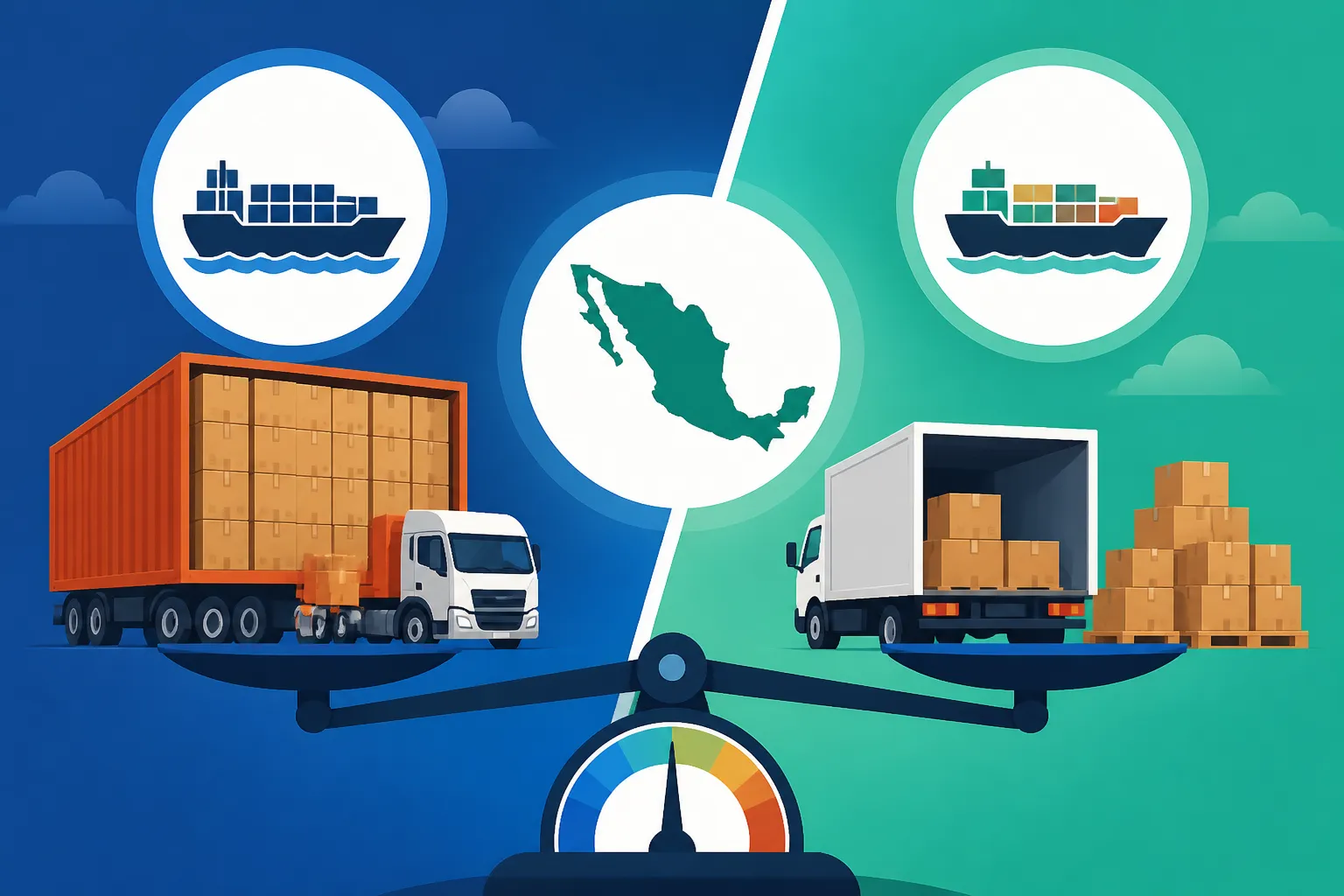
This is the million-dollar question for many expats: at what point does it become more economical to just spring for an entire container, even if you don't fill it? There's no single magic number because so many variables are at play, but understanding the factors that influence this break-even point is crucial for smart decision-making. Generally, the cost break-even for FCL versus LCL shipping to Mexico often falls somewhere between 5 and 15 cubic meters (CBM) of household goods. However, this is a very rough guideline. Many factors, which we’ll dive into, can shift this range significantly.
Factors Influencing the Break-Even Point
Pinpointing the exact moment when FCL becomes cheaper than LCL is like trying to hit a moving target – it depends on more than just the volume of your stuff. Several critical elements conspire to affect that elusive break-even point:
- Total Volume (Cubic Meters/Feet) and Weight: This is the most obvious factor. LCL costs are calculated based on the volume or weight, whichever yields a higher charge for the carrier (it's often by volume for household goods). FCL is a flat rate for the container. As your volume increases, the per-CBM cost of LCL starts to creep up. Once it nears the cost of an empty FCL container, you’ve hit your break-even. However, some items, like heavy books or dense furniture, can quickly increase the weight, potentially pushing LCL costs higher faster.
- Distance and Route: Longer distances and less common shipping routes naturally cost more. The origin country and specific port in Mexico (e.g., Veracruz on the Gulf Coast vs. Manzanillo on the Pacific) will impact pricing for both FCL and LCL, but sometimes LCL can be disproportionately affected by complex routes due to more handling and transshipment.
- Current Market Rates and Seasonality: Shipping rates are incredibly volatile. Global demand for containers, fuel prices, and even international trade tensions can cause prices to fluctuate wildly. During peak moving seasons (summer, end-of-year holidays), rates tend to be higher. What was a break-even point last year might not be this year.
- Customs Complexity and Local Charges: As we discussed, Mexico has its own set of port charges, customs clearance fees, and last-mile delivery costs. For LCL shipments, these destination charges are often prorated, but sometimes the administrative complexity of dealing with multiple consignees in one container can add overhead that disproportionately affects smaller LCL shipments compared to a single FCL shipment.
- Specific Items Being Shipped: Are you shipping a car, a motorcycle, or other specialized items? These often require specific handling or separate permits (like the Temporary Import Permit (TIP) for Cars) and can quickly push your shipment towards FCL territory, not just for cost, but for practical reasons of securing the item.
To truly determine your break-even point, you must get multiple, detailed quotes for both FCL and LCL options based on your specific inventory and desired timeline. This is precisely where a service like Sirelo shines. They connect you with reputable international moving companies who can provide comparative quotes, allowing you to see the actual numbers for your unique situation. This takes the guesswork out of it and empowers you to make an informed financial decision.
Calculating Your Volume
Before you can even think about comparing FCL and LCL quotes, you need a solid estimate of your belongings’ volume. It sounds daunting, but it's more straightforward than you might imagine. Movers typically measure in cubic feet (cu ft or CFT) or cubic meters (CBM or m³).
Practical Tips for Estimating Your Volume:
- Room by Room Inventory: Go through your home systematically. Make a list of everything you intend to ship. Don’t just list "living room furniture"; detail each piece: "3-seater sofa," "coffee table," "two armchairs," "5 boxes of books," etc.
- Standard Box Sizes: Most international movers use standard box sizes. If you're packing yourself, note the number of small, medium, large, and extra-large boxes. A general guideline is:
- Small box: 1.5 cu ft (e.g., books, heavy items)
- Medium box: 3.0 cu ft (e.g., kitchenware, clothes)
- Large box: 4.5 cu ft (e.g., linens, light items)
- Extra-large box: 6.0 cu ft (e.g., bulky but light items)
- Measure Large Furniture: For sofas, beds, dining tables, wardrobes, and major appliances, grab a tape measure. Measure length x width x height (or depth). Multiply these three numbers together for the cubic volume.
- Example: A sofa that is 2 meters long, 1 meter deep, and 0.8 meters high is 2 x 1 x 0.8 = 1.6 CBM.
- Don't forget to account for any disassembly that might reduce volume (though reassembly might be an added service cost).
- Online Volume Calculators: Many moving companies and relocation platforms offer online volume calculators. You input items from a pre-set list (e.g., "Dining Table – 6 chairs," "Queen Size Bed," "Bookshelf") and it provides an estimate. These are great starting points but should be refined with your actual measurements.
- Professional Surveys: The most accurate way to get your volume is to have a professional moving company conduct a virtual or in-home survey. They have trained estimators who can quickly and accurately assess your belongings and provide a precise volume estimate. This is highly recommended, especially for larger moves, as it forms the basis of your quote.
Why Accuracy Matters:
An accurate volume estimate isn't just for comparing FCL vs. LCL. It directly impacts your quote. Underestimate, and you could face unexpected charges or delays; overestimate, and you might pay for space you don't use. Take your time, be thorough, and don't hesitate to ask your potential movers for help with this step. Once you have a reliable volume, comparing quotes on Sirelo will be much more effective.
Practical Considerations Beyond Cost
While cost is undeniably a huge factor, it's not the only factor when deciding between full load and consolidated shipping to Mexico. As a veteran expat, I can tell you that sometimes, peace of mind, speed, and simply avoiding headaches are worth a little extra investment.
Speed and Timeline Differences
Let's be real: waiting for your stuff to arrive in a new country can feel like waiting for Christmas morning when you're five years old, but with much less certainty. The timelines for FCL and LCL are vastly different, and this can significantly impact your settling-in process.
- FCL: The Express Lane (Relatively Speaking): Because your container is dedicated, once it's packed and sealed, it generally heads straight to the port for the next available vessel. There are fewer stops and less handling along the way. Transit times from major ports (like the US or Europe) to Mexico could range from 2-4 weeks for ocean freight itself, plus a week or two for customs and local delivery. This means you could potentially have your belongings within 4-6 weeks of your container being picked up.
- LCL: The Scenic Route (With Many Stops): LCL shipments have more steps. Your goods are picked up and taken to a consolidation warehouse, where they wait until enough other shipments are gathered to fill a container going to Mexico. Once in Mexico, the container must be deconsolidated, and your items separated from others before customs clearance. This process adds significant time. Expect transit times of 6-10 weeks, or even longer, from pickup to final delivery.
The Expat Reality Check:
This difference in speed can have real-world implications. Imagine moving into your new unfurnished rental in Mexico and having to buy temporary furniture, kitchen supplies, and bedding because your LCL shipment is still weeks away. For some, the extra cost of FCL is worth having their familiar bed and couch sooner, allowing them to settle in faster. If you’re trying to budget the Cost of Living in Mexico, these temporary expenses can add up quickly.
Security and Handling
The journey across oceans and borders is tough on your belongings. How much handling they endure, and thus the risk of damage or loss, differs greatly between FCL and LCL.
- FCL: Less Handling, More Control: With FCL, your goods are typically packed at your residence, loaded into the container, and the container is sealed. It remains sealed until it reaches its destination in Mexico or a bonded warehouse for customs inspection. This means your items are handled minimally, primarily by your chosen moving team. This directness significantly reduces the chances of misplacement, theft, or damage from repeated loading and unloading.
- LCL: More Hands, More Risk: LCL means your items are handled multiple times. They are loaded from your home onto a truck, then unloaded at a consolidation warehouse, then loaded into a container with other people's goods, then unloaded at the destination port/warehouse, and finally reloaded for delivery to your home. Each transfer point presents an opportunity for something to go wrong – a box could be dropped, improperly stacked, or even get mixed up with another person's cargo.
Packing for the Journey:
Regardless of the method, professional packing is paramount, especially for fragile items. For LCL, consider it absolutely non-negotiable. Use sturdy boxes, ample padding, and clear labeling. If you choose a professional mover through Sirelo, they'll often offer packing services tailored to international shipping, which can be a wise investment for peace of mind.
Customs Clearance and Bureaucracy
Ah, Mexican customs. It’s a topic that can make even the most seasoned expat sigh deeply. The process itself is complex, but the way it’s handled can vary between FCL and LCL.
- FCL: Streamlined for Your Load: With an FCL shipment, all the contents belong to you. Your Menaje de Casa, inventory, and all supporting documents are solely for your consignment. This can make the customs clearance process more straightforward, as the broker deals with one client's paperwork. If everything is in order, it generally proceeds smoothly (as smoothly as Mexican bureaucracy allows, anyway!).
- LCL: The Domino Effect: This is where LCL can get tricky. Your items are in a container with dozens of other people's goods. If just one other person in that container has incomplete or incorrect paperwork, customs can hold up the entire container. This means your perfectly documented shipment could be delayed because of someone else's oversight. Imagine the frustration! This is another reason why finding reputable movers and customs brokers through a network like Sirelo is so important – they can help minimize these risks.
The paperwork itself, from your residency documents to your detailed inventory, is critical. Ensure you have your "Menaje de Casa" permit in hand, and consider consulting with a specialist who understands Customs Tips for New Residents: What You Can Bring When Moving to Mexico. This can save you immense grief and unexpected costs.
When a Partial Load Feels Like a Full Load
Finally, let's talk about the emotional weight. For many expats, moving to Mexico is a huge life change. Even if you're only bringing a "partial load" of belongings, those items often carry immense sentimental value. They are the touchstones of your previous life, the familiar comforts that help make a new place feel like home.
- The Psychological Impact: Waiting months for your cherished items can be incredibly tough, especially during the initial culture shock of settling into Mexico. Having your favorite armchair, artwork, or children's toys arrive sooner (via FCL) can significantly ease the transition. It's not just about the monetary value; it's about making your new house a home faster.
- Setting Up House: If you're renting a home in Mexico, it might be unfurnished. While buying new items is always an option, having your own furniture arrive can be a huge relief, especially if you're picky about style or quality.
- The In-Between Dilemma: This is where the LCL vs. FCL decision truly becomes a balancing act between budget, patience, and emotional comfort. For those "in-between" moves – too much for a few suitcases, but not quite a whole house – the decision can be agonizing. This is precisely why getting tailored advice and comparative quotes from professional movers via Sirelo is essential. They can help you weigh these practical and emotional considerations against the cold hard costs.
Making the Right Choice for Your Move to Mexico
Deciding between a full load (FCL) and consolidated (LCL) shipment for your move to Mexico isn't a one-size-fits-all answer. It's a deeply personal choice influenced by your budget, timeline, and the sheer volume of your life’s possessions. The key is to weigh all the factors – cost, speed, security, and administrative ease – against your specific needs and priorities.
Scenario-Based Decision Making
Let's break down some common scenarios to help you navigate this choice.
Scenario 1: The Full Household Migration (e.g., 3-bedroom home)
- Your Situation: You're moving your entire life, including most of your furniture, a significant number of boxes, major appliances, and perhaps even a vehicle. You want your new home in Mexico to feel complete as quickly as possible with your familiar belongings.
- Recommendation: Go FCL. With this volume, an FCL will almost certainly be more cost-effective per cubic meter. You'll benefit from faster transit times, less handling, and a more streamlined customs process since the container is exclusively yours. While the initial sticker price might seem higher, the overall value in speed, security, and reduced hassle will typically outweigh the perceived savings of multiple LCL shipments or trying to buy everything new. This is especially true if you're looking at a large property for your Retiring in Mexico: Lifestyle Guide for Expat Retirees.
Scenario 2: The Minimalist Move (e.g., single person, few boxes)
- Your Situation: You're traveling light – a few suitcases, maybe 10-20 boxes of personal effects, some cherished artwork, but no large furniture. You plan to buy most of your bigger items locally in Mexico.
- Recommendation: Go LCL. This is the classic use case for consolidated shipping. Paying for an entire container when you only fill a fraction of it is financially irresponsible. LCL will be significantly cheaper. Be prepared for longer transit times and ensure all your boxes are packed extremely well to withstand multiple handling stages. Your patience will be rewarded with a much lighter bill.
Scenario 3: The In-Between Dilemma (e.g., partial two-bedroom home, significant furniture but not everything)
- Your Situation: This is the trickiest one, the true break-even zone. You have more than just boxes but not an entire house. Perhaps a few key pieces of furniture (your favorite sofa, dining table, bed), some valuable artwork, and many personal boxes. You're trying to figure out if it's worth it to fill a container or consolidate.
- Recommendation: This is where a detailed break-even analysis is CRITICAL. You need to:
- Accurately calculate your volume: Don't guess. Use a professional mover's survey or a meticulous self-inventory.
- Get multiple, comprehensive quotes for BOTH FCL and LCL. Ensure these quotes include all the hidden costs we discussed (customs, port fees, last-mile delivery, etc.).
- Compare total landed costs: Sometimes, a slightly higher FCL quote offers faster service and greater peace of mind, making the marginal cost worth it.
- Consider your timeline: Can you afford to wait the extra weeks or months for an LCL shipment?
- Evaluate item vulnerability: Are your items particularly fragile or valuable? FCL offers an added layer of security.
For this "in-between" scenario, relying on a robust platform like Sirelo is incredibly helpful. They allow you to get and compare quotes from various international movers, presenting you with a clear picture of what both FCL and LCL would truly cost for your specific shipment. This direct comparison is the only way to find your genuine cost break-even by volume and make the best decision.
Comparative Summary: FCL vs LCL Shipping to Mexico
To help you visualize the trade-offs, here’s a quick comparison:
| Feature | Full Container Load (FCL) | Less than Container Load (LCL) |
|---|---|---|
| Volume Suitability | Large households (2+ bedrooms, 15+ CBM) | Small to medium shipments (1-15 CBM) |
| Cost Efficiency | More cost-effective per CBM for larger volumes | More cost-effective for smaller volumes |
| Speed | Generally faster transit (4-6 weeks total) | Slower due to consolidation/deconsolidation (6-10+ weeks) |
| Security/Handling | Less handling, container sealed from origin to destination | More handling, increased risk of damage/loss |
| Customs Risk | Streamlined (single client paperwork) | Higher risk of delays due to other shippers' issues |
| Scheduling | More flexible, direct shipment | Less flexible, dependent on other shipments |
| Pricing Model | Flat rate for the entire container | Charged by volume or weight, prorated |
Ultimately, the choice comes down to your priorities. Is saving money on a smaller load paramount, even if it means a longer wait and more handling? Or is the peace of mind, speed, and security of your own container worth the potentially higher cost for a borderline volume?
Don't let the complexities of international shipping overwhelm you. Tools like Sirelo exist to make this process smoother. By putting your specific move details into their system, you can receive tailored quotes from vetted movers, allowing you to accurately compare FCL and LCL options, find your personal break-even point, and move your belongings to Mexico with confidence. Take the first step towards a stress-free move by exploring your options today.
Disclaimer
Please remember that immigration laws, customs regulations, and shipping costs in Mexico are subject to change. This guide provides general information and recommendations based on common expat experiences. Always consult with professional movers, customs brokers, and relevant Mexican authorities (like the INM or your consulate) for the most current and personalized advice for your specific situation.