Prohibited and Restricted Items in a Move to Mexico: What Gets Seized
Moving to Mexico is an adventure, but let's be real: the logistics can feel like trying to solve a Rubik's Cube blindfolded. One of the biggest headaches, and a source of constant anxiety for many expats, is navigating Mexican customs with your household goods. You're trying to set up your new life, and the last thing you want is your treasured belongings stuck in limbo, or worse, seized at the border. This comprehensive guide is here to shed light on exactly what you can and cannot bring into Mexico, helping you prepare thoroughly and avoid costly, heartbreaking mistakes. And for a truly stress-free experience, a professional moving service like Sirelo can be your absolute best friend.
Disclosure: This post may contain affiliate links. We may earn a commission at no extra cost to you if you make a purchase through these links. Read full disclosure.
Understanding Mexico's Customs Regulations: Why It's So Tricky
Navigating customs in any new country is a challenge, but Mexico has its own unique complexities that can leave even the most seasoned expat scratching their head. It's not just about filling out a form; it's about understanding the underlying reasons for the rules and preparing for a system that sometimes operates with its own logic.
The Rationale Behind the Rules: Protecting the Market and People
At its core, Mexico's customs regulations are designed to serve several key purposes: protecting its domestic industries, ensuring public health and safety, safeguarding the environment, and, of course, collecting taxes. For example, the strict rules on certain agricultural products aren't just bureaucracy for bureaucracy's sake; they're vital to prevent the introduction of foreign pests and diseases that could decimate Mexico's farming sector. Imagine a new fruit fly species wiping out the avocado harvest – devastating! Similarly, stringent controls on medications ensure that what enters the country meets Mexican health standards, and that controlled substances aren't abused. This protective stance means that items you might easily move across borders in other countries can be a major red flag here.
The Dreaded "Aduana" and Why You Can't Wing It
The term "Aduana" refers to Mexican customs, and for many expats, it conjures images of long lines, stern officials, and endless paperwork. It’s a reality check that moving to Mexico isn't always sunshine and margaritas. Unlike some countries where customs might wave you through if your intentions seem innocent, Mexican customs officials have broad discretion. A minor discrepancy on your inventory list, a mislabeled box, or even just bad luck can lead to your entire shipment being held up. We've heard countless stories of people trying to self-import their belongings, only to face exorbitant storage fees, fines, or even confiscation because they didn't have the correct documentation or didn't understand a specific nuance of the law.
For instance, bringing a brand-new, still-in-the-box appliance when you've declared a menaje de casa (household goods declaration) for used items can trigger a deep inspection and result in import duties or penalties. The stakes are high, and the process can be incredibly frustrating due to language barriers and differing administrative norms. This is precisely why relying on an experienced moving company that specializes in international moves to Mexico, like those found through Sirelo, is not just a convenience, but often a necessity for peace of mind and financial security.
Absolutely Prohibited Items: Don't Even Think About It
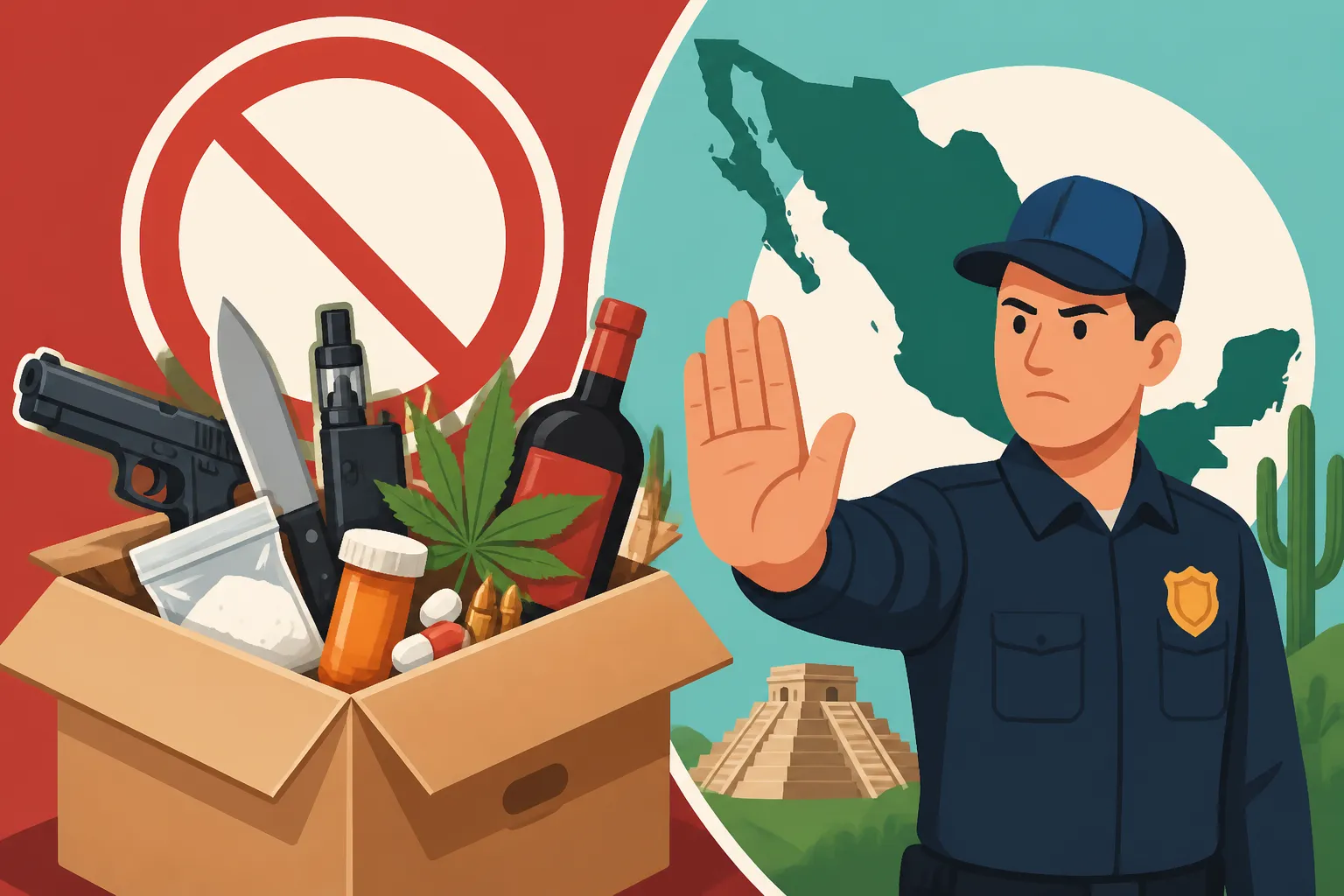
There are certain items that, under no circumstances, should you attempt to bring into Mexico. These aren't just restricted; they are outright illegal, and attempting to import them can lead to severe legal consequences, including fines, imprisonment, and deportation. Don't let your move become a nightmare because of a prohibited item.
Drugs, Weapons, and Illegal Contraband
This might seem obvious, but it bears repeating: any illegal narcotics are an absolute, unequivocal no-go. Mexico has extremely strict drug laws, and punishments are severe. This includes not just street drugs but also certain prescription medications that might be easily available in your home country but are controlled or illegal in Mexico. We'll delve into medications more deeply in the "restricted" section, but for anything resembling an illicit drug, leave it behind.
When it comes to weapons, firearms, and ammunition, Mexico has some of the strictest gun control laws in the world. This means absolutely no firearms, not even decorative ones, antique pistols, or pellet guns, unless you have specific, rare, and difficult-to-obtain permits issued before entry. This also applies to ammunition, explosives, and even certain types of knives or bladed weapons that could be deemed offensive. Even bringing a simple pocket knife that’s too long can cause issues. Don't risk it. If you have any item that could be misconstrued as a weapon, it's best to dispose of it or store it elsewhere before your move. This is a zero-tolerance area that could land you in serious legal trouble.
Certain Agricultural Products and Perishables
Mexico is incredibly protective of its agricultural industry and ecological systems. This means a blanket ban on a wide range of fresh fruits, vegetables, unprocessed meats, and certain dairy products. Think about it: a single fruit carrying an invasive pest could wreak havoc on local crops. For instance, you can't bring in that bag of fresh apples from your backyard or a homemade sausage. The same goes for many seeds and live plants unless you have very specific, pre-arranged phytosanitary certificates, which are usually only for commercial imports.
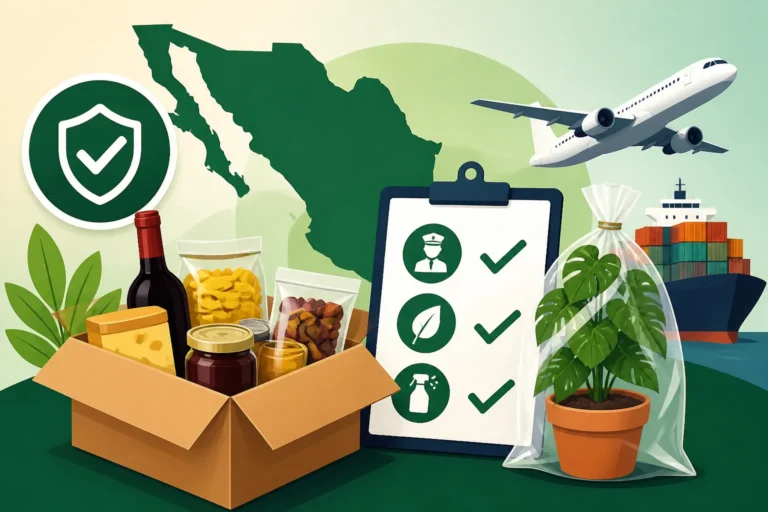
While packaged, commercially sealed goods are generally fine, any homemade or unprocessed food items are likely to be confiscated. This rule also extends to some types of honey, soil, and even certain plant-based materials used in crafts. When packing, assume that if it was once alive and isn't fully processed and sealed, it's probably prohibited. Your best bet is to consume or discard these items before you pack.
Counterfeit Goods and Pirated Material
In an effort to protect intellectual property and combat illegal trade, Mexico has a strong stance against counterfeit goods and pirated material. This includes fake designer clothes, knock-off handbags, pirated DVDs, Blu-rays, software, and even unauthorized reproductions of artwork. It doesn't matter if it's "just for personal use" or if you bought it cheaply on a street corner back home. If it's identified as counterfeit, it will be confiscated, and you could face fines. Customs officials are trained to spot these items, and they take this seriously.
So, that collection of "bargain" movies you picked up, or the suspiciously cheap designer watch? Leave them behind. It's simply not worth the risk of having your entire shipment delayed, or worse, facing legal repercussions over a few items. Ensuring your belongings are legitimate helps streamline the customs process, a benefit that moving professionals connected through Sirelo always prioritize.
Restricted Items: The "Proceed With Caution" List
While some items are outright banned, many others fall into a "restricted" category. These are items you can bring into Mexico, but only under specific conditions, quantity limits, or with proper documentation. Failing to adhere to these restrictions can lead to delays, duties, or confiscation, so pay close attention.
Medications: Prescriptions, OTC, and Controlled Substances
This is arguably one of the most confusing areas for expats, and it's where many people inadvertently run into trouble.
Firstly, prescription medications are generally allowed, but with crucial caveats. You absolutely must have the original prescription from your doctor, ideally translated into Spanish and dated within a reasonable timeframe (usually no more than 6 months old). A doctor's note detailing your condition and why you need the medication is also highly recommended. The quantity should be reasonable, typically no more than a 3-6 month supply for personal use. If you’re bringing a year's worth of pills, you’re asking for trouble.
Over-the-counter (OTC) medications like ibuprofen, Tylenol, allergy pills, or antacids are usually fine in reasonable personal quantities. However, some common OTC medications in your home country might be prescription-only in Mexico, or even restricted. For example, some decongestants or cold medicines containing pseudoephedrine are tightly controlled.
The trickiest category is controlled substances, which include many ADHD medications (like Adderall, Ritalin), strong painkillers (opioids), certain anxiety medications (like Xanax, Valium), and some sleep aids. Mexico has its own list of controlled substances, and it doesn't always align with other countries. For these, not only do you need a valid prescription and doctor's letter, but you might also need specific import permits from Cofepris (Mexico's health regulatory agency) before you arrive. This is a complex process, and without it, these medications will almost certainly be confiscated, and you could face questions about illegal drug importation.
My advice? If you take any controlled medication, consult with a Mexican immigration lawyer or a professional moving company's customs expert well in advance. And be aware that getting refills for some of these medications in Mexico can be a huge challenge, sometimes requiring you to see a local specialist and prove your need. Don't forget to check out Bringing Prescription Medications from Home: Rules and Tips for Expats for more in-depth guidance on this specific topic.
Alcohol, Tobacco, and Other Dutiable Goods
If you enjoy a good drink or smoke, you're allowed to bring limited quantities for personal consumption without paying import duties. As of my last check, the typical allowances are:
- Alcohol: Up to 3 liters per person.
- Wine: Up to 6 liters per person.
- Tobacco: Up to 200 cigarettes, 25 cigars, or 200 grams of loose tobacco per person.
Exceeding these limits means you’ll be subject to duties and taxes on the excess amount. And let me tell you, those taxes can add up quickly. It's often cheaper to buy your favorite brand once you're in Mexico, where local liquor stores are well-stocked. Remember, these limits apply per adult, so if you’re a couple, you can combine your allowances. Be honest about what you're bringing, because if customs finds undeclared items that exceed the limit, you could face penalties beyond just the duty.
Household Goods, Appliances, and Electronics
This is the big one for anyone making a permanent move. Mexico understands you're not arriving empty-handed, which is why the menaje de casa exists (more on that below). The general rule is that you can import used household goods, furniture, appliances, and electronics for your personal use duty-free, provided you have a valid residency visa and the menaje de casa certificate.
However, any new items – especially if they are still in their original packaging, have price tags, or are clearly intended for resale – will be subject to import duties and potentially other taxes. This is a common pitfall. People often try to bring a new TV, a new set of dishes, or even gifts still in their boxes, thinking it's part of their household goods. Mexican customs views these as new imports and will tax them accordingly.
It's also important that the quantity of items reflects personal use. Bringing ten identical blenders, for instance, would raise suspicion that you intend to sell them. Be sensible and declare accurately. For larger items like refrigerators, washing machines, or large electronics, ensure they are listed on your menaje de casa with clear descriptions. The value a professional moving company like those vetted by Sirelo brings here is invaluable, as they ensure your inventory is meticulous and compliant, reducing the chances of customs issues. They’ll also advise you on whether it makes more sense to buy certain items, like a new washing machine, in Mexico rather than paying to ship and potentially duty on your old one.
Vehicles, Pets, and Plants
These categories have very specific, and often complex, regulations:
-
Vehicles: Importing a car into Mexico is notoriously complicated and expensive. For temporary residents, you can often bring your foreign-plated car in on a Temporary Import Permit (TIP) for Cars: What Residents Should Know, which typically lasts for the duration of your temporary residency. However, this car cannot be sold or left in Mexico. For permanent residents, the rules are even stricter; you usually cannot drive a foreign-plated car in Mexico and must nationalize it, a process that can be cost-prohibitive and has strict age and origin requirements for the vehicle itself. Most expats find it easier to sell their car at home and buy one in Mexico.
-
Pets: Bringing your furry (or feathered) friends requires proper documentation to ensure they're healthy and disease-free. You'll need a health certificate issued by a licensed veterinarian in your home country, typically within 15 days of your arrival. This certificate must state that your pet has been examined and is free of communicable diseases. Proof of current vaccinations (especially rabies) is also mandatory. Dogs and cats are the most common, but other animals may have additional requirements. Check out Bringing Pets to Mexico: Import Requirements and Pet Care Tips for a detailed breakdown.
-
Plants: As mentioned in the prohibited section, plants and seeds generally require phytosanitary certificates from your home country to prevent the introduction of foreign pests and diseases. For personal moves, this is rarely practical, so it's best to avoid bringing plants, even small houseplants, unless you have gone through the official channels beforehand.
Each of these categories could be an entire article in itself due to their complexities. This is another reason why a professional moving service like those partnered with Sirelo is highly recommended. Their expertise can save you countless hours of research, paperwork, and potential heartbreaks.
The Menaje de Casa Household Goods Declaration: Your Golden Ticket
For any expat planning to reside in Mexico for more than just a tourist visit, the menaje de casa is arguably the most critical document for importing your personal belongings. Without it, everything you bring in could be treated as a new import, subject to hefty duties and taxes.
Who Qualifies and What It Entails
The menaje de casa (literally "house contents") is an official certificate that allows foreign residents (those with a valid Temporary Resident Visa or Permanent Resident Visa) to import their used household goods and personal effects into Mexico duty-free. This is a massive financial relief, as paying import taxes on an entire household's worth of items would be exorbitant.
To qualify, you must:
- Be a confirmed resident of Mexico. This means you have obtained your residency visa (Residente Temporal or Residente Permanente) from a Mexican consulate abroad before your move. You cannot apply for a menaje de casa if you only have a tourist visa.
- Prove residency abroad. You'll need documents like utility bills, bank statements, or rental agreements from your previous home, showing you lived there for at least six months to a year. This prevents people from just buying new items and claiming them as "used."
- Prepare a detailed, itemized inventory list. This list must meticulously catalog everything you plan to bring, down to the number of books, dishes, and pieces of clothing. Each item should be described generically (e.g., "Dining Room Table – wood," "6 Dinner Plates – ceramic," "Books – assorted fiction"). It generally needs to be translated into Spanish by a certified translator.
- Attend an interview at a Mexican consulate abroad. You apply for the menaje de casa certificate at the Mexican consulate that has jurisdiction over your last place of residence. You'll present all your documentation, including your visa, passport, proof of foreign residency, and the inventory list. If approved, they will issue the certificate.
It's a process that requires attention to detail and good organization, which is why many turn to professionals.
The Importance of Accurate Documentation and Timing
The devil, as they say, is in the details when it comes to the menaje de casa.
- Accuracy is paramount: Your inventory list must be as accurate as possible. Customs officials have the right to inspect your shipment and compare it to your menaje de casa. If there are significant discrepancies – say, a brand-new item not on the list, or a large number of items not accounted for – it can cause major problems. Fines, duties, or even confiscation can result. This is where the experienced packing and inventory services offered by moving companies are a lifesaver.
- Validity and timing: The menaje de casa certificate has an expiry date. Typically, you have a set period (often six months to a year) from the date of issuance to import your goods. If your shipment arrives after this window, the certificate might no longer be valid, and you could lose your duty-free status. Plan your move, and especially the shipping timeline, carefully around this.
- One-time use: You generally only get one menaje de casa per household. This means you need to consolidate everything you plan to bring in a single shipment. Don't plan to send a few boxes now and more furniture later under the same certificate.
Missing these details can be incredibly frustrating and expensive. Many expats, myself included, have found that investing in a reputable moving company that understands the intricacies of the menaje de casa process, from creating the inventory to liaising with customs, is well worth the cost. They are the experts who can guide you through the process, helping you avoid common pitfalls.
Navigating Customs: DIY vs. Professional Moving Services
When it comes to bringing your life's possessions into Mexico, you essentially have two paths: tackle it yourself or hire a professional. Each has its pros and cons, but for an international move involving household goods, the choice becomes pretty clear for most seasoned expats.
The DIY Approach: Challenges and Risks
Trying to manage your international move and customs clearance completely on your own can seem like a way to save money, but often, it ends up costing more in terms of time, stress, and unexpected fees.
Imagine this scenario: you've packed everything yourself, painstakingly created an inventory list, and your container arrives at a Mexican port. Now you have to deal with the immense paperwork in a foreign language, often requiring certified translations for every single document. Then comes the language barrier at the port, where officials might not speak English, and you're trying to explain complex shipping terms and customs codes.
There's the very real risk of misinterpretations of the law. What you think is a "decorative item" could be classified as a "controlled import" by an official. A slight error on your menaje de casa or a discrepancy with a box's contents could lead to your entire shipment being flagged for a lengthy, costly inspection. You might face unexpected storage fees if your shipment is held up for days or weeks, or demurrage charges from the shipping line if your container isn't cleared and returned on time.
I’ve heard stories of expats literally sleeping in their cars near the port, trying to resolve issues themselves, only to be met with more bureaucracy and frustration. The stress levels skyrocket, and the "savings" you thought you were making quickly evaporate into fines, fees, and sleepless nights. For many, the mental and emotional toll simply isn't worth it. Even more pertinent is understanding Dealing with Bureaucracy in Mexico: Tips for Handling Paperwork and Appointments.
The Professional Advantage: How Sirelo Simplifies Your Move
This is where a dedicated, experienced professional moving service, like those found through Sirelo, becomes your ultimate ally. Sirelo connects you with international moving companies who are experts in Mexican customs law and have navigated these waters countless times. They are the seasoned guides you need through the labyrinthine process.
Here’s how they make your move smoother:
- Expert Guidance from Day One: From the moment you start planning, they advise you on what can and cannot be shipped, helping you curate your belongings to avoid prohibited items and flag restricted ones.
- Meticulous Inventory and Documentation: They handle the precise, detailed inventory creation, often using professional packing services to ensure everything is documented correctly. This significantly reduces the risk of discrepancies that could lead to customs delays or fines. They also assist with preparing all necessary documentation, including translations, for your menaje de casa.
- Customs Clearance and Liaison: This is their bread and butter. Professional movers have established relationships with customs brokers and officials. They understand the specific codes, tariffs, and procedures required for seamless entry. They act as your representative, speaking the language (both literally and figuratively) of Mexican customs, greatly expediting the clearance process.
- Reduced Stress and Time Savings: Imagine not having to worry about port logistics, unexpected paperwork, or negotiating with customs officials. They take that entire burden off your shoulders, allowing you to focus on settling into your new home.
- Insurance and Accountability: Reputable moving companies offer comprehensive insurance for your belongings, providing peace of mind against damage or loss during transit. They are accountable for your goods from door to door.
In essence, a service like Sirelo transforms the daunting task of international shipping into a manageable, predictable process. They leverage their expertise to save you time, reduce stress, and most importantly, help you avoid the costly mistakes that can derail a DIY move. Don't risk your precious belongings and your peace of mind; let professionals handle the intricacies of Mexican customs.
What to Look for in a Moving Company
If you decide to go the professional route, which I strongly recommend, choosing the right company is crucial. Here are key criteria:
- Experience with Mexico: Ensure they have a proven track record of international moves specifically to Mexico. Customs regulations can be unique, and generic international movers might not have the specialized knowledge needed.
- Customs Expertise: They should have dedicated staff or partner with customs brokers who are experts in Mexican import laws, particularly the menaje de casa process.
- Transparent Pricing: Get a detailed quote that outlines all costs, including packing, shipping, insurance, customs clearance fees, and final delivery. Be wary of quotes that seem too low or lack itemized breakdowns.
- Comprehensive Insurance: Understand their insurance options and what they cover. Don't skimp on this.
- Positive Reviews and Reputation: Check online reviews, ask for references, and look for companies with a strong reputation for reliability and customer service. Sites like Sirelo help connect you with vetted movers, making this step easier.
- Door-to-Door Service: Ideally, choose a company that offers full door-to-door service, meaning they handle everything from packing at your old home to delivering and even unpacking at your new one in Mexico.
By selecting a reputable moving partner, you're not just hiring someone to move boxes; you're investing in expertise, peace of mind, and a smoother transition to your new life in Mexico.
Prohibited and Restricted Items Summary Table
To give you a quick overview, here's a table summarizing the common categories of items and their status when moving to Mexico. Remember, this is a general guide, and specific situations may vary. Always double-check with your chosen moving company or the Mexican consulate for the most up-to-date and specific regulations.
| Category | Prohibited | Restricted (Requires Documentation/Limits) | Key Considerations for Expats |
|---|---|---|---|
| Narcotics & Weapons | All illegal drugs, firearms, ammunition, explosives, certain knives | N/A | Zero tolerance. Severe penalties, including imprisonment. |
| Agriculture & Food | Fresh fruits, vegetables, unprocessed meats, some dairy, soil, live plants, certain seeds | Processed foods (sealed, non-perishable), some specific cheeses (with import permits) | Strict animal/plant health rules to prevent disease/pests. Best to avoid fresh items entirely. |
| Medications | Counterfeit drugs, large quantities of controlled substances without specific Cofepris permits | Prescription medications (original script, doctor's letter in Spanish, 3-6 month supply), OTC medications (reasonable personal quantity) | Verify if your prescription medication is a controlled substance in Mexico. Check Do You Need to Translate Medical Records into Spanish for Mexican Doctors? |
| Alcohol & Tobacco | None (amounts over the allowance are dutiable) | Limited quantities (e.g., 3L alcohol, 6L wine, 200 cigarettes) | Duties apply to excess amounts. Check current limits as they can change. |
| Household Goods | New items intended for resale, items without a valid menaje de casa for residents | Used household goods (with menaje de casa), new items (dutiable) | The menaje de casa is critical for duty-free entry of your used belongings. Sirelo can help organize this. |
| Vehicles | Foreign-plated cars for permanent stay (without nationalization), vehicles not meeting import age/origin rules | Temporary import permits for tourists/temporary residents; nationalization for permanent residents (complex & costly) | Consider selling your car and buying one in Mexico. See Temporary Import Permit (TIP) for Cars: What Residents Should Know. |
| Pets & Plants | Sick animals, plants without phytosanitary certificates | Pets (health certificate, vaccinations), plants (specific phytosanitary certificate) | Strict health checks. Refer to Bringing Pets to Mexico: Import Requirements and Pet Care Tips. |
| Counterfeit Goods | All counterfeit/pirated items (clothing, electronics, media) | N/A | Legal consequences; items will be confiscated without compensation. |
Remember that rules can change, and interpretation by individual customs officers can vary. This is why having a professional international moving company, readily found through platforms like Sirelo, is the smartest move you can make for a smooth transition. They stay on top of these changes and know how to navigate the system efficiently, saving you headaches and potential financial losses.
Disclaimer
The information provided in this guide is for general informational purposes only and does not constitute legal or professional advice. Customs regulations in Mexico can be complex and are subject to change without notice. Expats should always consult with a qualified immigration lawyer, a licensed customs broker, or a reputable international moving company like those found through Sirelo for personalized advice regarding their specific situation and the most up-to-date regulations. The author and publisher are not responsible for any actions taken based on the information contained herein.