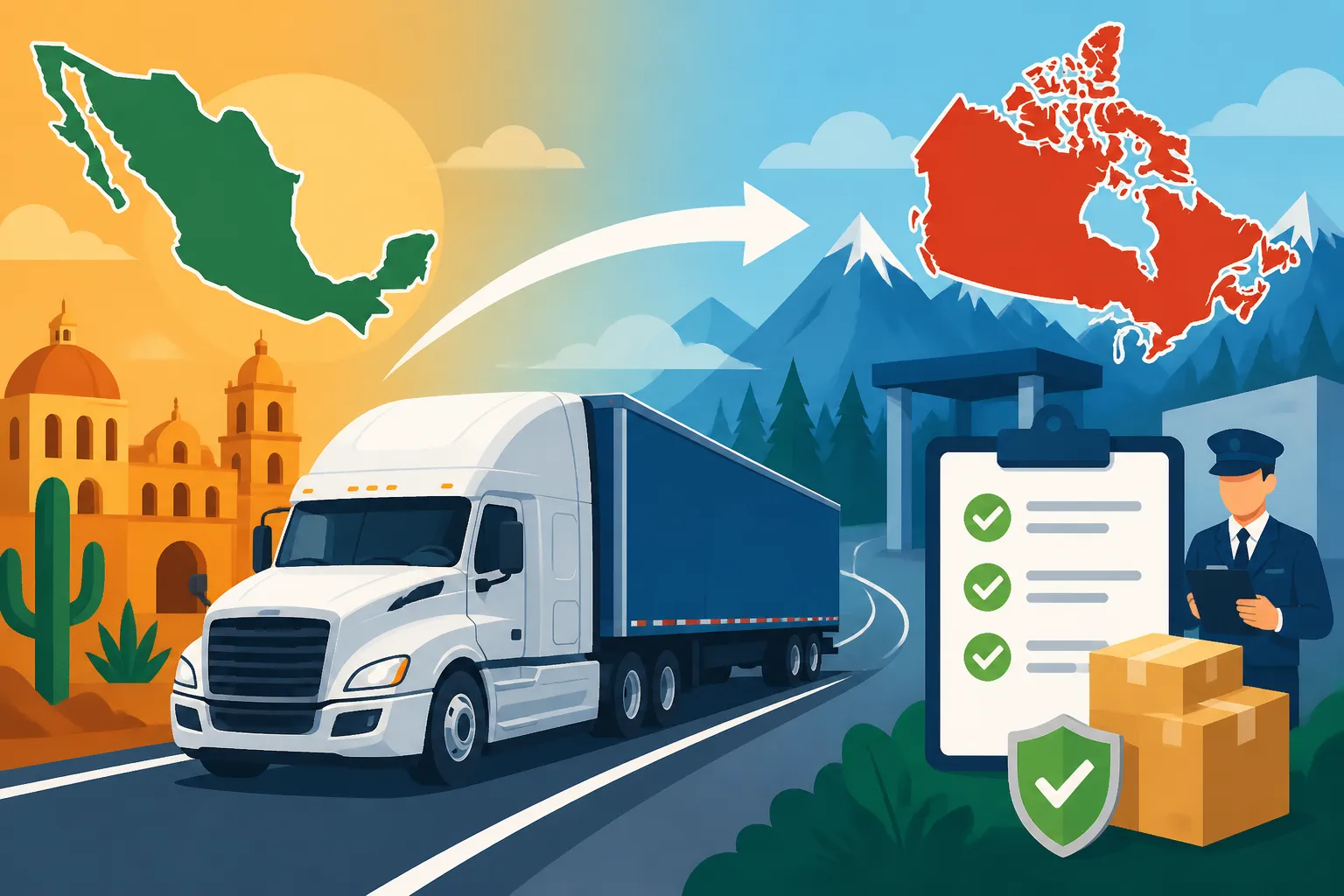
Moving From Mexico to Canada: Trucking Routes and Import Requirements
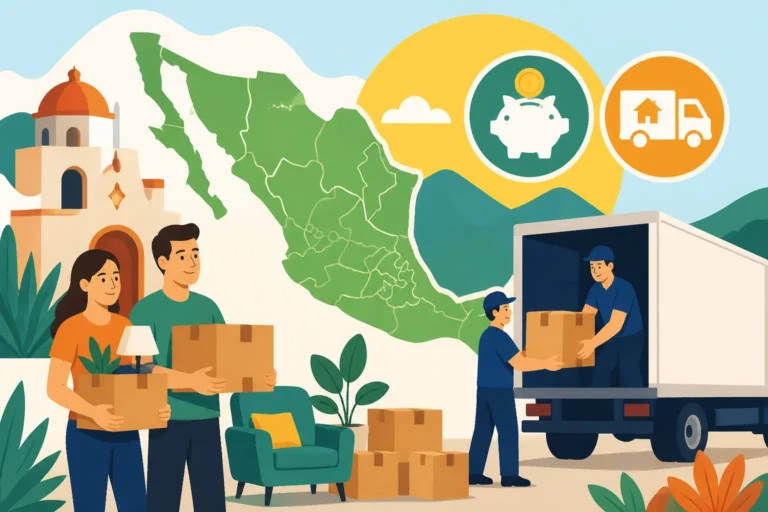
Oh, the bittersweet feeling of packing up your life in Mexico and heading north to Canada. Believe me, I’ve seen countless expats grapple with this monumental task, and it’s rarely as simple as throwing everything in a U-Haul and hitting the highway. From the scorching deserts of northern Mexico to the chilly Canadian provinces, the journey is long, complex, and laden with administrative hurdles. This guide is here to walk you through the nitty-gritty of trucking routes and the often-confusing import requirements, helping you prepare for a smoother transition.
Disclosure: This post may contain affiliate links. We may earn a commission at no extra cost to you if you make a purchase through these links. Read full disclosure.
The Grand Undertaking: Why Moving from Mexico to Canada is a Big Deal
Moving from one country to another is always a challenge, but when you’re talking about Mexico to Canada, it's an entirely different beast. It's not just a change of scenery; it's a cross-continental trek that spans thousands of miles, crosses multiple international borders, and involves a dizzying amount of paperwork. Many of us expats, myself included, came to Mexico to escape some of the complexities of our home countries, only to find new ones here. Now, you’re looking at navigating a system that’s arguably even more intricate when you combine three nations' regulations.
The Sheer Distance and Logistics
Let’s be real, Canada isn't exactly next door. We're talking about traversing the entire length of Mexico and then the majority of the United States. This isn't a quick weekend drive; it's a multi-day journey for a professional moving truck, and that means a whole lot of planning. You’re not just moving your stuff from one apartment to another; you’re orchestrating an international logistical marvel.
Consider the route: a truck leaving, say, Mérida, Yucatán, has to drive thousands of kilometers just to reach the U.S. border. Then, it's another several thousand kilometers across the U.S. to the Canadian border. This distance impacts everything: transit time, fuel costs, wear and tear on vehicles, and, crucially, the amount of time your belongings will be in transit and out of your hands. It also adds layers of complexity for customs and security checks at each border crossing. If you’ve ever had to deal with the slow pace of bureaucracy in Mexico, imagine doing it twice more, in different languages, with your entire household sitting in a truck. This is where a reliable international moving service, like those you can find through Sirelo, becomes not just a convenience, but a necessity, handling these logistical nightmares on your behalf.
Cultural and Climatic Shift
Beyond the physical distance, you're also making a significant cultural and climatic shift. You're leaving behind the vibrant, often chaotic, warmth of Mexico for the structured, sometimes stark, climate of Canada. This isn't just about packing warmer clothes; it's about preparing your belongings for different environmental conditions during transit. Humidity in Mexico, potential freezing temperatures across parts of the US and Canada in winter – your furniture, electronics, and delicate items need to be packed with extreme care to withstand these changes.
Moreover, the regulatory environments are vastly different. In Mexico, we've learned to navigate things with a certain degree of flexibility and sometimes, a lot of patience and persistence. In Canada, and to some extent the U.S., the rules are often more rigid, the documentation more precise, and the penalties for non-compliance much steeper. You’ll need to adjust your mindset from the "Mexican way" of dealing with paperwork and appointments to a more formal, by-the-book approach. This alone can be incredibly frustrating if you're not prepared for it. For those who spent years getting accustomed to life here, including figuring out things like Dealing with Bureaucracy in Mexico: Tips for Handling Paperwork and Appointments, the shift back to a different kind of bureaucracy can be jarring.
Choosing Your Moving Method: Weighing the Options
When it comes to moving your entire life from Mexico to Canada, you’ve got a few big decisions to make, and chief among them is how your stuff is going to get there. This isn’t just about cost; it’s about peace of mind, reliability, and how much heavy lifting (literally and figuratively) you’re willing to take on.
Full-Service International Movers
This is often the go-to option for those who want to minimize stress, and for good reason. A professional international moving company specializes in cross-border relocations. They handle everything from packing your fragile possessions, creating detailed inventories, navigating customs documentation, and arranging the actual trucking and delivery. They’re the experts who know the ins and outs of both Mexican export regulations and Canadian import requirements.
The value of a full-service mover truly shines when you consider the complexity of moving from Mexico through the U.S. to Canada. They’ll manage the transit permits, the various border crossings, and ensure your items are properly insured for the journey. This is especially crucial for high-value items or if you're bringing a significant amount of household goods. Finding a reputable mover that specializes in this particular route is key, and this is exactly where platforms like Sirelo can be incredibly helpful. They connect you with various vetted moving companies, allowing you to compare quotes and services, ensuring you find a mover with the right expertise for your unique relocation. This can save you countless hours of research and potential headaches, letting you focus on other aspects of your move.
DIY Trucking and Container Shipping
Some expats, especially those with smaller loads or a tighter budget, might consider a DIY approach, perhaps renting a truck or arranging for a shared shipping container. While tempting due to potentially lower upfront costs, this route comes with a massive learning curve and considerable risks when moving between these three countries.
DIY Trucking: If you’re thinking of renting a truck yourself in Mexico and driving it all the way to Canada, stop right there. This is almost universally impractical and legally complex. Rental trucks generally aren't authorized for international travel across multiple borders, and the insurance implications alone would be a nightmare. Even if you manage to find one, you’d be personally responsible for all customs declarations, transit permits through the U.S., and dealing with border agents, often in a language you might not be fluent in. The sheer time commitment and stress involved make this a non-starter for most.
Partial Loads and Shipping Containers: This involves renting a portion of a shipping container or a "less than container load" (LCL) service. Your items are consolidated with other shipments heading in the same general direction. This can be more economical than a full container, but it often means slower transit times as the container waits to be filled and then makes multiple stops. You’ll typically still be responsible for packing and preparing your own inventory lists, though the shipping company will handle the heavy lifting of transport and customs documentation. It's a middle ground, but still requires a good understanding of what paperwork you need to provide.
Advantages and Disadvantages of Different Moving Methods
Here's a quick overview to help you weigh your options:
| Moving Method | Advantages | Disadvantages | Best For |
|---|---|---|---|
| Full-Service Mover (e.g., via Sirelo) | Hands-off, expert customs guidance, comprehensive insurance, door-to-door service, peace of mind. | Higher cost. | Large households, valuable items, busy professionals, minimal stress. |
| Partial Container (LCL) | More affordable than full container, professional transport. | Slower transit times, less direct control, usually requires self-packing. | Smaller households, budget-conscious, flexible timelines. |
| Full Shipping Container (FCL) | Faster than LCL, exclusive use of container, direct route. | Higher cost than LCL, requires a large volume of goods. | Medium to large households, need for faster transit. |
| DIY Trucking (Not Recommended) | (Theoretical) Lowest direct cost, direct control. | Logistically impossible, legal hurdles, no international insurance, extreme stress, high risk of delays/seizures. | Almost no one for cross-border moves. |
For most expats making this long journey, entrusting their move to an experienced company found through platforms like Sirelo truly simplifies the process.
Navigating the Trucking Route: The Journey North
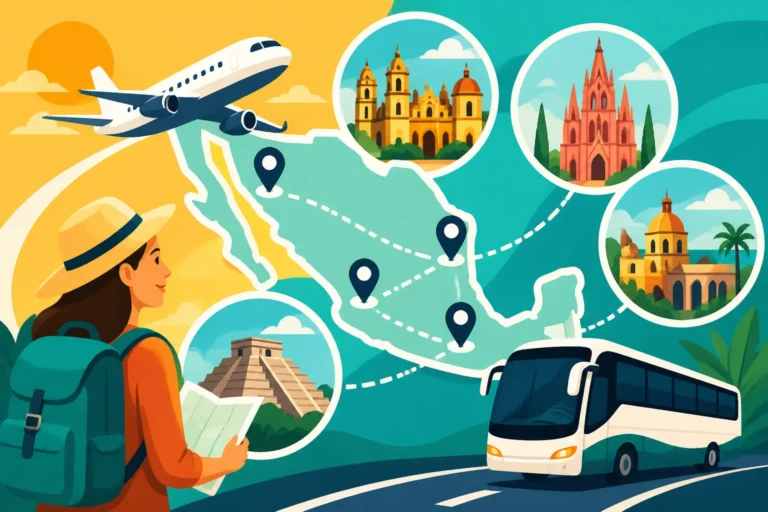
The physical journey your household goods will take from Mexico to Canada is incredibly complex, involving at least two international border crossings and thousands of miles of road. Understanding the general route and the specific challenges involved can help you appreciate why professional movers are worth their weight in gold.
Key Border Crossings and Transit Points
Your belongings will first have to cross from Mexico into the United States. The most common commercial trucking routes from central and southern Mexico funnel towards major border crossings in states like Texas, Arizona, or California. For example, a significant portion of commercial traffic heading north uses crossings like Laredo, Texas (Puente del Comercio Mundial), or Otay Mesa, California, depending on the origin point in Mexico and the final destination in Canada. These are bustling commercial ports of entry designed for high-volume freight.
Once through the U.S. customs, the truck will then traverse the U.S., typically heading towards one of the major U.S.-Canada border crossings. Popular choices include:
- Detroit, Michigan / Windsor, Ontario (Ambassador Bridge / Detroit-Windsor Tunnel): The busiest commercial crossing, ideal for goods heading to Eastern Canada.
- Buffalo, New York / Fort Erie, Ontario (Peace Bridge / Lewiston-Queenston Bridge): Another major artery for Eastern Canada.
- Blaine, Washington / Surrey, British Columbia (Pacific Highway / Peace Arch): Essential for goods bound for Western Canada.
Each of these crossings has its own nuances, typical wait times, and specific procedures for commercial cargo. This intricate dance is a daily routine for international moving companies, who meticulously plan routes to minimize delays and navigate potential bottlenecks.
Customs Clearance at the Mexico-US Border
This is your first major hurdle, even if your ultimate destination isn't the U.S. When goods leave Mexico, they must go through Mexican export customs, and then U.S. import customs, even if they are just in transit to Canada. This involves specific documentation, including a detailed packing list, commercial invoice (even for personal effects, stating "no commercial value"), and a Mexican export declaration. The U.S. will also require an Importer Security Filing (ISF) for ocean cargo, and electronic declarations for truck freight.
If you are using a professional mover, they will have customs brokers on both sides of the border to handle this. If you were attempting this yourself (which, again, I strongly advise against), any discrepancies or missing paperwork could lead to significant delays, fines, or even seizure of your goods. Imagine sitting at a border crossing for days, arguing with officials in Spanish and then English, all while your life's possessions are held captive. It's a nightmare scenario, which is why a service found through Sirelo really comes into its own, shielding you from these complexities.
The US-Canada Border Checkpoints
After the U.S. leg of the journey, your goods face their final border check into Canada. Here, Canadian Border Services Agency (CBSA) officers will scrutinize your documentation. For personal effects, you’ll need to declare your goods on a B4 Form (Personal Effects Accounting Document) or an eManifest. You'll also need a detailed inventory list, often called a "dunnage list" for personal items, which must match your declaration. This is a critical point where any misdeclaration or missing paperwork can lead to significant delays and potential duties or taxes on your items.
Crucially, you, as the importer, or your designated representative (like your moving company’s customs broker), will need to be present or accessible for questions during this process. The CBSA wants to ensure that everything you're bringing in is indeed your personal effects, owned and used by you, and not commercial goods or items intended for resale. It’s a rigorous process designed to protect Canada’s economy and security, and it leaves very little room for error. Having a moving company that is well-versed in Canadian import rules, like those accessible through Sirelo, will make this final leg significantly smoother.
Understanding Canadian Import Requirements: Customs and Paperwork
This is where many people get tripped up. Canada has strict rules about what you can and cannot bring into the country, especially when it comes to personal effects, and the paperwork can be daunting. Forget just listing "boxes of stuff" – Canada wants details, and they want them correctly formatted.
Personal Effects and the "Dunnage" Dilemma
When you move to Canada as a returning resident or a new immigrant, you are generally allowed to import your "personal effects" and "household goods" free of duties and taxes. The key here is that these items must be owned and used by you prior to your arrival in Canada, and they must be for your personal use in your new home. They cannot be items purchased for resale, gifts for others, or commercial goods.
The "dunnage" list, or detailed inventory, is paramount. This isn't just a scribble on a napkin. It needs to be a comprehensive, itemized list of everything in each box or piece of furniture. For example, instead of "Box 1: Kitchen Stuff," it should be "Box 1: 4 plates, 6 mugs, 2 frying pans, toaster, blender." For larger items, list them individually: "Queen size bed frame," "Antique wooden desk," "Television (55-inch LED)." This level of detail is critical for the CBSA to verify your declaration. Any items acquired after you’ve moved to Canada (even if still abroad) or items clearly intended for someone else might be subject to duties.
Required Documentation: Forms and Inventory Lists
The most important Canadian form you’ll need is the B4 Form (Personal Effects Accounting Document). This form declares all the goods you are importing. You'll typically prepare two lists for your B4:
- Goods Accompanying You: Items you bring with you when you first enter Canada (e.g., luggage, small electronics).
- Goods to Follow: The bulk of your household goods that will arrive via trucking. This list is especially detailed and must be presented at your initial arrival to Canada, even if the goods won't arrive for weeks or months. You’ll be given an official stamp on this form, which your moving company will then use to clear your goods when they arrive. Without this stamped form, your goods will be stuck at the border, potentially incurring storage fees and other penalties.
In addition to the B4, you'll need:
- Your passport
- Your Canadian immigration document (e.g., Confirmation of Permanent Residence, work permit, study permit)
- A comprehensive, typed, and signed inventory list of your goods. As mentioned, this needs to be very detailed.
- Receipts for any new items you purchased recently, as they may be subject to duties.
Preparing these documents accurately and thoroughly is non-negotiable. This process often feels like a full-time job in itself, and it’s a huge relief to have a professional moving company guide you through it. Many international movers connected through Sirelo offer assistance with this paperwork, or they'll connect you with a customs broker who specializes in it.
Restricted and Prohibited Items: What NOT to Bring
Canada has very strict regulations on certain items. Knowing what you can't bring can save you a world of trouble at the border.
Prohibited Items:
- Firearms and Weapons: Absolutely forbidden without very specific permits, which are rare for personal imports. Don't even try.
- Illegal Drugs: Obvious, but worth stating.
- Certain Plants, Animals, and Agricultural Products: Canada is very protective of its agriculture. This includes certain meats, fresh produce, soil, specific plants, and endangered animal products. Check the Canadian Food Inspection Agency (CFIA) website for details.
- Obscene Materials: Anything deemed obscene or hate propaganda.
Restricted Items (Require Permits or Special Conditions):
- Alcohol and Tobacco: You can bring limited quantities duty-free, but exceeding those limits means paying duties and taxes.
- Medications: Prescription medications should be in their original packaging with a copy of your prescription. Quantities should be reasonable for personal use (e.g., a 90-day supply). Be aware that some medications legal in Mexico or other countries might be controlled or illegal in Canada. If you relied on buying certain medications over-the-counter in Mexico, like some antibiotics, remember that Canadian rules are much stricter. You'll need to research if Can You Buy Antibiotics Without a Prescription in Mexico? applies to your new home.
- Vehicles: Importing a vehicle has its own complex process, often requiring modifications to meet Canadian safety and emissions standards. This is a separate headache entirely.
- Pets: Bringing your beloved fur babies requires up-to-date vaccination records (especially rabies), health certificates, and sometimes specific microchip requirements. Ensure you have all documents ready. It's a bit like arranging for Bringing Pets to Mexico: Import Requirements and Pet Care Tips, but in reverse!
Always, always err on the side of caution. If you’re unsure about an item, declare it, or better yet, don't bring it. Misrepresenting items or attempting to smuggle prohibited goods can lead to fines, seizure of your belongings, and even criminal charges, impacting your ability to settle in Canada.
Preparing Your Belongings for the Long Haul: Packing and Logistics
The journey from Mexico to Canada is not a short hop across a river. It's a marathon. Your belongings will be handled multiple times, endure various climates, and travel thousands of miles. Proper preparation isn't just a suggestion; it's an absolute must if you want your cherished items to arrive intact.
Packing for a Cross-Continental Journey
This is where a little extra effort goes a very long way. If you’re self-packing, invest in high-quality packing materials. I'm talking sturdy double-walled boxes, plenty of bubble wrap, packing paper, and strong packing tape. Don't skimp on these.
- Label Everything Meticulously: Each box should have a clear number, your name, and a brief description of its contents. This not only helps with your inventory list but also with unpacking. Write on at least two sides of the box.
- Fragile Items: Wrap them individually and generously. Use dish-pack boxes for kitchenware, and ensure there's no empty space for items to shift. Clearly mark "FRAGILE" on these boxes.
- Electronics: Keep them in their original boxes if possible. Otherwise, use anti-static bubble wrap and sturdy boxes. Consider removing ink cartridges from printers and batteries from devices.
- Furniture: Disassemble what you can. Wrap all pieces, especially corners and edges, with moving blankets or bubble wrap. Remove knobs and small parts and bag them, labeling clearly.
- Liquids: Do NOT pack any open liquids, cleaning supplies, or anything flammable. If you must transport sealed liquids (like unopened bottles of mezcal or tequila for personal use), double-bag them to prevent leaks. Remember, there are limits on alcohol imports.
- Essentials Box: Pack a separate box or two with absolute essentials you'll need immediately upon arrival – toiletries, a change of clothes, basic kitchen items, important documents, chargers. This box should be clearly marked and accessible.
If you opt for a full-service mover found through Sirelo, their professional packers will handle this with expertise, using specialized materials and techniques to ensure maximum protection. This alone can justify the cost, as they understand the stresses of international transit.
Insurance: Protecting Your Valuables
Given the distance and the number of times your shipment will be handled and inspected, transit insurance is non-negotiable. Standard moving contracts often include very basic liability coverage, which might only cover a minuscule amount per pound. This is usually insufficient to replace valuable items.
You have a couple of main options:
- Declared Value Protection: This allows you to declare a higher value for your entire shipment or for specific high-value items. The cost of this additional coverage will depend on the total declared value.
- Third-Party Insurance: You can purchase separate insurance from an independent provider. This often offers more comprehensive coverage and clearer terms.
Read the insurance policy carefully. Understand what is covered (e.g., partial damage, total loss), what is excluded (e.g., self-packed boxes if not packed to professional standards), and the claims process. Document your belongings with photos or videos before packing, especially high-value items. This visual evidence can be invaluable if you need to file a claim. Don't just assume your homeowner's or renter's insurance in Mexico will cover an international move – it almost certainly won't. This is a new country with new risks, much like understanding Homeowners and Renters Insurance in Mexico: Do You Need It? when you first arrived.
Vehicle Importation: A Separate Headache
If you're planning to bring your car from Mexico to Canada, prepare for a separate bureaucratic marathon. This is not part of your household goods shipment and cannot be simply driven across. Canadian regulations require that imported vehicles meet specific safety and emissions standards set by Transport Canada.
The process generally involves:
- Eligibility Check: Confirming your specific vehicle model and year is admissible. Many vehicles manufactured for the Mexican or U.S. market might not meet Canadian standards without costly modifications.
- Recall Clearance: Obtaining a "recall clearance letter" from the manufacturer proving there are no outstanding safety recalls.
- Pre-Inspection: You may need an inspection before export or upon import.
- Customs Declaration: Declaring the vehicle at the border, paying any applicable duties and taxes (GST/HST), and then completing a Registrar of Imported Vehicles (RIV) inspection.
- Modifications: Potentially requiring modifications (e.g., daytime running lights, metric speedometer) to meet Canadian standards.
The costs and complexities of importing a vehicle often lead expats to sell their Mexican cars and purchase a vehicle in Canada instead. This is particularly true for older models or those not widely sold in Canada. It's a complex decision that requires thorough research, and it’s a good example of how much detail goes into even seemingly straightforward parts of moving internationally. If you're pondering whether to keep your car or sell it, reviewing information about Car Insurance in Mexico: Understanding Coverage and Costs might give you an idea of the market you're leaving behind.
The Human Element: Beyond the Boxes
While we focus so much on the logistics of moving physical items, it’s equally important to prepare yourself for the human side of this monumental transition. Moving from Mexico, especially after living here for a while, involves more than just a change of address; it’s a profound shift in lifestyle, culture, and social fabric.
Settling In: Post-Move Logistics
Once your belongings arrive and you’ve cleared customs, the work isn't over. You'll need to hit the ground running with a new set of administrative tasks in Canada.
- New Identity Documents: Applying for provincial health cards, driver's licenses (if you didn't import a vehicle, you'll still need local ID), and setting up bank accounts. The process can be surprisingly lengthy, so be patient. If you're used to the convenience of things like your CURP or RFC in Mexico, be prepared for Canada's own unique identifiers and processes. This might involve recalling how you navigated Mexico Immigration Terminology 101: FMM, CURP, RFC and Other Essentials when you first arrived in Mexico.
- Utility Connections: Arranging for electricity, gas, internet, and phone services for your new home. While often more streamlined than in Mexico, it still requires appointments and setting up new accounts. Knowing the names of providers like Bell, Rogers, or Telus (Canada's equivalents to Telmex or Izzi) will be a good start.
- Healthcare: Registering for your provincial healthcare plan is crucial. Depending on the province, there might be a waiting period before your coverage begins, so temporary private insurance might be necessary. This echoes the initial scramble many expats face when navigating Healthcare in Mexico: Complete Guide for Expats (Public vs Private) or Health Insurance in Mexico: How Expats Can Get Coverage (2027).
- Unpacking and Organizing: Even with the best intentions, unpacking a whole house after an international move is exhausting. Give yourself grace and time. Don't feel pressured to get it all done in a weekend. Focus on creating functional spaces first.
Having a clear checklist for your first few weeks in Canada will be your best friend. Breaking down these tasks into manageable steps can prevent you from feeling overwhelmed.
Emotional Preparedness
Leaving a life you've built, whether it was for a few years or several decades, is emotionally taxing. You'll experience a mix of excitement, anxiety, and inevitably, a healthy dose of nostalgia for Mexico.
- Saying Goodbye: Take the time to properly say goodbye to friends, favorite places, and even your trusty local taco stand. These connections, whether human or gastronomic, are a huge part of your expat experience. Rushing this can lead to regrets later.
- Culture Shock (Again!): You might experience a reverse culture shock, or even a new wave of culture shock in Canada. Things you once considered normal might now feel alien after adapting to Mexican life. Be prepared for differences in social interactions, service expectations, and even the pace of life. It can be surprising how quickly you adapted to certain Mexican norms, which then make your home country feel foreign.
- Building a New Community: Just as you did in Mexico, you'll need to put in effort to build a new social network. Seek out expat groups, local clubs, volunteer opportunities, or classes. It takes time, but it's essential for feeling at home. Many expats find solace in connecting with fellow adventurers, even if they're also new to the area.
- Managing Expectations: Not everything will be perfect, and there will be frustrating moments. That's part of any move, let alone an international one. Go into it with a flexible mindset, a good sense of humor, and realistic expectations. Remember all the times you laughed off a bureaucratic mishap or a missed bus in Mexico? You'll need that same resilience.
Embrace the new adventure, but don't dismiss the feelings of loss or adjustment. It's all part of the journey. And remember, the support networks you build, and the reliable services you choose, like those provided by international movers found through Sirelo, are there to ease the transition, allowing you to focus on the emotional aspects of starting fresh.
Disclaimer
The information provided in this guide is for general informational purposes only and does not constitute legal, immigration, or professional advice. Requirements for moving, customs, and immigration are subject to change by Mexican, U.S., and Canadian authorities. Always consult with relevant government agencies, an immigration lawyer, or a professional international moving company for the most accurate and up-to-date information pertaining to your specific situation. We are not responsible for any inaccuracies or changes in regulations.